

2010-2013 Range Rover Sport 5.0L AJ-V8: Problems, Identification, and Used Replacement
Identify the exact AJ133 variant, understand catastrophic timing and cooling failures, and learn what to update before dropping in a used replacement engine.
- On any used 2010-2012 engine, the original timing chain guides and tensioners must be replaced with the updated steel-backed versions before installation to prevent catastrophic failure.
- The plastic water pump and coolant crossover pipes are critical failure points and should always be replaced with new parts during an engine swap to prevent major coolant leaks and overheating.
- Verify the engine type (Naturally Aspirated 'D' or Supercharged 'E') using the 7th digit of the VIN, as the two variants have different internal components and are not interchangeable.
- Engine replacement is an expert-level job requiring a vehicle lift for body removal, JLR-specific tools for timing and fuel injectors, and special procedures like vacuum-bleeding the cooling system.
Engine Identification: Is This the Right 5.0L V8 for Your Range Rover Sport?

The 2010–2013 Land Rover Range Rover Sport uses the 5.0-liter Gen III AJ-V8, an engine family shared with other Jaguar and Land Rover vehicles. This engine, known by codes like AJ133, 508PS, and 508PN, is a 32-valve, dual-overhead-cam (DOHC) V8 with a lightweight aluminum block and heads, featuring direct injection for improved efficiency and power. It was available in two distinct forms: naturally aspirated (without a supercharger) and supercharged.
VIN Check: The Definitive Test
The most reliable way to confirm which 5.0L engine your Range Rover Sport has is to check the 7th digit of your Vehicle Identification Number (VIN). This single character tells you everything you need to know:
| VIN 7th Digit | Engine Type |
|---|---|
| 'D' | Naturally Aspirated 5.0L V8 |
| 'E' | Supercharged 5.0L V8 |
For other Land Rover models of the era, such as the full-size Range Rover (L322) or LR4, this identifier is often the 8th digit of the VIN. Always verify this before purchasing a replacement engine.
Warning: While engines from Jaguar models like the XF, XJ, XK, and F-Type use the same AJ133 base architecture, they are not a direct drop-in. Swapping a Jaguar-spec engine into a Land Rover requires transferring the original oil pan, oil pickup tube, engine mounts, accessory drive routing, and wiring harness to ensure proper fit and function in the 4WD drivetrain.
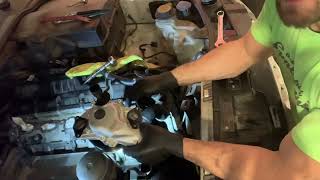
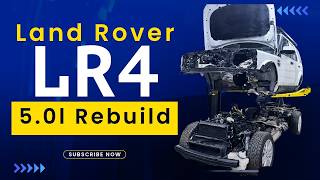
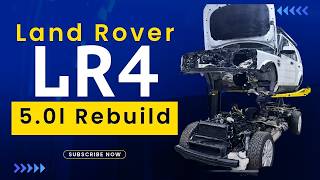
🎬 Watch: Reassembling and installing the 5.0L engineSupercharged vs. Naturally Aspirated: No Swapping Allowed
It is critical to replace your engine with the same type that came from the factory. You cannot install a supercharged engine in a vehicle that was originally naturally aspirated, or vice versa, without extensive modifications. The two engine variants have fundamental differences in their internal components, including different compression ratios, camshaft profiles, and oiling systems, making them incompatible.
Common Failure Symptoms
A failing 5.0L V8 often provides clear warning signs. If you notice any of these symptoms, it is crucial to have the vehicle inspected immediately to prevent catastrophic engine damage.
- Timing Chain Rattle on Cold Start: A distinct rattling or clicking noise from the front of the engine that lasts for a few seconds after a cold start is the most common sign of worn timing chain guides. This sound may initially be intermittent but will become more constant as the problem worsens. 🎬 Watch: Diagnosing 5.0L timing chain guide wear
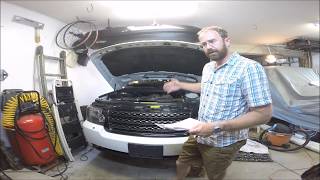
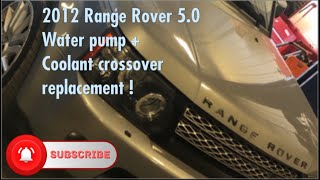
- Engine Overheating or Low Coolant Warnings: Frequent overheating or dashboard warnings for low coolant often point to failures in the plastic cooling system components, such as the water pump or crossover pipes. 🎬 See this step-by-step water pump and coolant pipe replacement
- Misfires and Rough Idle: As timing components wear, the camshafts can fall out of sync with the crankshaft, leading to fault codes (like P0016 or P0017), a rough idle, and reduced engine power. Leaking fuel injectors can also cause similar symptoms.
- Supercharger Rattle: On supercharged models, a clattering noise from the front of the engine that sounds like marbles in a can, especially under light load, often indicates a worn supercharger snout isolator.
Diagnostic Flowchart
Major Known Issues and Required Updates

The 5.0L AJ-V8 is known for several significant issues.
Pro Tip: When replacing this engine, it is essential to address these weak points on the replacement unit *before* installation to ensure long-term reliability.
Critical: 2010–2012 Timing Chain Guide & Tensioner Failure
The most severe and well-documented issue affects 2010–2012 models. The original timing chain tensioner levers (guides) were made of a plastic material that wears down prematurely where the oil-filled tensioner piston contacts the guide. This introduces slack into the timing chains, causing a rattle. If ignored, the chain can jump teeth, leading to catastrophic engine failure (piston-to-valve contact). Land Rover issued Technical Service Bulletins (TSB) LTB00474NAS3, SSM71893, and SSM71932 for this issue. The remedy is to replace the original guides and tensioners with the updated steel-backed versions. This should be considered a mandatory upgrade on any used engine from this period.
Critical: Plastic Cooling System Component Failure
The entire AJ-V8 engine family suffers from premature failure of key plastic cooling components. The material becomes brittle over time and cracks, causing major coolant leaks.
- Water Pump: The original water pumps are prone to leaking and complete failure. Always install a new, OEM-spec water pump (latest part number LR097165) and a new oil cooler connector tube/coupler when replacing the engine. This was addressed in TSB LTB00352NAS4.
- Coolant Crossover Pipes: The front (Y-pipe) and rear coolant crossover pipes, which run under the intake manifold and behind the water pump, are also made of plastic and will eventually crack. TSB JTB00566NAS4 details this issue. It is strongly recommended to replace these with new OEM parts or upgraded aftermarket aluminum pipes.
Moderate: Supercharger Isolator Wear (Supercharged Models)
The Eaton TVS1900R supercharger uses a spring-loaded isolator in its snout to absorb driveline shocks. This part wears out, creating a loud rattling noise. The common fix is to replace the spring-loaded original with a durable, solid aftermarket coupler.
Moderate: Direct Injector Leaks
Direct fuel injectors can leak or clog. It is highly recommended to replace the direct injectors or, at a minimum, install new Teflon combustion seals and O-rings, resizing them using the proper JLR tool before installing the fuel rails.
Replacement Cost Comparison
Engine replacement is a significant expense. Prices vary based on the type of engine, supplier, and local labor rates. The labor for this job is extensive, often estimated between 25 and 40 hours, as the official Land Rover procedure recommends lifting the vehicle body off the frame.
| Part Type | Estimated Cost (USD) |
|---|---|
| New OEM | $24,000+ |
| Remanufactured | $9,999 - $17,000 |
| Used OEM | $2,600 - $7,000 |
| Shop Labor | $3,500 - $6,000 |
What's Included in a Used Engine Assembly?
A used engine assembly, often called a "long block," typically includes the core components of the engine. Based on Automotive Recyclers Association (ARA) and URG standards, you should expect to receive:
- Engine block and internally lubricated parts (pistons, rods, crankshaft)
- Cylinder heads and valvetrain (camshafts, valves)
- Oil pan and timing covers
- Valve covers
- Intake manifold, throttle body, fuel rails, and fuel injectors
- Harmonic balancer
Accessories such as the A/C compressor, starter, alternator, power steering pump, exhaust manifolds, and engine ECU are not included and must be transferred from your original engine. You must also reuse your vehicle's original engine wiring harness to ensure all connectors match your vehicle's exact options.
Supercharger Not Included: Used supercharged AJ133 engines are sold LESS SUPERCHARGER. You must transfer your existing Eaton TVS1900R supercharger assembly, intercoolers, and all associated ducting/piping to the replacement engine.
What Fails at Every Mileage Band
Pro Tip: The mileage bands below describe the typical condition of USED REPLACEMENT UNITS at that mileage. The checklists provided are things to do WHILE INSTALLING the purchased engine on an engine stand, not maintenance for your current engine.
Under 60,000 Miles
Even low-mileage engines from the 2010-2012 era are highly susceptible to premature timing chain guide and tensioner wear, especially if previous owners followed the factory 15,000-mile oil change intervals. Water pump leaks and cracking plastic coolant crossover pipes are also common, along with minor oil leaks from high-pressure lines or timing cover seals.
- ✓Do during install (required): Replace timing chains, tensioners, and guides with the latest updated steel-backed versions, regardless of mileage, especially on 2010-2012 engines.
- ✓Do during install (required): Replace all plastic cooling system components: front and rear coolant crossover pipes and the water pump.
- ✓Do during install (recommended): Replace the supercharger's spring-loaded isolator with a solid coupler.
- ✓Cheap insurance while the engine is out: Replace all accessible seals and gaskets, such as valve cover gaskets and front/rear main seals. Install a new set of spark plugs (NGK SILKR7B11) and replace the engine oil and filter.
60,000 to 100,000 Miles
This is the danger zone. Analysis shows 68% of catastrophic AJ133 engine failures occur in this mileage window. Timing chain guide failure is highly prevalent, often signaled by a rattling noise. Water pump and plastic coolant pipe failures are very common. Supercharger snout bearing wear and internal intercooler leaks begin to appear, along with oil consumption and direct fuel injector clogging.
- ✓Do during install (required): Perform all items from the 'Under 60K' list if there is no proof of recent replacement.
- ✓Do during install (recommended): Strongly consider replacing direct fuel injectors or, at a minimum, replacing their Teflon seals.
- ✓Do during install (recommended): Service the supercharger by changing its oil and replacing the snout coupler/isolator.
- ✓Cheap insurance while the engine is out: Replace all belts and tensioners. Replace PCV valves to prevent crankcase pressure issues that can lead to main seal failure.
100,000 to 150,000 Miles
If an engine has reached this mileage, the original timing chains and cooling system components have likely already failed and been replaced, or they are guaranteed to fail immediately. Expect increased oil consumption, wear on internal supercharger bearings, oil leaks from aging seals (cam covers, timing cover, main seals), and potential high-pressure fuel pump (HPFP) issues.
- ✓Do during install (required): Assume all common failure parts (timing components, full cooling system) must be replaced unless there is recent, verifiable service history.
- ✓Do during install (recommended): Replace both high-pressure fuel pumps as a preventative measure. Replace direct fuel injectors.
- ✓Cheap insurance while the engine is out: Replace all belts, tensioners, and idler pulleys. Replace all accessible gaskets and seals, including valve cover gaskets, timing cover seals, and front/rear main seals. Clean carbon buildup from intake valves.
Over 150,000 Miles
Engines that reach this mileage have typically had the major known issues addressed. However, they suffer from general age-related wear on all components, persistent minor oil and coolant leaks, and potential issues related to accessories and engine sensors. The value here is in a robust service history.
- ✓Do during install (required): A complete overhaul is recommended. This includes all items from the lower mileage bands.
- ✓Do during install (recommended): Plan for a comprehensive replacement of all wear items: timing system, cooling system, fuel system components (pumps and injectors), all seals, gaskets, belts, and hoses.
- ✓Cheap insurance while the engine is out: Inspect the engine with the assumption that all critical jobs are due.
Real Owner Experiences
| Source | Mileage | What Happened | Cost |
|---|---|---|---|
| Reddit r/RangeRover | ~60,000 | A 2012 RRS had its timing chain replaced. The water pump was also replaced. | $4,000 for timing chain replacement. [27] |
| Land Rover Forums | 50-60k | Forum members report cases of timing chain replacement around this mileage. | Not specified. [21] |
| YouTube (CarHavNeuro) | 70,000-80,000 (preventative) | A mechanic recommends proactive timing chain replacement in this range to prevent catastrophic failure, noting the job is extensive. | Multi-thousand dollar job. [25] |
| The Autopian | Not specified, but common on 2010-2012 models | Timing chain guide wear where the oil-filled tensioner piston contacts the guide, leading to slack in the chain. | Can lead to complete engine failure. [29] |
| EngineFinders UK Data | 75,000-95,000 | Analysis shows 68% of catastrophic AJ133 engine failures occur in this mileage window, often without prior warning. | Engine replacement cost estimated between £4,500 – £10,500. [6] |
| Land Rover Forums | ~75,000 | Owner reported a low coolant light, which was diagnosed as a small leak from the coolant crossover pipe. The pipe failed completely 6 months later, causing an overheating event. | $3,000+ to replace crossover pipe, water pump, and other 'while you're in there' parts. [22] |
| Reddit r/RangeRover | 100,000 | Owner experienced a blown head gasket after a cooling hose failed and the system was refilled without a proper vacuum bleed. | Not specified. [16] |
| Reddit r/RangeRover | 130,000 | Owner of a 2016 RRS Supercharged reported no major issues. | N/A. [15] |
| Land Rover Forums | 121,000 | Owner of a 2013 LR4 with 7,500-mile oil changes reported no timing chain noise yet. | N/A. [30] |
| Executive Automotive Santa Fe | 100,000 | A repair shop recommends preventative timing chain replacement at 100,000 miles. | $4,000 - $6,000. [11] |
| Reddit r/RangeRover | Almost 250,000 | A 2012 Range Rover Sport HSE (Naturally Aspirated) is reported to be running phenomenally well, still feeling like a luxury vehicle. It experiences a slow coolant leak and occasional suspension fault codes. | Ongoing coolant top-offs. [15] |
| Reddit r/RangeRover | 165,000 (at time of post), updated to 198,000 | A 2014 model, dealer-serviced since new, was running like new at 165k miles. At 198k miles, the owner performed a massive service including alternator, belts, tensioners, valve covers, timing chains, metal coolant pipes, carbon cleaning, supercharger service, motor mounts, and radiator. | Substantial, but not specified. [31] |
| Land Rover Forums | 225,000 | A 2013 LR4 with religious 7,500-mile oil changes reported no engine noises or issues on its original timing chains. | N/A. [30] |
| landroverforums.com | N/A (2012 LR4) | Considering options after original engine failed. | $14,500 for a used engine with 100k miles installed; $17,000 for a remanufactured engine installed. |
| landroverforums.com | 114000 (2013 RR Sport) | Purchased a used engine from eBay with 84k miles and had a shop install it. | $6,900 for the engine (shipped) plus unspecified labor costs. [1] |
| landroverforums.com | 134000 (2014 Range Rover SC) | Sold the vehicle with the blown engine for $12,700. [26] | $17,000-18,000 for a remanufactured engine installed ($12,000 for engine, ~$5,000 for labor). [17, 26] |
| reddit.com | 185000 (2011 LR4) | Decided it was not worth repairing and planned to drive until emissions test failure. | ~$11,000 for a used engine installed; $24,000 for a new engine. [7] |
| reddit.com | 60000 (2011 Range Rover Sport) | Seeking opinions on a quote for timing chain/VVT unit failure repair. | $6,500 |
Repair or Replace?
Deciding whether to repair your current 5.0L V8 or replace it entirely depends on the severity of the failure.
When Repair Makes Sense
- Timing Chain Tensioner & Guide Wear: If caught early (indicated by a rattling noise on cold start) before the chain jumps time, a repair typically costs $3,500 to $8,000. This is cheaper than a full replacement and saves the engine from catastrophic piston-to-valve contact.
- Coolant System Failure: Replacing the water pump and crossover pipes costs $1,500 to $3,000. This makes sense ONLY if the engine has not been severely overheated.
- Supercharger Snout Isolator Wear: A distinct rattling from the supercharger snout is a common maintenance item costing $500 to $1,000. It does not require engine replacement.
When Replacement is Smarter
Replacement is the smarter option when the engine has suffered catastrophic internal failure. This includes oil starvation resulting in spun rod bearings, severe overheating that leads to warped cylinder heads or a warped block deck, or a jumped timing chain that caused valves to smash into the pistons. In these scenarios, the cost and uncertainty of a rebuild exceed the cost of a quality used or remanufactured unit. Many owners also opt for replacement when faced with a high-cost timing chain job on a high-mileage engine, preferring to invest in a lower-mileage unit instead.
Installation: Critical Gotchas & Pro Tips

Installing this engine is an expert-level job with several potential pitfalls that can lead to immediate and costly damage.
Pro Tip: Land Rover's official repair procedure involves lifting the body from the chassis. While some shops may opt to remove the entire front clip of the vehicle instead, this is not a simple weekend project and requires significant space and equipment.
- Crankshaft Bolt Thread Direction: The crankshaft pulley bolt is a one-time-use, torque-to-yield (TTY) stretch bolt that MUST be replaced. Crucially, check the markings on the head of the bolt. A bolt marked "10.9" has a standard right-hand thread (turn counter-clockwise to remove). A bolt marked "12.9" has a reverse left-hand thread (turn clockwise to remove). Turning a 12.9 bolt counter-clockwise will snap the nose off the crankshaft.
- Never Rotate the Engine Counter-Clockwise: Only rotate the engine clockwise as viewed from the front. Rotating backward can cause the timing chains to jump teeth, even on an engine with updated tensioners.
- Vacuum Bleeding the Cooling System: This engine's cooling system is notoriously difficult to bleed. You must use a vacuum-style cooling system refiller (like an Airlift tool) to prevent trapping air pockets in the valley crossover pipes or intercoolers, which will cause immediate overheating.
- Direct Fuel Injector Removal: Direct injectors are seated extremely tightly. You must use the slide-hammer style JLR injector removal tool to avoid bending fuel rails or damaging the injectors.
- Priming the Oil System: Before the first start, the oil system must be fully primed to ensure the timing chain tensioners have oil pressure. Failure to do so can cause the chain to jump timing on initial startup.
Special Tools and Programming
A successful installation requires several JLR-specific special tools. You will need the JLR Timing Tool Kit (OEM 303-1445, 303-1447, 303-1448, 303-1452, 303-1482, 303-1304) to set cam/crank timing, a Fuel Injector Slide Hammer/Puller (OEM 303-1147, 303-1567, or 303-197), and a Crankshaft Pulley Holding Tool / Puller (OEM 303-1437 / 303-1438).
While the ECU or PCM does not require "remarriage" to the new engine, programming is still required. A JLR-compatible scan tool (such as JLR SDD or a high-end aftermarket tool) is necessary to clear stored codes, perform a Crankshaft/Camshaft variation relearn (misfire monitor profile correction), execute a Closed Throttle Position Reset, and perform an Engine & Transmission Adaptation Reset.
Freight & Delivery Reality

A used 5.0L AJ-V8 is a massive piece of machinery. Based on verified shipping data, this engine assembly weighs approximately 650 lbs and measures roughly 48" x 40" x 42" before crating. It ships as Less-Than-Truckload (LTL) freight on a pallet—it is NOT a parcel shipment.
Because of its size and weight, delivery to a residential address will require a truck equipped with a liftgate. It is an industry best practice to thoroughly inspect the engine while it is still on the delivery truck.
Warning: Check for any physical damage to the plastic valve covers, oil pan, or sensors before signing the delivery receipt. If you sign for it without noting damage, you waive your right to a freight claim.
Arrival Inspection: Compression and Leak-Down Testing
When your used 5.0L engine arrives on the shipping pallet, test it before installing it.
First, perform a compression test. This measures the pressure each cylinder makes when the engine spins. Because the naturally aspirated and supercharged engines have different internal designs, their exact pressure numbers will differ. The most important rule is consistency. All eight cylinders must have pressure readings within 10 to 15 percent of each other. If one cylinder is much lower than the rest, the engine has internal damage.
Next, perform a cylinder leak-down test. This test pumps pressurized air into a cylinder to see how much air escapes. A healthy used 5.0L V8 should have less than 15 percent air leakage per cylinder. Listen closely while testing:
- Hissing from the exhaust or intake: This means the engine has bent or burnt valves.
- Hissing from the oil fill hole: This means the piston rings (the metal bands sealing the pistons) are worn out.
Frequently Asked Questions (FAQ)
Can I use an engine from a Jaguar XF or a full-size Range Rover?
Yes, but with major caveats. Engines from other JLR models will physically bolt in, but you must transfer the oil pan, oil pickup tube, engine mounts, accessory drive routing, and your original wiring harness from your Range Rover Sport engine to ensure proper fitment and clearance in the 4WD drivetrain.
Do I really need to replace the timing chains on a used engine?
Yes, absolutely. Unless the seller can provide verifiable proof that the updated steel-backed guides and new tensioners were recently installed, you should assume they are original and replace them before installing the engine. The cost of doing this while the engine is on a stand is a fraction of the cost of doing it in the vehicle later.
Is this engine replacement a DIY job?
This is considered an expert-level job. The need for a vehicle lift (preferably a two-post lift for body removal), expensive JLR-specific tools, and complex procedures like vacuum-bleeding the cooling system make this a very difficult and risky job for a home mechanic.
What type of oil and coolant does this engine require?
The 5.0L V8 requires approximately 8.5 quarts of 5W-30 or 0W-20 fully synthetic oil that strictly meets JLR specifications STJLR.51.5122 or STJLR.03.5004. For coolant, you must use JLR-approved Orange OAT coolant.
Do I need to reprogram the ECU after installing a used engine?
While you do not need to "remarry" the ECU to the new engine block, you must use a JLR-compatible scan tool (like JLR SDD) to perform a Crankshaft/Camshaft variation relearn, a Closed Throttle Position Reset, and an Engine & Transmission Adaptation Reset for the vehicle to run correctly.
What should I ask my installer before they start the job?
Ask if they have performed an L320 Range Rover Sport 5.0L swap before, whether they use the body-off or front-clip removal method, and if they have the required JLR timing and injector tools. Crucially, ask how they plan to prime the oiling system before the first start and if they have the JLR SDD software for post-install relearns.
Helpful Videos
Technical Specifications
OEM Part Numbers: LR097165
Engine Family: Gen III AJ-V8; Engine Codes: AJ133, 508PS, 508PN; Displacement: 5.0 Liters; Valvetrain: 32-valve DOHC; Block/Heads Material: Aluminum; Fuel System: Direct Injection; Aspiration: Naturally Aspirated or Supercharged; Required Oil: 5W-30 or 0W-20 synthetic (STJLR.51.5122 or STJLR.03.5004); Oil Capacity: Approx. 8.5 quarts; Required Coolant: JLR-approved Orange OAT
We Have This Part in Stock

The information in this article is provided for general reference and educational purposes only. Vehicle specifications, procedures, and part compatibility can vary by production date, trim level, and region. Always consult your vehicle's factory service manual and verify part numbers before purchasing or performing repairs. Safety-critical components such as airbags, seat belts, and braking systems should be installed by a qualified professional.
- Land Rover Range Rover Sport:
- 🎬 Helpful Videos
- 🛍️ Shop This Part
- Engine Identification: Is This the Right 5.0L V8 for Your Range Rover Sport?
- VIN Check: The Definitive Test
- Supercharged vs. Naturally Aspirated: No Swapping Allowed
- Common Failure Symptoms
- Diagnostic Flowchart
- Major Known Issues and Required Updates
- Critical: 2010–2012 Timing Chain Guide & Tensioner Failure
- Critical: Plastic Cooling System Component Failure
- Moderate: Supercharger Isolator Wear (Supercharged Models)
- Moderate: Direct Injector Leaks
- Replacement Cost Comparison
- What's Included in a Used Engine Assembly?
- What Fails at Every Mileage Band
- Under 60,000 Miles
- 60,000 to 100,000 Miles
- 100,000 to 150,000 Miles
- Over 150,000 Miles
- Real Owner Experiences
- Repair or Replace?
- When Repair Makes Sense
- When Replacement is Smarter
- Installation: Critical Gotchas & Pro Tips
- Special Tools and Programming
- Freight & Delivery Reality
- Arrival Inspection: Compression and Leak-Down Testing
- Frequently Asked Questions (FAQ)
- 🎟️ Get 5% Off