

2019-2023 Ford Transit Connect 2.0L GDI Engine: Problems, Identification, and Used Replacement
Identify the 2.0L Duratec GDI, learn what kills it, and discover when to swap it for a used OEM replacement.
- Verify fitment by confirming the 8th VIN digit is '2' and never use a 2.0L GDI from a Ford Focus, as it has different mounting points and will not fit.
- A mandatory 'Crankshaft Position Sensor Relearn' procedure using a Ford-specific scan tool is required after installation to prevent persistent misfire codes and a flashing check engine light.
- All one-time-use Torque-to-Yield (TTY) bolts, especially the crankshaft pulley bolt, must be replaced with new ones during installation to prevent catastrophic timing failure.
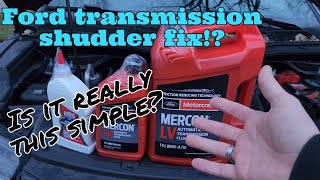
- Shuddering or harsh shifting is often a symptom of the 8F35 transmission, not the engine; investigate transmission-related TSBs before condemning the engine.
- The engine's timing belt is a critical component that must be replaced between 100,000 and 150,000 miles to avoid catastrophic engine damage.
Is This the Right Engine for Your Van?


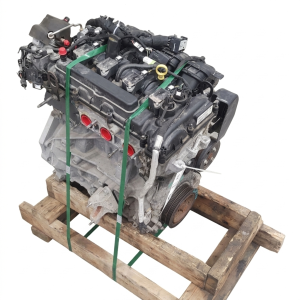
The engine used in the 2019-2023 Ford Transit Connect is a 2.0L Duratec GDI, a naturally-aspirated inline 4-cylinder engine. GDI stands for Gasoline Direct Injection, a technology that sprays fuel directly into the combustion chamber for improved efficiency. This engine is paired with a front-wheel-drive (FWD) drivetrain and an 8-speed 8F35 automatic transmission.
The single most important step to verify fitment is to check your vehicle's 17-digit Vehicle Identification Number (VIN). Locate the 17-digit VIN plate on your dashboard or driver's door jamb. The 8th character of the VIN must be the number '2'. This code specifically identifies the 2.0L GDI engine for this platform.
Warning: Do not attempt to use a 2.0L GDI engine from a 2012–2018 Ford Focus. While they belong to the same engine family and share the same VIN code '2', the Focus version has a different oil pan, engine block mounting bosses, wiring harness, and computer calibration. It is not a direct replacement and will not fit without major modifications.
Common Failure Symptoms
While generally a reliable workhorse, catastrophic failure requiring a full engine replacement can occur. Be aware of these symptoms:
- Severe knocking or tapping sounds from deep inside the engine.
- Significant loss of power combined with smoke from the exhaust.
- Metal shavings found in the engine oil during an oil change.
- A flashing check engine light indicating multiple cylinder misfires.
- Loss of compression in one or more cylinders.
Some issues, like a shudder or harsh shifting, may seem engine-related but are often linked to the 8F35 transmission. 🎬 See how to diagnose a transmission shudder vs misfire A professional diagnosis is essential before condemning the engine.
Diagnostic Flowchart
Known Issues, Recalls, and Bulletins

Before replacing the engine, be aware of several documented issues. Some are related to the engine itself, while others involve closely related systems that are critical to address during an engine swap.
Engine & Fuel System Issues
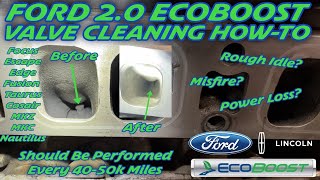
- Intake Valve Carbon Buildup: As a GDI engine, fuel doesn't wash over the intake valves. Over time, oil vapor can bake onto the valves, restricting airflow and causing performance loss. It is highly recommended to have the intake valves cleaned (via walnut blasting or manual scraping) on a used engine before installation.
- Canister Purge Valve (CPV) Failure: A faulty CPV can stick open, creating a vacuum in the fuel system that can lead to rough running, stumbling, and difficulty starting after refueling.
- High-Pressure Fuel Pump (HPFP) Wear: The HPFP can wear over time, leading to a loud ticking noise or, in severe cases, fuel leaking into the engine oil. Monitor for these symptoms.
- Owner-Reported Electrical Gremlins: Minor electrical issues can occur across all GDI years. Always check for a weak battery or Powertrain Control Module (PCM) power and grounding issues.
- Owner-Reported Stuttering/Hesitation: Isolated reports on 2019 models point to stuttering. Checking spark plugs and the ignition system is the recommended workaround.
Recalls Affecting the Powertrain
- NHTSA Recall 22V-413 (Ford Campaign 22S43): This recall addresses a degraded shifter cable bushing that can detach, preventing the vehicle from shifting into the intended gear. This could cause the vehicle to roll away unexpectedly if Park is selected but not actually engaged. It affects 2013-2021 Transit Connect models. The fix involves replacing the bushing and adding a protective cap. This should be performed during an engine swap.
- NHTSA Recall 20V550000 (Ford Campaign 20S49): Affecting 2019-2020 Transit Connects, this recall is for missing or loose bolts on the transmission's start/stop accumulator. This can cause a transmission fluid leak, leading to transmission failure and a fire risk. The remedy is to replace the accumulator.
Transmission-Related Service Bulletins (TSBs)
Pro Tip: Transmission problems on these vans are often misdiagnosed as engine issues. Be aware of these bulletins to avoid replacing a good engine for a transmission-related fault.
- TSB #SSM 51011 / SSM 52410: For 2019-2021 models with the 8F35 transmission, this TSB addresses a potential for transmission slip during acceleration from a stop when the vehicle is hot. The cause may be damaged internal pump seals in the transmission.
Replacement Cost Estimates
The cost to replace a 2.0L GDI engine in a Transit Connect varies based on the type of replacement unit and local labor rates. The job is complex and typically requires 12-16 hours of labor.
| Part or Service | Estimated Cost (USD) |
|---|---|
| Used OEM Engine | $700 - $1,300 |
| Remanufactured Engine | $3,500 - $5,000+ |
| New OEM Engine | $5,000 - $7,000+ |
| Shop Labor (12-16 hours) | $1,500 - $2,800 |
Key Installation Steps & Gotchas

This is an advanced-level job (Advanced to Expert DIY difficulty). If you or your mechanic are performing the swap, pay close attention to these critical details:
- Subframe Removal: The engine bay is extremely tight. The most common and efficient method for removal is to drop the entire front subframe with the engine and transmission attached as a single assembly from the bottom.
- Torque-to-Yield (TTY) Bolts: Key fasteners like the crankshaft pulley bolt, engine mount bolts, and camshaft sprocket bolts are designed for one-time use. They must be replaced with new bolts and torqued precisely to Ford's torque-plus-angle specification to prevent catastrophic failure. Reusing the old crankshaft pulley bolt will cause the pulley to spin freely on the crank, ruining the engine's timing.
- Crankshaft Position (CKP) Sensor Relearn: After the engine is installed, the Powertrain Control Module (PCM) must be calibrated to the new crankshaft's specific profile. This procedure, called the "Misfire Monitor Neutral Profile Correction," requires a Ford-specific scan tool (like IDS, FJDS, or a capable aftermarket tool like FORScan). Skipping this step will likely result in a persistent flashing check engine light with misfire codes.
- Wiring Harness Transfer: Always transfer the original engine wiring harness to the replacement engine. This ensures all connectors, pinouts, and sensor locations match your van's specific build.
- 8F35 Transmission Alignment: Ensure the torque converter is fully seated in the transmission pump before bolting the engine and transmission together to avoid cracking the transmission pump.
- Grounding Points: Ensure all engine and chassis ground straps are clean, secure, and reconnected to their original locations to prevent electronic issues.
- Stretch-Fit Belts: This engine uses stretch-to-fit accessory belts which require a special Belt Installation Tool to prevent damage during installation.
Warning: The direct injection fuel system operates at extremely high pressures (over 2,000 PSI). The system must be properly depressurized before disconnecting any fuel lines. The high-pressure crossover pipe is also a one-time-use part and should be replaced.
Required Consumables and Special Tools
When performing the swap, you will need specific tools and fluids:
| Category | Item |
|---|---|
| Special Tools | Engine hoist/crane with spreader bar, subframe support/jack stands, Ford Camshaft Alignment/Timing Tool Kit (e.g., OTC 303-1565), high-end diagnostic scan tool, and a Belt Installation Tool. |
| Fluids | 4.5 quarts of Engine Oil (SAE 5W-20 full synthetic or synthetic blend, Ford specification WSS-M2C945-B1 / WSS-M2C945-A), Fresh Motorcraft Orange or Yellow pre-diluted coolant (WSS-M97B44-D2 or newer), and Mercon ULV transmission fluid (if lost during axle removal). |
| Parts | Oil Filter (Motorcraft FL-910S), Spark Plugs (gapped to 0.035 in / 0.9 mm), intake manifold gaskets, exhaust manifold gasket, valve cover gasket, front crankshaft seal, serpentine and stretch-fit accessory belts, and all required TTY bolts. |
What Fails at Every Mileage Band
Pro Tip: The mileage bands below describe used replacement units of that mileage. The checklists are things to do WHILE INSTALLING the purchased engine, not maintenance for your current engine.
Under 60,000 Miles
Engines in this range are generally in excellent condition, but ancillary systems may begin to show early signs of trouble. Transmission shift quality issues related to the 8F35 transmission (particularly in 2019-2021 models) can be misdiagnosed as engine problems, often manifesting as abrupt or busy shifting. The Canister Purge Valve (CPV) may also begin to fail, causing a rough idle. Recalls 20V550000 and 22V-413 are highly relevant here.
- ✓Do during install (required): Perform the Crankshaft Position (CKP) Sensor Relearn (Misfire Monitor Neutral Profile Correction) using a Ford-specific scan tool.
- ✓Do during install (required): Replace all Torque-to-Yield (TTY) bolts, including the crankshaft pulley bolt and engine mount bolts.
- ✓Do during install (recommended): Check for and perform any open recalls, especially NHTSA 22V-413 (Shift Cable Bushing) and 20V550000 (Start/Stop Accumulator).
- ✓Do during install (recommended): Update the Powertrain Control Module (PCM) and Transmission Control Module (TCM) to the latest Ford calibration to resolve potential shifting issues.
- ✓Cheap insurance while the engine is out: Change engine oil and filter (SAE 5W-20 Synthetic Blend or Full Synthetic), and replace the engine air filter and cabin air filter.
60,000 - 100,000 Miles
Intake valve carbon buildup, a common issue for all GDI engines, can become noticeable in this band, causing rough idle or hesitation. High-Pressure Fuel Pump (HPFP) wear may begin to manifest as a loud ticking noise or fuel leaking into the engine oil. Thermostat failures are also noted on the broader Duratec engine family around this mileage. Transmission failures on the 8F35 remain a significant concern.
- ✓Do during install (required): Inspect and clean intake valves for carbon buildup. This is much easier to do while the engine is out of the vehicle.
- ✓Do during install (recommended): Replace spark plugs.
- ✓Do during install (recommended): Replace the thermostat and intake manifold gaskets as a preventative measure.
- ✓Cheap insurance while the engine is out: Replace the Canister Purge Valve (CPV) and High-Pressure Fuel Pump (HPFP) if the budget allows, as they are known failure points. Inspect all cooling system hoses and the plastic expansion tank for brittleness or cracks.
100,000 - 150,000 Miles
The timing belt replacement interval is typically recommended around 100,000 to 150,000 miles. Failure to replace it is catastrophic. Cooling system components made of plastic are prone to aging and cracking, leading to coolant leaks. Transmission failure remains a significant risk, with multiple owner reports of complete failure before 150,000 miles.
- ✓Do during install (required): Replace the timing belt, tensioner, and idler pulleys. This is a non-negotiable, mission-critical service at this mileage.
- ✓Do during install (required): Replace the water pump (typically done with the timing belt service).
- ✓Do during install (recommended): Replace all accessory drive belts and tensioners.
- ✓Do during install (recommended): Perform a drain-and-fill of the automatic transmission fluid (Mercon ULV).
- ✓Cheap insurance while the engine is out: Replace the front crankshaft seal and valve cover gasket.
150,000+ Miles
At this mileage, failures are typically related to the cumulative effect of wear and tear. While the 2.0L GDI in the Transit Connect uses a timing belt, general wear on internal components like piston rings and valve seals may lead to increased oil consumption. The core engine architecture is durable and capable of reaching 200,000 to 300,000 miles with diligent maintenance, but ancillary systems dictate its lifespan.
- ✓Do during install (required): A thorough inspection of all gaskets, seals, and plastic components is critical. Assume any original rubber or plastic part is near the end of its life.
- ✓Do during install (recommended): Replace the oil pan gasket.
- ✓Cheap insurance while the engine is out: Send fuel injectors out for professional cleaning and flow testing.
Real Owner Experiences
| Source | Mileage | What Happened | Cost |
|---|---|---|---|
| UsedCarYear | Early life | Owners of 2019–2021 models reported abrupt or busy shifting at low speeds. Ford issued calibration updates to improve this. | N/A (Warranty/TSB) |
| CARFAX Review | 60,000 | A 2022 model required only routine maintenance up to this point, with a check engine light being the only issue noted. | Not specified |
| Au7o | 60,000-80,000 | On other Ford models with similar small displacement GDI engines (1.0L EcoBoost), oil pump belt tensioner failures are a critical issue in this mileage range, leading to loss of oil pressure and engine seizure. | $0 - $6,000 |
| CARFAX | 96,808 | A 2020 model had its last service recorded at this mileage with no major issues reported in its vehicle history. | N/A |
| Kelley Blue Book | <150,000 | A fleet owner reported that every one of their Transit Connects experienced transmission failure before 150,000 miles. | Not specified, but vehicle was sold for 'pennies on the dollar'. |
| CARFAX | 126,582 | A 2023 model was last serviced at this high mileage with no accidents or damage reported. | N/A |
| Over 300,000 | Users report that the broader Duratec engine family can exceed 300,000 miles with proper maintenance. | N/A | |
| Reddit r/fordtransit | 95,000 | Owner was quoted for a full engine replacement at a Ford dealership after the engine seized. | ~$11,000 |
| Reddit r/VanLife | 200,000 | Owner was quoted by a dealership for a future engine replacement and was advised by others to seek a much cheaper independent shop. | ~$8,000 |
Repair or Replace?
Deciding whether to repair your current engine or replace it entirely depends on the severity of the failure. Some common issues are highly repairable and do not warrant a full engine swap.
| Repairable Issue | Typical Cost (USD) | When to Repair |
|---|---|---|
| Intake Valve Carbon Buildup | $350 - $800 | Repair makes sense when the primary symptoms are rough idle, hesitation, or minor misfires without any signs of mechanical damage. A professional walnut blasting service is the most effective remedy. |
| Canister Purge Valve (CPV) Failure | $217 - $357 | Repair makes sense when symptoms like a rough idle, difficulty starting after refueling, or an EVAP system check engine light are present. This is a common and relatively inexpensive external component to replace. |
| High-Pressure Fuel Pump (HPFP) Wear | $500 - $1,200+ | Repair makes sense if you experience symptoms like a sudden loss of power, engine stalling, or a specific fuel pressure-related trouble code. The repair cost is moderate but far cheaper than a full engine swap. |
When Replacement is Smarter: Replacement becomes the logical choice when the engine has suffered catastrophic internal failure, such as a spun bearing, cracked block, severe piston or valve damage, or if the engine seizes entirely. It is also the smarter financial move if the cost of multiple smaller repairs (e.g., timing components, HPFP, and significant oil leaks) approaches or exceeds the cost of a lower-mileage used engine.
Questions to Ask Your Installer
If you are hiring a shop to perform the replacement, ask these questions to ensure they are qualified for this specific job:
- Have you worked on this specific 2.0L GDI engine in a Transit Connect before, and are you familiar with dropping the subframe for removal?
- Will you be replacing all Torque-to-Yield (TTY) bolts, including the crankshaft pulley and engine mount bolts, with new ones?
- Do you have the Ford-specific scan tool (like IDS or FORScan) required to perform the mandatory 'Crankshaft Position Sensor Relearn' after installation?
- Can you inspect the intake valves for carbon buildup on the replacement engine and perform a cleaning service before it's installed?
- Will you be transferring my original engine wiring harness to the new engine to ensure perfect compatibility?
- How will you ensure the torque converter is properly seated in the 8F35 transmission to prevent pump damage?
- Does your quote include all necessary fluids, new gaskets (intake, exhaust, valve cover), and new spark plugs?
Freight & Delivery Reality

Buying a used engine assembly means dealing with heavy freight. A complete 2.0L GDI engine assembly for the Transit Connect weighs approximately 365 lbs and measures roughly 36" x 32" x 32" before crating. Because of its size and weight, it ships as Less-Than-Truckload (LTL) freight on a pallet—it is NOT a standard parcel delivery.
When ordering, expect a pre-purchase verification interview from reputable suppliers to confirm your VIN and vehicle details. Upon delivery, the freight carrier will typically use a liftgate to lower the pallet to the ground. It is critical that you inspect the engine thoroughly for any shipping damage (such as cracked sensors, broken plastic manifolds, or damaged oil pans) before signing the delivery receipt.
Arrival Inspection: Compression and Leak-Down
When your used engine arrives, test the cylinders before you install it. A compression test measures the pressure your engine makes while cranking. A leak-down test pumps air into the cylinder to see how well it holds pressure.
- Compression Test: A healthy 2.0L GDI engine should show between 150 and 180 PSI (pounds per square inch) in each cylinder. The most important rule is that all four cylinders must be within 10 to 15 percent of each other.
- Leak-Down Test: Air loss should be less than 15 percent per cylinder. If you hear air escaping from the exhaust or intake, the valves are not sealing.
Before the First Start: Fluids and Priming
Never start a used engine dry. You must build oil pressure first to protect the moving parts. You also need the correct fresh fluids.
- Fresh Oil and Filter: Install a new oil filter and fill the engine with fresh oil. Use SAE 5W-20 oil that meets Ford specification WSS-M2C960-A1.
- Fresh Coolant: Fill the cooling system with the correct antifreeze. For 2019 to 2023 models, use Motorcraft Yellow coolant (specification WSS-M97B57-A1). Do not mix different coolant colors.
Follow this pre-lube procedure to prime the engine:
- Disable the fuel system so the engine will not start. You can do this by removing the fuel pump fuse from the fuse box.
- Turn the key and crank the engine for 10 to 15 seconds.
- Stop and wait one minute to let the starter motor cool down.
- Repeat this cranking step two or three times until the dashboard oil pressure light turns off.
- Put the fuel pump fuse back in. The engine is now safe to start.
Frequently Asked Questions (FAQ)
Can I use a 2.0L GDI engine from a Ford Focus?
No. Although it is part of the same engine family and has the same VIN digit ('2'), the Ford Focus engine has significant physical differences in its block casting, mounting points, and oil pan. It is not a direct-fit replacement for the Transit Connect.
What is a "CKP Relearn" and is it optional?
A CKP (Crankshaft Position) Relearn, also known as a Misfire Monitor Neutral Profile Correction, is a mandatory software procedure. It teaches the engine's computer the precise rotational signature of the new crankshaft. Without it, the computer cannot accurately detect misfires, leading to false error codes and potential drivability problems. It is not optional.
What typically comes with a used engine assembly?
A standard used engine assembly, or "long block," includes the core mechanical components: the engine block, cylinder head, crankshaft, pistons, camshafts, valvetrain, oil pan, valve cover, intake manifold, fuel injectors, fuel rail, throttle body, timing cover, timing chain/belt assembly, water pump, and harmonic balancer. Accessories like the alternator, A/C compressor, starter, power steering pump, and ECU are typically not included and must be transferred from your old engine.
Does this engine use a timing belt or a timing chain?
The 2.0L GDI engine in the 2019-2023 Transit Connect utilizes a timing belt. It is absolutely critical to replace this belt, along with the tensioner and idler pulleys, between 100,000 and 150,000 miles. Failure to do so will result in catastrophic engine damage.
Why does my van shudder or shift harshly? Is the engine failing?
Often, shuddering or harsh shifting is misdiagnosed as an engine misfire or failure. In the 2019-2023 Transit Connect, these symptoms are frequently caused by the 8F35 8-speed automatic transmission. There are specific Technical Service Bulletins (like TSB #SSM 51011) addressing transmission slip and internal pump seal damage. Always have a professional diagnose the transmission before assuming the engine is at fault.
Helpful Videos
Technical Specifications
Engine: 2.0L Duratec GDI; Type: Naturally-aspirated inline 4-cylinder; Fuel System: Gasoline Direct Injection (GDI); Drivetrain: Front-Wheel-Drive (FWD); Transmission: 8-speed 8F35 automatic; VIN Code (8th digit): 2; Oil Type: SAE 5W-20 full synthetic or synthetic blend; Oil Specification: WSS-M2C945-B1 / WSS-M2C945-A; Oil Capacity: 4.5 quarts; Coolant Type: Motorcraft Orange or Yellow pre-diluted; Coolant Specification: WSS-M97B44-D2; Transmission Fluid: Mercon ULV; Spark Plug Gap: 0.035 in / 0.9 mm; Weight: ~365 lbs
We Have This Part in Stock

The information in this article is provided for general reference and educational purposes only. Vehicle specifications, procedures, and part compatibility can vary by production date, trim level, and region. Always consult your vehicle's factory service manual and verify part numbers before purchasing or performing repairs. Safety-critical components such as airbags, seat belts, and braking systems should be installed by a qualified professional.
- Ford Transit Connect:
- 🎬 Helpful Videos
- 🛍️ Shop This Part
- Is This the Right Engine for Your Van?
- Common Failure Symptoms
- Diagnostic Flowchart
- Known Issues, Recalls, and Bulletins
- Engine & Fuel System Issues
- Recalls Affecting the Powertrain
- Transmission-Related Service Bulletins (TSBs)
- Replacement Cost Estimates
- Key Installation Steps & Gotchas
- Required Consumables and Special Tools
- What Fails at Every Mileage Band
- Under 60,000 Miles
- 60,000 - 100,000 Miles
- 100,000 - 150,000 Miles
- 150,000+ Miles
- Real Owner Experiences
- Repair or Replace?
- Questions to Ask Your Installer
- Freight & Delivery Reality
- Arrival Inspection: Compression and Leak-Down
- Before the First Start: Fluids and Priming
- Frequently Asked Questions (FAQ)
- 🎟️ Get 5% Off