

2017-2018 Ford Transit Connect 2.5L Duratec: Problems, Identification, and Used Replacement
Learn how to identify the 2.5L Duratec, spot common failures like coolant leaks and timing issues, and know when a used OEM replacement is the smartest fix.
- This engine has a keyless crankshaft pulley; loosening the main crank bolt without special Ford timing tools (OTC 303-1061, OTC 303-393) will destroy the engine's valve train.
- The 2.5L engine from other Ford or Mazda models like the Fusion or Escape is NOT interchangeable with the Transit Connect version due to critical differences in components.
- During replacement, always install a new plastic coolant outlet housing, as the original is a common failure point and is nearly inaccessible once the engine is installed.
- Address the shifter cable bushing recall (NHTSA 21V376000) and perform a transmission fluid flush with Mercon LV (TSB 20-2300) during the engine swap.
- After installation, a Crankshaft Position Sensor (CKP) relearn procedure is required using an advanced scan tool to prevent false misfire codes.
Engine Identification: Confirming a Match

The engine used in the 2017-2018 Ford Transit Connect is the 2.5L Duratec (also known as the Duratec 25 or Mazda L5-VE), an inline 4-cylinder (I4) gasoline engine. This is a durable, naturally aspirated (non-turbo) motor known for its longevity when properly maintained. It uses conventional multi-port fuel injection, not direct injection.
Key Identifiers
To ensure you are purchasing the correct engine for your van, check the following pre-purchase verification details:
- VIN Code: The 8th digit of your vehicle's Vehicle Identification Number (VIN) must be a '7'. You can find the VIN plate at the base of the driver's side of the windshield.
- Identifying Codes: Look for engine codes "VIN 7" or "997".
- Vehicle Model: Confirm the vehicle is a compact Ford Transit Connect, not the larger, full-size Ford Transit van.
- Drivetrain: It fits Front-Wheel Drive (FWD) models only.
Warning: Not All 2.5L Engines Are the Same. The 2.5L Duratec engine was used in many other Ford and Mazda vehicles, such as the Fusion, Escape, MKZ, Milan, and Mazda3. However, these versions are not interchangeable with the Transit Connect engine. They have critical differences in their oil pans, oil pickup tubes, intake routing, wiring, calibration, and accessory mounting brackets that make them incompatible.
Is Your Engine Failing? Common Symptoms
Complete engine failure can be preceded by several warning signs. While some issues can be repaired, a combination of severe symptoms may mean a replacement is the most cost-effective solution.
- Knocking or Ticking Noises: A deep knock from the bottom of the engine often points to bearing failure, while a lighter ticking from the top could be valve train related.
- Excessive Oil or Coolant Consumption: Needing to constantly top off fluids can indicate internal leaks from bad seals or gaskets. Unexplained coolant loss is a known issue with this engine family.
- Overheating: If the engine frequently overheats despite a full cooling system, it could be a sign of a blown head gasket, a cracked cylinder head, or a significant internal blockage.
- Low Compression: A compression test showing low or uneven pressure across the cylinders points to serious internal wear on components like piston rings or valves.
- Misfires and Rough Running: While often caused by simple ignition or fuel issues, persistent misfires that are not resolved by new spark plugs, coils, or injectors can indicate a mechanical engine problem.
Diagnostic Flowchart

Known Issues, Recalls, and Technical Service Bulletins (TSBs)
Before installing a replacement engine, it is critical to address any known factory issues. Addressing these while the engine is out of the vehicle is much easier and cheaper.
Recalls
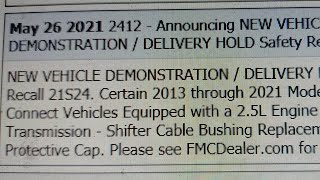
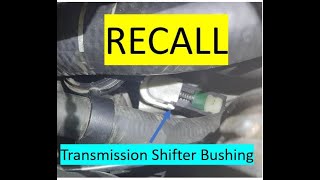
NHTSA Recall 21V376000 (Ford 21S24 / 22S43 / 21V432000): Shifter Cable Bushing
This is a severe safety recall. The bushing that connects the shifter cable to the transmission can degrade and detach. This can cause the vehicle to fail to go into the selected gear. For example, the driver may shift to 'Park', but the transmission may be in another gear, creating a rollaway risk. Affected Years: 2013-2021 Ford Transit Connect models with the 2.5L engine. Solution: Inspect and replace the shifter cable bushing and add a protective cap during engine installation.
Common Failure Points & TSBs
Leaking Coolant Outlet Housing
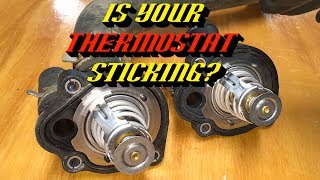
The plastic housing for the thermostat, located on the driver's side of the cylinder head, is a very common failure point. It becomes brittle over time and can crack, causing significant coolant leaks. Affected Years: All years with the 2.5L engine.
Pro Tip: This part is extremely difficult to access once the engine is installed in the vehicle. Always replace the entire coolant outlet housing assembly with a new, high-quality part during an engine replacement.
Transmission Shudder (TSB 20-2300)
The 6F35 automatic transmission paired with this engine can develop a shudder or harsh shifting. This is often related to the transmission fluid. Affected Years: All models mated to the 6F35 transmission. Solution: Perform a complete transmission fluid flush using fresh Mercon LV fluid during the swap.
Intake Manifold Runner Control (IMRC) Flap Noise
At higher mileages, the plastic intake manifold can develop a clicking or rattling noise at idle due to worn IMRC flaps. Replace or service the plastic intake manifold if this occurs.
TSB 16-0163: Illuminated Check Engine Light / Wiring Harness Damage
Affecting 2014-2016 models, this bulletin addresses potential damage to the engine wiring harness. Inspect and repair the engine wiring harness before transferring it to the replacement engine.
TSB 16-0054: Inoperative A/C or Inaccurate Ambient Air Temperature Display
Also affecting 2014-2016 models, this issue requires resetting the Keep Alive Memory (KAM) and potentially replacing the Ambient Air Temperature (AAT) sensor and connector.
What Fails at Every Mileage Band
Pro Tip: The mileage bands below describe what typically fails on USED REPLACEMENT UNITS with that many miles. The checklists provided are things you should do WHILE INSTALLING the purchased engine to prevent future failures, not just maintenance for your current engine.
Under 60,000 Miles
Engines in this range are generally very healthy, but the surrounding components can still fail. Owners report water pump failures as early as 59,000 miles. The 6F35 transmission is a known weak point, with shuddering and failures reported at 36,000, 45,000, and 57,000 miles. The plastic coolant outlet housing is also prone to developing leaks early on.
- ✓Do during install (required): Replace the plastic coolant outlet (thermostat) housing. It is fragile and extremely difficult to access once the engine is installed. Address the shifter cable bushing recall (NHTSA 21V376000) by installing the new bushing and protective cap while access is easy.
- ✓Do during install (recommended): Perform a complete transmission fluid flush with fresh Mercon LV fluid to address potential shuddering issues (TSB 20-2300).
- ✓Cheap insurance while the engine is out: Install new OE-spec iridium spark plugs, engine oil (5W-30, 5W-20, or 0W-20 per OE spec) and high-quality filter, and fresh Ford Motorcraft Orange or Yellow pre-diluted coolant. Inspect and replace the serpentine belt and tensioner if they show any signs of wear.
60,000 - 100,000 Miles
Transmission problems, including torque converter failure, are more frequently reported in this range (often between 60,000 and 90,000 miles). Ignition coil failures leading to misfires can occur, causing rough idling and a flashing check engine light. Electronic throttle body faults can cause the vehicle to enter a low-power "limp mode," and catalytic converter efficiency faults (P0420 code) may appear.
- ✓Do during install (required): Replace intake manifold gaskets.
- ✓Do during install (recommended): Replace all ignition coils and spark plugs. Replace the valve cover gasket, as leaks can start to appear.
- ✓Cheap insurance while the engine is out: Thoroughly clean the electronic throttle body and intake manifold.
100,000 - 150,000+ Miles
The 2.5L Duratec engine itself remains very reliable and is capable of reaching 200,000 to 250,000 miles with consistent maintenance. However, the automatic transmission is the most significant failure point, with many owners reporting rebuilds or replacements in this mileage range. Bad grounding points can cause difficult-to-diagnose electrical issues, engine mounts may fail, and oil leaks from the valve cover gasket are common.
- ✓Do during install (required): Clean all major engine-to-chassis grounding straps and ensure they are securely reattached to prevent electrical issues.
- ✓Do during install (recommended): Assume the transmission has significant wear; a fluid and filter service is the absolute minimum. Replace all engine and transmission mounts. Replace the PCV valve and any related hoses.
- ✓Cheap insurance while the engine is out: Inspect and consider replacing the alternator and starter motor if they are original.
Real Owner Experiences
To understand what real owners face with the 2.5L Transit Connect, here is a collection of verified reports regarding engine and transmission failures.
| Source | Mileage | What Happened | Cost |
|---|---|---|---|
| 59,000 | Water pump failed, requiring out-of-pocket replacement. | Argued with dealer over price | |
| Kelley Blue Book | 36,000 and 57,000 | An owner reported transmission issues starting at 36,000 miles, leading to an overhaul. The transmission then required a full rebuild under warranty at 57,000 miles. | Warranty |
| 45,000 | Transmission failed on a personally owned, well-maintained 2020 model. | Not specified | |
| 63,000 | A worsening shudder on acceleration was diagnosed as a failed torque converter, which sent metal debris throughout the transmission, requiring replacement. | Not specified | |
| 80,000 | Complete transmission failure on a 2020 model. | $8,000 quote | |
| Au7o.com | 60,000-90,000 | This is the typical mileage window for the automatic transmission to experience shudder and potential failure. | Not specified |
| 180,000 | Transmission required a replacement on a heavily used vehicle. | Not specified | |
| 170,000 | An owner reported the engine "detonated," but details were not provided. | Not specified | |
| 180,000 | Transmission was rebuilt. The owner also experienced a bad grounding point around 200,000 miles. | Not specified | |
| Kelley Blue Book | under 150,000 | A fleet owner with 14 vans reported that every single one experienced transmission failure before 150,000 miles. | Not specified |
| fordtransitconnectforum.com | 409,000 | Replaced the engine. | Not specified |
| bobistheoilguy.com forums | <100,000 | Sent vehicle to auction after receiving a quote to replace the engine due to a bad head gasket. | $9,000 quote (Not repaired) |
| Reddit r/mechanic | Not specified | Paid a deposit for an engine replacement that took over 3 months due to the shop receiving multiple bad used engines. | $2,500+ (deposit) |
Repair or Replace?
Deciding whether to repair your current engine or replace it with a used OEM unit comes down to the severity of the failure and the labor involved.
When Repair Makes Sense
| Common Repair | Typical Cost | Notes |
|---|---|---|
| Coolant Outlet Housing Leak | $300 - $600 | This is a common failure of a plastic part. Repair is almost always the correct choice unless the engine was severely overheated. |
| Intake Manifold Runner Control (IMRC) Failure | $200 - $500 | Replacing the control solenoid or the intake manifold itself is far more cost-effective than replacing the engine. |
| Shifter Cable Bushing Failure (Recall 21V376000) | $100 - $250 | This is an easy and necessary recall-related repair. |
When Replacement is Smarter
Engine replacement becomes the smarter economic choice when the vehicle suffers from severe internal damage, such as a spun rod bearing, piston damage, a warped cylinder head from overheating, or a catastrophic timing failure. Given the engine's keyless crankshaft pulley, any repair requiring the removal of the harmonic balancer is extremely labor-intensive and risky without special tools. The labor cost for internal repairs (like a head gasket or timing chain) often approaches or exceeds the cost of a lower-mileage used engine. For example, one fleet manager reported a dealer quote of $9,000 for a head gasket job, prompting them to auction the vehicle instead.
Questions to Ask Your Installer
Before handing over your van, ask your mechanic these critical questions:
- Have you worked on this specific 2.5L Duratec engine before and are you aware of the keyless crankshaft pulley warning?
- Do you have the Ford-specific timing alignment tools (like OTC 303-1061 and OTC 303-393) required for this job?
- What is the mileage and warranty on the used engine you are sourcing?
- Will you be performing the Crankshaft Position Sensor relearn procedure after installation to prevent misfire codes?
- Can we replace the plastic coolant outlet housing, thermostat, intake gaskets, and rear main seal while the engine is out?
- Will you inspect and replace the shifter cable bushing (Recall 21V376000) during the swap?
- Does your quote include a full transmission fluid flush with Mercon LV to address potential shudder (TSB 20-2300)?
Engine Replacement Cost Estimates
The cost to replace a 2.5L engine in a Transit Connect can vary widely based on the type of replacement unit, location, and shop labor rates. The shop labor for this job is generally estimated to take between 10 and 16 hours.
| Part / Service | Estimated Cost |
|---|---|
| Used OEM Engine Assembly | $850 - $1,400 |
| Remanufactured Engine | $2,300 - $3,300 |
| New OEM Engine | $2,800 - $4,300+ |
| Installation Labor | $1,500 - $2,500 |
Installation Essentials: Gotchas and Pro Tips

CRITICAL: Keyless Crankshaft Pulley
Warning: This engine has a keyless crankshaft pulley, meaning there is no keyway or pin to align the harmonic balancer. The pulley is held in place by friction from the main crank bolt. If you loosen or remove this bolt without first installing the special Ford timing alignment tools (OTC 303-1061 Camshaft/Crankshaft Timing Alignment Tool Kit and OTC 303-393 Flywheel/Flexplate holding tool) to lock the camshafts and crankshaft, the engine's timing will be instantly lost. This will cause the pistons to hit the valves, resulting in catastrophic engine damage.
Required Programming
After installing the engine, a procedure called a "Misfire Monitor Neutral Profile Correction" is required. This is also known as a Crankshaft Position Sensor (CKP) Relearn. This process calibrates the sensor to the new engine's crankshaft, ensuring the misfire detection system works correctly and prevents false check engine lights. This procedure does not require a dealer tool, but it does require an advanced scan tool or software like FORScan.
Parts to Replace During the Swap
To ensure a reliable, long-lasting repair, it is essential to replace several key components while the engine is out of the vehicle. Reusing old parts is a common buyer mistake that can lead to premature failure.
- Coolant Outlet/Thermostat Housing: As mentioned, this plastic part is a frequent point of failure.
- Gaskets and Seals: Always install new intake manifold gaskets, exhaust manifold gaskets, and a thermostat/coolant outlet housing gasket.
- Fluids and Filters: Use fresh, manufacturer-specified engine oil, a new oil filter, and the correct Ford-spec coolant.
- Spark Plugs: Install a new set of OE-spec iridium spark plugs.
-
Warning: Flexplate Bolts are Torque-to-Yield. The bolts holding the flexplate to the crankshaft are torque-to-yield (TTY) and are designed to stretch. They must be replaced with new bolts to ensure proper clamping force; reusing old stretched bolts can cause them to back out.
- Belts and Tensioners: Inspect the serpentine belt, tensioner, and idler pulleys, and replace them if they show any signs of wear.
-
Pro Tip: Reuse Original Wiring Harness. Transfer and reuse your vehicle's original engine wiring harness to ensure all electrical connectors, pinouts, and options match perfectly.
- VVT Solenoids: Handle Variable Valve Timing (VVT) solenoids carefully to avoid debris contamination.
Freight & Delivery Reality

When ordering a used 2.5L Duratec engine assembly, it will not arrive in a standard cardboard box via regular mail. Based on verified shipping data, this engine assembly weighs approximately 325 lbs and measures roughly 40" x 40" x 36" before crating. It ships as LTL (Less-Than-Truckload) freight on a wooden pallet.
Because of its size and weight, delivery requires a truck equipped with a liftgate if you are delivering to a residential address or a shop without a loading dock. It is an industry best practice to complete a pre-purchase verification interview with the seller to confirm your VIN and fitment before the engine ships. When the freight carrier arrives, you must thoroughly inspect the engine for any transit damage before signing the delivery receipt.
Before the First Start: Priming and Fluids
A used engine has likely been sitting on a shelf for months. The oil has drained away from the moving parts. If you start the engine dry, the metal parts will rub together and cause instant damage. You must add fresh fluids and prime the oil system. Priming means pumping oil through the engine before it actually runs.
Mandatory Fluids
Never reuse old fluids. Before starting your replacement engine, you must install a new oil filter and fill the engine with the correct fluids:
- Engine Oil: Use 5W-20 oil that meets Ford specification WSS-M2C945-A or WSS-M2C960-A1. The 2.5L Duratec takes about 5.7 quarts of oil.
- Engine Coolant: Use Motorcraft Yellow (specification WSS-M97B57-A1) or Motorcraft Orange (specification WSS-M97B44-D2). Mix the antifreeze 50/50 with distilled water.
How to Prime the Oil System
Follow these steps to build oil pressure before the engine fires up:
- Disable the fuel system: You can do this by removing the fuel pump fuse from the fuse box. Alternatively, you can use Ford's "Clear Flood Mode" by pressing the gas pedal all the way to the floor and holding it there. This tells the vehicle computer to turn off the fuel injectors.
- Crank the engine: Turn the key to crank the engine for 10 to 15 seconds. Do not let the engine start.
- Wait and repeat: Let the starter motor cool down for one minute. Then, crank the engine again for another 10 to 15 seconds. Watch the dashboard for the red oil pressure warning light to turn off. This means oil has reached the top of the engine.
- Start the engine: Put the fuel pump fuse back in, or take your foot off the gas pedal. Start the engine normally and let it idle. Check underneath the van for any fluid leaks.
Long Block vs. Complete Assembly
When shopping for a used 2.5L Duratec engine, you will see two main options: a long block or a complete assembly.
A long block includes the main engine block and the cylinder head with all the internal moving parts. It does not include bolt-on parts. If you buy a long block, you must reuse parts from your old engine. You will need to swap your original intake manifold, exhaust manifold, fuel injectors, and accessories like the alternator and air conditioning compressor.
A complete assembly includes the long block plus most of the bolt-on parts. It usually comes with the manifolds, fuel system, and sensors already attached.
Frequently Asked Questions (FAQ)
What is included with a typical used engine?
A used engine assembly generally includes the engine block and cylinder head, with all of their internally lubricated components. This typically includes the oil pan, valve cover, timing cover, intake manifold, fuel rail, fuel injectors, throttle body, and harmonic balancer. Accessories like the A/C compressor, starter motor, alternator, power steering pump, exhaust manifold, and engine control module (ECU/PCM) are typically not included and must be transferred from your old engine.
Will an engine from a Ford Fusion or Escape work?
No. While other Ford and Mazda models used a 2.5L Duratec engine, they are not a direct fit for the Transit Connect. The oil pan, oil pickup tube, intake routing, wiring, calibration, and accessory brackets are different and will not interchange.
Do I need to reprogram the vehicle's computer (ECU)?
Yes, a specific programming function is required. You must perform the Crankshaft Position Sensor (CKP) relearn procedure (Misfire Monitor Neutral Profile Correction). This does not require a dealer, but it does need an advanced scan tool or specific software like FORScan to complete. Skipping this step can lead to a persistent check engine light with false misfire codes.
Can I reuse the bolts that hold the flexplate to the engine?
No. The flexplate-to-crankshaft bolts are torque-to-yield (TTY). This means they stretch when tightened at the factory. Reusing them can cause them to snap or back out while driving. Always buy new TTY bolts.
Is this a job I can do myself in my driveway?
This is considered an advanced DIY project. You will need an engine hoist/crane with an adjustable load leveler, quick-disconnect tools for fuel and A/C lines, and specialized Ford timing tools (OTC 303-1061 and OTC 303-393) if you need to touch the crankshaft pulley. Due to the keyless crankshaft design, any mistake with engine timing will destroy the engine.
Helpful Videos
Technical Specifications
Engine: 2.5L Duratec (Duratec 25 / Mazda L5-VE); Configuration: Inline 4-cylinder (I4); Aspiration: Naturally Aspirated; Fuel System: Multi-port fuel injection; VIN Code (8th digit): 7; Identifying Codes: VIN 7, 997; Drivetrain: Front-Wheel Drive (FWD); Transmission: 6F35 Automatic; Oil Spec: 5W-30, 5W-20, or 0W-20; Coolant Spec: Ford Motorcraft Orange or Yellow; Weight: ~325 lbs; Shipping Dimensions: ~40" x 40" x 36"
We Have This Part in Stock


The information in this article is provided for general reference and educational purposes only. Vehicle specifications, procedures, and part compatibility can vary by production date, trim level, and region. Always consult your vehicle's factory service manual and verify part numbers before purchasing or performing repairs. Safety-critical components such as airbags, seat belts, and braking systems should be installed by a qualified professional.
- Ford Transit Connect:
- 🎬 Helpful Videos
- 🛍️ Shop This Part
- Engine Identification: Confirming a Match
- Key Identifiers
- Is Your Engine Failing? Common Symptoms
- Diagnostic Flowchart
- Known Issues, Recalls, and Technical Service Bulletins (TSBs)
- Recalls
- Common Failure Points & TSBs
- What Fails at Every Mileage Band
- Under 60,000 Miles
- 60,000 - 100,000 Miles
- 100,000 - 150,000+ Miles
- Real Owner Experiences
- Repair or Replace?
- When Repair Makes Sense
- When Replacement is Smarter
- Questions to Ask Your Installer
- Engine Replacement Cost Estimates
- Installation Essentials: Gotchas and Pro Tips
- CRITICAL: Keyless Crankshaft Pulley
- Required Programming
- Parts to Replace During the Swap
- Freight & Delivery Reality
- Before the First Start: Priming and Fluids
- Mandatory Fluids
- How to Prime the Oil System
- Long Block vs. Complete Assembly
- Frequently Asked Questions (FAQ)
- 🎟️ Get 5% Off