

2020-2025 Encore GX & Trailblazer 1.3L L3T Engine: Problems, Identification, and Used Replacement
Identify the GM E-Turbo 1.3L, understand its common failures like the Coolant Control Valve, and learn when to swap it for a used OEM replacement.
- Verify you have the 1.3L L3T engine using the VIN (8th digit 'L') or service label, as the 1.2L and other 1.3L variants are not compatible.
- Before installing a used engine, check for known TSB issues like loose outer cylinder head bolts (TSB #22NA009) and consider preventative replacement of the Coolant Control Valve (CCV).
- Installation requires special tools and mandatory electronic procedures like a CKP relearn and CCV calibration, which necessitates a professional-grade scan tool.
- Always replace single-use torque-to-yield bolts, such as the crankshaft balancer bolt, and use new Teflon seals on fuel injectors to prevent catastrophic failures.
- If transferring parts, inspect the turbocharger for damage and ensure the oil pan and brackets match your vehicle's FWD or AWD configuration.
Part Identification & Verification

This article covers the 1.3L turbocharged inline-3 cylinder engine, option code L3T, used in the 2020-2025 Buick Encore GX and 2021-2025 Chevrolet Trailblazer. This engine is part of the General Motors E-Turbo (or Eighth-Generation Ecotec / CSS Prime) family and features gasoline direct injection (GDI). It was paired with a Continuously Variable Transmission (CVT) in front-wheel-drive (FWD) models and a 9-speed automatic transmission in all-wheel-drive (AWD) models.
How to Confirm Your Vehicle Has This Engine
Before purchasing a replacement, you must verify that your vehicle is equipped with this specific engine. An incorrect order is a costly mistake.
- Check the VIN: The 8th digit of your vehicle's Vehicle Identification Number (VIN) must be L.
- Check the Service Label: Look for the "Service Parts Identification" sticker, usually located in the glove box. It should list the option code L3T.
- Visual Check: On the 1.3L L3T engine, the oil fill cap is located in the center of the plastic valve cover. On the smaller 1.2L engine, it is in the lower corner. 🎬 Watch: 1.3L engine oil and filter change walkthrough
- Broadcast Code Location: The engine broadcast code is located on a label on the engine front cover, situated just above the harmonic balancer (crankshaft pulley).
Warning: The 1.2L engine (option codes LIH/LBP) is NOT a direct replacement. The Chevrolet Trax and Buick Envista use a 1.2L engine from the same family, but it differs significantly (it uses a wet timing belt, different mounting, wiring, and calibration). Likewise, some Chevrolet Malibu, Chevrolet Orlando, and Buick LaCrosse models used a 1.3L L3T engine, but their configuration is different and will not fit in an Encore GX or Trailblazer.
Common Failure Symptoms
Engine failure can manifest in several ways. While some symptoms can be caused by smaller component failures, they may point to a worn or damaged engine if they persist or are accompanied by other signs.
- Engine Knocking: A deep, rhythmic knocking sound from inside the engine often indicates severe internal wear, such as on the crankshaft or connecting rod bearings.
- Reduced Power and P0299 Code: A significant loss of acceleration, sometimes accompanied by a Check Engine Light for code P0299 (Turbocharger Underboost), can mean the turbo has failed or there are other serious internal issues.
- Excessive Oil Consumption: Needing to add oil frequently between changes can be a sign of worn piston rings or other internal sealing problems.
- Coolant Leaks or Overheating: While often caused by external parts, persistent overheating or visible coolant leaks around the engine block could indicate a cracked block or failed head gasket.
- Shaking or Vibrating: An engine that shakes or runs rough can be caused by many issues, from simple spark plugs to serious internal damage or binding camshaft actuators (setting code P0014).
Diagnostic Flowchart
Known Problems, Recalls, and Technical Service Bulletins (TSBs)

General Motors has issued several service documents for known issues with the 1.3L L3T engine. A Technical Service Bulletin (TSB) is a guide provided to dealership technicians to help diagnose and repair a known condition.
Coolant Control Valve (CCV) Failure & Leaks
- Vehicles: 2020-2023 models
- Symptoms: Check Engine Light with Diagnostic Trouble Codes (DTCs) P1098 and/or P26BB.
- Details: The complex electronic valve that manages coolant flow can fail or stick. GM notes this can sometimes occur during an initial break-in period and may resolve on its own. However, if the code returns, the valve requires replacement. This is a known issue across many modern GM vehicles.
- Source: TSB #20-K-010 / #PIP5691 / #20-NA-100 / 21-NA-256
Loose Cylinder Head Outer Bolts
- Vehicles: 2021-2022 models
- Symptoms: External oil or coolant leaks, potential for head gasket failure.
- Details: A manufacturing issue could leave the outer-row cylinder head bolts improperly tightened. The fix is to retighten these specific bolts to the correct factory torque specification. This should be checked on any used engine before installation.
- Source: TSB #22NA009 / NHTSA ID #10212625 / Service Update A212334670
Turbocharger Underboost Condition
- Vehicles: 2020-2024 models
- Symptoms: Check Engine Light with DTC P0299, loss of engine power.
- Details: This code indicates the turbocharger is not producing the expected amount of pressure (boost). Diagnostics may lead to replacing the turbocharger wastegate solenoid or the entire turbocharger assembly.
- Source: Service Bulletin PIP5829
Charge Air Cooler (Intercooler) Icing
- Vehicles: 2020-2022 models
- Symptoms: Poor engine performance and Check Engine Light (may set P0299) in extremely cold weather.
- Details: Ice can accumulate inside the charge air cooler (the component that cools air after the turbo), restricting airflow. The official fix is to install a lower grille winter cover (Part No. 85513002) or replace the intercooler with an updated wide-fin design.
- Source: TSB #21-NA-229
Camshaft Actuator Bolt Binding
- Vehicles: 2020-2021 models
- Symptoms: Rough idling, misfires, or loss of Variable Valve Timing (VVT).
- Details: Binding of the camshaft position actuator bolts can cause significant drivability issues.
- Source: Service Update #A202304840-01
Excessive Engine Oil Consumption
- Vehicles: 2020-2025 models
- Symptoms: Low oil levels between scheduled changes.
- Details: Requires verifying the Positive Crankcase Ventilation (PCV) system operation and performing official oil consumption tests.
- Source: TSB #010601011L
Fuel Leak from Fuel Rail
- Vehicles: 2020-2024 models
- Symptoms: Strong gasoline smell in the cabin or under the hood.
- Details: Addresses a fuel leak from the high-pressure fuel rail.
- Source: Service Bulletin PIP5765
Replacement Cost Comparison
The cost of replacing a 1.3L L3T engine varies based on the type of replacement unit and local labor rates. These estimates are for the engine assembly itself and the labor to install it.
| Component / Service | Estimated Cost (USD) | Notes |
|---|---|---|
| Used OEM Engine | $850 - $1,850 | Price varies widely with mileage and condition. Does not always include the turbocharger. |
| Remanufactured Engine | $2,700 - $4,500 | Professionally rebuilt to meet or exceed original specifications, often with a warranty. |
| New OEM Crate Engine | $4,000 - $6,000+ | A brand new engine from General Motors; not commonly available as a complete assembly from third-party retailers. |
| Shop Labor for Installation | $1,200 - $2,700 | Estimated at 10 to 15 professional labor hours. Does not include fluids or extra parts. |
Installation Essentials & Common Mistakes
Proper installation is critical for the longevity of a replacement engine. This is an advanced-to-expert level job requiring special tools and procedures.
Warning: The lower oil pan is made of plastic. Do NOT lift, support, or place a jack under the oil pan, as it will crack and cause catastrophic oil loss.
Special Tools Required
Attempting this swap without the correct tools will result in damage or improper timing. You will need:
- EN-52484 Camshaft Locking Tool
- EN-52476 Flywheel Holding Tool
- EN-955-10-A Locking Pin Tool
- Torque Multiplier
- Fuel Injector Seal Installer & Sizer (6mm)
Key Installation Steps & Required Parts
When installing a used engine, several components are mandatory or highly recommended for replacement to ensure reliability.
- Required Consumables: Always use new 0W-20 synthetic oil meeting GM dexos1 Gen 3 (or Gen 2) specification (4.5 Liters / 4.8 Quarts), an AC Delco PF66 (or equivalent) oil filter, new GM-approved Dex-Cool coolant (50/50 pre-diluted), three (3) OEM-spec iridium spark plugs, and all related gaskets (intake, exhaust, etc.).
- Torque-to-Yield Bolts: The crankshaft balancer bolt is a single-use "stretch" bolt and MUST be replaced with a new one. Reusing it can lead to it backing out and causing severe engine damage.
- Fuel Injector Seals: If transferring direct fuel injectors from the old engine, they require new Teflon seals. These seals must be installed and sized with a special 6mm tool. Reusing old seals will cause high-pressure fuel leaks.
- Inspect Before Transfer: Before transferring the turbocharger from your old engine, carefully inspect it for cracks, oil leaks, or excessive play in the turbine shaft. Installing a failing turbo can send metal debris into the new engine.
- Drivetrain Differences: The engine wiring harness must match your vehicle's specific drivetrain configuration (FWD vs. AWD) due to differences in transmission control module connections and sensor routing. If swapping between FWD and AWD configurations, you must transfer the oil pan and mounting brackets.
Programming and Calibration are Required
This is not a simple plug-and-play swap. The vehicle's computer must be programmed for the new engine.
- CKP Relearn: A Crankshaft Position (CKP) Sensor Variation Relearn procedure is mandatory. Skipping it will cause misfires and poor performance.
- CCV Calibration: The electronic Coolant Control Valve must be carefully aligned and calibrated with a scan tool to prevent immediate overheating and check engine lights.
- Immobilizer Sync: The vehicle's anti-theft system must be synchronized with the new engine components.
These procedures require a GM GDS2 diagnostic scan tool (or a high-end professional equivalent). This step is typically not something a DIY mechanic can perform.
What Fails at Every Mileage Band
Pro Tip: The mileage bands below describe what typically fails on USED REPLACEMENT UNITS of that mileage. The checklists provided are things to do WHILE INSTALLING the purchased engine, not maintenance for your current engine.
Under 60,000 Miles
Even low-mileage units can have issues. Coolant Control Valve (CCV) failures can occur at very low mileage (sometimes under 2,000 miles), causing a check engine light (DTC P26BB). Turbocharger failures have been reported on vehicles with less than 24,000 miles, often preceded by a P0299 underboost code. Loose cylinder head outer bolts are a known issue on 2021-2022 models (TSB #22NA009). Some 2021 models experienced significant fuel leaks from the fuel rail (PIP5765), and camshaft actuator issues can cause reduced engine power (P0014). Oil consumption is also reported even on newer vehicles.
- ✓Do during install (required): Check Cylinder Head Outer Bolts. Before installation, verify the torque on the cylinder head outer bolts per TSB #22NA009, as this is much easier with the engine out.
- ✓Do during install (recommended): Inspect Turbocharger. Thoroughly inspect the turbo for any signs of oil leaks (especially from seals) or wastegate issues.
- ✓Cheap insurance while the engine is out: Replace Spark Plugs (a fresh set of OEM-spec iridium plugs), Replace Gaskets and Seals (intake manifold gasket, exhaust manifold gasket, and rear main seal), New Fluids and Filter (fresh GM-approved Dex-Cool coolant and 4.8 quarts of 0W-20 dexos1 Gen 3 synthetic oil with a high-quality filter).
60,000 - 100,000 Miles
In this range, turbocharger failures continue to be reported, sometimes repeatedly (one owner reported two turbo failures within 70,000 miles). Symptoms include reduced engine power, rapid deceleration, and underboost codes (P0299). Oil consumption can become more pronounced, and leaks from turbo oil lines or other seals may develop. Failures of the Evaporative Emissions (EVAP) canister/pump are noted as a common issue, and worn engine mounts can lead to excessive vibration and noise.
- ✓Do during install (required): Replace Coolant Control Valve (CCV). Given the high failure rate, replacing the CCV assembly is a critical preventative measure to avoid overheating issues post-install.
- ✓Do during install (recommended): Replace Turbocharger Oil Lines. Install new turbo oil feed and return lines and seals to prevent common leaks.
- ✓Cheap insurance while the engine is out: Replace Accessory Drive Belts (inspect and likely replace the serpentine belts while access is easy), Perform Major Fluid Services (this is the ideal time to replace transmission fluid and, for AWD models, the transfer case fluid).
100,000 - 150,000 Miles
At this mileage, the risk of failure for major components like the turbocharger, fuel injectors, and high-pressure fuel pump increases significantly. While designed for longevity, the timing chain, guides, and tensioner should be considered wear items at this stage. With diligent maintenance, the GM 1.3L L3T engine can realistically last between 150,000 and 200,000 miles, though some estimates suggest a 3-cylinder engine may have a slightly shorter lifespan (around 170,000-180,000 miles) because it has to work harder on average.
- ✓Do during install (required): Strongly Consider Turbocharger Replacement. If the donor turbo has over 100k miles, replacing it with a new or remanufactured unit during the engine swap is highly recommended to prevent premature failure and potential engine damage.
- ✓Do during install (recommended): Replace Timing Chain and Components (chain, tensioner, and guides), Replace High-Pressure Fuel Pump (HPFP) Seals (at a minimum, replace the seals; consider replacing the pump if budget allows).
- ✓Cheap insurance while the engine is out: Full Cooling System Overhaul. Beyond the CCV, replace all major coolant hoses and consider replacing the water pump.
Real Owner Experiences
The following table highlights real-world issues experienced by owners of vehicles with the 1.3L L3T engine.
| Source | Mileage | What Happened | Cost |
|---|---|---|---|
| Lemberg Law | < 24,000 | A 2022 Trailblazer required a turbocharger replacement. | Not specified (likely warranty) |
| CarComplaints.com | Not specified, 2021 model | Vehicle had a strong gasoline smell inside and under the hood. A dealer confirmed the fuel rail was "pouring out" gas, referencing GM Service Bulletin PIP5765. | Not specified (likely warranty) |
| NHTSA via Lemberg Law | Not specified, 2022 model | Engine overheated and the vehicle would jerk and hesitate. The dealer diagnosed a faulty engine thermostat and later identified a transmission issue. | Not specified (likely warranty) |
| 51,000 to 75,000 | Owner of a 2021 Encore GX reported numerous problems starting at 51k miles, including cylinder misfires, brake issues, and coolant entering the engine, potentially requiring a new engine. | Not specified | |
| ~70,000 | An owner of a Buick Encore GX experienced two separate turbocharger failures. | Not specified | |
| CarComplaints.com | ~60,000 | A 2021 Trailblazer repeatedly entered 'Reduced Engine Power' mode while accelerating. The issue, which persisted after replacing the turbo and wastegate, caused dangerous deceleration on the highway. | Not specified |
| 77,000 | An owner of a 2021 Trailblazer reported it has been reliable but notes they perform very frequent maintenance, including oil changes every 3-4k miles and transmission fluid changes every 20k miles. They also experienced an EVAP canister failure. | Preventative maintenance costs | |
| 143,000 | An owner of a related GM 1.4L Turbo engine (predecessor) reported no major issues at this mileage, attributing longevity to consistent fluid and filter changes. | N/A | |
| 111,000 | A 2021 Buick Encore GX with 111k highway miles was for sale. While the specific condition was good, the high mileage was a primary concern for the potential buyer, indicating the market's perception of risk at this level. | N/A | |
| 20,050 | Dealer replaced the entire turbocharger assembly under warranty for a check engine light on a 2022 Buick Encore GX. | $0 | |
| <6 months old | 2024 Trailblazer experienced engine failure. Dealer is replacing the engine under warranty, but the owner reported significant delays in sourcing a replacement. | $0 | |
| 68,000 | Owner of a 2019 Buick Encore (similar powertrain) was inclined to trade the vehicle in rather than pay for an out-of-warranty turbocharger replacement. | N/A |
Repair or Replace?
Deciding whether to repair your current engine or replace it with a used unit comes down to the severity of the failure and the cost of parts and labor.
- Coolant Control Valve (CCV) Failure (DTC P26BB): Typical repair cost is $1,000 - $1,700. This repair makes sense if the rest of the engine is healthy. The part itself can cost over $1,000, and labor is estimated at 3.5 to 4.5 hours. A scan tool is required for a relearn procedure after installation.
- Turbocharger Underboost (DTC P0299): Typical repair cost is $1,200 - $4,000+. If the issue is isolated to a boost leak or a faulty wastegate actuator, the repair cost can be relatively low ($150-$700). However, if the entire turbocharger assembly requires replacement, the cost can be significant. If the old turbo failed and sent debris into the engine or catalytic converter, a full engine replacement might be more economical.
- Loose Cylinder Head Outer Bolts (2021-2022 models): Typical repair cost is $300 - $600. If caught early before the head gasket fails or the head warps, simply retightening the bolts to the correct specification is a very cost-effective preventative measure.
- PCV System / Oil Consumption: Typical repair cost is $62 - $84. If excessive oil consumption is caused by a simple PCV valve failure, the repair is very inexpensive. This should be the first diagnostic step before considering more complex issues like piston rings.
When Replacement is Smarter: Replacement is the smarter choice when the vehicle has suffered a catastrophic internal failure (e.g., loss of compression, timing chain failure, crankshaft bearing damage), or when multiple high-cost issues are present simultaneously (e.g., a failed turbocharger combined with high oil consumption and CCV leaks). If the cost of individual repairs approaches or exceeds the price of a low-mileage used engine ($850-$1,850) plus labor, replacement offers a better value and a reset on engine life.
Questions to Ask Your Installer
- Have you worked on the GM 1.3L L3T engine before?
- Will you be performing the mandatory Crankshaft Position (CKP) sensor relearn and Coolant Control Valve (CCV) calibration with a GM-level scan tool after installation?
- Will you inspect the turbocharger from my old engine for shaft play or damage before transferring it?
- What is the mileage and warranty on the used engine you are sourcing?
- Does the quoted price include all necessary new consumables like the torque-to-yield crankshaft bolt, gaskets, and injector seals?
- Will you check the tightness of the outer cylinder head bolts on the replacement engine before installing it (per TSB 22NA009)?
- How will you handle potential drivetrain differences (FWD vs. AWD) between my vehicle and the donor engine, specifically regarding the oil pan and brackets?
Freight & Delivery Reality

If you are purchasing a used 1.3L L3T engine online, you must be prepared for how it ships. This is a heavy industrial part, not a standard parcel.
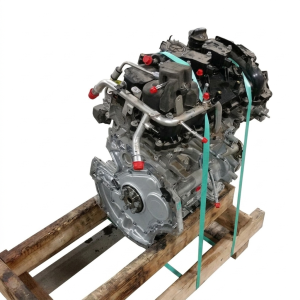
- Size and Weight: Verified shipping data shows this engine assembly weighs approximately 216 lbs and measures roughly 28" x 26" x 26" before crating.
- LTL Freight: It will ship via Less-Than-Truckload (LTL) freight strapped to a wooden pallet. It will arrive on a large semi-truck.
- Delivery Requirements: You must have a commercial address with a loading dock or forklift, or you must request a truck with a liftgate to lower the pallet to the ground.
- Inspect Before Signing: Always inspect the engine for physical damage (especially the fragile plastic oil pan and valve cover) before signing the driver's delivery receipt. Once you sign, you are accepting the condition.
- Pre-Purchase Verification: A reputable seller will conduct a pre-purchase verification interview to confirm your VIN, option code (L3T), and drivetrain (FWD vs. AWD) to ensure you are getting the exact correct variant.
Before the First Start: Priming and Fluids
A used engine has likely been sitting on a shelf for months. The oil has drained away from the moving parts. If you start the engine dry, the metal parts will scrape together and cause instant damage. You must prime the oil system (build oil pressure before starting) to protect your replacement engine.
Required Fluids
Always install a brand-new oil filter. You must also use the exact fluids required by General Motors for the 1.3L L3T engine:
- Engine Oil: Use fresh SAE 0W-20 full synthetic oil that meets the GM dexos1 Gen 3 specification.
- Engine Coolant: Use Dex-Cool antifreeze mixed 50/50 with clean, distilled water.
Oil Priming Procedure
Follow these steps to safely pump oil through the engine before it fires up:
- Fill the engine with the correct amount of fresh 0W-20 dexos1 oil.
- Fill the cooling system with Dex-Cool.
- Disable the fuel system so the engine cannot start. The easiest way is to remove the fuel pump fuse from the under-hood fuse box.
- Crank the engine (turn the key or hold the start button) for 10 to 15 seconds. The engine will spin but will not start.
- Stop cranking and wait 30 seconds. This gives the starter motor time to cool down so it does not overheat.
- Repeat this 10-to-15-second cranking process until the red low oil pressure light turns off on the dashboard. This tells you oil has reached the top of the engine.
- Reinstall the fuel pump fuse.
- Start the engine normally. Let it idle and immediately check underneath for any fluid leaks.
Frequently Asked Questions (FAQ)
Does a used 1.3L engine come with the turbocharger?
It depends on the seller. Many used engines are sold as "long blocks," which typically include the cylinder block, head, and internals, but may not include the turbocharger, intake manifold, or other accessories. Always confirm with the seller exactly what is included before purchasing.
Can I install this engine myself?
This is considered an advanced-to-expert level job. It requires specialized tools like camshaft and flywheel holders, a torque multiplier, and fuel injector seal tools. Most importantly, the mandatory electronic relearn procedures require a dealer-level GM GDS2 scan tool, making a complete DIY installation very difficult.
Do I need to swap any parts from my old engine?
Yes. You will almost always need to transfer external accessories like the A/C compressor, alternator, and starter. If the donor engine came from a vehicle with a different drivetrain (e.g., FWD donor into an AWD vehicle), you must transfer your original oil pan and specific mounting brackets to ensure proper fitment.
Is this engine reliable?
While the 1.3L L3T has several known issues documented in TSBs, many are addressable with updated parts or software. Major failures like head bolt issues or turbo failure appear to be less common but are significant when they occur. Adhering to a strict maintenance schedule (oil changes every 5,000-7,500 miles, air filter every 45,000 miles, spark plugs at 97,500 miles) is the single most critical factor for engine longevity.
Can I use a 1.2L engine instead since they look similar?
No. The 1.2L (option codes LIH/LBP) and 1.3L (L3T) engines are completely different designs and are not compatible. The 1.2L uses a wet timing belt and has different mounting points, wiring, and internal components. Attempting to swap them will not work.
Helpful Videos
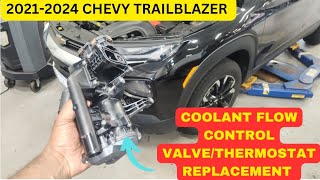

Technical Specifications
Engine Code: L3T; Displacement: 1.3L; Cylinders: Inline-3; Induction: Turbocharged; Fuel System: Gasoline Direct Injection (GDI); Family: General Motors E-Turbo / CSS Prime; VIN Digit (8th): L; Oil Type: 0W-20 synthetic (dexos1 Gen 3 or Gen 2); Oil Capacity: 4.5 Liters / 4.8 Quarts; Oil Filter: AC Delco PF66; Coolant Type: GM-approved Dex-Cool (50/50 pre-diluted); Spark Plugs: OEM-spec iridium (3 required); Shipping Weight: ~216 lbs; Shipping Dimensions: ~28" x 26" x 26"; Intercooler Cover Part No.: 85513002
We Have This Part in Stock

The information in this article is provided for general reference and educational purposes only. Vehicle specifications, procedures, and part compatibility can vary by production date, trim level, and region. Always consult your vehicle's factory service manual and verify part numbers before purchasing or performing repairs. Safety-critical components such as airbags, seat belts, and braking systems should be installed by a qualified professional.
- Chevrolet Trailblazer:
- Buick Encore GX:
- 🎬 Helpful Videos
- 🛍️ Shop This Part
- Part Identification & Verification
- How to Confirm Your Vehicle Has This Engine
- Common Failure Symptoms
- Diagnostic Flowchart
- Known Problems, Recalls, and Technical Service Bulletins (TSBs)
- Coolant Control Valve (CCV) Failure & Leaks
- Loose Cylinder Head Outer Bolts
- Turbocharger Underboost Condition
- Charge Air Cooler (Intercooler) Icing
- Camshaft Actuator Bolt Binding
- Excessive Engine Oil Consumption
- Fuel Leak from Fuel Rail
- Replacement Cost Comparison
- Installation Essentials & Common Mistakes
- Special Tools Required
- Key Installation Steps & Required Parts
- Programming and Calibration are Required
- What Fails at Every Mileage Band
- Under 60,000 Miles
- 60,000 - 100,000 Miles
- 100,000 - 150,000 Miles
- Real Owner Experiences
- Repair or Replace?
- Questions to Ask Your Installer
- Freight & Delivery Reality
- Before the First Start: Priming and Fluids
- Required Fluids
- Oil Priming Procedure
- Frequently Asked Questions (FAQ)
- 🎟️ Get 5% Off