

2016-2024 Camaro 6.2L LT1 V8: Engine Problems, Identification, and Used Replacement
Learn how to identify the Camaro LT1, diagnose common lifter and oil pump failures, and successfully install a used replacement engine.
- Verify the 8th digit of your VIN is '7' before ordering; engines from Corvettes or GM trucks are not direct-fit replacements due to different oiling systems and accessories.
- The high-pressure fuel pipe (GM P/N 12677002) is a single-use part and must be replaced during installation to prevent a dangerous, high-pressure fuel leak and fire hazard.
- After installation, a Crankshaft Position (CKP) System Variation Relearn procedure is mandatory using a GM-specific scan tool to prevent misfire codes and drivability issues.
- Common failure points include Active Fuel Management (AFM) lifters on automatic models, the variable-displacement oil pump, and defective valve springs on specific 2020 models.
- When swapping an engine between automatic and manual transmission cars, the pilot bearing must be correctly installed or removed using a proper puller to prevent damage to the torque converter or crankshaft.
Engine Identification: Is This the Right Part for Your Camaro?

The 2016-2024 Chevrolet Camaro SS uses the General Motors Gen V Small Block V8, engine code LT1. This is a 6.2-liter, naturally aspirated engine featuring direct injection. Direct injection is a fuel system where fuel is sprayed directly into the combustion chamber, which improves power and efficiency.
Confirming Your Vehicle's Engine
The easiest way to confirm your Camaro has this specific 6.2L LT1 engine is to check the 8th digit of your Vehicle Identification Number (VIN). The 8th digit must be a '7'. This engine is factory-paired with either an automatic or a manual transmission. You can also verify the engine by locating the serial number and trace code, which are laser-etched on a flat pad on the rear driver's side of the engine block, just above the oil pan rail near the bellhousing flange.
What Will Not Fit: Critical Interchange Mismatches
Many buyers make the mistake of assuming all GM 6.2L V8s are the same. The Camaro LT1 is unique and does not directly interchange with engines from other popular GM vehicles.
- Corvette (LT1/LT2): While they share the LT1 name, the Corvette engine uses a dry-sump oiling system, which means the oil pan, oil pump, and accessory drive components are different and will not fit a Camaro chassis without extensive modification. The standard Camaro SS uses a traditional wet-sump oiling system.
- GM Trucks & SUVs (L86/L87): The 6.2L engines found in vehicles like the Silverado and Sierra are built for low-end torque, not high-RPM power. They have different intake manifolds, water pumps, oil pans, and accessory drives that are not compatible with the Camaro.
Warning: Ordering an engine from a Corvette or a GM truck/SUV for your Camaro will result in an engine that does not fit and will not work without costly and complex modifications.
Is Your Camaro's Engine Failing? Common Symptoms
A failing LT1 engine can present several distinct symptoms. Paying attention to these signs can help you diagnose the problem before it becomes a catastrophic failure.
- Engine Ticking or Tapping Noise: A rhythmic ticking or tapping sound, especially when the engine is cold, often points to a failing lifter, a common issue in these engines.
- Misfires and Rough Idle: The engine may shake or run poorly at idle, often accompanied by a flashing Check Engine Light. This can be caused by a collapsed lifter, carbon buildup on intake valves, or a broken valve spring. The most common trouble code is P0300 (Random/Multiple Cylinder Misfire).
- Sudden Power Loss or Loud Noise: A sudden, loud bang followed by a significant loss of power and rough running could indicate a broken valve spring, a known issue for certain model years.
- Low Oil Pressure Warning: A persistent low oil pressure light or gauge reading can signal a failing variable-displacement oil pump. This is a critical issue that can lead to severe internal engine damage if not addressed immediately.
- Knocking or Difficult Rotation: This can point to crankshaft thrust bearing issues, which require immediate inspection.
Known 6.2L LT1 Engine Issues (2016-2024)

Several known issues and Technical Service Bulletins (TSBs) exist for the 6.2L LT1 engine. A TSB is a document issued by the manufacturer to help technicians diagnose and repair common problems.
Active Fuel Management (AFM) Lifter Failure
| Affected Models | Primarily models with automatic transmissions across all years. Manual transmission cars have the hardware physically installed, but it is disabled in the ECU. |
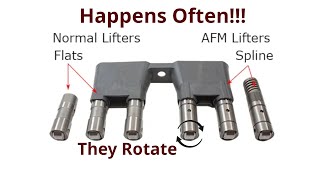
| Problem | Active Fuel Management (also called cylinder deactivation) shuts down half the engine's cylinders under light load to save fuel. The special lifters used for this system can fail, getting stuck or collapsing. This leads to ticking noises, misfires (P0300), and potential damage to the camshaft. |
| Solution | If a lifter fails, the recommended repair is to replace the valve lifter oil manifold and all lifters on the affected cylinder bank. Regular oil changes help prevent oil aeration, which contributes to this failure. If the camshaft lobe shows wear, the camshaft must also be replaced. |
| Official Document | GM Technical Service Bulletin #15-06-01-002N addresses this issue. |
Defective Valve Springs
| Affected Models | Certain 2020 Camaros built between June 1, 2020, and September 15, 2020. |
| Problem | A batch of valve springs was produced with a defect that could cause them to break. This can cause the engine to run rough, make a knocking noise, or stall. In a worst-case scenario, it can lead to catastrophic engine damage. |
| Solution | Dealers were instructed to inspect vehicles and replace all 16 valve springs if one is found broken to prevent catastrophic engine damage. |
| Official Document | This issue is referenced in GM documents N-202305940, TSB #PIP5752A, and TSB 20-NA-136. |
Variable-Displacement Oil Pump Failure
Warning: A low oil pressure warning is a critical symptom. Shut the engine off immediately to prevent catastrophic internal damage and have the vehicle towed for inspection.
| Affected Models | All production years, though early models (2017-2018) saw notable failure rates. |
| Problem | The internal stator of the variable-displacement oil pump can crack, causing an inability to build pressure. This leads to a sudden and catastrophic loss of oil pressure, which can quickly result in spun rod bearings. |
| Solution | Monitor oil pressure closely. If pressure drops, shut the engine off immediately. Replace the pump assembly to prevent engine destruction. | 🎬 See this step-by-step LT1 oil pump installation walkthrough
Intake Valve Carbon Buildup
| Affected Models | All direct-injection engines, including all 2016-2024 LT1s. |
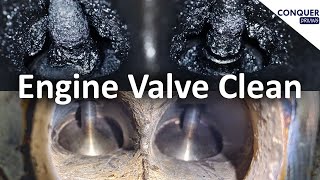
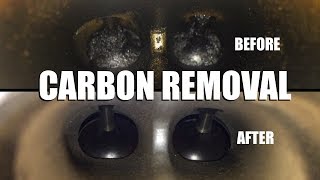
| Problem | Because fuel is injected directly into the cylinder, it no longer washes over the intake valves. Over time, oil vapor from the crankcase ventilation system can bake onto the valves, forming hard carbon deposits. This restricts airflow, causing misfires and a gradual loss of performance. |
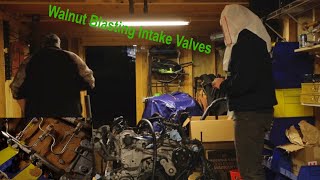
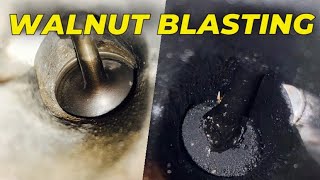
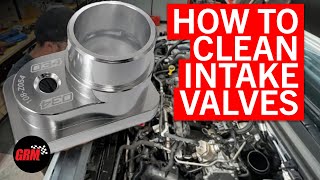
| Solution | The intake manifold must be removed and the valves cleaned, typically through a process called walnut blasting. 🎬 Watch: How to walnut blast your intake valves This service is recommended every 50,000 to 75,000 miles as preventative maintenance. |
Estimated Replacement Cost
Replacing a failed LT1 engine is a significant expense. Costs vary based on the type of replacement engine and local labor rates. Labor for an engine swap typically ranges from 12 to 20 hours.
| Part/Service Type | Estimated Cost (USD) | Notes |
|---|---|---|
| New (OEM Crate Engine) | $8,500 - $10,700 | Brand new engine from GM. Highest cost but comes with a manufacturer warranty. |
| Remanufactured (OEM) | $7,200 - $8,800 | Rebuilt to factory specifications, often with a third-party warranty. |
| Used (OEM) | $5,000 - $11,000 | A salvaged engine from a donor vehicle. Price depends heavily on mileage and condition. |
| Installation Labor | $1,800 - $3,600 | Shop labor rates can range from $110 to $150+ per hour. |
What's Included in a Used Engine Assembly?
When buying a used engine, it's important to know what parts are typically included. Most recyclers sell a "long block" assembly, which includes the core engine but not the accessories needed to make it run.
- Usually Included: Engine block, cylinder heads, valve covers, oil pan, intake manifold, throttle body, harmonic balancer, water pump, fuel injection system (including direct injectors and camshaft-driven high-pressure fuel pump), and all internally lubricated parts.
- Usually NOT Included: A/C compressor, starter, alternator, power steering pump, exhaust manifolds, engine wiring harness, and Engine Control Unit (ECU).
Diagnostic Flowchart
What Fails at Every Mileage Band
Pro Tip: The mileage bands below describe used replacement units of that mileage. The checklists are things to do WHILE INSTALLING the purchased engine, not maintenance for your current engine.
Under 60,000 Miles
Even low-mileage LT1 engines can experience sudden failures. Active Fuel Management (AFM) lifter failure can occur at very low mileage (under 30,000 miles) on automatic transmission models. Variable-displacement oil pump failures have also been reported as early as 2,500 to 6,000 miles. Additionally, 2020 models may have defective valve springs that can break prematurely.
- ✓Do during install (required): Replace all required single-use items (high-pressure fuel pipe GM P/N 12677002, TTY harmonic balancer bolt), gaskets (intake, exhaust), seals (front and rear crankshaft), fluids, and filters.
- ✓Do during install (recommended): Inspect the water pump for any signs of leaks or bearing play before installation.
60,000 - 100,000 Miles
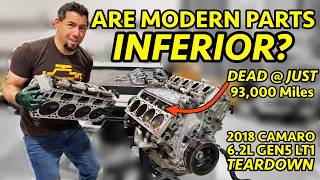
In this range, AFM lifter failure remains a well-documented risk. Teardowns of well-maintained engines have shown catastrophic lifter roller failures around 90,000 miles. Oil pump failures are still reported, often due to the internal stator cracking. Intake valve carbon buildup also becomes more pronounced, though it rarely causes major mechanical failure on its own.
- ✓Do during install (recommended): Proactive water pump and thermostat replacement. Perform a manual cleaning (walnut blasting) of the intake valves to remove carbon deposits while access is easy.
- ✓Cheap insurance while the engine is out: Proactively replace the variable-displacement oil pump with a new OEM unit (latest part number) to prevent a catastrophic failure.
100,000 - 150,000+ Miles
With proper maintenance (3,000 to 5,000-mile oil changes), the Gen V LT1 is durable, with many owners reaching 150,000 to 200,000 miles. However, AFM lifter failure remains the most significant threat for high-mileage automatic units with original lifters. General wear components like the timing chain and guides are also nearing the end of their expected service life.
- ✓Do during install (required): Mandatory replacement of the oil pump is recommended.
- ✓Do during install (recommended): Full refresh. Replace the timing chain, sprockets, and tensioner. Install a full seal and gasket kit, including the front cover seal and rear main seal.
- ✓Cheap insurance while the engine is out: AFM/DOD Delete. Replace the original AFM lifters and guide trays with high-quality standard (non-AFM) lifters. This requires a camshaft swap to a non-AFM profile and an ECU tune to disable the system.
Real Owner Experiences
| Source | Mileage | What Happened | Cost |
|---|---|---|---|
| 26,000 | AFM lifter failed, requiring the dealer to rebuild the top half of the engine under warranty. | Warranty | |
| CAMARO6 Forums | 2,650 | Owner of a 2018 model reported a complete oil pump failure. | Warranty |
| CAMARO6 Forums | 18,500 | A rod bearing imploded, destroying the entire engine. It was replaced with a new crate engine under warranty. | Warranty |
| I Do Cars (YouTube) | 93,000 | A destroyed roller lifter (AFM) caused catastrophic engine failure, despite a documented history of regular 5,000-mile oil changes. | N/A (Engine teardown analysis) |
| 80,000 | AFM lifter failure occurred after a period of poor maintenance by the previous owner. | Not specified | |
| CAMARO6 Forums | 56,000 | Needed fuel injector replacement on the left bank. | Not covered by warranty |
| 81,000 | Owner has used an AFM disabler since 22,000 miles and has had no issues. | N/A | |
| 225,000+ | A friend's 2018 2SS automatic is reported to be running without engine issues and without an AFM disabler. | N/A | |
| 134,000 | Owner had a heavily modified (cammed, tuned) but well-maintained engine that ran strong with no issues before the car was totaled. | N/A | |
| AutoWin | 173,000 | Journalist reports driving a fifth-gen SS (similar engine family) that felt 'eager and tight' at this mileage. | N/A |
| YouTube | 100,000 | Owner reports the original powertrain is strong, with the only major issues being a starter and a transmission problem (covered by warranty). Recommends routine maintenance. | N/A |
| 78,000 | Owner experienced catastrophic engine failure (dead cylinder 7) shortly after purchase and was seeking options. | Not specified | |
| Camaro6 Forum | Not specified | Owner was adding a supercharger and other bolt-ons and was quoted for a full engine rebuild by a third-party shop. | Over $40,000 in parts for progressive build |
| CorvetteBlogger | 71 | Owner's new Camaro broke down due to the known valve spring issue. The vehicle was at the dealership awaiting parts under warranty. | $0 (Warranty) |
| Camaro5 Forum | Not specified | Owner had all AFM lifters replaced for $3,700, but the same failure occurred again within 100 miles. | $3,700 |
Repair or Replace?

Deciding whether to repair your current LT1 or replace it with a used unit depends on the extent of the damage.
When Repair Makes Sense
- Active Fuel Management (AFM) Lifter Failure: If caught early before the collapsed lifter damages the camshaft, repair makes sense. The repair involves replacing all lifters, lifter guides, and potentially the Valve Lifter Oil Manifold (VLOM). Typical repair costs range from $2,500 to $4,000.
- Broken Valve Springs: If a spring breaks but the valve does not drop into the cylinder (which would cause piston or cylinder head damage), repair is viable. Per TSB #PIP5752A, all 16 springs should be replaced. Typical repair costs range from $800 to $1,500, with labor estimated at 5.2 hours.
- Intake Valve Carbon Buildup: This is a maintenance procedure, not a hard failure. Performing a walnut blast cleaning every 50,000 to 75,000 miles costs between $500 and $900 and prevents sticky valves.
When Replacement is Smarter
Replacement is the smarter option when a failure causes catastrophic damage. For example, if a dropped valve destroys a piston and cylinder head, or if a spun bearing due to oil pump failure contaminates the entire engine with metal debris. In these cases, the cost and complexity of machining the block, replacing the rotating assembly, and cleaning all oil passages often exceed the price of a quality used engine (which typically runs $5,000 to $11,000).
Questions to Ask Your Installer
- Have you worked on a Gen V LT1 engine before, and are you familiar with the specific procedures?
- Are you aware that the high-pressure fuel pipe is a single-use, torque-to-yield part that must be replaced?
- Do you have the GM-specific tools required, such as the high-pressure fuel line tool (EN-51146) and a GM MDI 2 scan tool for the relearn procedures?
- Will you be performing the mandatory Crankshaft Position (CKP) System Variation Relearn after installation to prevent misfire codes?
- How will you handle the pilot bearing if this engine is going into a manual transmission car (or vice-versa)?
- What is your procedure for thoroughly bleeding the cooling system to prevent air pockets?
- Can you provide a detailed, itemized quote that includes all necessary one-time-use parts, gaskets, seals, and fluids?
Key Installation Steps and Common Mistakes
Installing a replacement LT1 requires specialized tools and procedures. Mistakes during installation can lead to immediate failure or dangerous conditions. The DIY difficulty for this job is Expert.
Warning: The fuel pipe connecting the high-pressure pump to the fuel rail (GM P/N 12677002) is a single-use, torque-to-yield part. Reusing this pipe will cause a dangerous, high-pressure fuel leak and is a significant fire hazard.
Pro Tip: If you are installing an engine from an automatic transmission vehicle into a car with a manual transmission, you MUST install a new clutch pilot bearing (GM P/N 12557583) in the crankshaft. If swapping a manual engine into an automatic, you must remove the pilot bearing to prevent torque converter damage.
Warning: Do NOT use the old "bread trick" or grease to hydraulically press out a pilot bearing from the crankshaft. The Gen V LT1 crankshaft is hollow and sealed with a pressed-in steel oil galley plug. This method will force the plug into the oil pan, causing a massive internal oil leak and destroying the new engine.
Mandatory Reprogramming
After the engine is installed, several electronic procedures are required. These are not optional. A GM-compatible scan tool (such as GM MDI 2 with GDS2/SPS2 software) is necessary to perform a Crankshaft Position (CKP) System Variation Relearn, Throttle Body Idle Air Volume Relearn, Fuel Trim Reset, and Immobilizer/Security Relearn. Skipping the CKP relearn will cause the Check Engine Light to flash, set a P0300 misfire code, and disable the traction control system. Ignoring the security relearn will result in a crank-no-start condition.
Required Consumables and Tools
During installation, you will need Dexos1 Gen 2 or Dexos2/DexosR approved 0W-40 synthetic engine oil, an ACDelco PF64 oil filter, Dex-Cool pre-mixed 50/50 coolant, and 8 new OE-spec iridium spark plugs (ACDelco 41-114). Special tools required include an engine hoist and load leveler, subframe adapter/cradle support, fuel injector seal installer/sizer tool (GM P/N EN-51105), crankshaft balancer installer (GM P/N EN-51112), and a torque-angle meter.
Freight and Delivery Reality

When ordering a used 6.2L LT1 engine, it will not arrive in a standard cardboard box. This assembly weighs approximately 560 pounds and measures roughly 40" x 32" x 36" before crating. It ships as LTL (Less Than Truckload) freight on a wooden pallet. Because of its size and weight, delivery requires a truck equipped with a liftgate or a facility with a forklift. Always inspect the engine thoroughly for any shipping damage before signing the delivery receipt.
Pre-Purchase Verification
Before ordering, verify the following on your vehicle:
- Confirm the 8th digit of your vehicle's VIN is '7'.
- Confirm your transmission type (manual swaps require sourcing a pilot bearing and manual flywheel).
- Verify your oiling system type. The standard SS is wet-sump, but 1LE packages may feature a dry-sump system requiring oil pan and pump transfers.
Arrival Inspection: Compression and Leak-Down
When your used engine arrives, test the cylinder health before installing it. A compression test measures the pressure inside each cylinder. All eight cylinders should have similar pressure readings. The highest and lowest readings must be within 15 percent of each other. A healthy LT1 engine usually shows between 150 and 180 PSI (pounds per square inch) per cylinder.
You should also perform a leak-down test. This test pumps compressed air into the cylinder to see how much air escapes. A good used engine should have less than 15 percent air leakage in each cylinder. If air leaks heavily out of the exhaust or intake, the valves are not sealing properly.
Before the First Start: Fluids and Priming
Never start a used engine dry. A replacement engine has been sitting, and all the oil has drained into the bottom pan. You must prime the oil system to push fresh oil to the top of the engine before it fires up.
Follow these steps to safely start your replacement engine:
- Add Fresh Oil and Filter: Install a new, high-quality oil filter. Fill the engine with fresh oil. The Camaro LT1 requires full synthetic oil that meets the GM Dexos1 Gen 3 standard (usually 5W-30). If the car is used for track driving, GM recommends 0W-40 oil meeting the DexosR standard.
- Add Fresh Coolant: Fill the cooling system with fresh Dex-Cool antifreeze. This is the factory orange coolant. Use a 50/50 mix of Dex-Cool and distilled water.
- Disable the Fuel System: Remove the fuel pump fuse from the fuse box. This stops fuel from entering the engine so it will not start. Alternatively, you can press the gas pedal all the way to the floor and hold it there. This puts the computer into "clear flood mode," which turns off the fuel injectors.
- Crank the Engine: Turn the key or press the start button to crank the engine for 10 to 15 seconds. Watch the oil pressure gauge on the dashboard. Stop and let the starter motor cool down for one minute.
- Repeat Until Pressure Builds: Crank the engine again for 10 to 15 seconds. Repeat this process until you see the oil pressure gauge move up. This proves oil is flowing through the engine.
- Start the Engine: Put the fuel pump fuse back in (or release the gas pedal). Start the engine normally. Listen closely for any loud knocking noises and check for fluid leaks.
Frequently Asked Questions (FAQ)
Do I need to reprogram my car's computer (ECU)?
Yes. At a minimum, a Crankshaft Position (CKP) Relearn procedure must be performed with a GM-compatible scan tool. This synchronizes the engine sensors with the computer. An immobilizer/security relearn is also necessary to allow the car to start.
Can I use a 6.2L engine from a Corvette or Silverado truck?
No. The Camaro LT1 has a specific wet-sump oiling system, intake manifold, and accessory spacing. Engines from Corvettes (dry-sump) and trucks (L86/L87) have different physical dimensions and components that make them incompatible without major modifications.
What engine oil should I use after installation?
Use a full synthetic 0W-40 engine oil that is approved for Dexos1 Gen 2, Dexos2, or DexosR specifications. Always use a new ACDelco PF64 oil filter.
Is the 6.2L LT1 a direct injection engine?
Yes. This technology improves performance but makes the engine susceptible to carbon buildup on the intake valves over time, which may require periodic cleaning (walnut blasting) every 50,000 to 75,000 miles.
How do I remove the pilot bearing if swapping transmissions?
You must use a proper mechanical bearing puller. Never use the hydraulic "bread trick" or grease method. The Gen V LT1 crankshaft has a hollow center with a pressed-in steel oil galley plug. Hydraulic force will push this plug into the oil pan, causing a massive oil leak.
Helpful Videos
Technical Specifications
OEM Part Numbers: 12677002 12557583 41-114 PF64
Engine Code: LT1; Displacement: 6.2 Liters; Aspiration: Naturally Aspirated; Fuel System: Direct Injection; Block: General Motors Gen V Small Block V8; VIN Digit 8: 7; Oiling System (Camaro SS): Wet-Sump; Weight: ~560 pounds; Shipping Dimensions: ~40" x 32" x 36"
We Have This Part in Stock


The information in this article is provided for general reference and educational purposes only. Vehicle specifications, procedures, and part compatibility can vary by production date, trim level, and region. Always consult your vehicle's factory service manual and verify part numbers before purchasing or performing repairs. Safety-critical components such as airbags, seat belts, and braking systems should be installed by a qualified professional.
- Chevrolet Camaro:
- 🎬 Helpful Videos
- 🛍️ Shop This Part
- Engine Identification: Is This the Right Part for Your Camaro?
- Confirming Your Vehicle's Engine
- What Will Not Fit: Critical Interchange Mismatches
- Is Your Camaro's Engine Failing? Common Symptoms
- Known 6.2L LT1 Engine Issues (2016-2024)
- Active Fuel Management (AFM) Lifter Failure
- Defective Valve Springs
- Variable-Displacement Oil Pump Failure
- Intake Valve Carbon Buildup
- Estimated Replacement Cost
- What's Included in a Used Engine Assembly?
- Diagnostic Flowchart
- What Fails at Every Mileage Band
- Under 60,000 Miles
- 60,000 - 100,000 Miles
- 100,000 - 150,000+ Miles
- Real Owner Experiences
- Repair or Replace?
- When Repair Makes Sense
- When Replacement is Smarter
- Questions to Ask Your Installer
- Key Installation Steps and Common Mistakes
- Mandatory Reprogramming
- Required Consumables and Tools
- Freight and Delivery Reality
- Pre-Purchase Verification
- Arrival Inspection: Compression and Leak-Down
- Before the First Start: Fluids and Priming
- Frequently Asked Questions (FAQ)
- 🎟️ Get 5% Off