

2004-2009 Cadillac SRX Windshield: Identifying Rain Sensor and Acoustic Glass Options
This guide explains the critical differences in windshield glass for the first-generation SRX, helping you choose the correct used part by identifying features like rain sensors and acoustic sound-deadening.
- You must verify if your SRX has a rain sensor and/or acoustic glass before purchasing a replacement windshield.
- Windshield replacement is not a DIY job; professional installation is required for safety and to prevent leaks.
- Water leaks in the front cabin may be caused by clogged sunroof drains, not necessarily a bad windshield seal.
- A used OEM windshield is a good option if it is carefully inspected for delamination, scratches, and hidden damage.
Variant Differences: The Key to Compatibility

When replacing the windshield on a 2004-2009 Cadillac SRX, you must identify which features your vehicle has. Installing the wrong glass can lead to non-functional wipers, increased road noise, or wasted money. The two primary options to verify are the rain sensor and the acoustic interlayer.
Rain Sensor (RPO Code CE1)
The rain sensor automatically activates the windshield wipers when it detects moisture. It is mounted to the inside of the windshield, near the rearview mirror.
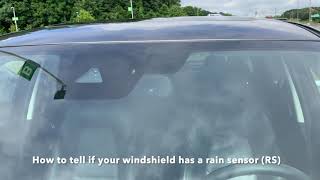
- How to Identify: Look at the windshield from the outside, in the area behind the rearview mirror. A vehicle with a rain sensor will have a square or circular lens or a gel-pack-like box attached directly to the glass. The wiper control stalk inside the car will also typically have an "Auto" setting. 🎬 Watch this guide to identify if your windshield has a rain sensor.
- Part Number Impact: Windshields designed for rain sensors have a specific mounting bracket pre-installed from the factory. The NAGS part number DW01530GBY indicates a windshield with these attachments, while DW01530GB does not.
Pro Tip: If you are unsure, take a clear photo of the area around your rearview mirror (from both inside and outside) and compare it to images of SRX models with and without the feature. The presence of a blacked-out area with a visible sensor module is the key giveaway.
Acoustic Glass (PAAS)
Higher trim levels of the SRX were equipped with acoustic laminated glass. This windshield has a special layer of sound-absorbing vinyl between the two layers of glass, designed to reduce wind and road noise in the cabin. This feature is sometimes referred to as Passive Acoustic or by the RPO code A26.
- How to Identify: Identifying acoustic glass can be tricky. Sometimes, the manufacturer's logo on the glass will include an 'A', 'Acoustic', or a small ear symbol. If this marking is not present, you may need to rely on the vehicle's original build sheet or compare part numbers.
Symptoms of Failure

Windshield issues are typically visual and easy to spot. However, some symptoms can be less obvious.
- Cracks and Chips: The most common failure. Small chips can often be repaired, but cracks, especially those in the driver's line of sight, usually require a full replacement.
- Water Leaks: A musty smell, damp carpets, or visible water dripping from the headliner or dashboard are signs of a failed windshield seal. This is often caused by a poor installation from a previous replacement.
- Wind Noise: A sudden increase in wind noise from the front of the cabin can indicate a problem with the urethane seal around the glass.
- Delamination: A milky or hazy appearance around the edges of the windshield indicates that the layers of glass are separating from the inner vinyl layer. This compromises the structural integrity and cannot be repaired.
- Distorted Vision: Wavy or distorted areas in the glass, often from cheap aftermarket replacements, can cause eye strain and headaches.
Known Issues, Recalls, and Technical Service Bulletins (TSBs)

While there are no specific recalls or widespread TSBs directly for the windshield glass on the 2004-2009 SRX, water leaks are a commonly reported issue for this vehicle generation. These leaks are often attributed to clogged or disconnected sunroof drain tubes that can mimic a windshield leak by allowing water to travel down the A-pillars (the pillars on either side of the windshield). Before assuming a windshield seal has failed, it is crucial to inspect and clear the sunroof drains if your vehicle is so equipped.
Warning: While numerous recalls were issued for the 2004-2009 SRX, none pertain directly to the windshield itself. Recalls covered issues like airbags, ignition switches, and suspension components.
Buying a Used 2004-2009 SRX Windshield

A used OEM windshield can be an excellent value, offering the same acoustic properties and precise fit as a new one at a lower cost. However, careful inspection is critical.
- Verify Features: First and foremost, confirm the donor vehicle has the same features as yours—specifically the rain sensor bracket. Take your old windshield or clear photos with you to compare.
- Inspect for Delamination: Carefully examine the edges of the glass. Reject any windshield that shows a milky, white, or bubbly appearance, as this is a sign of delamination and cannot be fixed.
- Check for Scratches: Run your hand over the entire surface. Pay close attention to the area that will be in the driver's direct line of sight. Deep scratches or heavy pitting from sand and road debris can be distracting, especially when driving into the sun or at night.
- Look for Hidden Damage: Inspect the glass under different lighting angles to reveal any fine cracks or repaired chips. A previously repaired chip can sometimes fail and begin to crack after installation.
- Ask About the Removal: Ask the recycler how the glass was removed. A windshield removed carefully with proper tools is less likely to have hidden stress fractures than one that was cut out hastily.
Replacement Cost & Difficulty
Windshield replacement is not a DIY-friendly job. It requires specialized tools, strong adhesives (urethane), and precision to ensure a watertight, structurally sound installation. An improper installation can lead to dangerous leaks, failed airbag deployment, and reduced structural integrity. Always have a professional auto glass technician perform the installation.
| Item | Cost Estimate |
|---|---|
| New OEM (Dealer) | $800 - $1200+ (part only) |
| New Aftermarket | $250 - $500 |
| Used OEM (Recycled) | $150 - $350 |
| Shop Labor/Installation | $150 - $300 |
Note: Prices are estimates and can vary based on location, glass features, and the installer. Aftermarket glass may not have the same acoustic properties as the OEM version.
Frequently Asked Questions (FAQ)
Can I use a windshield from a model without a rain sensor if my car has one?
No. The rain sensor module needs a specific bracket that is bonded to the glass from the factory. While a technician could attempt to transfer the old bracket, it often results in a weak bond, and the sensor may not function correctly or could fall off.
What is the difference between OEM and aftermarket windshields for the SRX?
OEM (Original Equipment Manufacturer) windshields are made by the same company that supplied GM for the factory line. They guarantee a perfect fit and, if your car had it originally, the acoustic interlayer for sound reduction. Aftermarket glass is made by third-party companies. While it meets federal safety standards, it may differ in thickness, clarity, and acoustic properties, potentially leading to more wind noise.
My windshield is leaking. Does it need to be replaced?
Not always, but usually. If the leak is from a failed urethane seal from a previous replacement, the only proper fix is to remove the windshield, clean all surfaces, and reinstall it with a new seal. In some rare cases, a small gap can be sealed, but this is not a permanent solution. First, confirm the leak isn't from a clogged sunroof drain.
Is a small crack in the windshield dangerous?
Yes. A windshield provides up to 30% of a vehicle's structural strength. A crack compromises this integrity, making the car less safe in a rollover or collision. It can also interfere with passenger airbag deployment. Many states also have laws against driving with cracks in the driver's field of vision.
Helpful Videos
Technical Specifications
OEM Part Numbers: 25759467 25919738 25803988 15879005
NAGS Codes: DW01530GB (Standard), DW01530GBY (With Rain Sensor Bracket). Material: Laminated safety glass, optional acoustic interlayer.

The information in this article is provided for general reference and educational purposes only. Vehicle specifications, procedures, and part compatibility can vary by production date, trim level, and region. Always consult your vehicle's factory service manual and verify part numbers before purchasing or performing repairs. Safety-critical components such as airbags, seat belts, and braking systems should be installed by a qualified professional.
- Cadillac SRX:
- 🎬 Helpful Videos
- Variant Differences: The Key to Compatibility
- Rain Sensor (RPO Code CE1)
- Acoustic Glass (PAAS)
- Symptoms of Failure
- Known Issues, Recalls, and Technical Service Bulletins (TSBs)
- Buying a Used 2004-2009 SRX Windshield
- Replacement Cost & Difficulty
- Frequently Asked Questions (FAQ)
- 🎟️ Get 5% Off