

2017-2024 Tesla Model 3 & Model Y Window Regulator: Noises, Failures, and Part Number Guide
Diagnose a failing window, understand the different part numbers, and learn how to choose the right used replacement for your Tesla.
- The most common sign of failure is a loud grinding or crunching noise from inside the door, indicating the internal cable is damaged.
- After replacement, a window calibration via the vehicle's touchscreen Service Mode is mandatory for proper operation.
- A 2022 recall (NHTSA 22V-702) for the window's anti-pinch feature was fixed by a software update and is unrelated to mechanical regulator failure.
- Model 3 and Model Y use different part numbers (1495510-series for Model 3, 1526800-series for Model Y); you must verify the correct number before buying.
Symptoms of a Failing Window Regulator

A failing window regulator in a 2017-2023 Tesla Model 3 or 2020-2024 Tesla Model Y will almost always provide audible or visible warning signs before it fails completely. Recognizing these symptoms early can prevent the window from getting stuck open or falling inside the door.
- Grinding or Crunching Noises: This is the most common and definitive symptom. A noise often described as "crunching potato chips" or grinding plastic comes from inside the door when the window is moving. This is caused by the regulator's internal steel cable fraying, kinking, or bunching up inside the mechanism.
- Slow or Stuttering Movement: The window may move much slower than usual or operate in a jerky motion. This can indicate the motor is straining to overcome resistance from a damaged or binding cable and pulley system.
- Window Reversing on Its Own: The window may travel partway up and then automatically reverse and go back down. While this can sometimes be a calibration issue, it can also happen when the regulator's anti-pinch sensor detects excessive resistance from a failing mechanism and interprets it as an obstruction.
- Window Drops or Won't Stay Up: In a case of complete failure, the window may suddenly drop down inside the door and will not stay in the closed position. This occurs when the cable snaps or a critical plastic guide breaks, disconnecting the glass from the lifting mechanism.
- Crooked or Misaligned Glass: If the window tilts forward or backward as it moves, it suggests a failure in one of the regulator's lift points. This can cause the glass to bind in its tracks and may prevent the door from closing properly if the glass hits the surrounding trim.
Pro Tip: Before assuming the regulator is broken, try recalibrating the windows. Many minor issues on Teslas, like incorrect travel limits or auto-up/down failure, can be caused by the system losing its position memory. Calibration can be done through the vehicle's touchscreen in Service Mode.
Known Issues, Recalls, and Technical Service Bulletins (TSBs)

While mechanical failure of the regulator is common, it's important to distinguish it from software-related issues.
NHTSA Recall 22V-702: Window Automatic Reversal System
In September 2022, Tesla issued a recall for over one million vehicles, including 2017-2022 Model 3 and 2020-2022 Model Y cars, because the window's automatic reversal system might not react correctly to an obstruction. A closing window could exert excessive force before retracting, increasing the risk of a pinching injury.
Important: This recall was addressed with a free over-the-air (OTA) software update (version 2023.2.12 or later) and does not involve replacing any physical parts. If you experience issues with the window's pinch protection, first ensure your vehicle's software is up to date before diagnosing a mechanical fault with the regulator.
Loose Wiring Harness
In some Model Y vehicles, a loose wiring harness inside the door can cause a variety of electrical issues. This may include the window not working correctly and the door latch failing to operate, as the car might receive a false "collision" or "door open" signal. If you are experiencing both window and door latch problems simultaneously, the wiring harness should be inspected before replacing the regulator.
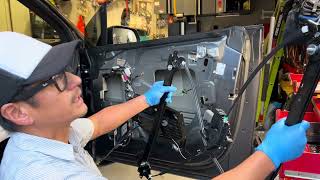
🎬 See how Tesla Mobile Service diagnoses door and window malfunctionsBuying a Used Window Regulator: What to Check

A used OEM window regulator is an excellent, cost-effective alternative to an expensive new part, and often a better choice than a new aftermarket part which may have fitment issues with the frameless glass. Here’s what to inspect to ensure you get a good part.
Compatibility and Part Numbers
Tesla uses different part numbers for different door locations and has updated them over time. The initial prompt noted a warning for Model Y fitment, and research confirms different part numbers are in use.
- Model 3 Part Numbers: The primary part number series appears to be 1495510-XX-X. For example, 1495510-00-G is a confirmed number for a front left regulator. The letters at the end typically denote revisions, with later letters in the alphabet representing newer versions.
- Model Y Part Numbers: The primary part number series appears to be 1526800-XX-X. For example, 1526800-00-F is a confirmed number for a front left regulator.
Warning: Always verify the part number from your original regulator before purchasing a replacement. While the Model 3 and Model Y share a platform, these key part numbers are different. You must match the part number to your specific vehicle and door location (e.g., front left, rear right).
Physical Inspection Checklist
- Inspect the Cables: This is the most critical check. Look closely at the steel cables where they enter and exit the motor housing and wrap around the pulleys. The cables should be smooth and tightly wound. Reject any regulator that shows signs of fraying, kinking, or bird-caging (where the cable strands have unraveled and bunched up).
- Check the Pulleys and Plastic Guides: Ensure all plastic pulleys are intact, free of cracks, and spin freely. Inspect the plastic guides that attach to the window glass clamps; they should be solid and not show stress marks or fractures.
- Examine the Motor: Check the electrical connector for any corrosion or bent pins. The motor housing should be free of cracks or significant damage.
- Confirm Smooth Movement: If possible, gently move the window mounting brackets along the rails. The movement should be smooth, without any binding or grinding.
| Part Type | Estimated Cost | Notes |
|---|---|---|
| New OEM | $165 - $275 | Purchased directly from Tesla. Price is for the part only. |
| New Aftermarket | $75 - $150 | Brands like TRQ are available, but fit and function with frameless windows can be a concern. |
| Used OEM | $80 - $120 | A common and cost-effective repair option. Prices vary by salvage yard and condition. |
| Shop Labor | $115 - $250 | Tesla's flat rate time is approximately 0.6 hours. Independent shop rates may vary. |
Replacement Overview & Difficulty
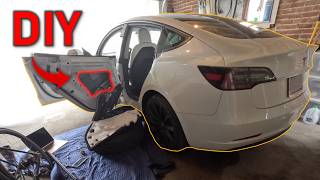
Replacing the window regulator on a Model 3 or Model Y is a moderately difficult job that a skilled DIYer can accomplish in about two hours.
- Difficulty Rating: 3 out of 5
- Key Steps: The process involves removing the door trim panel, the inner belt seal, and the speaker. The entire inner door module (which includes the regulator) is then unbolted and removed as an assembly. The glass must be carefully unbolted from the old regulator and transferred to the new one.
- Special Tools: Basic hand tools are required, including Torx bits (T30) and sockets (8mm, 10mm).
Pro Tip: Mandatory Window Calibration: After installing the new regulator, you must perform a window calibration. This procedure is done through the vehicle's touchscreen in Service Mode (access code: "service"). The calibration teaches the car the window's upper and lower limits, ensures proper sealing, and enables the auto-up/down and anti-pinch features. Failure to calibrate will result in improper window operation.
Frequently Asked Questions (FAQ)
Can I just replace the motor or the cable?
No, the window regulator, motor, and cables are sold as a single, integrated assembly from Tesla. You cannot purchase the individual components separately. The entire unit must be replaced.
My window makes a squeaking noise against the rubber seal. Is that the regulator?
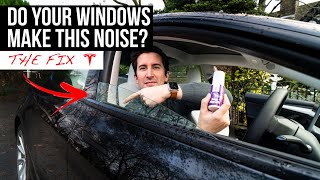
A squeaking or scraping noise is typically not the regulator. This is a common issue caused by the glass rubbing against dry or dirty rubber door seals. This can usually be fixed by thoroughly cleaning the seals and applying a silicone or rubber care lubricant. A failing regulator makes a distinct mechanical grinding or popping sound.
Why does my window go down slightly when I open the door but not go back up when I close it?
This is a classic symptom of a window calibration issue. The car has lost track of the window's exact position. First, try running the window calibration procedure through the Service Menu. If the problem persists, it could be an early sign of a failing regulator motor or a wiring issue.
Is it safe to drive with a broken window regulator?
Yes, the car is mechanically safe to drive. However, a broken regulator can leave the window stuck in the down position, creating a security risk and exposing the interior to weather. It is recommended to get it repaired promptly.
Helpful Videos
Technical Specifications
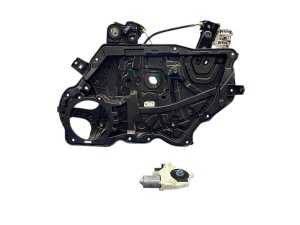
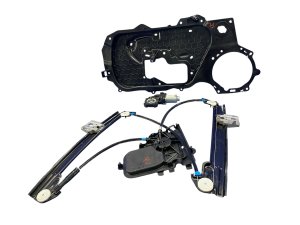
OEM Part Numbers: 1495510 1495510-00-C 1495510-00-D 1495510-00-E 1495510-00-G 1526800-00-F 1526800-00-G 1096621-00-L
Cable-driven electric window regulator and motor assembly. Requires post-installation calibration via vehicle software.
We Have This Part in Stock

The information in this article is provided for general reference and educational purposes only. Vehicle specifications, procedures, and part compatibility can vary by production date, trim level, and region. Always consult your vehicle's factory service manual and verify part numbers before purchasing or performing repairs. Safety-critical components such as airbags, seat belts, and braking systems should be installed by a qualified professional.
- Tesla 3:
- Tesla Y:
- 🎬 Helpful Videos
- 🛍️ Shop This Part
- Symptoms of a Failing Window Regulator
- Known Issues, Recalls, and Technical Service Bulletins (TSBs)
- NHTSA Recall 22V-702: Window Automatic Reversal System
- Loose Wiring Harness
- Buying a Used Window Regulator: What to Check
- Compatibility and Part Numbers
- Physical Inspection Checklist
- Replacement Overview & Difficulty
- Frequently Asked Questions (FAQ)
- 🎟️ Get 5% Off