

VW & Audi Wheel Fitment Guide (1998-2022): Passat, Golf, Jetta, A3, A4 & More
This guide clarifies the critical differences in bolt patterns, center bores, and offsets for wheels on popular VW and Audi models, ensuring you buy the right part.
- Verify your bolt pattern and center bore before buying. Older VWs (Mk4) use 5x100, while most newer VWs and Audis use 5x112.
- Audi A4 models often use a larger 66.5mm center bore, while most VWs and the Audi A3 use a 57.1mm bore. They are not directly interchangeable.
- Never use a wheel with a visible crack or one that has been welded. This is a major safety risk.
- When inspecting a used wheel, have it spun on a balancer to check for hidden bends that cause vibrations.
Critical Compatibility: Not All VW/Audi Wheels Are Interchangeable
Warning: The single biggest mistake when buying a wheel for these vehicles is assuming they all fit. Volkswagen and Audi used two different bolt patterns and two primary center bore sizes across these models. Installing a wheel with the wrong specifications is unsafe and can lead to vibrations, component damage, or the wheel coming off while driving.
Before purchasing a wheel, you must verify three key specifications for your exact vehicle year and model: Bolt Pattern, Center Bore, and Offset. This guide will help you identify the correct specifications for your car.
Vehicle Platform & Wheel Specification Chart
The vehicles covered in this guide fall into several distinct platforms, each with unique wheel requirements. Find your vehicle in the table below to determine its correct specifications.
| Platform / Vehicle Group | Bolt Pattern (PCD) | Center Bore | Common Models & Years |
|---|---|---|---|
| VW Mk4 Platform | 5x100 mm | 57.1 mm | 1999-2006 Golf/GTI, 1999-2005 Jetta, 2001-2010 Beetle. |
| VW B5/B5.5 Platform | 5x112 mm | 57.1 mm | 1998-2005 Passat. |
| VW PQ35 / PQ46 Platforms | 5x112 mm | 57.1 mm | 2006-2014 Golf/GTI/Jetta, 2006-2022 Passat (most), 2009-2017 CC, 2007-2016 Eos, 2006-2013 Audi A3. |
| Audi B8 Platform | 5x112 mm | 66.5 mm / 66.6 mm | 2007-2014 Audi A4. |
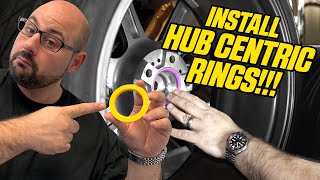
Pro Tip: You can install a wheel with a larger center bore (e.g., a 66.5mm Audi A4 wheel) onto a vehicle with a smaller hub (e.g., a 57.1mm VW Passat) by using hub-centric rings. However, you can NEVER install a wheel with a smaller center bore onto a hub that is larger.
Symptoms of a Bad or Damaged Wheel
- Vibration or Shaking: A bent wheel is the most common cause of vibrations that are felt in the steering wheel or through the seat, especially at highway speeds. This indicates the wheel is out of round.
- Constant Air Loss in Tire: A slow, persistent leak that can't be traced to the tire valve stem or a puncture is often caused by a hairline crack in the wheel. These cracks frequently form on the inner barrel of the wheel where they are not easily visible.
- Visible Damage: Obvious signs include curb rash (scraping on the outer lip), peeling or flaking of the clear coat, corrosion (especially on machined-face wheels), and visible bends or cracks.
- Wheel Bearing Noise on Audi A3: On the 2006-2013 Audi A3, a failing wheel bearing can rust and expand, pushing its integrated magnetic reluctor ring into the ABS speed sensor. This causes ABS/ESP warning lights and a grinding noise, requiring replacement of both the bearing and the sensor. 🎬 Watch: Diagnose and replace a noisy VW wheel bearing While not a wheel failure itself, it's a common issue in the wheel hub assembly.
Known Issues, Recalls, and TSBs
While there are no widespread recalls specifically for cracked wheels on these models, some issues are common:
- Corrosion on Machined-Face Wheels: Wheels with a machined aluminum face and clear coat are prone to corrosion. If the clear coat gets chipped by a stone or curb, moisture gets underneath and causes the aluminum to oxidize, creating a milky or spiderweb-like appearance.
- Takata Airbag Recalls: Several models, including the 2006-2007 Passat and 2012-2014 Passat, are affected by recalls for Takata airbag inflators. This is unrelated to the wheels but is a critical safety check for any owner.
- Wheel Bearing Bolt Recall: A small number of 2021 VW Passat and Atlas models were recalled for improperly tightened front wheel bearing bolts, which could cause noise or loss of wheel control.
Always check the NHTSA database with your vehicle's VIN for any open recalls.
Buying a Used OEM Wheel: A Detailed Inspection Guide
Buying a used OEM wheel is an excellent way to save money, but a thorough inspection is crucial to avoid buying a dangerous part. 🎬 Watch: Top 5 things to check when buying used wheels Here’s what to check:
- Check for Cracks: This is the most critical safety check. Using a bright light, inspect the entire wheel, front and back. Pay extremely close attention to the inner barrel and where the spokes meet the rim. Hairline cracks can be very hard to see. A cracked alloy wheel cannot be safely repaired and must be discarded.
- Check for Bends: Lay the wheel on a flat surface to check for obvious wobbles. The best method is to have a tire shop spin it on a wheel balancer. This will reveal any bends in the inner or outer lip that aren't visible to the naked eye. A minor bend can often be repaired, but a severe one compromises the wheel's structure.
- Look for Previous Repairs: Be suspicious of fresh paint in one specific area or any signs of welding on the back of the wheel. A welded alloy wheel is significantly weaker at the repair point and is not safe for road use.
- Inspect Cosmetic Condition: Check for deep curb rash, which can hide cracks. Look for peeling clear coat and corrosion. While cosmetic, these issues can be expensive to fix if you want the wheel to match the others on your car.
- Verify Part Numbers and Specs: The part number, size (e.g., 16x7), and offset (e.g., ET45) are usually stamped on the back of the spokes or hub mounting pad. Cross-reference these with the chart above to ensure it's correct for your car.
Understanding Wheel Specifications
- Bolt Pattern (PCD): This is the diameter of an imaginary circle formed by the centers of the wheel's lug bolts. A 5x100 wheel has 5 lugs on a 100mm circle, while a 5x112 wheel has 5 lugs on a 112mm circle. They are not interchangeable.
- Center Bore: This is the large hole in the center of the wheel that fits over the vehicle's hub. A snug, hub-centric fit is critical for preventing vibrations. VW/Audi use 57.1mm and 66.5mm bores.
- Offset (ET): Measured in millimeters, offset is the distance from the wheel's mounting surface to its centerline. An incorrect offset can cause tires to rub on the fenders or suspension, and it increases stress on wheel bearings. It's best to stay within a few millimeters of the factory offset.
OEM vs. Aftermarket Wheels
OEM (Original Equipment Manufacturer) wheels are designed and tested by the vehicle manufacturer for a specific model. They are typically made using gravity or low-pressure casting, offering a good balance of strength and cost. A used OEM wheel is often a better choice than a cheap new aftermarket wheel because its quality and durability are known.
Aftermarket wheels vary wildly in quality. Cheap, unbranded replica wheels may be more brittle, have poor-quality finishes that corrode quickly, and may not meet the same safety standards as OEM wheels. Reputable aftermarket brands, however, may offer wheels that are lighter and stronger than OEM by using advanced manufacturing like flow-forming or forging.
Wheel Refinishing and Color Matching
Wheels do not use the vehicle's body paint code. They have specific finishes like 'Hyper Silver', 'Gunmetal', or 'Machined Face'. Matching a finish perfectly can be difficult. Professional wheel refinishing is the best option for repairing cosmetic damage.
- Curb Rash Repair: $75 - $150 per wheel.
- Full Refinishing (Stripping and Powder Coating): $100 - $200 per wheel.
Replacement Overview & Torque Specs
Replacing a wheel is a straightforward task, but doing it correctly is vital for safety.
- Loosen the lug bolts slightly while the car is on the ground.
- Safely lift the vehicle and support it with jack stands.
- Remove the lug bolts and the wheel.
- Mount the new wheel, ensuring it sits flush against the hub.
- Thread in the lug bolts by hand to prevent cross-threading.
- Snug the bolts in a star or cross pattern.
- Lower the vehicle until the tire just touches the ground.
- Using a torque wrench, tighten the lug bolts to the final specification in the same star pattern. Most vehicles on this list require 88-90 ft-lbs (120 Nm).
- After driving about 50 miles, re-check the torque on all lug bolts.
Warning: These vehicles use lug bolts, not lug nuts. OEM wheels typically require a ball seat lug bolt, while many aftermarket wheels require a cone seat bolt. Using the wrong type of seat will prevent the wheel from being secured properly.
Cost Comparison
| Item | Estimated Cost | Notes |
|---|---|---|
| New OEM Alloy Wheel | $250 - $600+ | Price varies significantly by size and style. |
| New Aftermarket Alloy Wheel | $125 - $400+ | Quality and price vary widely by brand. |
| Used OEM Alloy Wheel | $75 - $250 | A cost-effective option, but requires careful inspection. |
| New OEM Steel Wheel | $60 - $120 | A basic, durable option. |
| Wheel Repair (Bend) | $100 - $175 | For minor bends only. |
| Wheel Repair (Cosmetic) | $75 - $150 | For curb rash and scratches. |
| Shop Labor (Swap Wheel) | $25 - $50 | Includes mounting and balancing if a tire is being swapped. |
Frequently Asked Questions
Can I use an Audi A4 wheel on my VW Passat?
No, not without modification. While both may have a 5x112 bolt pattern, the 2007-2014 Audi A4 uses a larger 66.5mm center bore, while the Passat uses a 57.1mm hub. To make it fit, you would need to use hub-centric adapter rings (66.5mm to 57.1mm). Without these rings, the wheel will not be centered and will cause severe vibrations.
What happens if I use the wrong offset?
Using a wheel with an offset that is too low (more negative) will push the wheel outward, risking rubbing on the fender. An offset that is too high (more positive) will tuck the wheel inward, risking contact with suspension components like the strut or control arms. Both scenarios can also cause premature wear on wheel bearings and negatively affect handling.
Is it safe to repair a cracked alloy wheel?
No. While some shops offer to weld cracked aluminum wheels, this is widely considered an unsafe repair. The heat from welding alters the temper of the alloy, creating a weak spot near the repair that is prone to catastrophic failure without warning. A cracked alloy wheel should always be replaced.
How do I find my wheel's original part number and specs?
The easiest way is to remove the wheel and look on the back. Most OEM wheels have the full part number, size (e.g., 17x7.5J), and offset (e.g., ET51) cast or stamped into the metal, often on the back of the spokes or around the center hub area.
Helpful Videos
Technical Specifications
OEM Part Numbers: 3B0601027D 3B0601027D03C 0542061 1C0601025ALZ31 1C0601025F 1C0601025F091 1C0601025FZ31 1J0601025AC 1J0601025ACZ31 1J0601025F 1J0601025FZ31 1K0601025AH16Z 1K0601025AM16Z 1K0601025BAFZZ 3B0071498
Bolt Patterns: 5x100mm or 5x112mm. Center Bores: 57.1mm or 66.5mm/66.6mm. Lug Bolt Size: M14x1.5. Lug Bolt Seat: Ball Seat (for OEM wheels). Lug Bolt Torque: ~88 ft-lbs (120 Nm).
We Have This Part in Stock
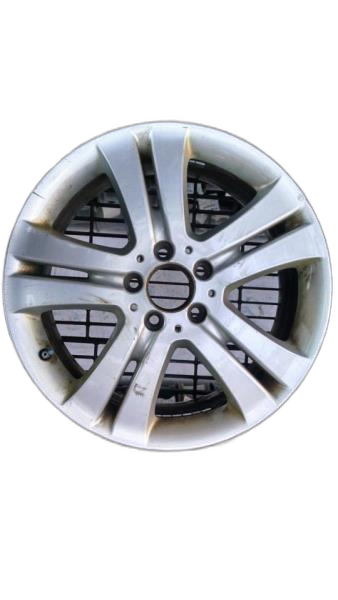




The information in this article is provided for general reference and educational purposes only. Vehicle specifications, procedures, and part compatibility can vary by production date, trim level, and region. Always consult your vehicle's factory service manual and verify part numbers before purchasing or performing repairs. Safety-critical components such as airbags, seat belts, and braking systems should be installed by a qualified professional.
- Volkswagen Passat:
- Volkswagen CC:
- Volkswagen Passat CC:
- Audi A3:
- Volkswagen Beetle:
- Volkswagen Eos:
- Volkswagen Golf:
- Volkswagen GTI:
- Volkswagen Jetta:
- Audi A4:
- Audi A6:
- Audi TT:
- Volkswagen Jetta GLI:
- Volkswagen Rabbit:
- Volkswagen Scirocco:
- 🎬 Helpful Videos
- 🛍️ Shop This Part
- Critical Compatibility: Not All VW/Audi Wheels Are Interchangeable
- Vehicle Platform & Wheel Specification Chart
- Symptoms of a Bad or Damaged Wheel
- Known Issues, Recalls, and TSBs
- Buying a Used OEM Wheel: A Detailed Inspection Guide
- Understanding Wheel Specifications
- OEM vs. Aftermarket Wheels
- Wheel Refinishing and Color Matching
- Replacement Overview & Torque Specs
- Cost Comparison
- Frequently Asked Questions
- 🎟️ Get 5% Off