

VW Jetta, Golf, Passat & More (2005-2016) Wheel Guide: Cracks, Bends, and Fitment Traps
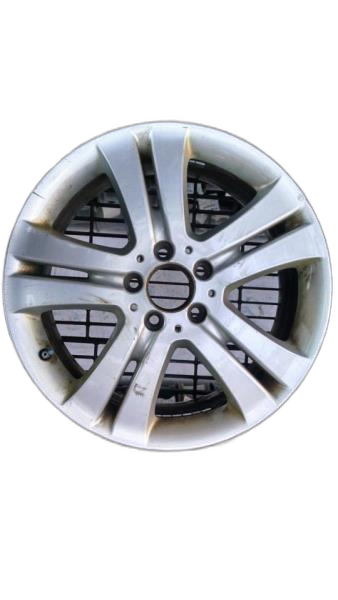
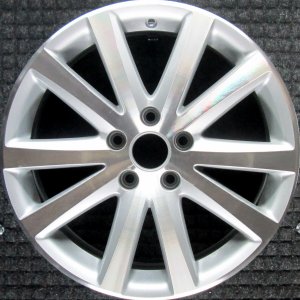
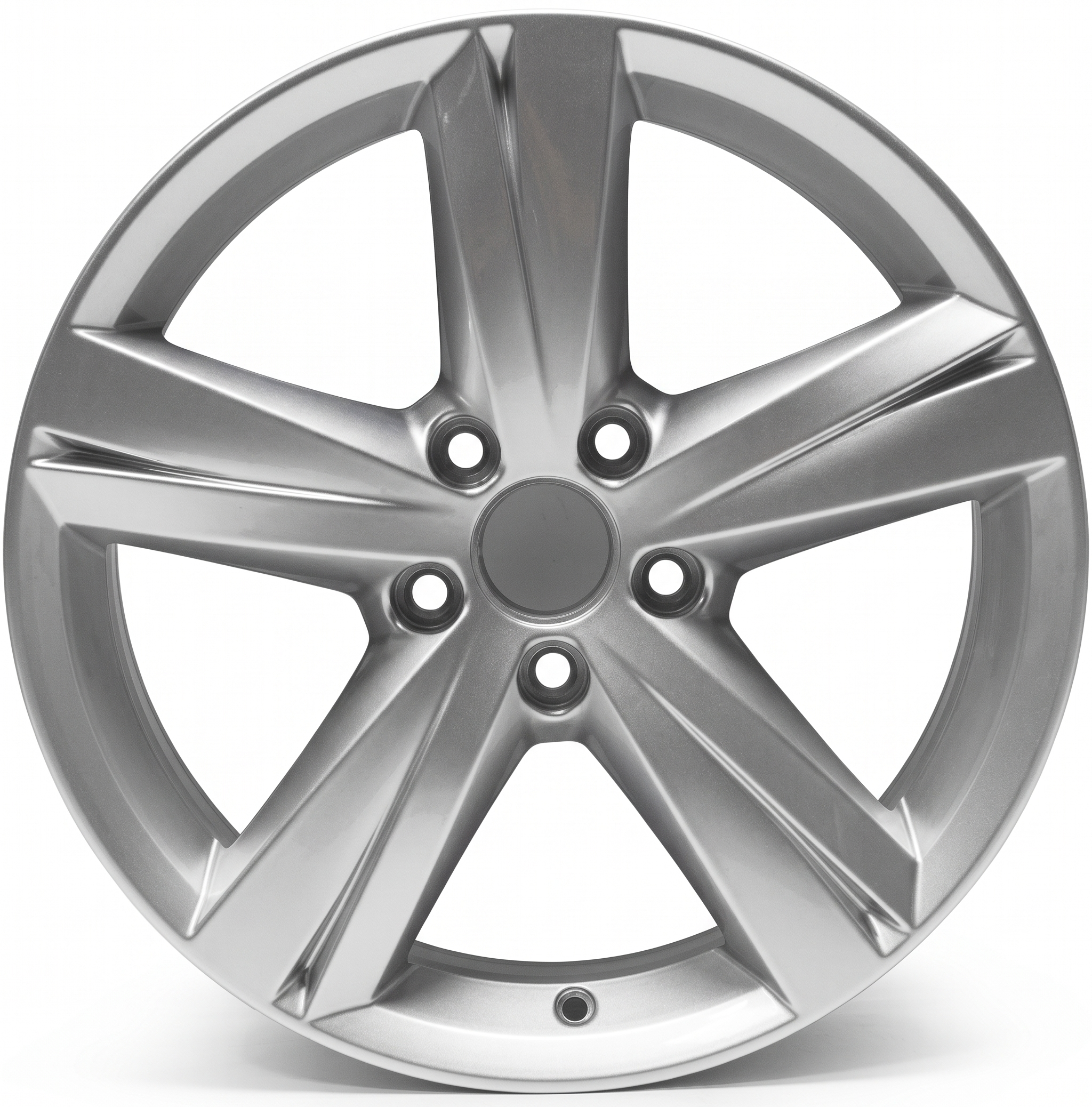
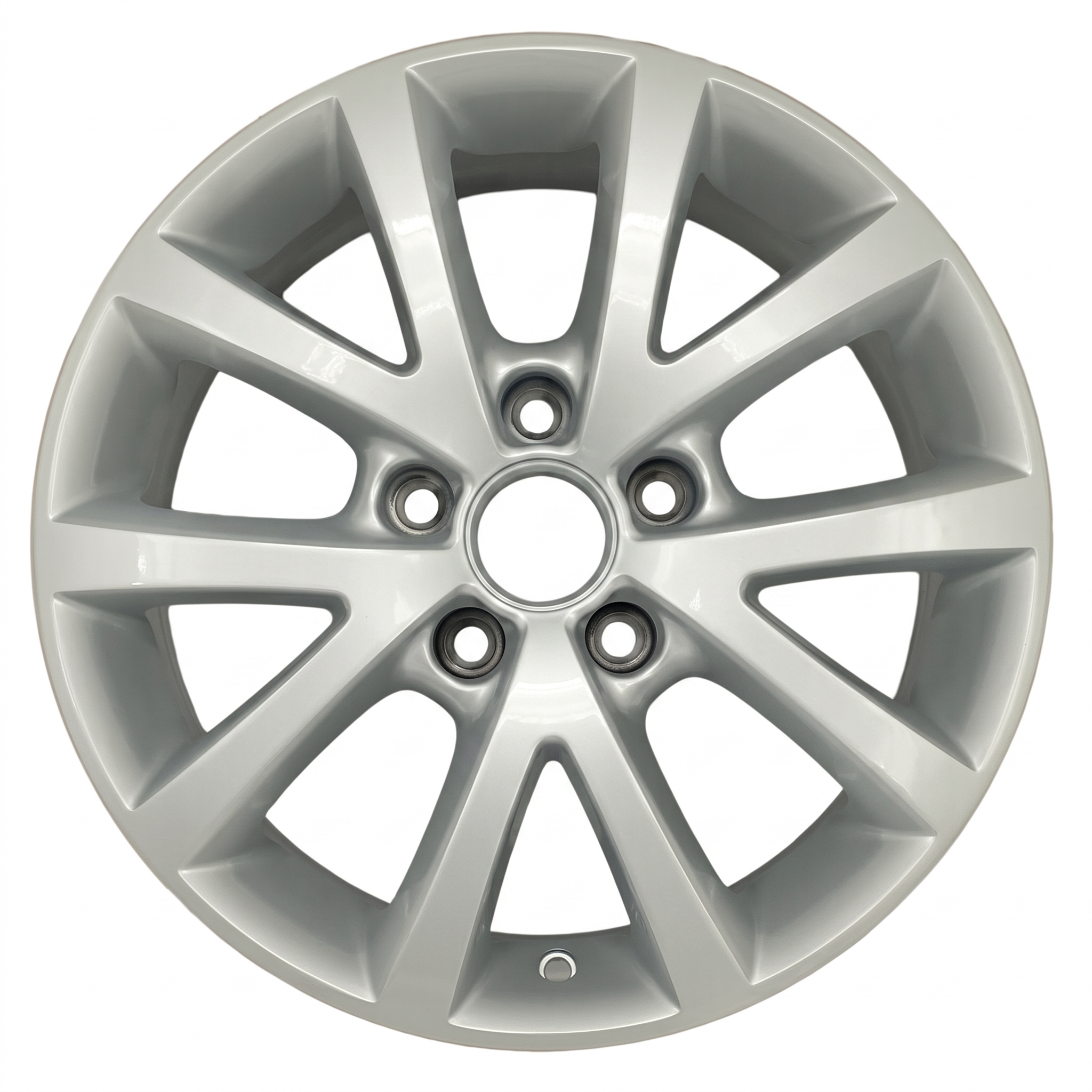
This guide covers the common 18x8-inch 5-spoke alloy wheels and their variants for the VW Mk5 and Mk6 platforms, including critical compatibility warnings you must know before buying.
- This wheel fits many 2005-2016 VWs but has critical exceptions: it will NOT fit the 2011 'Jetta City' (wrong bolt pattern) and requires VIN verification for 2005-2010 Jettas.
- Before buying a used wheel, you must inspect it for cracks and bends. A cracked wheel is unsafe and should never be used.
- The wheel's specifications must match your vehicle: 5x112mm bolt pattern, 57.1mm center bore, and the correct offset (around +50mm). Using the wrong offset can damage suspension components and create unsafe handling.
- Part number suffixes like '8Z8' denote the wheel's color (e.g., Brilliant Silver). Match this code if you want the color to be identical to your other wheels.
Key Vehicle Fitment & Compatibility Warnings
This 18-inch alloy wheel and its variants were fitted to a wide range of Volkswagen models built on the popular PQ35 platform. While the basic wheel specifications are consistent, there are critical differences between model years and special editions that you must be aware of.
Fitment Verification Required: Before purchasing, it is essential to confirm your vehicle's specifications. This guide covers wheels with a 5x112mm bolt pattern, a 57.1mm center bore, and an approximate +50mm offset. While other sizes were available, this 18x8 inch wheel is a common upgrade and factory option.
- 2005-2016 Volkswagen Jetta & Jetta GLI: For Jetta models from 2005-2010, you must verify your vehicle's 8th VIN digit. Parts suppliers specifically list fitment based on VIN digits 'J' or 'K', which indicates variations in the vehicle's original equipment. Failure to match this can lead to improper fit.
- 2011 Volkswagen Jetta 'City' Model: This wheel does NOT fit the 2011 Jetta 'City' model. The Jetta City was a carryover of the older Mk4 platform and uses a 5x100mm bolt pattern, making it physically incompatible with this 5x112mm wheel.
- 2008-2014 Volkswagen Golf & 2008-2009 GTI: Direct fitment is expected as these models share the same platform.
- 2006-2009 Volkswagen Rabbit: Direct fitment. The Rabbit is the North American name for the Golf Mk5.
- 2007-2011 Volkswagen Eos: Direct fitment.
- 2006-2011 Volkswagen Passat: Direct fitment.
Symptoms of a Failing or Damaged Wheel
Wheel issues can range from cosmetic blemishes to critical safety failures. Recognizing the symptoms early can prevent further damage and ensure your safety.
- Vibration or Shaking: A bent wheel is the most common cause of vibrations that can be felt in the steering wheel or through the entire car. The vibration will typically worsen as vehicle speed increases.
- Constant Loss of Tire Pressure: A slow, persistent air leak from one tire may not be the tire itself. A hairline crack in the wheel or a bend in the wheel lip that prevents a proper seal with the tire bead can cause a constant leak.
- Uneven Tire Wear: While often a sign of poor alignment, a bent wheel can also cause irregular tire wear patterns as the tire wobbles while it rotates.
- Thumping or Rattling Sounds: Severe damage, such as a significant bend or a cracked spoke, can cause audible noises while driving, especially at low speeds.
Buying a Used OEM Wheel: What to Inspect
Purchasing a used OEM (Original Equipment Manufacturer) wheel is a cost-effective way to replace a damaged one. OEM wheels are often stronger and more durable than cheap aftermarket alternatives. However, a thorough inspection is crucial.
Pro Tip: If possible, ask the seller to meet you at a tire shop. For a small fee, they can put the wheel on a balancing machine, which will instantly reveal any bends, major or minor.
Inspection Checklist:
- Check for Cracks: Carefully inspect the entire wheel, front and back. Pay close attention to the base of the spokes and around the lug holes. Hairline cracks can be difficult to see, so use a flashlight and clean any dirt or brake dust away. A cracked wheel is unsafe and cannot be safely repaired.
- Look for Bends: Lay the wheel on a flat surface and check both the inner and outer lips for any signs of being bent or out of round. Even a slight bend can cause significant vibration.
- Inspect for Previous Repairs: Look for signs of welding on the back side of the wheel. While some repairs can be done professionally, a poorly welded wheel is a major safety risk. Also, check for excessive amounts of wheel weights, which can indicate a struggle to balance a bent wheel.
- Examine the Finish (Color Matching): OEM wheels come in various shades of silver and grey. Part numbers often end in a suffix like 8Z8 (Brilliant Silver), AX1 (Black), or V7U. If you are trying to match a single wheel to your existing set, it's important to match this finish code or visually compare the wheels in person under good light.
- Check the Lug Bolt Seats: Ensure the tapered seats where the lug bolts make contact are clean and not damaged or deformed. Damaged seats can prevent the wheel from being torqued down correctly.
Understanding Wheel Specifications
Matching wheel specifications is critical for safety and performance. Using a wheel with the wrong specs can cause serious problems.
| Specification | Value | What it Means |
|---|---|---|
| Bolt Pattern (PCD) | 5x112mm | The wheel has 5 lug holes in a circle with a diameter of 112mm. This must match your vehicle's hub. |
| Center Bore | 57.1mm | This is the large hole in the center of the wheel that centers it on the vehicle's hub. A proper fit here is crucial to prevent vibration. |
| Offset | ~+50mm | The offset is the distance from the wheel's mounting surface to its centerline. The wrong offset can cause tires to rub against the fenders or suspension components and puts extra stress on wheel bearings. |
| Lug Bolts | M14x1.5 Ball Seat | These vehicles use lug bolts (not nuts) with a rounded 'ball' style seat. Using the wrong seat type (e.g., cone seat) is dangerous. |
What Happens if the Offset is Wrong?
Wheel offset is a critical measurement for handling and safety. An offset that is too low (more negative) will push the wheel outward, while an offset that is too high (more positive) will pull it inward.
- Rubbing: The most common issue is the tire rubbing against the fender lip during turns or suspension compression, or against suspension components on the inside.
- Increased Component Stress: Incorrect offset changes the suspension geometry and increases the load on wheel bearings, ball joints, and steering components, leading to premature failure.
- Poor Handling: Changing the scrub radius (an important steering geometry angle) can lead to unstable steering, increased kickback over bumps, and generally poor handling characteristics.
Known Issues, Recalls, and TSBs
While there are no major recalls specifically for these wheels cracking or failing, these Volkswagen models have been subject to other recalls. Owners should check the NHTSA website or contact a Volkswagen dealer with their VIN to see if any open recalls apply to their vehicle. Some owners have reported that larger diameter wheels (18" and 19") with low-profile tires are more susceptible to bending or cracking when hitting potholes.
Cost of Replacement
The cost to replace a wheel can vary significantly based on whether you choose new, used, or refinishing.
| Replacement Option | Estimated Cost (per wheel) |
|---|---|
| New OEM Wheel | $350 - $550+ |
| New Aftermarket Wheel | $150 - $400+ |
| Used OEM Wheel | $100 - $250 |
| Wheel Refinishing (Curb Rash) | $85 - $150 |
| Wheel Repair (Bends/Welds) | $150 - $300+ |
| Shop Labor (Mount & Balance) | $25 - $50 |
Frequently Asked Questions (FAQ)
Can I use a wheel from a different VW model like a Passat on my Jetta?
Yes, as long as the key specifications match. Many Volkswagen and Audi models from this era share the 5x112mm bolt pattern and 57.1mm center bore. However, you must verify the offset and width are compatible with your specific vehicle to avoid rubbing or handling issues.
What does the code on the back of the wheel mean?
The back of the wheel contains important information. You will find the part number (e.g., 1K0601025BC), size (e.g., 18x8), and offset (e.g., ET50). The suffix on the part number, such as '8Z8', indicates the specific paint or finish color.
Is it safe to repair a cracked alloy wheel?
Most professional wheel repair shops and safety experts advise against repairing a cracked alloy wheel. Welding can compromise the structural integrity of the aluminum alloy, creating a weak point that could lead to a catastrophic failure while driving. Replacing the wheel is the only safe option.
Why is my new used wheel a slightly different color?
Volkswagen used several different silver and grey finishes over the years. Part numbers ending in '8Z8' denote 'Brilliant Silver', but other codes like '1ZL' or 'V7U' represent different shades. Additionally, wheels can fade or change color over time due to sun exposure and brake dust heat. For a perfect match, it's best to buy a set or have the single wheel refinished to match.
Technical Specifications
OEM Part Numbers: 1K00714981ZL 1K0071498AX1 1K0071498V7U 1K0601025BC 1K0601025BC8Z8 1K0601025F 3C0601025J 3C0601025J8Z8 5C0601025AJ 5C0601025AJFZZ 5C0601025AM 5C0601025AM8Z8
Size: 18x8 inches, Bolt Pattern: 5x112mm, Center Bore: 57.1mm, Offset: ~+50mm, Lug Bolt: M14x1.5 Ball Seat
We Have This Part in Stock


The information in this article is provided for general reference and educational purposes only. Vehicle specifications, procedures, and part compatibility can vary by production date, trim level, and region. Always consult your vehicle's factory service manual and verify part numbers before purchasing or performing repairs. Safety-critical components such as airbags, seat belts, and braking systems should be installed by a qualified professional.
- Volkswagen Jetta:
- Volkswagen Golf:
- Volkswagen Jetta GLI:
- Volkswagen Rabbit:
- Volkswagen Eos:
- Volkswagen GTI:
- Volkswagen Passat:
- 🛍️ Shop This Part
- Key Vehicle Fitment & Compatibility Warnings
- Symptoms of a Failing or Damaged Wheel
- Buying a Used OEM Wheel: What to Inspect
- Inspection Checklist:
- Understanding Wheel Specifications
- What Happens if the Offset is Wrong?
- Known Issues, Recalls, and TSBs
- Cost of Replacement
- Frequently Asked Questions (FAQ)
- 🎟️ Get 5% Off