

VW, Audi & Mercedes Wheel Guide (2006-2025): Bolt Pattern, Offset & Center Bore Explained
This guide covers the critical wheel specifications, common problems, and buying advice for wheels that fit the VW Golf, GTI, Jetta, Audi A3, A4, Mercedes C-Class, and more.
- Compatibility is more than just bolt pattern. You MUST verify the center bore (e.g., 57.1mm for VW vs. 66.6mm for Mercedes/Audi) and a suitable offset range for your specific vehicle.
- When buying used, always inspect for cracks and signs of previous welded repairs. A bent wheel can sometimes be fixed, but a cracked or welded wheel is unsafe and should be rejected.
- A small number of 2019 VW models had a critical recall (NHTSA 19V-879) for wheel bearings that required wheel replacement. Verify your VIN if you own one of these models.
- Vibrations are the most common symptom of a wheel issue. While often a simple balance problem, it can also indicate a dangerous bend or crack that needs immediate attention.
Critical Wheel Specifications: The Keys to Compatibility

While many Volkswagen, Audi, and Mercedes-Benz models from 2006-2025 share a common 5x112mm bolt pattern, several other specifications are crucial for correct and safe fitment. Getting these wrong can lead to vibrations, improper handling, or even catastrophic failure.
Warning: The most common compatibility mistake is ignoring the center bore. While wheels may share a bolt pattern, a different center bore means the wheel will not mount correctly without special adapters.
| Vehicle Group | Years | Bolt Pattern | Center Bore | Typical Offset (ET) | Lug Bolt Type |
|---|---|---|---|---|---|
| VW Golf, GTI, Jetta, Alltrack, SportWagen, Audi A3/S3, Seat Leon | ~2012-2025 | 5x112 mm | 57.1 mm | +40mm to +51mm | M14x1.5 Ball Seat |
| Audi A4 | ~2009-2024 | 5x112 mm | 66.5 mm | +35mm to +45mm | M14x1.5 Ball Seat |
| Mercedes-Benz C-Class | ~2008-2024 | 5x112 mm | 66.6 mm | +35mm to +52mm | M14x1.5 Ball Seat |
Understanding the Specs
- Bolt Pattern: This describes the number of lug holes and the diameter of the circle they form. For all vehicles in this guide, it is 5 lugs on a 112mm diameter circle (5x112).
- Center Bore: This is the large hole in the center of the wheel that fits over the vehicle's hub. It is critical for centering the wheel. VW models typically use a 57.1mm bore, while many Audi and Mercedes models use a larger 66.5mm or 66.6mm bore. A wheel with a larger bore can be fitted to a smaller hub using hub-centric rings, but a wheel with a smaller bore will not fit on a larger hub.
- Offset (ET): Measured in millimeters, this is the distance from the wheel's mounting surface to its centerline. A lower offset pushes the wheel outward, while a higher offset pulls it inward. Using the wrong offset can cause the tire to rub against the fender or suspension components and can increase stress on wheel bearings.
- Lug Bolts: OEM wheels for these vehicles use ball-seat lug bolts. Many aftermarket wheels require cone-seat bolts. Using the wrong type is dangerous as the bolt will not torque down correctly and can come loose.
Common Factory Wheel Styles & How to Identify Them

Volkswagen, in particular, offers many distinct wheel styles. Identifying the correct style is key when replacing a single damaged wheel. The style name, size, and part number are often stamped on the back of the wheel spokes.
- 'Austin' (VW Part# 5G0601025AS): A popular 18x7.5 inch wheel on the Mk7 GTI, featuring five machine-faced spokes with gloss black painted pockets.
- 'Pretoria': An 18x7.5 inch wheel known for its multi-spoke, lightweight design, often finished in black or silver. These are sought after but have been known to be susceptible to cracking.
- 'Richmond': An 18x7.5 inch wheel available on Golf S and SE trims.
- 'Valley': A 17-inch wheel with a 10-spoke 'twisted' design.
- 'Rama Black': A 16x6.5 inch wheel with machined faces and black painted pockets.
Known Issues, Recalls, and TSBs

Vibrations & Shaking
The most common complaint related to wheels is vibration, often felt in the steering wheel or the entire car at certain speeds. While this is often due to an out-of-balance tire, it can also indicate a bent or damaged wheel. On the VW Mk7 platform, owners using aftermarket wheels sometimes report persistent vibrations that can only be solved by using high-quality aluminum hub-centric rings instead of plastic ones.
Cracking and Bending
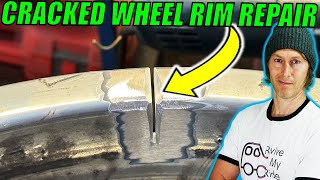
Larger diameter wheels with low-profile tires are more susceptible to damage from potholes and road hazards. Bends and cracks are common results. A bent wheel can often be repaired, but a cracked alloy wheel should always be replaced. Welding a crack can create a weak spot that may lead to a catastrophic failure.
Finish Corrosion and Peeling
Especially in areas with harsh winters, road salt and chemicals can cause the clear coat on alloy wheels to peel or bubble, leading to corrosion of the aluminum underneath. This is primarily a cosmetic issue but can be expensive to fix properly.
Recalls
NHTSA Recall 19V-879 (Volkswagen number 40P1): This was a critical 'Stop Drive' recall for a very small number of 2019 Volkswagen Golf GTI, Golf Alltrack, and Jetta GLI models. Improperly machined front wheel bearings could cause excessive stress, potentially leading to the wheel separating from the vehicle. The fix involved replacing the wheel bearing assemblies, wheels, and wheel bolts.
Pro Tip: If you feel a sudden, new vibration after hitting a pothole, pull over and inspect your wheels and tires for visible damage as soon as it is safe to do so. A bent wheel can cause a slow air leak or lead to a tire blowout.
Buying a Used Wheel: What to Inspect

Buying a used OEM wheel is a great way to save money, and they are often higher quality than cheap aftermarket replicas. However, a thorough inspection is critical to ensure you're getting a safe, serviceable part.
🎬 Watch: How to perform a professional wheel inspection and safety check.Physical Inspection Checklist
- Check for Cracks: This is the most important check. Inspect the entire wheel—front, back, and inside the barrel—for hairline cracks. Pay close attention to the area where the spokes meet the rim and around the lug holes.
- Check for Bends: Lay the wheel on a flat surface and check for any wobbling. Look at the inner and outer lips of the rim from the side to spot any visible bends or flat spots. Even a minor bend can cause vibrations that are impossible to balance out.
- Look for Signs of Repair: Be wary of fresh paint in one specific area or visible weld marks on the back of the wheel. A welded repair is a major red flag and compromises the wheel's structural integrity.
- Inspect for Curb Rash: Minor cosmetic scuffs are common on used wheels. However, deep gouges or chunks missing from the rim lip can be a sign of a more significant impact and should be avoided.
- Check Lug Bolt Seats: Ensure the tapered or ball-shaped seats where the lug bolts make contact are clean and free from damage or distortion.
Verifying Compatibility
Always check the stampings on the back of the wheel. You should find the part number, size (e.g., 18x7.5), and offset (e.g., ET49). Match this information to your specific vehicle requirements before purchasing.
Cost Comparison
Prices for a single 18-inch alloy wheel can vary significantly. This is an estimated cost breakdown for a common style like the VW 'Austin' wheel.
| Item | Estimated Cost |
|---|---|
| New OEM Wheel | $370 - $500 |
| New Aftermarket Wheel | $150 - $300 |
| Used OEM Wheel | $100 - $250 |
| Wheel Refinishing (Cosmetic) | $100 - $200 per wheel |
| Wheel Straightening (Bent) | $75 - $150 per wheel |
| Shop Labor (Mount & Balance) | $25 - $50 per wheel |
Frequently Asked Questions
Can I use an Audi A4 wheel on my VW Golf?
No, not directly. While both have a 5x112 bolt pattern, the Audi A4 uses a 66.5mm center bore while the VW Golf uses a 57.1mm center bore. You cannot fit the smaller bore Audi wheel on the larger hub of some other models, but you can fit the larger bore A4 wheel on the Golf's smaller hub if you use the correct hub-centric rings (66.5mm to 57.1mm). Without these rings, the wheel will not be properly centered, causing severe vibration.
How do I find my wheel's part number or specifications?
The easiest way is to remove the wheel from the car. The part number, size (e.g., 18x7.5J), and offset (e.g., ET49) are typically cast or stamped into the back of the spokes or on the hub mounting pad.
Is it safe to repair a cracked alloy wheel?
It is strongly recommended to replace, not repair, a cracked alloy wheel. While welding is technically possible, the heat permanently weakens the aluminum alloy around the repair, creating a stress point that is prone to future failure, which could be catastrophic if it happens while driving.
What causes my steering wheel to shake at highway speeds?
The most common cause is an imbalanced tire/wheel assembly. However, it can also be caused by a bent wheel, worn suspension components, or brake rotor issues. If the vibration started after hitting a pothole, a bent wheel is a likely culprit.
Helpful Videos
Technical Specifications
OEM Part Numbers: 5C060102703C 5C0601027B03C 5C0601027C03C 5G0-601-025-AS-FZZ 5G0601025AS 5G0601025ASFZZ 5G0601025BA 5G0601025BA8Z8 5G0601025BB 5G0601025BB8Z8 5G0601025BD 5G0601025BDFZZ 5g0601025bn8z8 5G0601025EC 5G0601025ECAX1
Bolt Pattern: 5x112mm. Center Bore: 57.1mm (VW/Seat/some Audi) OR 66.5/66.6mm (most Audi/Mercedes). Offset (ET): Varies by model, typically +35mm to +52mm. Lug Bolt: M14x1.5 Ball Seat (for OEM wheels).
We Have This Part in Stock




The information in this article is provided for general reference and educational purposes only. Vehicle specifications, procedures, and part compatibility can vary by production date, trim level, and region. Always consult your vehicle's factory service manual and verify part numbers before purchasing or performing repairs. Safety-critical components such as airbags, seat belts, and braking systems should be installed by a qualified professional.
- Volkswagen Golf:
- Volkswagen GTI:
- Volkswagen Golf Alltrack:
- Volkswagen Golf SportWagen:
- Volkswagen Jetta:
- Audi A3:
- Audi A4:
- Audi S3:
- Mercedes-Benz C-Class:
- Seat Leon:
- Skoda Octavia:
- Volkswagen Beetle:
- Volkswagen Eos:
- Volkswagen Golf GTI:
- Volkswagen Golf Sportsvan:
- Volkswagen Jetta GLI:
- 🎬 Helpful Videos
- 🛍️ Shop This Part
- Critical Wheel Specifications: The Keys to Compatibility
- Understanding the Specs
- Common Factory Wheel Styles & How to Identify Them
- Known Issues, Recalls, and TSBs
- Vibrations & Shaking
- Cracking and Bending
- Finish Corrosion and Peeling
- Recalls
- Buying a Used Wheel: What to Inspect
- Physical Inspection Checklist
- Verifying Compatibility
- Cost Comparison
- Frequently Asked Questions
- 🎟️ Get 5% Off