

2004-2009 Toyota Prius Wheels: A Guide to Styles, Specs, and Common Problems
This guide covers the different factory wheel options for the 2004-2009 Toyota Prius, including how to identify them, what to look for when buying used, and full technical specifications.
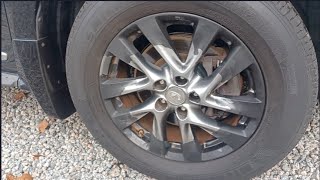
- The 2004-2009 Prius had three wheel options: a 15" steel wheel, a 15" 6-spoke alloy (P/N 42611-47050), and a 16" 7-spoke alloy for Touring models.
- All factory wheels for this generation share the same 5x100mm bolt pattern, +45mm offset, and 54.1mm center bore, making them interchangeable if the correct tire size is used.
- The most common problem is the factory clear coat peeling, which leads to cosmetic corrosion. Inspect used wheels for this and for cracks or bends before buying.
- The correct lug nut torque is 76 ft-lbs (103 Nm). Over-tightening can damage the wheels or studs.
Factory Wheel Options for the 2004-2009 Prius

The second-generation Toyota Prius (chassis code XW20) was available with three primary wheel options in the North American market. It is important to identify which wheels your car has, especially when replacing a single damaged wheel.
Standard 15-inch 6-Spoke Alloy (2007-2009 Style)
This is the most common alloy wheel found on this generation. While it was the standard design for the 2007, 2008, and 2009 model years, its size and specifications are correct for all 2004-2009 models, making it a direct swap.
| Specification | Value |
|---|---|
| Part Number | 42611-47050 (may be superseded by 42611-47390) |
| Size | 15-inch x 6-inch |
| Style | 6-spoke alloy |
| Finish | Silver Painted |
Optional 16-inch 7-Spoke Alloy (Touring Models)
Higher-trim "Touring" models from 2007-2009 were equipped with a larger, 16-inch alloy wheel with a distinct 7-spoke design. These wheels will also fit any 2004-2009 model, but require a different tire size (195/55R16) than the standard 15-inch wheels.
| Specification | Value |
|---|---|
| Part Number | 42611-47070 (superseded by 42611-47400) |
| Size | 16-inch x 6-inch |
| Style | 7-spoke alloy |
| Finish | Silver Painted |
Base Model 15-inch Steel Wheel with Trim Ring
Base model Prius vehicles, particularly in the earlier 2004-2006 years, often came with 15-inch black steel wheels covered by a plastic trim ring or hubcap. These are a functional and cost-effective option but are heavier and less visually appealing than the alloy wheels.
Pro Tip: The 6-spoke alloy wheel (42611-47050) is often the most affordable and widely available used OEM option. If you have damaged steel wheels or simply want to upgrade, a set of these used alloys can be a cost-effective choice.
Symptoms of a Damaged Wheel

Wheel failure is typically physical rather than mechanical. Here are the common signs that you may have a problem with one of your wheels.
- Vibration or Shaking: A steering wheel that shakes at certain speeds (usually 50-70 mph) is a classic symptom of an unbalanced wheel. However, if the vibration is severe or feels more like a wobble, the wheel could be bent from a pothole or curb impact.
- Slow Air Leak: If a tire consistently loses air without any visible puncture, the cause can be corrosion on the wheel's bead seat area. The bead seat is where the edge of the tire seals against the rim. Over time, corrosion creates an uneven surface that allows air to slowly escape.
- Visible Cracks or Bends: After a significant impact, you should always visually inspect both the inner and outer barrel of the wheel for cracks or obvious bends. A cracked alloy wheel is unsafe and must be replaced immediately.
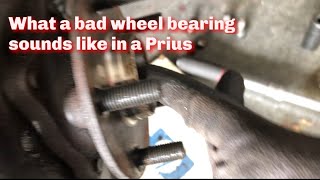
- Helicopter Noise: A rhythmic "wub-wub" or helicopter-like noise that changes with vehicle speed can sometimes be caused by a severely bent wheel, although it is more commonly a symptom of a bad wheel bearing or an issue with the tire itself. 🎬 Listen to the specific sound of a failing Prius wheel bearing.
Buying a Used Wheel: What to Inspect

A used OEM wheel is often a better choice than a cheap aftermarket replica due to superior manufacturing standards and durability. However, you must inspect a used wheel carefully before purchasing.
- Check for Cracks: This is the most critical safety inspection. Carefully examine the entire wheel, front and back, paying close attention to the spokes and the area where the spokes meet the rim barrel. Even a small hairline crack can propagate and lead to catastrophic failure.
- Inspect for Bends: Lay the wheel on a flat surface and look for any wobbles or unevenness in the inner and outer lips (flanges). A minor bend on the inner lip can often be repaired by a professional, but a bent outer lip or a bent spoke is a major red flag. If possible, ask the seller to spin it on a wheel balancer to easily spot any bends.
- Look for Previous Repairs: Check for signs of welding on the back side of the wheel. While some weld repairs can be done safely by a specialist, they can also indicate a severe previous crack. A poorly executed weld is a significant safety risk.
- Examine the Finish and Corrosion: The most common issue on these Prius wheels is peeling or flaking of the factory clear coat. When the clear coat fails, the exposed aluminum underneath begins to oxidize, creating a white, powdery corrosion. This is primarily a cosmetic issue, but if the corrosion is heavy in the bead seat area, it can cause air leaks. Minor peeling is acceptable if you plan to refinish the wheel, but avoid wheels with deep pitting from corrosion.
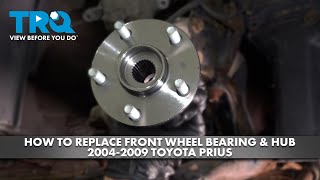
- Check the Lug Nut Holes: The tapered seats in the lug nut holes should be clean and free of significant damage or elongation. Damaged seats can prevent the lug nuts from seating correctly, making it impossible to properly torque the wheel. 🎬 See how to replace a damaged wheel stud on your Prius.
Vehicle-Specific Issues, Recalls, and TSBs
While there have been no recalls or Technical Service Bulletins (TSBs) issued specifically for the wheels on the 2004-2009 Toyota Prius, the vehicle itself was subject to several important safety recalls.
- Steering Intermediate Shaft Recall: A large number of 2004-2009 Prius models were recalled because splines on the steering shaft could deform, potentially leading to a loss of steering over time.
- Hybrid Electric Water Pump Recall: Many of these same vehicles were also recalled for an electric water pump that could fail, causing the hybrid system to shut down while driving.
It is wise to check with a Toyota dealer or use the NHTSA recall lookup tool with your vehicle's VIN to ensure these important safety repairs have been performed.
Cost Comparison for a Single 15-inch Wheel (42611-47050)

Prices can vary, but this provides a general estimate of what you can expect to pay for different options.
| Part Type | Estimated Cost |
|---|---|
| New OEM (Dealer) | $370 - $560 |
| New Aftermarket | $125 - $200 |
| Used OEM | $60 - $175 |
| Remanufactured OEM | $200 - $225 |
| Shop Labor (Mount & Balance) | $25 - $50 per tire |
Warning: Cheap aftermarket replica wheels are often made with a gravity-casting process, which is less dense and weaker than the low-pressure casting or forging used for OEM wheels. This can make them more susceptible to cracking from pothole impacts. A quality used or remanufactured OEM wheel is generally a safer and more durable option.
Technical Specifications
| Specification | 15-inch Standard/Base | 16-inch Touring |
|---|---|---|
| Bolt Pattern | 5x100 mm | 5x100 mm |
| Center Bore | 54.1 mm | 54.1 mm |
| Offset (ET) | +45 mm | +45 mm |
| Lug Nut Size | M12 x 1.5 | M12 x 1.5 |
| Lug Nut Torque | 76 ft-lbs (103 Nm) | 76 ft-lbs (103 Nm) |
Understanding Wheel Offset
Offset is the distance from the wheel's mounting hub to its centerline. The +45mm offset on the Prius is crucial for proper suspension geometry. Using a wheel with the wrong offset can cause problems:
- Too Low/Negative Offset: Pushes the wheel outward. This can cause the tire to rub on the fender lip during turns or suspension compression and puts extra stress on the wheel bearings.
- Too High/Positive Offset: Pulls the wheel inward. This can cause the tire or wheel to rub on internal suspension components like the strut or control arm.
Frequently Asked Questions (FAQ)
Can I put the 16-inch Touring wheels on my Prius that came with 15-inch wheels?
Yes, the 16-inch Touring wheels are a direct fit on any 2004-2009 Prius. The bolt pattern, center bore, and offset are identical. However, you must use the correct tire size for the 16-inch wheel, which is 195/55R16, to maintain the correct overall diameter and keep your speedometer accurate.
My wheels have peeling paint. Is this a safety issue?
Typically, peeling clear coat is a cosmetic problem, not a safety issue. The danger arises if the peeling allows corrosion to build up in the bead seat area (where the tire seals to the wheel), which can cause a slow air leak. If the finish is just peeling on the face of the spokes, it is safe to drive on, but it will get worse over time. The only permanent fix is to have the wheel professionally stripped and refinished (powder coated or painted).
What is the torque for the lug nuts?
The factory specification for the wheel lug nuts on all 2004-2009 Prius models is 76 ft-lbs (or 103 Nm). It is important to use a torque wrench and tighten the nuts in a star pattern to ensure the wheel is seated evenly. Over-tightening can damage the wheel or stretch the wheel studs.
Do I need to get an alignment after replacing a wheel?
No, simply replacing a wheel with one of the same size and specification does not require a vehicle alignment. However, if the wheel was damaged due to a severe impact from a pothole or curb, it is a good idea to have the alignment checked, as the impact could have bent a suspension component like a control arm or tie rod.
Helpful Videos

Technical Specifications
OEM Part Numbers: 42611-47050 42611-47390 42611-47070 42611-47400 4261120A50
Size: 15x6" or 16x6" | Bolt Pattern: 5x100mm | Center Bore: 54.1mm | Offset: +45mm | Lug Nut Torque: 76 ft-lbs (103 Nm)
We Have This Part in Stock



The information in this article is provided for general reference and educational purposes only. Vehicle specifications, procedures, and part compatibility can vary by production date, trim level, and region. Always consult your vehicle's factory service manual and verify part numbers before purchasing or performing repairs. Safety-critical components such as airbags, seat belts, and braking systems should be installed by a qualified professional.
- Toyota Prius:
- 🎬 Helpful Videos
- 🛍️ Shop This Part
- Factory Wheel Options for the 2004-2009 Prius
- Standard 15-inch 6-Spoke Alloy (2007-2009 Style)
- Optional 16-inch 7-Spoke Alloy (Touring Models)
- Base Model 15-inch Steel Wheel with Trim Ring
- Symptoms of a Damaged Wheel
- Buying a Used Wheel: What to Inspect
- Vehicle-Specific Issues, Recalls, and TSBs
- Cost Comparison for a Single 15-inch Wheel (42611-47050)
- Technical Specifications
- Understanding Wheel Offset
- Frequently Asked Questions (FAQ)
- 🎟️ Get 5% Off