

2021-2025 Tesla Model X Wheels: A Guide to Staggered Setups, Cracks, and Vibrations
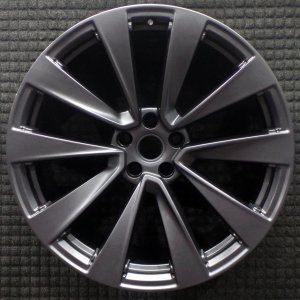
This guide covers the critical differences between the 20-inch Cyberstream and 22-inch Turbine wheels, including their staggered sizes, common failure points, and how to inspect a used one.
- The 2021-2025 Model X uses a staggered setup; front and rear wheels are different widths and are not interchangeable. Always verify the size on the back of the wheel.
- Cracked or bent wheels are a common problem, especially on the 22-inch Turbine option, due to the vehicle's weight and low-profile tires. There are no recalls for this; it is considered road hazard damage.
- A vibration during acceleration could be a bent wheel, but it is also a primary symptom of failing CV axles, a known issue with a specific Tesla service bulletin (SB-21-39-001).
- When buying a used wheel, demand photos of the back to verify the size (e.g., 20x9J ET40) and inspect it carefully for cracks or signs of weld repairs, which are unsafe.
Critical Compatibility Warning: Staggered Wheel Setup

Warning: The 2021-2025 Tesla Model X uses a staggered wheel configuration. The front and rear wheels are different sizes and are NOT interchangeable. Always verify the size printed on the back of the wheel before purchasing or installing. Using a front wheel on the rear or a rear wheel on the front will cause improper fitment, potential rubbing, and unsafe driving conditions.
2021-2025 Model X Wheel Options & Specifications


The refreshed Tesla Model X (2021-present) is available with two primary factory wheel options. Both are available on Long Range and Plaid trims. Note that some part numbers provided in databases may incorrectly list wheels from the previous generation (pre-2021), which are not compatible.
| Specification | 20" Cyberstream (Front) | 20" Cyberstream (Rear) | 22" Turbine (Front) | 22" Turbine (Rear) |
|---|---|---|---|---|
| Size | 20" x 9.0" | 20" x 10.0" | 22" x 9.0" | 22" x 10.0" |
| Offset | +40mm | +35mm | +40mm | +35mm |
| Bolt Pattern (PCD) | 5 x 120mm | |||
| Center Bore | 64.1mm | |||
| Finish | Gray / Charcoal | Gunpowder (Satin Matte Gray) or Satin Black | ||
| Example Part Numbers | 1620221-00-B, 1244221-01-B | 1244222-01-B | 1620226-01-A | N/A |
| Lug Nut Torque | 129 lb-ft (175 Nm) | |||
Symptoms of a Damaged or Failing Wheel

Wheel issues can range from cosmetic blemishes to critical safety failures. Here’s what to look for:
Vibration or Shaking
A vibration that changes with vehicle speed is a classic symptom of a wheel problem. If you feel it in the steering wheel, the issue is likely with a front wheel. If you feel it more in the seat or floor, it could be a rear wheel. This can be caused by a bent rim from a pothole impact, or it could be a simple tire balancing issue. However, on the Model X, a shudder specifically under hard acceleration is also a known symptom of failing front CV axles, which is addressed by Tesla TSB SB-21-39-001. It is important to diagnose the true cause of the vibration.
Slow Air Leaks
If one tire consistently loses air over a few days or weeks, and there's no obvious nail or puncture, you may have a hairline crack in the wheel. These cracks often form on the inner barrel of the wheel from a sharp impact and can be difficult to see without removing the wheel and inspecting it closely. This is a common issue on heavy vehicles with large wheels and low-profile tires.
Visible Damage
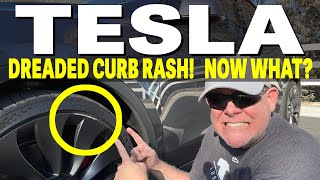
The most obvious symptom is visible damage. This includes curb rash (scraping along the outer lip), bent lips, or spokes. While curb rash is often cosmetic, severe bends or any cracks compromise the structural integrity of the wheel and make it unsafe to use.
Known Issues, Recalls, and Service Bulletins
There are no official NHTSA recalls or Technical Service Bulletins (TSBs) for wheel cracking on the 2021-2025 Tesla Model X. Failures like cracks or bends are typically considered the result of road hazards (like potholes) and are not covered under the vehicle's warranty. Owners frequently report that the combination of the Model X's heavy weight and the low-profile tires on the 22-inch wheels makes them particularly susceptible to damage from poor road conditions.
Buying a Used 2021-2025 Model X Wheel
A used OEM wheel is an excellent value, but a thorough inspection is critical to avoid buying someone else's problem.
1. Verify the Exact Size and Part Number
This is the most important step. The size (e.g., "20x9.0J ET40") is cast or stamped on the back of the wheel spokes. You must match this exactly to the wheel you are replacing. Do not trust a seller's description alone; ask for a clear photo of the stampings on the back of the wheel.
Pro Tip: To find your existing wheel's size, you may need to remove it from the car. The size and offset are almost always on the back side of the spokes. This is the only way to be 100% certain you are buying the correct replacement.
2. Inspect for Cracks and Welds
Carefully inspect the entire wheel, front and back, for cracks. Pay special attention to the inner barrel (the "back" side of the wheel) and where the spokes meet the rim. Look for any signs of previous repair, such as weld beads. A welded wheel is significantly weaker than an original casting and should be avoided at all costs. Fresh paint or powder coating can be used to hide these repairs, so look for any inconsistencies in the finish.
3. Check for Bends
Lay the wheel on a flat surface and check both the inner and outer lips for any visible bends or flat spots. A slight bend may be repairable by a specialist, but it's better to start with a straight wheel. Ask the seller to place the wheel on a balancer if possible; this will quickly reveal any significant bends.
4. Assess Cosmetic Condition
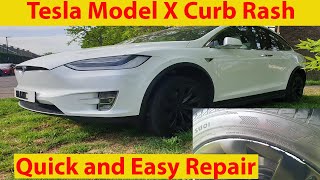
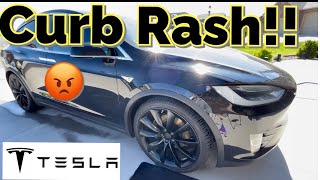
Curb rash is common and can often be repaired. Use the severity of the rash to negotiate the price. Minor scrapes are easily fixed, but deep gouges into the aluminum 🎬 See how to restore damaged 22-inch Turbine wheels yourself. are more serious. Check the condition of the clear coat and paint for peeling or fading.
OEM vs. Aftermarket Wheels
OEM (Original Equipment Manufacturer) wheels are designed and tested by Tesla for the specific weight and performance characteristics of the Model X. High-quality aftermarket wheels from reputable brands can be a good option, but cheap, unbranded replicas may not meet the necessary load rating for a heavy EV like the Model X. Using an underrated wheel is a serious safety risk. For a single wheel replacement, a used OEM wheel is the safest and most cost-effective choice.
Replacement Costs
Prices can vary significantly based on source and condition.
| Item | Estimated Cost |
|---|---|
| New OEM Wheel (from Tesla) | $750 - $1,100 per wheel |
| Used OEM Wheel (Recycled) | $300 - $600 per wheel |
| Aftermarket Wheel (Reputable Brand) | $400 - $1,200+ per wheel |
| Professional Curb Rash Repair | $150 - $250 per wheel |
| DIY Curb Rash Repair Kit 🎬 Watch: A quick and cheap way to fix rim scrapes. | $20 - $50 |
| Shop Labor (Mount & Balance) | $40 - $75 per wheel |
Frequently Asked Questions (FAQ)
Can I put rear Model X wheels on the front?
No. The rear wheels are wider than the front wheels on all 2021-2025 Model X factory setups (e.g., 10 inches wide vs. 9 inches wide). Attempting to install a rear wheel on the front will likely cause it to rub against suspension components or the fender and is unsafe.
Are wheels from the older Model X (2016-2020) compatible?
No. While the bolt pattern is the same, the offsets and designs are different for the 2021+ refreshed models. Part numbers for the older generation, such as 1027247-00-F, are for the pre-refresh 22" Turbine wheels and will not be a direct match for the newer vehicle.
What happens if I use a wheel with the wrong offset?
Offset determines how far the wheel's mounting surface is from its centerline. The wrong offset can cause multiple problems. Too little offset (wheel sticks out too far) can cause the tire to rub on the fender. Too much offset (wheel sits too far in) can cause the wheel or tire to hit suspension components like the strut or control arms. Both scenarios are unsafe and can cause premature wear on tires and wheel bearings.
Where is the paint code for the wheels?
Unlike body panels, wheels do not have a specific paint code that can be easily cross-referenced. They have finish names like "Gunpowder" or "Charcoal." If you have curb rash, you can buy touch-up paint kits from third-party suppliers that are color-matched to these specific finishes. 🎬 Watch this pro secret for a perfect curb rash repair. For a full refinish, a professional wheel repair shop can match the color and powder coat the wheel.
Helpful Videos
Technical Specifications
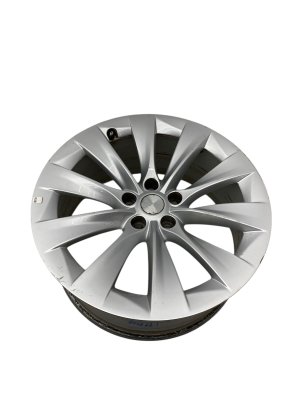
OEM Part Numbers: 1620221-00-B 1244221-01-B 1244222-01-B 1620226-01-A
Bolt Pattern: 5x120mm, Center Bore: 64.1mm, Lug Nut Torque: 129 lb-ft (175 Nm). Sizes are staggered: 20x9" Front / 20x10" Rear (Cyberstream) or 22x9" Front / 22x10" Rear (Turbine).
We Have This Part in Stock
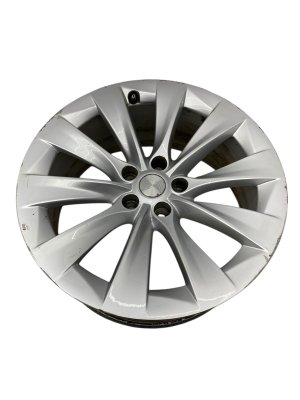
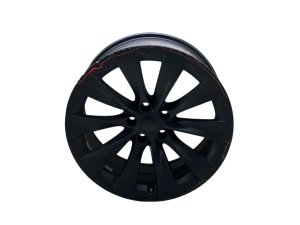
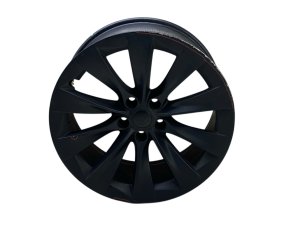
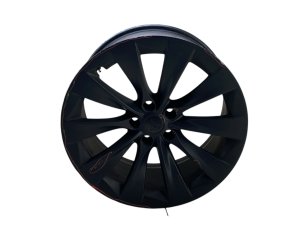

The information in this article is provided for general reference and educational purposes only. Vehicle specifications, procedures, and part compatibility can vary by production date, trim level, and region. Always consult your vehicle's factory service manual and verify part numbers before purchasing or performing repairs. Safety-critical components such as airbags, seat belts, and braking systems should be installed by a qualified professional.
- Tesla Model X:
- 🎬 Helpful Videos
- 🛍️ Shop This Part
- Critical Compatibility Warning: Staggered Wheel Setup
- 2021-2025 Model X Wheel Options & Specifications
- Symptoms of a Damaged or Failing Wheel
- Vibration or Shaking
- Slow Air Leaks
- Visible Damage
- Known Issues, Recalls, and Service Bulletins
- Buying a Used 2021-2025 Model X Wheel
- 1. Verify the Exact Size and Part Number
- 2. Inspect for Cracks and Welds
- 3. Check for Bends
- 4. Assess Cosmetic Condition
- OEM vs. Aftermarket Wheels
- Replacement Costs
- Frequently Asked Questions (FAQ)
- 🎟️ Get 5% Off