

2017-2025 Subaru Outback & Legacy Wheel Guide: Specs, Fitment, and Finish Issues
This guide covers the different wheel sizes, specifications, and common problems for the 2017-2025 Subaru Outback and Subaru Legacy, helping you find the right replacement.
- The most critical specs for all 2017-2025 Outback and Legacy models are the 5x114.3 bolt pattern and 56.1mm center bore.
- Verify the wheel size (17-inch vs. 18-inch) and width (7.0-inch vs. 7.5-inch) to match your vehicle's trim and other wheels.
- When buying used, always inspect for hairline cracks on the back of the wheel and bends on the inner lip, as this damage is often missed.
- The factory lug nut torque specification is 89 ft-lbs. Always use a torque wrench for installation.
Key Differences: 2017-2019 vs. 2020-2025 Models

The 2017-2025 Subaru Outback and Legacy span two distinct vehicle generations, which affects wheel design and part numbers, though the core fitment specifications remain consistent. The 2017-2019 models belong to the fifth-generation Outback and sixth-generation Legacy. The 2020-2025 models represent the sixth-generation Outback and seventh-generation Legacy, built on the newer Subaru Global Platform.
While all wheels across this entire 2017-2025 year range share the same critical bolt pattern (5x114.3mm) and center bore (56.1mm), there are important distinctions, primarily in available sizes and styles for different trim levels.
- Trim Levels: Higher-end trims like the Limited and Touring typically come equipped with 18-inch wheels, while base and Premium trims usually feature 17-inch wheels.
- Width Differences: A key difference to note is that many 18-inch wheels for the Legacy are 7.5 inches wide, while the equivalent Outback wheels are 7.0 inches wide. While they may look similar, this width difference affects tire fitment. Always match the new wheel's width to your existing wheels.
Technical Specifications

Verifying these numbers is the most important step in ensuring a replacement wheel will fit your Outback or Legacy.
| Specification | Value | Notes |
|---|---|---|
| Bolt Pattern (PCD) | 5x114.3 mm | This is consistent for all 2017-2025 Outback and Legacy models. Wheels from 2014 and older models (5x100 mm) will not fit. |
| Center Bore | 56.1 mm | This ensures the wheel is perfectly centered on the hub for a vibration-free ride. |
| Lug Nut Thread Size | M12x1.25 | Requires a 19mm socket for removal and installation. |
| Lug Nut Torque | 89 ft-lbs (120 N·m) | This is the factory specification for all 2017-2025 models with alloy wheels. Always use a torque wrench. |
| Common Sizes & Offset | 17x7" ET55 18x7" ET55 (Outback) 18x7.5" ET55 (Legacy) | ET55 (a 55mm positive offset) is the most common specification. Some newer Outback models may use a +48mm offset wheel. Always verify the offset of the specific wheel you are buying. |
Warning: An incorrect offset can cause the tire to rub against the suspension or fender, or it can place excessive stress on the wheel bearings, leading to premature failure.
Symptoms of a Bad Wheel

Wheel failures are physical and typically easy to spot or feel. They do not generate fault codes.
- Vibration or Shaking: A steering wheel shimmy or a general vehicle vibration that increases with speed is a classic symptom of a bent or out-of-round wheel. 🎬 Watch: How to diagnose front end noise and vibration issues.
- Constant Air Loss: If a tire consistently loses air pressure even after the tire itself has been checked for leaks, the wheel may have a hairline crack or corrosion on the bead seat area where the tire seals.
- Visible Damage: Obvious cracks, significant bends (especially on the inner or outer lip), or chunks of metal missing are clear signs the wheel must be replaced.
- Finish Failure: Peeling clear coat, bubbling paint, or white, powdery corrosion are cosmetic issues that can eventually lead to structural problems if the underlying aluminum is compromised.
Known Issues, Recalls, and TSBs

Finish Corrosion and Peeling
Some owners of 2017-2019 Outbacks, particularly those in regions that use road salt in the winter, have reported issues with the clear coat on the machined-face alloy wheels failing. This often starts as a small bubble or peel, allowing moisture and salt to get underneath the protective layer. This leads to white, spiderweb-like corrosion on the aluminum surface. While this is initially a cosmetic problem, severe corrosion can eventually damage the bead seat area, causing slow air leaks. This issue is a known drawback of machined-finish wheels compared to fully painted or powder-coated wheels.
Recalls and Technical Service Bulletins (TSBs)
As of early 2026, there are no active wheel-related safety recalls or TSBs specifically for the 2017-2025 Subaru Outback or Legacy.
It is worth noting that Subaru issued a recall (NHTSA ID: 25V-033, Subaru ID: WRB-25) for certain 2025 Forester models equipped with 18-inch wheels due to an incorrectly manufactured lug seat surface, which could prevent the wheel from being properly secured. While this recall does not affect the Outback or Legacy, it serves as a real-world example of how subtle manufacturing defects can pose a significant safety risk.
Buying a Used Wheel: Inspection Checklist
A used OEM wheel is an excellent, cost-effective replacement, offering the same quality and fit as a new one. However, a thorough inspection is crucial to avoid buying a damaged part. Here’s what to check:
🎬 See this expert guide on what to look for when buying used wheels.- Check for Cracks: Carefully inspect the entire wheel, front and back, in good light. Pay close attention to the areas around the lug holes and where the spokes meet the barrel. Hairline cracks are a major safety hazard and mean the wheel is junk.
- Look for Bends: Place the wheel on a flat, level surface. Press down on opposite sides of the rim to see if it wobbles. Roll it across a flat floor and watch the inner and outer lips; they should roll smoothly without any up-and-down hopping.
- Inspect the Bead Area: Run your finger along the inner and outer edges of the rim where the tire seals. Feel for any deep gouges, corrosion pitting, or bends that could prevent the tire from sealing properly and cause a slow leak.
- Check for Previous Repairs: Look for signs of welding on the back side of the wheel, such as uneven metal, grinding marks, or discoloration from heat. A repaired crack is a significant weak point. Also, look for excessive paint or filler that might be hiding damage.
- Examine the Finish: Note any curb rash, peeling clear coat, or corrosion. Minor cosmetic damage is acceptable and can often be refinished, but use it to negotiate the price. Be wary of a freshly repainted wheel face if the inner barrel is still filthy or corroded, as this can be a sign of a quick flip to hide damage.
- Verify Part Numbers and Specs: If possible, match the part number stamped on the back of the wheel to your original. At a minimum, confirm the diameter, width, and offset (often stamped as "ET55," for example) match your vehicle's requirements.
Replacement and Refinishing
Physically swapping a wheel and tire assembly is a simple DIY job. However, if you are replacing just the wheel, you will need a tire shop to dismount the tire from your old wheel and mount and balance it on the new one. This service typically costs between $25 and $50 per wheel.
When installing the wheel on your vehicle:
- Ensure the hub and wheel mounting surfaces are clean and free of rust or debris.
- Tighten the lug nuts in a star pattern to ensure the wheel seats evenly.
- Use a calibrated torque wrench to tighten the lug nuts to 89 ft-lbs. Do not guess or rely on an impact wrench, as over-tightening can damage the wheel and brake rotor, while under-tightening can allow the wheel to come loose.
Wheel Refinishing
If your wheels are cosmetically damaged but structurally sound, refinishing is a great option. This can involve professionally repainting, powder coating, or re-machining the face. Costs can range from $150 to $300 per wheel depending on the finish. DIY options like Plasti-Dip or spray paint are also popular for a custom look, though they may not be as durable as a professional finish.
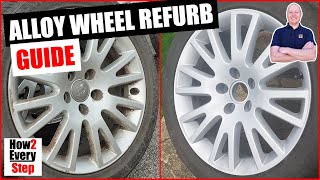
🎬 Watch: A step-by-step DIY guide to refurbishing your alloy wheels.Cost Comparison for a Single Wheel
| Part Type | Estimated Cost | Notes |
|---|---|---|
| New OEM | $350 - $600 | Purchased from a Subaru dealership or online OEM parts retailer. |
| New Aftermarket | $150 - $300 | From retailers like RockAuto or Tire Rack. Quality and finish match may vary. |
| Used OEM | $150 - $275 | A structurally sound used wheel offers the best value, providing original quality at a lower price. |
| Shop Labor (Mount & Balance) | $25 - $60 | Cost for a tire shop to swap your tire onto the replacement wheel. |
Frequently Asked Questions (FAQ)
Can I use a Legacy wheel on an Outback, or vice-versa?
Yes, but with caution. Both share the same bolt pattern and center bore. However, you must match the diameter (17" or 18") and, most importantly, the width (e.g., 7" vs 7.5"). Using a different width wheel is not recommended as it will affect how the tire fits and could impact handling and safety.
Where is the paint code for my wheels?
Unlike the main body paint code found on the door jamb, wheels do not have a readily available paint code for consumers. Finishes are often described by name (e.g., "machined gray," "high-gloss black"). For a perfect match, it's best to compare the wheel in person or purchase a used OEM wheel of the same style and part number.
Is minor curb rash a big deal on a used wheel?
Minor cosmetic curb rash (scraping on the outer edge) is generally not a structural problem. It can be sanded and refinished. However, a hard impact that causes a dent, bend, or crack along with the rash is a serious safety issue, and that wheel should be rejected.
Why are my OEM wheels corroding?
The most common cause is a breach in the protective clear coat, often from a rock chip or curb scrape. This allows moisture and road salt to contact the bare aluminum, causing it to oxidize. This is more common on wheels with a machined or polished face compared to fully painted wheels.
Helpful Videos
Technical Specifications
OEM Part Numbers: 28111AL12A 28111AL160 28111AL16A 28111AL17A 28111AN04A 28111AN06A 28111AN07A 28111AN140 28111AN19A 28111AN24A 28151AN00A 28111VA070 28111VA071
Bolt Pattern: 5x114.3mm, Center Bore: 56.1mm, Lug Nut: M12x1.25, Torque: 89 ft-lbs, Common Sizes: 17x7", 18x7", 18x7.5", Common Offset: +55mm
We Have This Part in Stock



The information in this article is provided for general reference and educational purposes only. Vehicle specifications, procedures, and part compatibility can vary by production date, trim level, and region. Always consult your vehicle's factory service manual and verify part numbers before purchasing or performing repairs. Safety-critical components such as airbags, seat belts, and braking systems should be installed by a qualified professional.
- Subaru Outback:
- Subaru Legacy:
- 🎬 Helpful Videos
- 🛍️ Shop This Part
- Key Differences: 2017-2019 vs. 2020-2025 Models
- Technical Specifications
- Symptoms of a Bad Wheel
- Known Issues, Recalls, and TSBs
- Finish Corrosion and Peeling
- Recalls and Technical Service Bulletins (TSBs)
- Buying a Used Wheel: Inspection Checklist
- Replacement and Refinishing
- Wheel Refinishing
- Cost Comparison for a Single Wheel
- Frequently Asked Questions (FAQ)
- 🎟️ Get 5% Off