

2012-2019 Porsche 911 (991) Wheel Guide: Offsets, Body Width, and Center-Lock vs. 5-Lug
This guide covers the critical details for choosing the correct used OEM wheel for your 2012-2019 Porsche 911, including the vital differences between 991.1 and 991.2 generations, narrow and wide-body cars, and 5-lug versus center-lock hubs.
- Compatibility is complex: You must know your car's generation (991.1 vs. 991.2), body style (narrow vs. wide), and hub type (5-lug vs. center-lock) to find the correct wheel.
- Offset is critical: Wide-body cars use a much lower rear offset (e.g., ET52) than narrow-body cars (e.g., ET70). Using the wrong offset will compromise safety and handling.
- Inspect used wheels carefully: Always check for cracks (especially on the inner barrel) and signs of weld repairs. A spin on a balancer is the only way to be sure a wheel is not bent.
- OEM is generally better: Used OEM forged wheels are typically stronger and safer than new, cheap aftermarket cast wheels.
Key Specifications: 991.1 vs. 991.2 and Body Width

Choosing the right wheel for a 2012-2019 Porsche 911 (known by its internal code, 991) is complex. The model range is split into two generations: the 991.1 (2012-2016) and the 991.2 (2017-2019). Within these generations, cars came in narrow-body and wide-body versions, which require different wheel offsets, particularly for the rear axle. Using the wrong wheel can lead to rubbing, improper handling, and stress on wheel bearings.
Warning: Wide-body wheels have a lower offset (e.g., ET52) to fill the wider fenders. Putting a wide-body wheel on a narrow-body car will cause the wheel to stick out too far, likely causing tire rubbing and unsafe handling. Conversely, putting a narrow-body wheel on a wide-body car will make the wheel look sunken in and may require large, inadvisable spacers to correct.
| Model Type | Years | Body Style | Front Wheel (Typical) | Rear Wheel (Typical) | Bolt Pattern |
|---|---|---|---|---|---|
| 991.1 Carrera / S | 2012-2016 | Narrow | 20x8.5 ET51 | 20x11 ET70 | 5x130mm |
| 991.1 Carrera 4 / 4S / GTS / Targa | 2012-2016 | Wide | 20x8.5 ET51 | 20x11 ET52 | 5x130mm or Center-Lock |
| 991.2 Carrera / S / T | 2017-2019 | Narrow | 20x8.5 ET49 | 20x11.5 ET76 | 5x130mm |
| 991.2 Carrera 4 / 4S / GTS / Targa | 2017-2019 | Wide | 20x8.5 ET49 | 20x11.5 ET56 | 5x130mm or Center-Lock |
| 991 Turbo / Turbo S | 2014-2019 | Extra Wide | 20x9 ET51 | 20x11.5 ET56 | 5x130mm or Center-Lock |
Table data compiled from multiple forum discussions and fitment guides. Always verify the part number stamped on the back of the wheel.
Symptoms of a Damaged Wheel

- Vibration or Shaking: A bent wheel will cause vibrations that can be felt in the steering wheel, especially at higher speeds. This is the most common symptom.
- Slow Air Loss: A hairline crack in the wheel barrel can cause a slow, persistent loss of tire pressure that is hard to diagnose.
- Visible Damage: Obvious cracks, bends, or deep gouges from curb or pothole impacts are clear signs the wheel's structural integrity is compromised.
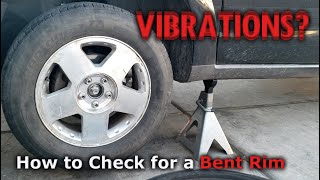
- Thumping Noise: A severe bend or flat spot on the wheel can create a thumping sound that changes with vehicle speed. 🎬 See how to check for a bent rim and vibration symptoms.
Known Issues, Recalls, and Service Bulletins

While the 991-generation wheels themselves have not been subject to widespread recalls, there are common issues and one notable recall for related components.
- Cracking and Bending: Due to the low-profile tires and large diameter, 991 wheels are susceptible to damage from potholes and road hazards. Cracks often form on the inner barrel and can be difficult to spot without removing the wheel.
- Center-Lock Hub Recall (2024 Models): While outside the 2012-2019 range, it's worth noting that Porsche issued a recall in late 2024 for defective center-locking wheel nuts on some 2024 models, including the 911. This highlights the critical nature of center-lock components. The 991 generation did not have this specific recall, but it underscores the importance of correct torque and maintenance for center-lock systems.
- No Major TSBs: Searches for Technical Service Bulletins (TSBs) related to 991 wheels did not reveal any major, recurring factory defects for this specific part. Issues are typically related to road damage.
Buyer's Guide: Inspecting a Used 991 Wheel

Buying a used OEM Porsche wheel is a great way to save money, but careful inspection is essential. A damaged wheel is not just a cosmetic problem; it's a serious safety hazard.
Before You Buy: Verifying Compatibility
- Confirm the Part Number: The most reliable way to ensure a match is by the OEM part number stamped on the back of a wheel spoke. Suffixes on the part number often indicate the finish (e.g., OB5 for Platinum Satin, JE1 for Black).
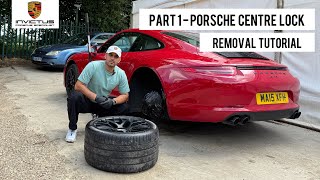
- 5-Lug vs. Center-Lock: GT3, Turbo S, and GTS models often came standard with single-nut center-lock wheels. These are not interchangeable with the standard 5-lug pattern (5x130mm) found on most Carrera models. Ensure you know which system your car has. While center-locks look race-inspired, they require special tools, high torque wrenches (over 440 lb-ft), and specific procedures for removal and installation, making them less practical for many owners. 🎬 Watch: How to safely remove and install center-lock wheels.
- Check Offset and Width: As detailed in the table above, offset (ET) and width are critical. Verify the numbers stamped on the wheel (e.g., "11.5JX20 ET56").
Physical Inspection Checklist
- Look for Cracks: Thoroughly inspect the front and, most importantly, the back of the wheel. Hairline cracks are most common on the inner lip.
- Check for Welds: A weld indicates a previous crack repair. While some repairs can be done professionally, a welded wheel is significantly weaker than an original one and is generally not recommended for a high-performance vehicle.
- Spot Bends: Lay the wheel on a flat surface and check for any wobble or uneven gaps. For a definitive check, ask the seller to show you the wheel on a spin balancer. This will reveal any bends that aren't visible to the naked eye.
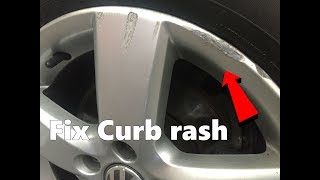
- Examine the Finish: Look for deep curb rash, peeling clear coat, or signs of a cheap repaint (overspray, uneven texture). Refinishing a Porsche wheel to factory standards can be expensive, especially for diamond-cut or special satin finishes. 🎬 Watch this guide on how to repair curb rash yourself.
- Lug Seat Integrity: For 5-lug wheels, check the tapered seats where the lug bolts make contact. They should be clean and free of gouges or distortion.
OEM vs. Aftermarket Porsche Wheels
Most genuine Porsche 991 wheels are forged, a manufacturing process that makes them stronger and lighter than cheaper cast wheels. Many aftermarket replicas are cast, which means they are heavier and more brittle, making them more prone to cracking upon impact. For safety and performance, a used, straight OEM wheel is almost always a better choice than a new, cheap aftermarket replica.
Verifying and Refinishing Wheel Finishes
Porsche offered numerous wheel finishes, including standard silver, Platinum Satin, GT Silver Metallic, Aurum (gold), and high-gloss black. The exact finish is tied to the part number suffix. Matching a single used wheel to the other three on your car can be difficult due to variations in wear and sun exposure.
Refinishing a single wheel to match can cost between $150 and $350, depending on the finish complexity and local market rates. A full set can be refinished (e.g., powder coated) for around $600-$900. Keep in mind that complex finishes like two-tone or diamond-cut will always be more expensive to restore.
Cost Breakdown
Prices for Porsche 911 wheels can vary dramatically based on style, condition, and rarity.
| Item | Cost Estimate |
|---|---|
| New OEM Wheel (Single, from Dealer) | $1,700 - $4,300+ |
| New Aftermarket Wheel (Single) | $400 - $1,200+ |
| Used OEM Wheel (Single, Good Condition) | $500 - $1,200 |
| Wheel Refinishing (Per Wheel) | $150 - $350 |
| Shop Labor (Mount & Balance) | $40 - $75 per wheel |
Frequently Asked Questions (FAQ)
What happens if I use the wrong offset wheel?
Using a wheel with too low of an offset will push the wheel and tire outward, potentially causing it to rub on the fender liner or fender lip, especially during suspension compression or turns. A wheel with too high of an offset will sit too far inward, potentially interfering with suspension components like the strut or control arms. Both scenarios alter the car's suspension geometry, which can negatively affect handling stability and increase wear on wheel bearings.
Can a cracked Porsche wheel be repaired?
While some specialty shops offer TIG welding for cracked aluminum wheels, it is a controversial practice for high-performance cars. A welded wheel will never have the same structural integrity as an undamaged one. Given the safety-critical nature of the part, replacing a cracked wheel is always the safest and recommended option.
How do I know if my 911 is a narrow-body or wide-body?
For the 991 generation, the rule of thumb is: rear-wheel-drive Carrera and Carrera S models are narrow-body. All-wheel-drive models (Carrera 4, 4S, Targa) and GTS models are wide-body. Turbo and GT3 models also use the wide-body (or an even wider version). The rear fenders on a wide-body car are visibly more flared.
Where is the paint code located on my 2012-2019 Porsche 911?
While not for the wheel finish, the vehicle's body paint code is on a paper sticker. Common locations include under the front hood (frunk), inside the glove box, on the trunk lid, or within the owner's manual. The code is typically a 3 or 4-character alphanumeric string, often starting with 'L'.
Helpful Videos


Technical Specifications
OEM Part Numbers: 99136216104 9913621610488Z 99136216104JE1 99136216104OB5 99136216130 991362161300C6 99136216130OC6 99136216151OC6 99136216604 99136216630 99136216630OC6 99136216631 991362166310C6 99136271000OB5 99136276000
Bolt Pattern: 5x130mm (for non-center-lock models). Common Sizes: 20x8.5 (Front), 20x11 (Rear, 991.1), 20x11.5 (Rear, 991.2). Offsets vary significantly by model (see table in article).
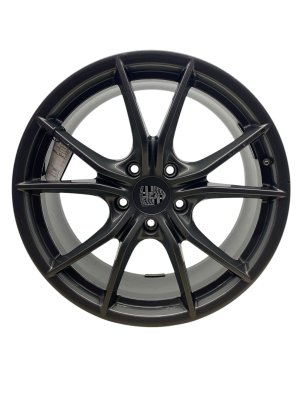
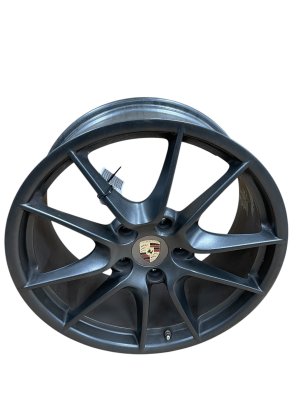
We Have This Part in Stock


The information in this article is provided for general reference and educational purposes only. Vehicle specifications, procedures, and part compatibility can vary by production date, trim level, and region. Always consult your vehicle's factory service manual and verify part numbers before purchasing or performing repairs. Safety-critical components such as airbags, seat belts, and braking systems should be installed by a qualified professional.
- Porsche 911:
- 🎬 Helpful Videos
- 🛍️ Shop This Part
- Key Specifications: 991.1 vs. 991.2 and Body Width
- Symptoms of a Damaged Wheel
- Known Issues, Recalls, and Service Bulletins
- Buyer's Guide: Inspecting a Used 991 Wheel
- Before You Buy: Verifying Compatibility
- Physical Inspection Checklist
- OEM vs. Aftermarket Porsche Wheels
- Verifying and Refinishing Wheel Finishes
- Cost Breakdown
- Frequently Asked Questions (FAQ)
- 🎟️ Get 5% Off