

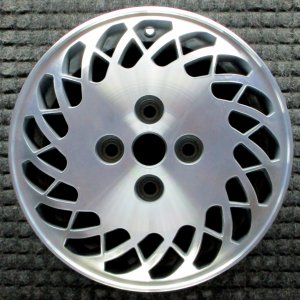
1989-1990 Mitsubishi Sigma Wheel: Decoding the Rare 4-Lug Design and Fitment
This guide covers the unique 4x114.3 bolt pattern, critical inspection points for used wheels, and symptoms of damage for the 1989-1990 Mitsubishi Sigma.
- The most critical specification is the 4x114.3mm bolt pattern; other wheels will not fit.
- When buying a used wheel, always inspect carefully for cracks, bends, and previous weld repairs.
- A bent wheel is a common cause of vibration, but always have a shop check tire balance first.
- No wheel-specific recalls exist for this vehicle; any failures are due to age or damage.
Symptoms of a Damaged Wheel
A damaged wheel can cause a range of symptoms, from subtle vibrations to serious safety concerns. It's important to distinguish these from other issues like bad wheel bearings or tire problems.
- Vibration or Shaking: The most common symptom of a bent or out-of-round wheel is a vibration that you can feel in the steering wheel or through the floor. This vibration often becomes more noticeable at certain speeds, typically between 40-60 mph, and may lessen at higher speeds.
- Thumping or Rhythmic Noises: A bent wheel can cause a rhythmic thumping sound as it rotates, which increases in frequency with vehicle speed. This is different from the constant grinding or humming of a bad wheel bearing.
- Visible Wobble: In severe cases, you may be able to see the wheel and tire assembly wobbling when driving at low speeds. It's easier to have an assistant watch the wheel as you drive slowly.
- Difficulty Balancing: If a tire shop tells you that a wheel is difficult or impossible to balance, it's a strong indicator that the wheel itself is bent or damaged. No amount of wheel weights can correct a structural bend.
- Constant Air Loss: A small crack in the wheel, or corrosion on the bead seat where the tire seals, can cause a slow but persistent air leak that isn't related to the tire itself.
Warning: A cracked or severely bent wheel is a major safety hazard. It can fail suddenly, leading to a rapid loss of tire pressure and loss of vehicle control. Do not drive on a wheel that you know is cracked.
Technical Specifications for the 1989-1990 Mitsubishi Sigma Wheel
Finding replacement wheels for the 1989-1990 Sigma requires careful attention to its specific dimensions. Using a wheel with incorrect specifications can lead to poor fitment, rubbing, and undue stress on suspension components.
| Specification | Dimension |
|---|---|
| OEM Part Number | MB624021 |
| Size | 15-inch diameter x 6-inch width (15x6) |
| Bolt Pattern (PCD) | 4x114.3mm (also known as 4x4.5 inches) |
| Center Bore | ~67.1mm (Unconfirmed, but common for Mitsubishis of this era. Measure to verify.) |
| Offset (ET) | Approximately +46mm (Unconfirmed. Verify fitment before mounting tire.) |
| Lug Nut Thread Size | M12 x 1.5 |
Pro Tip: The 4x114.3 bolt pattern was common on many Japanese rear-wheel-drive cars from the 1980s and 90s, including some Nissan 240SX, older Honda Accords, and Toyota Celicas. However, the center bore and offset must also match for proper fitment.
Buying a Used 1989-1990 Sigma Wheel: A Buyer's Guide
Since new OEM wheels are no longer available, buying a used OEM wheel is the most common replacement option. A good used OEM wheel is often higher quality than a cheap aftermarket alternative. Here’s what to look for:
1. Inspect for Cracks
This is the most critical inspection. Carefully check the entire wheel, front and back. Pay special attention to the areas around the lug nut holes and where the spokes meet the outer rim. Use a flashlight and a clean rag to wipe away dirt. Even a hairline crack makes the wheel junk.
2. Check for Bends
Lay the wheel on a flat, level surface (like a concrete floor) with the front side facing down. Check if the outer lip sits flush all the way around. Then, flip it over and do the same. Any significant gap or wobble indicates a bend. A minor bend can sometimes be repaired by a professional, but it's better to find a straight wheel.
3. Look for Previous Repairs
Look for signs of welding on the back side of the wheel. Welded cracks are a major red flag, as the repair can compromise the strength of the alloy. Also look for excessive grinding marks or areas that have been repainted in just one spot, which can hide filler or other repairs.
4. Assess Cosmetic Condition
Curb rash (scrapes on the outer lip) is common and often just cosmetic. However, deep gouges can indicate a harder impact that may have caused unseen damage. Also check for clear coat failure, which looks like the finish is peeling or flaking, and corrosion (bubbling paint), especially where wheel weights were attached.
5. Verify the Specs
Bring a tape measure. Confirm the wheel is 15 inches in diameter. Most importantly, confirm the 4-lug pattern. While you can't easily measure the 114.3mm spacing, you can ensure it's not a 4x100 or other pattern. If possible, test-fit the wheel on your car before buying to ensure it clears the brake calipers and suspension components.
Known Issues, Recalls, and TSBs
There are no known recalls or Technical Service Bulletins (TSBs) from the NHTSA related to the wheels on the 1989-1990 Mitsubishi Sigma. The only major recall for this vehicle concerned front seat belt buckles (NHTSA Campaign ID 95V103004). Any issues with these wheels today are typically due to age, road hazards (potholes), or corrosion.
Cost of Replacement & Refinishing
The cost can vary widely depending on what you need. A used wheel is the most economical option, while refinishing can make a damaged wheel look new again.
| Item | Estimated Cost | Notes |
|---|---|---|
| New OEM Wheel | N/A | This part is discontinued and no longer available new from Mitsubishi. |
| New Aftermarket Wheel | $100 - $250 per wheel | Price for a new alloy wheel with the correct bolt pattern. Quality can vary significantly. |
| Used OEM Wheel | $75 - $200 per wheel | Price depends heavily on condition and availability from salvage yards or online sellers. |
| Wheel Refinishing (Cosmetic) | $125 - $250 per wheel | Covers repair of curb rash and repainting or powder coating. |
| Crack/Bend Repair | $75 - $150 per wheel | Cost for professional welding of a crack or straightening a bend. |
| Shop Labor (Mount & Balance) | $25 - $50 per wheel | Cost to mount a tire onto the wheel and balance the assembly. |
Frequently Asked Questions (FAQ)
Can I use a wheel with a different bolt pattern?
No. The bolt pattern must be exactly 4x114.3mm. Using adapters is not recommended as they can create stress on the hub and bearings and may cause fitment issues.
What happens if I use a wheel with the wrong offset?
Offset is the distance from the wheel's mounting surface to its centerline. Too much positive offset (wheel sits too far inward) can cause the tire to rub on suspension components. Too much negative offset (wheel sticks out too far) can cause the tire to rub on the fender and puts extra stress on wheel bearings, leading to premature failure.
Is it worth refinishing my old wheels?
If your wheels are structurally sound (no cracks or severe bends) but have cosmetic damage like curb rash or peeling clear coat, refinishing is a great option. It is often cheaper than buying a new set of aftermarket wheels and restores the high-quality finish of the original OEM wheel. Costs typically range from $125 to $250 per wheel.
My steering wheel shakes. Is it definitely the wheel?
Not necessarily. While a bent wheel is a common cause, steering wheel vibration can also be caused by an unbalanced tire, a worn tire, a bad wheel bearing, or loose suspension components. A proper diagnosis at a tire shop is the best first step. They can check the balance of your wheel and tire assembly and inspect the wheel for bends.
Technical Specifications
OEM Part Numbers: MB624021
Size: 15x6 Bolt Pattern: 4x114.3mm Center Bore: ~67.1mm (unconfirmed) Offset: ~+46mm (unconfirmed)
We Have This Part in Stock

The information in this article is provided for general reference and educational purposes only. Vehicle specifications, procedures, and part compatibility can vary by production date, trim level, and region. Always consult your vehicle's factory service manual and verify part numbers before purchasing or performing repairs. Safety-critical components such as airbags, seat belts, and braking systems should be installed by a qualified professional.
- Mitsubishi Sigma:
- 🛍️ Shop This Part
- Symptoms of a Damaged Wheel
- Technical Specifications for the 1989-1990 Mitsubishi Sigma Wheel
- Buying a Used 1989-1990 Sigma Wheel: A Buyer's Guide
- 1. Inspect for Cracks
- 2. Check for Bends
- 3. Look for Previous Repairs
- 4. Assess Cosmetic Condition
- 5. Verify the Specs
- Known Issues, Recalls, and TSBs
- Cost of Replacement & Refinishing
- Frequently Asked Questions (FAQ)
- 🎟️ Get 5% Off