

2011-2018 Kia Sorento Wheels: A Guide to Sizes, Finishes, and Fitment
This guide covers the critical differences in wheel sizes, styles, and specifications between the 2011-2015 and 2016-2018 Kia Sorento generations.
- The 2011-2018 Sorento spans two generations (2011-15 and 2016-18) with different wheel styles; verify your year before buying.
- All models from 2011-2018 use the same 5x114.3 mm bolt pattern and 67.1 mm center bore, making the hub fitment consistent.
- When buying used, thoroughly inspect for cracks and bends on both the front and back of the wheel, as these are critical safety issues.
- On AWD models, a new tire on a replacement wheel must have a similar tread depth to the other three tires to avoid damaging the drivetrain.
Understanding the 2011-2018 Kia Sorento Generations

Before buying a replacement wheel for your Sorento, it's crucial to know that this period covers two different vehicle generations. The fitment and styles are not always interchangeable, so identifying your specific model year is the first step.
- Second Generation (XM): 2011, 2012, 2013, 2014, 2015
- Third Generation (UM): 2016, 2017, 2018
While both generations share the same bolt pattern and center bore, the available wheel sizes, styles, and offsets differ. Always confirm you are buying a wheel intended for your specific year range.
Symptoms of a Failing or Damaged Wheel

Wheel issues can range from cosmetic flaws to safety-critical failures. Here’s what to look and listen for:
- Vibration or Shaking: A bent wheel is the most common cause of vibrations that you can feel in the steering wheel or through the seat, especially at highway speeds. This can occur after hitting a pothole or curb.
- Slow Air Loss: A hairline crack in the wheel can cause a slow, persistent leak that is difficult to find in the tire itself. If you're constantly adding air to one tire, the wheel may be the culprit.
- Visible Damage: Obvious signs include cracks, large dents, or chunks missing from the rim, often from curb impacts.
- Poor Handling: A severely bent wheel can affect the vehicle's alignment and cause it to pull to one side.
- Finish Deterioration: While cosmetic, peeling clear coat, corrosion, or bubbling paint can indicate the wheel's protective layer has failed, which can lead to further structural degradation over time.
Wheel Variants and Specifications (2011-2018)

All 2011-2018 Kia Sorento models use the same fundamental hub specifications, which is good news for shoppers. However, the diameter, width, and design varied by trim level and generation.
| Specification | 2011-2018 Kia Sorento |
|---|---|
| Bolt Pattern / PCD | 5x114.3 mm (5x4.5 in) |
| Center Bore | 67.1 mm |
| Lug Nut Thread Size | M12 x 1.5 |
| Lug Nut Torque | 107-127 Nm (79-94 lb-ft) |
Pro Tip: When tightening lug nuts, always use a torque wrench and follow a star pattern to ensure the wheel is seated evenly. Do not rely on an impact gun for final tightening. Re-torque the lug nuts after 50-100 miles of driving.
Second Generation (2011-2015) Wheel Options
The second-generation Sorento was available with wheels ranging from 17 to 19 inches.
- 17x7 Inch Alloy: Standard on base and LX trims. Typically a 10-spoke or 5-spoke design with a silver painted finish. Common OEM part numbers include 529101U275.
- 18x7.5 Inch Alloy: Found on EX and SX trims. These came in various styles, including machined-face with painted pockets and hyper silver finishes.
- 19-Inch Alloy: Available on top-tier Limited and SX trims, often with a chrome or polished finish.
Third Generation (2016-2018) Wheel Options
The third-generation Sorento streamlined options to 17, 18, and 19-inch wheels, with designs specific to each trim.
- 17x7 Inch Alloy: Standard on the L and LX trims. A common design is a 10-spoke silver alloy (OEM part 52910C5110).
- 18x7.5 Inch Alloy: Standard on the EX trim. These were often machined-face with charcoal or gunmetal painted pockets (OEM part 52910C5230).
- 19x7.5 Inch Alloy: Standard on SX and SX Limited trims. These featured more complex designs and premium finishes like chrome or hyper silver (OEM part 52910C5330).
Warning: The offset for these wheels is typically between +40mm and +50mm. Using a wheel with the wrong offset can cause tire rubbing against the suspension or fender, and it can put premature stress on wheel bearings.
Buying a Used Wheel: A Detailed Inspection Guide

A used OEM wheel is often a better choice than a cheap aftermarket replica due to superior materials and guaranteed fitment. However, a thorough inspection is essential to avoid buying a damaged part.
- Check for Cracks: Inspect the entire wheel in good light. Pay close attention to the area where the spokes meet the rim and around the lug nut holes. Run your finger along the inner and outer barrel to feel for hairline cracks you might not see.
- Look for Bends: Lay the wheel on a flat surface. Look at the lip of the rim from eye level and rotate it. Any visible wobble or dip indicates a bend. A bent inner lip 🎬 Watch: How to check for a bent wheel yourself. is just as bad as a bent outer lip.
- Inspect for Previous Repairs: Look for signs of welding (uneven beads, discoloration) or body filler. Fresh paint on just one section of the wheel can also be a red flag for a hidden repair.
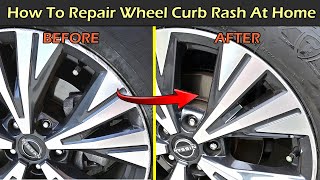
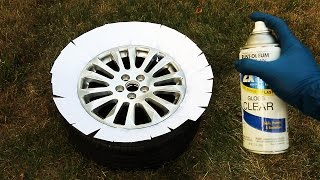
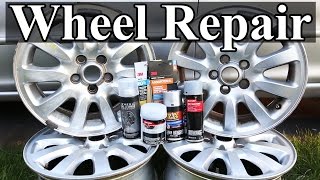
- Examine Cosmetic Condition: Check for heavy curb rash, which can sometimes hide deeper structural damage. 🎬 Watch: How to repair rims with curb rash or scratches. Look for peeling clear coat or corrosion, especially in the pockets or on the inner barrel. A wheel with heavy corrosion on the barrel might have been neglected.
- Verify Part Numbers: If possible, check for a part number stamped on the back of a spoke. This is the best way to confirm you have an exact match for your vehicle's trim and year. 🎬 See our top 5 things to check when buying used wheels.
- TPMS Compatibility: All 2011-2018 Sorento models are equipped with a Tire Pressure Monitoring System (TPMS). Ensure the wheel is designed to accept a TPMS sensor. The sensor itself is a separate part that will need to be transferred from your old wheel or replaced.
Known Issues, Recalls, and TSBs
While there have been numerous recalls for the 2011-2018 Kia Sorento, none specifically target the wheels for defects like cracking. However, there is one highly relevant Technical Service Bulletin (TSB).
- TSB PS750: Kia issued this bulletin regarding potential issues with the All-Wheel-Drive (AWD) system if tires with different circumferences are used. This is critical when replacing a single wheel. If the new tire's tread depth is significantly different from the other three, it can strain the AWD system. It is highly recommended to replace a single tire with one that has a similar tread depth or replace tires in pairs or as a full set.
Paint Codes and Finishes
Unlike body panels, wheels do not use the vehicle's main paint code, which is typically found on a sticker in the driver's door jamb. Instead, they have specific finishes applied at the factory:
- Silver Painted: A common, durable finish found on base model wheels.
- Machined Face: The face of the wheel is cut on a lathe, exposing the bright aluminum, while the inner pockets are painted (often gray or black).
- Hyper Silver: A multi-stage paint process that gives a deep, liquid-metal look.
- Chrome Clad/Plated: A chrome layer is applied for a bright, mirror-like finish. These can be susceptible to peeling if damaged.
Matching the exact finish is key to ensuring a used wheel looks right on your vehicle. Refinishing a single wheel to match a factory finish can cost between $150 and $250, depending on the complexity of the finish.
Cost of Replacement
The cost to replace a Kia Sorento wheel can vary significantly based on the source and type.
| Part Type | Estimated Cost (per wheel) |
|---|---|
| New OEM (Dealer) | $450 - $700+ |
| New Aftermarket (Replica) | $150 - $300 |
| Used OEM (Recycled) | $100 - $250 |
| Remanufactured OEM | $150 - $350 |
| Shop Labor (Swap & Balance) | $25 - $50 |
Can I use a different size wheel than what came on my Sorento?
You can, but it requires careful planning. You must change all four wheels and select a tire size that keeps the overall rolling diameter the same as the original to avoid issues with the speedometer, ABS, and AWD systems. For example, if you move from a 17-inch wheel to an 18-inch wheel, you will need a tire with a shorter sidewall to compensate.
Do I need a new TPMS sensor for my replacement wheel?
Not necessarily. If your existing TPMS sensor is working, a tire shop can transfer it from the old wheel to the new one. However, the rubber grommets and seals should always be replaced, and if the sensor is more than 5-7 years old, it's often wise to replace it proactively as the internal batteries have a finite life.
How can I tell if a wheel is for a 2015 or a 2016 Sorento?
The styles are the best indicator. The 2016-2018 (Gen 3) wheels have distinctly different designs from the 2011-2015 (Gen 2) models. Compare the seller's photo to images of your specific model year and trim level to ensure a match. When in doubt, ask for the OEM part number from the back of the wheel.
What happens if I drive on a bent wheel?
Driving on a bent wheel is not recommended. It will cause persistent vibrations that create a harsh ride, accelerate wear on your tires, and put extra stress on wheel bearings and suspension components, leading to more expensive repairs down the road.
Helpful Videos


Technical Specifications
OEM Part Numbers: 52905C5320 52905C5330 52905C6320 52905C6330 529101U275 529101U395 529101U495 529102P175 529102P285 529102P295 52910C5100 52910C5110 52910C5220 52910C5230 52910C5330
Bolt Pattern: 5x114.3mm | Center Bore: 67.1mm | Lug Nut: M12x1.5 | Lug Torque: 107-127 Nm (79-94 lb-ft) | Wheel Sizes: 17x7, 18x7.5, 19x7.5 inches | Offset Range: Approx. +40mm to +50mm
We Have This Part in Stock



The information in this article is provided for general reference and educational purposes only. Vehicle specifications, procedures, and part compatibility can vary by production date, trim level, and region. Always consult your vehicle's factory service manual and verify part numbers before purchasing or performing repairs. Safety-critical components such as airbags, seat belts, and braking systems should be installed by a qualified professional.
- Kia Sorento:
- 🎬 Helpful Videos
- 🛍️ Shop This Part
- Understanding the 2011-2018 Kia Sorento Generations
- Symptoms of a Failing or Damaged Wheel
- Wheel Variants and Specifications (2011-2018)
- Second Generation (2011-2015) Wheel Options
- Third Generation (2016-2018) Wheel Options
- Buying a Used Wheel: A Detailed Inspection Guide
- Known Issues, Recalls, and TSBs
- Paint Codes and Finishes
- Cost of Replacement
- 🎟️ Get 5% Off