

1985-1987 Isuzu I-Mark Wheel Guide: Decoding Specs and Avoiding Fitment Issues
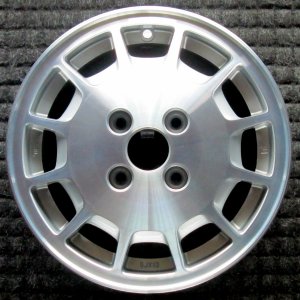
This guide covers the unique 12-spoke alloy wheels for the 1985-1987 I-Mark, including critical specs like bolt pattern, offset, and how to inspect a used one.
- Fitment is critical: You must match the 4x100mm bolt pattern, 35-45mm offset, and 60.1mm center bore.
- When buying used, inspect carefully for cracks near the spokes and bends on the inner lip; these are common failure points.
- If using aftermarket wheels, hub-centric rings are mandatory to prevent vibration and ensure safety.
- The correct lug nut torque is 65 ft-lbs; always re-torque the nuts after driving 50-100 miles.
Symptoms of a Damaged Wheel
A damaged wheel can cause a range of problems, from annoying vibrations to serious safety hazards. Because the wheel is a critical part of your vehicle's suspension and handling, it's important to recognize the signs of failure.
- Vibration or Wobble: The most common symptom of a bent wheel is a vibration that can be felt in the steering wheel or through the entire car. This vibration often gets worse as vehicle speed increases.
- Steering Wheel Shimmy: A side-to-side shake or shimmy in the steering wheel, especially at certain speeds, often points to a bent front wheel.
- Difficulty Balancing: If a tire and wheel assembly requires an excessive amount of weight to balance, or if it can't be balanced at all, the wheel itself is likely bent or out-of-round.
- Chronic Air Loss: A slow, persistent air leak from a tire that has no punctures can be caused by a crack in the wheel or corrosion on the bead seat, which is where the tire seals against the rim.
- Uneven Tire Wear: A bent wheel can cause irregular tire wear patterns as the tire wobbles down the road.
- Visible Damage: Obvious cracks, significant bends on the inner or outer lip, or large chunks missing are clear signs the wheel must be replaced.
Technical Specifications for the 1985-1987 I-Mark Wheel
Matching these specifications is critical for proper fitment. While many wheels share the same bolt pattern, the center bore and offset are just as important for safety and performance.
| Specification | Value |
|---|---|
| OEM Part Numbers | 8941065981, 8941065982, 8944310040 |
| Size | 13x5 inches |
| Bolt Pattern (PCD) | 4x100mm |
| Offset | +35mm to +45mm |
| Center Bore | 60.1mm (Based on I-Mark Turbo spec) |
| Lug Nut Torque | 65 ft-lbs |
Warning: The center bore is the hole in the middle of the wheel that centers it on the vehicle's hub. While many aftermarket wheels have a larger bore, using them without the proper adapter, called a hub-centric ring, can cause severe vibration and stress on the lug nuts.
Why Offset is Critical
Offset determines how far the wheel sits in or out of the fender. Using a wheel with the wrong offset can cause serious problems:
- Incorrectly Low Offset (Wheel sticks out too far): This can cause the tire to rub on the outer fender, especially during turns or suspension compression.
- Incorrectly High Offset (Wheel sits in too far): This is often more dangerous, as it can cause the wheel or tire to rub against suspension components like struts, control arms, or brake calipers. This can lead to catastrophic tire or wheel failure.
- Increased Bearing Stress: Both incorrect high and low offset move the centerline of the wheel, changing the load geometry on the wheel bearing and leading to premature failure.
Buying a Used 1985-1987 I-Mark Wheel: A Detailed Inspection Guide
Original 12-spoke alloy wheels for the I-Mark are uncommon. When buying a used one, a thorough inspection is essential to ensure you're getting a safe, usable part.
Step-by-Step Physical Inspection
- Check for Bends: Lay the wheel on a flat surface. Look at the gap between the wheel lip and the ground. Rotate the wheel and watch for any up-and-down movement (wobble). Even a small bend on the inner lip can cause a major vibration. The best method is to have it spun on a wheel balancer.
- Inspect for Cracks: Carefully examine the entire wheel, paying close attention to the base of each of the 12 spokes and the area around the lug nut holes. Cracks in these high-stress areas mean the wheel is junk.
- Examine the Bead Seat: Look at the inner and outer edges where the tire seals against the wheel. Heavy corrosion, flaking paint, or deep gouges can prevent the tire from sealing properly, causing slow leaks.
- Look for Previous Repairs: Check for signs of welding on the front or back of the wheel. A tell-tale sign is a discolored area or a bead of metal that doesn't match the rest of the wheel. Also, look for signs of body filler used to hide cosmetic damage; tap the area with a key and listen for a dull thud instead of a metallic ring. Repaired wheels, especially those with welded cracks, are not recommended.
- Check the Lug Holes: The holes should be perfectly round. If they are oval-shaped or damaged, it indicates the wheel was driven while loose, and it will never center correctly again.
- Assess the Finish: Look for peeling clear coat, heavy curb rash, and deep scratches. While mostly cosmetic, severe curb rash can sometimes hide deeper structural damage. Refinishing a wheel can be costly.
OEM vs. Aftermarket Wheels
For a vintage vehicle like the I-Mark, the choice between OEM and aftermarket comes with trade-offs.
- Used OEM: A recycled original equipment wheel is guaranteed to have the correct offset, center bore, and appearance. However, finding one in good condition can be difficult. Their value is determined by rarity and condition.
- New Aftermarket: Due to the common 4x100 bolt pattern, many new aftermarket wheels will physically bolt on. However, most are designed with a large center bore to fit multiple vehicles. To use these safely, you MUST install hub-centric rings that adapt the wheel's larger bore down to the I-Mark's 60.1mm hub. Failure to do so will result in vibrations that cannot be balanced out.
Known Issues, Recalls, and Service Bulletins
There are no recalls or Technical Service Bulletins (TSBs) issued by the NHTSA specifically related to the wheels on the 1985-1987 Isuzu I-Mark. It is worth noting that many Isuzu models from this era, including the I-Mark, were susceptible to failures of the Engine Control Unit (ECU). Symptoms included erratic idle, stalling, and a no-start condition, particularly in warm weather. This is unrelated to the wheels but is a well-documented issue for owners of these vehicles.
Cost Comparison
Pricing for wheels and related services can vary. Here are some typical estimates:
| Item | Estimated Cost |
|---|---|
| New OEM Wheel | N/A (Discontinued) |
| Used OEM Wheel | $75 - $250+ (Highly variable based on condition and rarity) |
| New Aftermarket Wheel (13-inch) | $80 - $150 per wheel |
| Wheel Repair (Bent Rim) | $100 - $200 per wheel |
| Wheel Refinishing (Cosmetic) | $75 - $200 per wheel |
| Shop Labor (Mount & Balance) | $15 - $45 per wheel |
Pro Tip: When replacing a single damaged wheel, try to find a used OEM wheel. This ensures it will match the appearance and specifications of your other three wheels perfectly.
Frequently Asked Questions (FAQ)
Will wheels from other cars fit my I-Mark?
Possibly, but it's risky. Many older Honda, Toyota, and VW models also used a 4x100 bolt pattern. However, you must also match the 35-45mm offset and 60.1mm center bore. Using a wheel with the wrong specs can be unsafe and cause damage to your vehicle.
What are hub-centric rings and do I need them?
A hub-centric ring is a small plastic or metal ring that fits between the car's hub and the wheel's center bore. If your aftermarket wheels have a center bore larger than the I-Mark's 60.1mm hub, you absolutely need these rings to properly center the wheel and prevent vibration.
Can a bent alloy wheel be repaired?
Minor bends can often be straightened by a professional wheel repair shop using specialized hydraulic equipment. The cost is typically $100-$200. However, cracked wheels should almost always be replaced, as even a welded repair can create a weak spot that may fail later.
How much does it cost to refinish a wheel with peeling paint?
Cosmetic refinishing to fix curb rash, scratches, or peeling clear coat typically costs between $75 and $200 per wheel. The process involves stripping the old finish, repairing surface damage, and then repainting or powder coating the wheel.
Technical Specifications
OEM Part Numbers: 8941065981 8941065982 8944310040
Size: 13x5", Bolt Pattern: 4x100mm, Offset: +35mm to +45mm, Center Bore: 60.1mm, Lug Nut Torque: 65 ft-lbs.
We Have This Part in Stock

The information in this article is provided for general reference and educational purposes only. Vehicle specifications, procedures, and part compatibility can vary by production date, trim level, and region. Always consult your vehicle's factory service manual and verify part numbers before purchasing or performing repairs. Safety-critical components such as airbags, seat belts, and braking systems should be installed by a qualified professional.
- Isuzu I-Mark:
- 🛍️ Shop This Part
- Symptoms of a Damaged Wheel
- Technical Specifications for the 1985-1987 I-Mark Wheel
- Why Offset is Critical
- Buying a Used 1985-1987 I-Mark Wheel: A Detailed Inspection Guide
- Step-by-Step Physical Inspection
- OEM vs. Aftermarket Wheels
- Known Issues, Recalls, and Service Bulletins
- Cost Comparison
- Frequently Asked Questions (FAQ)
- 🎟️ Get 5% Off