

2019-2026 Ram 3500 DRW Front Hub Extension: Vibration, Recalls, and Replacement
Your definitive guide to diagnosing, replacing, and safely installing the front wheel hub extension on 2019-2026 Ram 3500 Dually trucks.
- This part is ONLY for Dual Rear Wheel (DRW) models from 2019-2026.
- Improper torque is the biggest danger. Be aware of Safety Recall Y60 / NHTSA 21V-398 for wheel stud failure and always use a torque wrench for installation.
- Symptoms like vibration are similar to other front-end issues; a loose or damaged extension is a possible cause, especially after recent brake or wheel service.
- Direct-fit aftermarket replacements are not common; your choice is new OEM (68449628AB) or an inspected used OEM part.
Understanding the Ram 3500 DRW Hub Extension
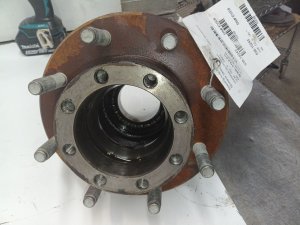
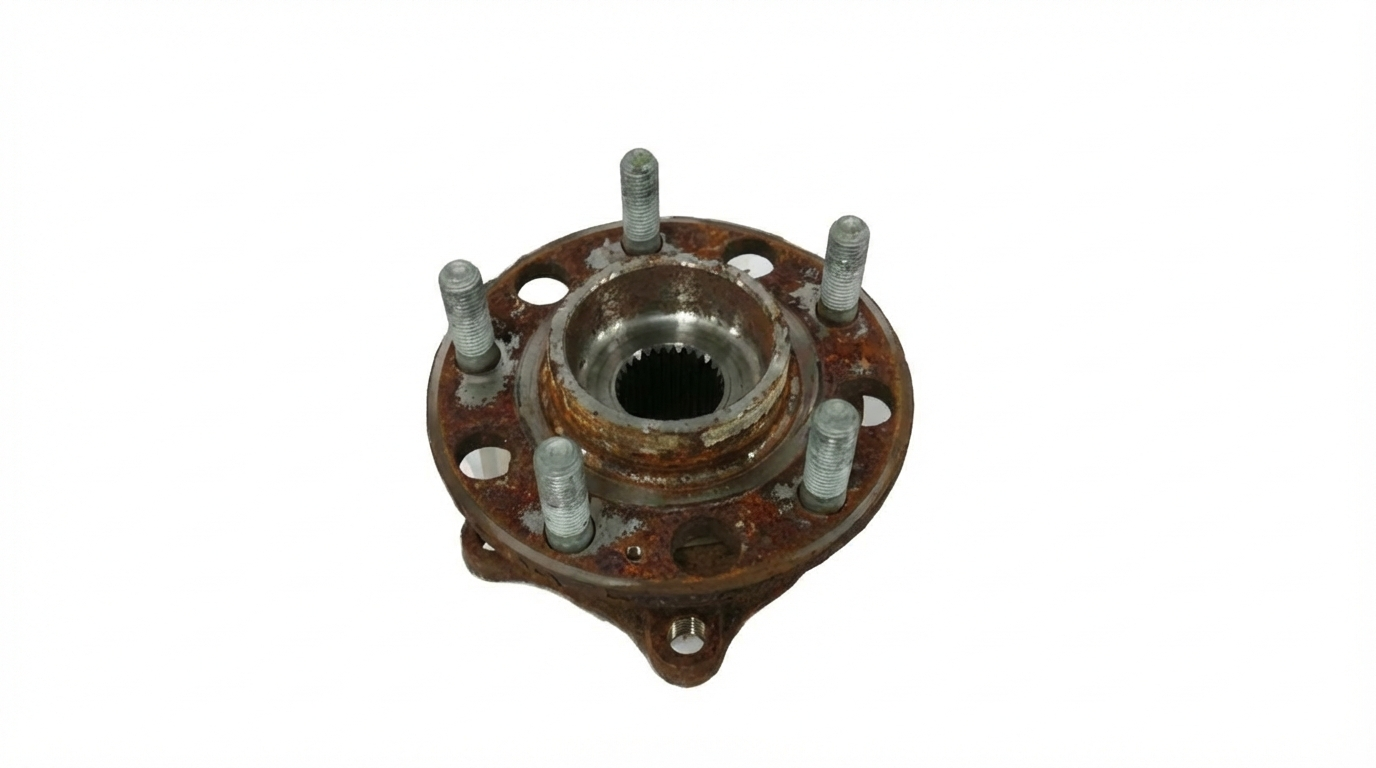
On 2019-2026 Ram 3500 Dually trucks, the front wheel mounting system is different from Single Rear Wheel (SRW) models. To accommodate the specific front dually wheel, Ram uses a bolt-on hub extension. This part, often called a 'Wheel House Extension' in official Mopar catalogs, fits between the main hub bearing assembly and the wheel itself. It is crucial to understand this is not the wheel bearing assembly; it is a separate, solid adapter. It fits both 4x4 and 4x2 models, as long as they are Dual Rear Wheel (DRW) configurations, including both pickup and chassis cab styles.
Symptoms of a Failing or Loose Hub Extension
Because the hub extension is a solid piece of metal, it does not 'wear out' like a bearing. Failure is typically related to cracks from stress, improper installation, or damage from an impact. The symptoms can often mimic other front-end problems, making diagnosis tricky.
- Vibration at Speed: The most common symptom is a new or worsening vibration felt in the steering wheel, typically between 50-75 mph. This can be caused by an extension that is warped, cracked, or was installed without being perfectly flush, creating a 'runout' condition similar to an unbalanced tire.
- Clunking or Clicking Noises: A clunking or clicking sound from the front wheel area, especially when turning or hitting bumps, can indicate that the bolts holding the extension to the hub have loosened. This is a severe safety issue that requires immediate attention.
- Persistent Wheel Balance Issues: If you find that a front wheel cannot seem to stay balanced, even after multiple attempts by a tire shop, the issue may be with the mounting surface of the extension rather than the tire or wheel itself.
- Visible Cracks: In rare cases of extreme stress or a manufacturing defect, the extension can develop cracks. These typically form radiating out from the wheel stud holes. This requires removing the wheel for a thorough visual inspection.
Pro Tip: Many front-end issues on solid-axle trucks like the Ram 3500 can cause vibrations, including worn ball joints, track bar issues, or the hub bearing itself—a condition sometimes called 'Death Wobble'. If you experience severe shaking, inspect all front-end components, but pay special attention to the hub extensions if any recent wheel or brake service was performed.
Known Issues and Recalls
Safety Recall Y60 / NHTSA 21V-398: Wheel Stud Failures
This is the most critical issue related to this part of the truck. FCA issued a recall for certain 2019-2021 Ram 3500 models because incorrect torque specifications in the service and owner's manuals could lead to mechanics over-torquing the wheel lug nuts. Over-torquing can stretch, or 'yield', the wheel studs, causing them to weaken and potentially break. A broken stud can lead to wheel separation while driving.
The recall procedure involves a dealer inspecting all wheel studs with a special 'Go/No-Go Gauge' to check for stretching and replacing any failed studs. Even if your truck is outside the specific recall VIN range, this highlights the absolute importance of using a calibrated torque wrench for installation.
Warning: Never allow a mechanic to use an impact wrench ('Ugga Dugga') to tighten the lug nuts on your truck to their final torque. Insist on the use of a calibrated torque wrench set to the manufacturer's specification.
Buying a Used Wheel Hub Extension
Since new aftermarket versions of this specific OEM extension are not readily available, a used OEM part is a common and viable replacement option. Because it's a solid metal part without bearings or electronics, a used extension in good condition is functionally identical to a new one. When buying used, perform a careful inspection.
- Check for Cracks: Meticulously inspect the entire part, paying close attention to the area around each wheel stud hole. Reject any extension with visible cracks, no matter how small.
- Verify Flatness: Lay the extension on a known flat surface (like a piece of thick glass or a machinist's block) to check both mounting faces. It should sit perfectly flat with no rocking or gaps. A warped extension will cause persistent vibrations.
- Inspect Stud Threads: If the extension comes with studs, check that the threads are clean and not stripped or damaged. It is often recommended to press out the old studs and install new ones.
- Source Matters: A part from a lower-mileage, non-wrecked vehicle is always preferable. Damage from a front-end collision could cause unseen stress fractures in the extension.
Replacement Procedure and Torque Specs
Replacing the hub extension is a straightforward job for a DIY mechanic with the right tools. The process involves removing the wheel, the brake caliper, and the caliper bracket. The extension is then unbolted from the main hub assembly.
Torque specifications are absolutely critical for safety. Improper torque can lead to component failure and wheel separation.
| Component | Torque Specification | Notes |
|---|---|---|
| Hub Extension to Hub Assembly Bolts | Confirm with Service Manual | While 4th Gen trucks used a spec around 128-145 ft-lbs, the exact spec for the 2019+ models must be confirmed with an official Ram service manual. Do not guess. |
| Wheel Lug Nuts (Wheel to Hub Extension) | ~140-150 ft-lbs | This can vary by year and stud size. Always confirm the exact spec in your owner's manual for your specific year. Tighten in a star pattern. |
| Brake Caliper Bracket Bolts | ~250-260 ft-lbs | This is a very high torque spec and requires a large torque wrench. This is for the large bolts holding the caliper mounting bracket to the knuckle. |
| Hub/Bearing Assembly to Knuckle Bolts | ~150 ft-lbs | This applies only if you are also replacing the main hub bearing assembly. |
Warning: The mounting surfaces of both the main hub assembly and the hub extension must be perfectly clean and free of rust or debris before installation. Any debris trapped between them will cause the parts to be misaligned, resulting in severe vibration.
Cost of Replacement
Pricing can vary by supplier and location. The following is an estimated breakdown of costs.
| Part / Service | Estimated Cost | Notes |
|---|---|---|
| New OEM Hub Extension (Each) | $230 - $275 | Part number 68449628AB. Sold individually. |
| Used OEM Hub Extension (Each) | $100 - $175 | Price depends on condition and source. |
| New Aftermarket Hub Extension | Not Available | Direct-fit aftermarket replacements for the OEM extension are not commonly sold. Results are typically for generic spacers. |
| Shop Labor (Extension Only) | $125 - $200 per side | Estimated 1.0-1.5 hours of labor. This is less than a full hub assembly replacement. |
Frequently Asked Questions (FAQ)
Is this the same as a wheel hub and bearing assembly?
No. This is a solid metal spacer or adapter that bolts to the wheel hub and bearing assembly. The wheel hub and bearing assembly is the part that contains the actual bearings and the ABS sensor. This extension is only used on Dual Rear Wheel (DRW) models.
Can I reuse the bolts that hold the extension to the hub?
It is generally recommended to use new bolts, especially for critical suspension and wheel components. If you must reuse the old bolts, ensure they are clean, the threads are in perfect condition, and apply a drop of medium-strength (Blue) thread locker before torquing to specification.
Do I need a wheel alignment after replacing a hub extension?
While replacing the extension itself does not directly change alignment angles, it is a good practice to have the alignment checked. If the old part was damaged or causing a wheel position issue, a new part will change it back, and an alignment will ensure everything is set to factory specifications.
Can I use this part to put dually wheels on my SRW Ram 2500/3500?
While some people do this, it is not recommended. This part is designed as a component of the complete DRW front axle system. Using it on a Single Rear Wheel truck to create a 'dually look' may change the scrub radius and place unintended stress on the wheel bearings, ball joints, and steering components.
Technical Specifications
OEM Part Numbers: 68449628AB 68449628AA
Fits 2019-2026 Ram 3500 Dual Rear Wheel (DRW) models, both 4x2 and 4x4. Solid cast metal construction. Mounts to the main hub assembly to provide the correct offset for dually front wheels.
We Have This Part in Stock



The information in this article is provided for general reference and educational purposes only. Vehicle specifications, procedures, and part compatibility can vary by production date, trim level, and region. Always consult your vehicle's factory service manual and verify part numbers before purchasing or performing repairs. Safety-critical components such as airbags, seat belts, and braking systems should be installed by a qualified professional.
- Ram 3500:
- 🛍️ Shop This Part
- Understanding the Ram 3500 DRW Hub Extension
- Symptoms of a Failing or Loose Hub Extension
- Known Issues and Recalls
- Safety Recall Y60 / NHTSA 21V-398: Wheel Stud Failures
- Buying a Used Wheel Hub Extension
- Replacement Procedure and Torque Specs
- Cost of Replacement
- Frequently Asked Questions (FAQ)
- 🎟️ Get 5% Off