

1985 Honda CRX Si Wheel: A Guide to the Original 13-inch Alloy
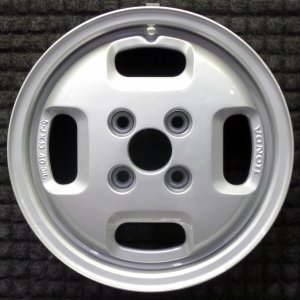
This guide covers the unique specifications, common failure symptoms, and inspection process for the original 13x5 alloy wheels on the 1985 Honda CRX Si.
- The original 1985 CRX Si wheel is a 13x5 alloy with a 4x100mm bolt pattern and a +40mm offset; these specs are critical for fitment.
- New OEM wheels are discontinued. Used OEM wheels are the primary source, but must be carefully inspected for cracks, bends, and previous repairs before buying.
- Symptoms of a bad wheel include vibration, constant air loss, and the vehicle pulling to one side.
- It is not safe to drive on a cracked wheel. Even if repaired, its structural integrity is compromised. Replacement is the only safe option.
Symptoms of a Damaged Wheel
A damaged wheel can compromise vehicle safety and performance. Unlike many other car parts, a failing wheel often gives clear physical or sensory signals. Ignoring these can lead to tire failure, loss of control, or damage to other suspension components.
- Vibration or Shaking: This is the most common symptom of a bent or out-of-round wheel. You may feel a vibration through the steering wheel at certain speeds, which can sometimes be mistaken for a simple tire balancing issue.
- Poor Handling: The car may feel like it's pulling to one side, or the steering may feel "slushy" and unresponsive. This can happen if a bent rim affects the car's alignment.
- Uneven Tire Wear: A damaged wheel can cause the tire to make improper contact with the road, leading to accelerated or uneven tread wear.
- Constant Air Loss: If a tire consistently loses air without any obvious punctures, the wheel rim may be bent or cracked, preventing a proper seal with the tire bead.
- Visible Damage: A visual inspection may reveal obvious cracks, dents, or large scrapes (curb rash). Cracks are especially dangerous as they can lead to catastrophic wheel failure.
- Thumping Noises: A rhythmic thumping sound that changes with vehicle speed can indicate a bent wheel that is causing the tire to move unevenly.
Buying a Used 1985 CRX Si Wheel: A Step-by-Step Inspection Guide
Finding a good used original wheel for a classic car like the 1985 CRX Si is crucial for maintaining its authenticity and performance. Since new OEM wheels are discontinued, the used market is your primary source. Here’s how to inspect a potential purchase:
1. Visual Inspection: The First Look
- Check for Cracks: Carefully inspect the entire wheel, front and back. Pay close attention to the areas around the lug nut holes and where the spokes meet the rim. Even a small crack is a deal-breaker, as it can lead to total wheel failure.
- Look for Welds or Repairs: Examine the back side of the wheel for any signs of welding. A previous crack repair indicates a weak spot that is likely to fail again.
- Assess Curb Rash: Scrapes and gouges from hitting curbs are common. Minor cosmetic rash can often be refinished, but deep gouges can create stress points and may indicate a more significant impact that could have bent the wheel.
- Inspect the Bead Seat: Check the inner and outer edges of the rim where the tire seals. Corrosion or damage in this area can cause slow air leaks that are difficult to fix.
2. The "Flat Surface" Test for Bends
A visual inspection may not reveal a subtle bend. Use this simple test:
- Lay the wheel on a flat, level surface with the front (face) side down.
- Press down on the wheel at various points. It should sit perfectly flat with no rocking or wobbling.
- Flip the wheel over and repeat the test with the back side down. Any wobble indicates a bend.
- For a more thorough check, spin the wheel while it's jacked up on a vehicle or on a tire balancer and watch for any side-to-side or up-and-down movement.
Pro Tip: The original 1985 CRX Si wheels are different from the wheels on the 1986-1987 Si models. Ensure you are buying the correct style for your 1985 model if originality is important.
Technical Specifications and Part Numbers
Verifying the specifications is essential to ensure proper fitment. Using a wheel with the wrong specs can lead to rubbing, stress on wheel bearings, and poor handling.
| Specification | Value |
|---|---|
| Vehicle Fitment | 1985 Honda CRX Si |
| OEM Part Number | 42700-SB2-910 (Discontinued) |
| Alternative Part Number | 1889310 (This is a common industry catalog number, not a Honda OEM number) |
| Size | 13x5 inches |
| Bolt Pattern | 4x100mm |
| Offset | +40mm |
| Center Bore | 56.1mm (Note: Some aftermarket wheels may have a larger bore like 59.1mm and require hub-centric rings) |
| Original Tire Size | 175/70R13 |
Warning: Using a wheel with the incorrect offset can be dangerous. Too little offset (a lower number) pushes the wheel outward, potentially causing it to rub on the fender. Too much offset (a higher number) pulls the wheel inward, where it can interfere with suspension components like struts and control arms. Both scenarios can also cause premature wear on wheel bearings.
Known Issues, Recalls, and Service Bulletins
For a vehicle of this age, specific wheel-related recalls or Technical Service Bulletins (TSBs) are not a significant concern. Searches of the National Highway Traffic Safety Administration (NHTSA) database show no open recalls for the wheels on the 1985 Honda CRX. Any recalls from that era, such as those for seatbelts, would have been addressed decades ago. The primary issues today relate to age, damage from road hazards, and corrosion.
Refinishing and Paint Matching
While wheels themselves are not paint-matched to the body, you might need your vehicle's paint code for other repairs. For the 1985 Honda CRX, the paint code is typically found on a sticker in the driver's side door jamb. The original 1985 Si wheels had a standard silver painted alloy finish.
If you have a used wheel with cosmetic damage, refinishing is an option. This process typically involves stripping the old finish, repairing curb rash, and then powder coating or painting the wheel. The cost for professional refinishing can vary.
- Standard Powder Coating: Expect to pay approximately $150 - $200 per wheel. This process is more durable than traditional paint.
- Straightening/Welding: If the wheel is bent or has a small crack, repair can cost an additional $150 or more, but is only recommended for minor damage.
Cost of a 1985 Honda CRX Wheel
Pricing for these wheels can vary widely based on condition and availability.
| Part Type | Estimated Cost | Notes |
|---|---|---|
| New OEM | N/A | The original part (42700-SB2-910) has been discontinued by Honda and is no longer available new. |
| New Aftermarket | $70 - $100 per wheel | This is typically for a basic steel wheel or a generic alloy wheel in the correct size. Finding a 13x5 alloy can be difficult. |
| Used OEM | $75 - $250 per wheel | Price is highly dependent on condition. A pristine, ready-to-mount wheel will be at the high end, while a scuffed or slightly damaged one will be cheaper. |
| Wheel Refinishing | $150 - $250 per wheel | Cost to repair and restore a damaged used wheel. |
| Shop Labor (Mount & Balance) | $25 - $50 per wheel | Cost to have a tire mounted onto the wheel and balanced. |
Frequently Asked Questions (FAQ)
Can I use a wheel from a different Honda model?
Yes, many Honda models from the 1980s and 1990s used the same 4x100mm bolt pattern. However, you must also match the offset (+40mm) and center bore (56.1mm) to ensure proper fit and safety. Wheels from a similar era Civic may be compatible.
What's the difference between the 1985 Si wheel and wheels from other CRX trims?
The 1985 CRX Si came standard with the 13x5 alloy wheels. Lower trims like the DX and HF often came with 13-inch steel wheels and hubcaps, which are a different style and heavier.
Is it safe to repair a cracked alloy wheel?
It is generally not recommended. While welding a crack is possible, it creates a weak point in the wheel's structure. A cracked wheel has lost its integrity and is at a higher risk of failing completely, which can be extremely dangerous while driving. It is always safer to replace a cracked wheel.
Why can't I find new 13-inch performance tires easily?
The 13-inch wheel size has become uncommon for modern cars. As a result, the selection of tires, especially performance-oriented ones, is much more limited than it was in the 1980s and 90s. You may need to search specialty tire suppliers.
Technical Specifications
OEM Part Numbers: 42700-SB2-910
Size: 13x5 inch, Bolt Pattern: 4x100mm, Offset: +40mm, Center Bore: 56.1mm, Finish: Painted Silver Alloy
We Have This Part in Stock

The information in this article is provided for general reference and educational purposes only. Vehicle specifications, procedures, and part compatibility can vary by production date, trim level, and region. Always consult your vehicle's factory service manual and verify part numbers before purchasing or performing repairs. Safety-critical components such as airbags, seat belts, and braking systems should be installed by a qualified professional.
- Honda CRX:
- 🛍️ Shop This Part
- Symptoms of a Damaged Wheel
- Buying a Used 1985 CRX Si Wheel: A Step-by-Step Inspection Guide
- 1. Visual Inspection: The First Look
- 2. The "Flat Surface" Test for Bends
- Technical Specifications and Part Numbers
- Known Issues, Recalls, and Service Bulletins
- Refinishing and Paint Matching
- Cost of a 1985 Honda CRX Wheel
- Frequently Asked Questions (FAQ)
- 🎟️ Get 5% Off