

Ford Super Duty Wheels (2005-2025): A Guide to Bolt Patterns, Corrosion, and Dually vs. SRW Fitment
This guide covers the critical differences between Single Rear Wheel (SRW) and Dual Rear Wheel (DRW) wheels for your Ford F-250, F-350, F-450, or F-550 Super Duty.
- The most critical factor is matching the wheel to your truck's configuration: Single Rear Wheel (SRW) or Dual Rear Wheel (DRW). They are not interchangeable.
- There are three main bolt patterns: 8x170mm (F-250/350 SRW), 8x200mm (F-350 DRW), and 10x225mm (F-450/550 DRW).
- Corrosion around the valve stem and bead seat is a common problem on aluminum wheels and can lead to air leaks, as noted in Ford TSB 22-2389.
- Ford's two-piece lug nuts are known to swell from corrosion, making them difficult to remove. It is highly recommended to replace them with solid one-piece lug nuts.
Critical Compatibility: SRW vs. DRW and Bolt Patterns

Before buying a replacement wheel for your Ford F-250, F-350, F-450, or F-550, you must first identify your truck's axle configuration. The single most common and costly mistake is purchasing a wheel that does not match your truck's Single Rear Wheel (SRW) or Dual Rear Wheel (DRW, or "Dually") setup. These systems use entirely different wheels that are not interchangeable.
🎬 Watch: Dually vs Single Rear Wheel pickups explainedWarning: Never attempt to install a Single Rear Wheel (SRW) wheel on a Dually truck, or vice-versa. The bolt patterns and offsets are different and doing so is extremely dangerous, as it can lead to wheel failure, wheel separation from the vehicle, and loss of control.
There are three primary wheel configurations for this range of Super Duty trucks:
| Configuration | Common on Vehicles | Bolt Pattern | Center Bore | Typical Factory Offset |
|---|---|---|---|---|
| Single Rear Wheel (SRW) | F-250, F-350 | 8x170mm | 124.9 mm | +40mm |
| Dual Rear Wheel (DRW) | F-350 | 8x200mm | 141.8 mm | Varies (Front vs. Rear) |
| Dual Rear Wheel (DRW) | F-450, F-550 | 10x225mm | 170.1 mm | Varies (Front vs. Rear) |
As the table shows, F-250 and F-350 SRW trucks have used the 8x170mm bolt pattern consistently since 1999. F-450 and F-550 trucks from 2005 onward use a heavy-duty 10x225mm 10-lug pattern. The F-350 Dually uses its own unique 8x200mm pattern. Always confirm your specific bolt pattern before purchasing.
Understanding Wheel Offset and Why It's Critical
Wheel offset is the distance from the wheel's mounting surface to its centerline. Using a wheel with the incorrect offset, even if the bolt pattern is correct, can cause serious problems on a heavy-duty truck.
- Positive Offset (+): The mounting surface is toward the street-facing side of the wheel, pulling the wheel inward. Most factory Super Duty SRW wheels have a high positive offset (around +40mm).
- Negative Offset (-): The mounting surface is toward the brake-side of the wheel, pushing the wheel outward for a "deep dish" look.
What happens if the offset is wrong?
- Increased Bearing and Suspension Stress: Pushing the wheel further out than intended acts like a longer lever, putting immense strain on wheel bearings, ball joints, and steering components, leading to premature failure.
- Tire and Fender Rubbing: Wheels with incorrect offset can rub against the fender, suspension components, or the frame, especially during turns or when the suspension compresses.
- Poor Handling and Instability: Incorrect offset changes the truck's scrub radius (a key steering geometry angle), which can result in unstable or heavy steering, poor tracking, and increased steering kickback over bumps. This is especially dangerous when towing or hauling a heavy load.
Known Issues, TSBs, and Recalls

Corrosion and Clear Coat Failure
The most common issue with Ford Super Duty aluminum wheels is cosmetic corrosion. This often starts where moisture gets trapped, such as around the valve stem or under stick-on or clip-on wheel weights. The corrosion causes the protective clear coat to bubble, flake, and peel, exposing the raw aluminum underneath to the elements and leading to further pitting and degradation. 🎬 See how to remove peeling clear coat from your wheels While often a cosmetic issue at first, severe corrosion on the wheel's bead seat area (where the tire seals against the rim) can cause slow air leaks.
TSB 22-2389: Air Leak at Valve Stem on DRW Wheels
Ford issued Technical Service Bulletin 22-2389 for some 2017-2020 F-Super Duty trucks with Dual Rear Wheels (DRW) and 17-inch aluminum front wheels. The bulletin addresses a condition where corrosion around the valve stem hole prevents the valve stem from sealing properly, causing a persistent loss of tire pressure. The official repair procedure involves cleaning the corrosion from the valve stem sealing area. This issue was also the subject of a class-action lawsuit for 2017-2018 models, which alleged that galvanic corrosion occurred between the steel alloy valve stem and the aluminum wheel.
Swollen and Seized Lug Nuts
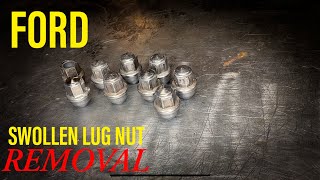
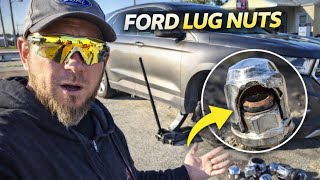
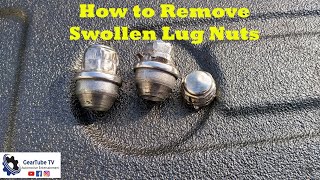
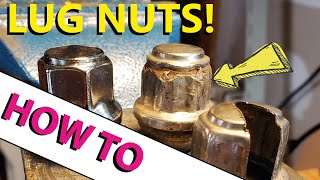
A widespread and frustrating issue for many Ford owners is the two-piece lug nut design. These lug nuts consist of a steel core with a decorative chrome or aluminum cap crimped over it. Over time, moisture gets between the cap and the steel core, causing corrosion. This makes the cap swell, so the factory-supplied lug wrench (typically 21mm) will no longer fit. Trying to force a socket on can round off the cap, making removal extremely difficult, especially during a roadside emergency. Most owners and shops recommend replacing these two-piece lug nuts with solid, one-piece aftermarket lug nuts as a permanent solution.
🎬 Watch: How to remove and upgrade swollen Ford lug nutsRecalls
While there have been recalls for other components on these trucks, such as rear axle shafts and steering columns, there have been no major recalls issued by the NHTSA for the wheels themselves cracking or failing within the specified model years.
Symptoms of a Damaged Wheel
A damaged wheel should be addressed immediately, as it can lead to a catastrophic failure. Be aware of the following symptoms:
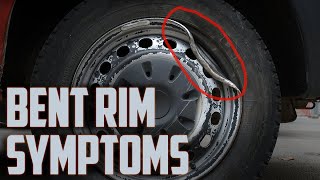
- Vibration: A bent wheel will often cause a noticeable vibration or wobble that is felt through the steering wheel and the entire truck. The vibration typically worsens with speed. This is different from a wheel *bearing* hum, which often changes pitch when turning.
- Constant Air Loss: If a tire continually loses air pressure even after being checked for punctures, the wheel itself may have a hairline crack or severe corrosion on the bead seat.
- Visible Damage: Any visible cracks, especially around the lug holes or where the spokes meet the rim, are a sign of critical failure. A bent lip or flange is also a serious issue.
- Loose Steering Feel: While often related to other components, a severely damaged wheel or worn wheel bearings can contribute to a feeling of looseness or play in the steering.
Pro Tip: To help distinguish between a bent wheel and an out-of-balance tire, note the type of vibration. A rhythmic, side-to-side shake often points to a bent wheel, while a more constant, buzzing vibration is more typical of a balance issue.
Buying a Used Wheel: What to Inspect

Buying a used OEM wheel is an excellent way to save money, but a thorough inspection is crucial for safety. Here’s what to look for:
- Check for Cracks: This is the most important check. Inspect the entire wheel, front and back, with a bright light. Pay close attention to the lug nut holes, the base of each spoke, and the inner/outer lips. Hairline cracks can be hard to see but are a dealbreaker.
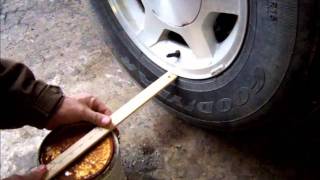
- Check for Bends: Lay the wheel on a flat surface and check if the lip sits flush all the way around. Roll it on a clean, flat floor and watch the lip for any wobble or hop. Even a minor bend can cause vibrations that are impossible to balance out.
- Inspect the Bead Seat Area: Look for deep corrosion, pitting, or gouges where the tire seals against the wheel. Minor corrosion can often be cleaned, but deep pitting may prevent the tire from sealing properly.
- Look for Previous Repairs: Check for signs of welding on the back side of the wheel. Look for inconsistent paint finish, sanding marks, or body filler, which indicate a previous cosmetic repair. A repaired crack is never as strong as the original casting and should be avoided for a heavy-duty truck.
- Verify the Finish: Ford offered many finishes, including polished aluminum, PVD chrome, and various painted colors like "Sparkle Silver" or "Magnetic Gray". Make sure the finish matches your other wheels, as refinishing can be costly.
- Check the Lug Nut Seats: The tapered holes where the lug nuts sit should be round and free of damage or elongation. Damaged seats can prevent the lug nuts from torquing down correctly.
Wheel Finishes and Refinishing
Unlike body panels, wheels do not use a standard paint code. They are identified by their finish type. Common finishes on Super Duty trucks include:
- Polished Aluminum (often with a protective clear coat)
- Painted Silver (e.g., "Sparkle Silver")
- Machined Face with Painted Pockets (e.g., charcoal or black)
- PVD Chrome (a durable alternative to traditional chrome plating)
- Painted Steel (typically on base model or spare wheels)
If a used wheel has curb rash or clear coat failure, it can be professionally refinished. Costs typically range from $125 to $250 per wheel, depending on the extent of the damage and the complexity of the finish. Powder coating is another durable option that costs around $165+ per wheel but requires more prep work.
Cost of Replacement Wheels
Prices can vary significantly based on size, style, and condition.
| Part Type | Estimated Cost (per wheel) | Notes |
|---|---|---|
| New OEM | $450 - $1,000+ | Varies greatly by size and finish. A 20-inch polished or chrome wheel can be very expensive. |
| New Aftermarket | $180 - $400+ | Ensure the wheel has the correct load rating for your truck. Quality can vary. |
| Used OEM | $150 - $500 | A cost-effective option. Price depends heavily on condition, with curb rash or corrosion lowering the value. |
| Labor to Swap Tire/TPMS | $25 - $50 | Cost for a tire shop to mount and balance your existing tire and TPMS sensor onto the replacement wheel. |
Frequently Asked Questions
Will F-250 wheels fit on an F-350?
Yes, if both trucks are Single Rear Wheel (SRW) models from 1999 or newer. They both use the 8x170mm bolt pattern and have similar offset and center bore requirements. However, if the F-350 is a Dually (DRW), the wheels are not interchangeable.
What is the torque spec for Super Duty lug nuts?
For 2011-2024 F-250 and F-350 models, the recommended lug nut torque is 165 lb-ft. It is critical to use a torque wrench and tighten in a star pattern. Ford also recommends re-torquing the lug nuts after 100 miles of driving following any wheel service.
Can I repair a cracked aluminum wheel?
While it is technically possible to weld a cracked aluminum wheel, it is strongly discouraged for a heavy-duty truck like a Super Duty. The welded area will not have the same strength as the original cast or forged aluminum, creating a dangerous weak point that could fail under load. A cracked wheel should always be replaced.
Why are my factory lug nuts swelling?
Ford used a two-piece lug nut design with a steel core and a thin metal cap. Moisture and road salt get trapped between the layers, causing corrosion that makes the cap swell. This prevents a standard socket from fitting. The best solution is to replace them with a set of solid, one-piece lug nuts.
Helpful Videos


Technical Specifications
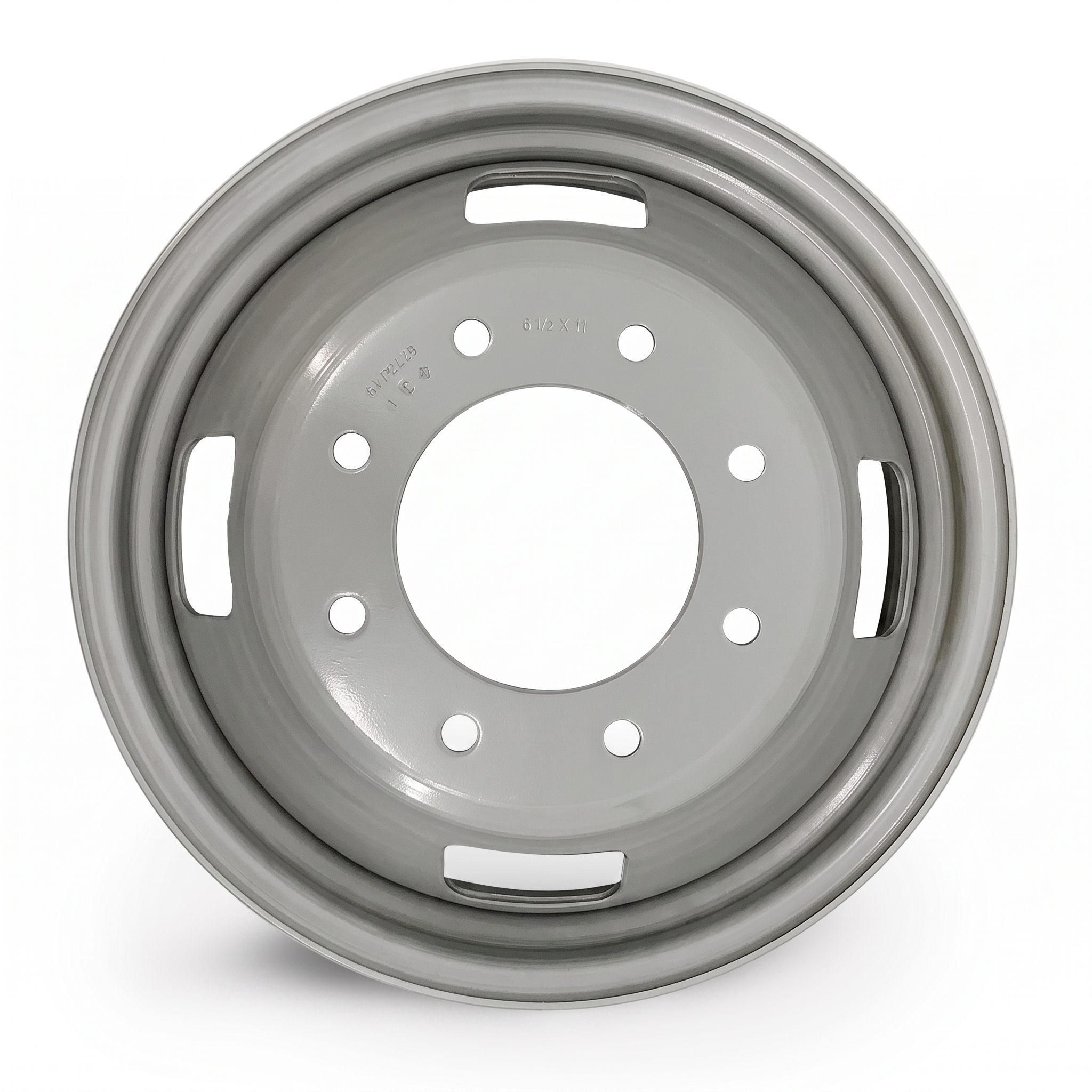
OEM Part Numbers: 5C3Z1007JA 9C341007JA CC3Z1007A DC341007PA DC341007RA DC341007RB DC341007RC 5C3Z1130KA 5C3Z1130LA 9G34-1007-CA BC3Z1130C CC3J1007AA DC34100 DC34PA DC34RA
SRW Bolt Pattern: 8x170mm | F-350 DRW Bolt Pattern: 8x200mm | F-450/550 DRW Bolt Pattern: 10x225mm | SRW Center Bore: 124.9mm | F-450/550 Center Bore: 170.1mm | SRW Factory Offset: ~+40mm | Lug Nut Torque: 165 lb-ft (2011+ models)
We Have This Part in Stock





The information in this article is provided for general reference and educational purposes only. Vehicle specifications, procedures, and part compatibility can vary by production date, trim level, and region. Always consult your vehicle's factory service manual and verify part numbers before purchasing or performing repairs. Safety-critical components such as airbags, seat belts, and braking systems should be installed by a qualified professional.
- Ford F-350 Super Duty:
- Ford F-250 Super Duty:
- Ford F-450 Super Duty:
- Ford F-550 Super Duty:
- 🎬 Helpful Videos
- 🛍️ Shop This Part
- Critical Compatibility: SRW vs. DRW and Bolt Patterns
- Understanding Wheel Offset and Why It's Critical
- Known Issues, TSBs, and Recalls
- Corrosion and Clear Coat Failure
- Swollen and Seized Lug Nuts
- Recalls
- Symptoms of a Damaged Wheel
- Buying a Used Wheel: What to Inspect
- Wheel Finishes and Refinishing
- Cost of Replacement Wheels
- Frequently Asked Questions
- 🎟️ Get 5% Off