

1979 Cadillac Eldorado 'Slot Type' Wheel Cover: A Buyer's and Owner's Guide
This guide covers the specific 'slot type' wheel cover for the 1979 Cadillac Eldorado, focusing on identification, common issues, and what to look for when buying a used original.
- This is the 'slot type' wheel cover, specific to the 1979 Eldorado, and should not be confused with the optional wire wheel covers.
- When buying a used cover, the condition of the rear retaining clips is more important than minor cosmetic flaws on the front.
- Installation is easy, but you must align the valve stem cutout and ensure the cover is fully and evenly seated to prevent it from falling off.
- There are no recalls or TSBs for this part; the main issue is loss due to fatigued clips or improper installation.
Part Overview: The 1979 Eldorado 'Slot Type' Wheel Cover
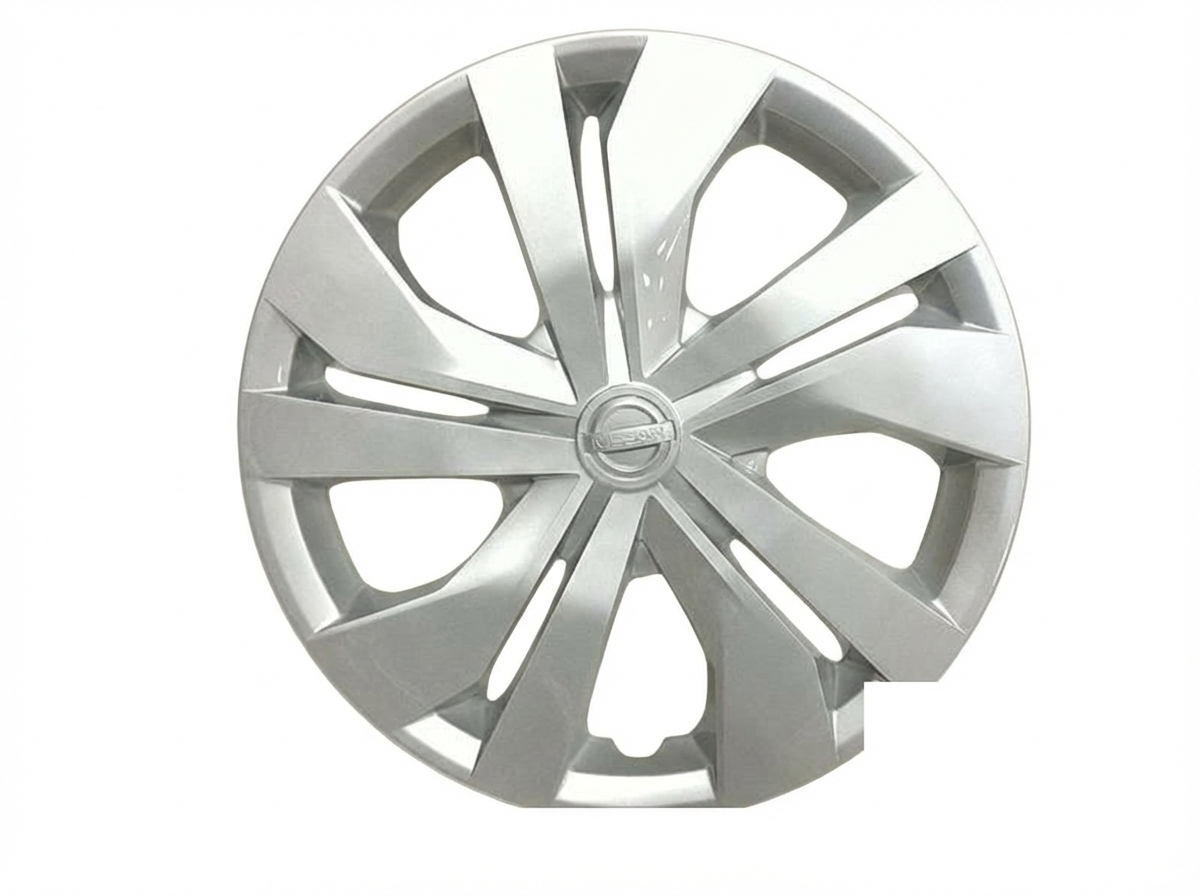
For the 1979 model year, Cadillac downsized the Eldorado, introducing a new generation with unique styling. One of the distinctive features was the standard 15-inch 'slot type' wheel cover. This specific design is made of stainless steel and features a series of rectangular vents or 'slots' around its perimeter. These covers were designed to fit the 15-inch factory steel wheels that came standard on the vehicle. It is important to distinguish this style from other options available at the time, such as the more intricate wire wheel covers. This guide focuses exclusively on the 'slot type' cover.
Compatibility Warning
Warning: These wheel covers are specific to the 1979 Cadillac Eldorado with 15-inch factory steel wheels. They will not fit aftermarket wheels or wheels of a different size. Always verify you have the correct 'slot type' design, as other styles like wire wheel covers were also available and are not interchangeable in terms of appearance.
Symptoms of a Failing or Damaged Wheel Cover
Failure for a cosmetic part like a wheel cover is different from a mechanical component. The primary issues are related to noise, appearance, and the risk of the cover falling off the vehicle.
- Rattling or Clicking Noises: A loose-fitting wheel cover will often rattle or click, especially at low speeds or when going over bumps. This is usually caused by weakened or bent retaining clips on the back of the cover.
- Visible Damage: This is the most common symptom. Look for curb rash (scrapes and gouges around the edge), dents from impacts, and peeling or faded center medallions. Stainless steel is resistant to rust, but can still suffer from pitting and scratches.
- The Cover is Missing: The most critical failure is when the wheel cover detaches from the vehicle while driving. This not only affects the car's appearance but also creates a dangerous road hazard for other drivers. This is almost always due to improper installation or fatigued retaining clips.
Buying a Used 1979 Eldorado Wheel Cover
Given the age of the vehicle, finding a New Old Stock (NOS) wheel cover is rare and expensive. Most owners will be purchasing used (recycled) OEM parts. Here’s what to inspect to ensure you get a quality part.
1. Inspect the Front Face
Look for deep scratches, dents, and curb rash. Minor scuffs can often be polished out, but deep gouges in the stainless steel are permanent. Check the condition of the center medallion; they can become faded, yellowed, or cracked over time. A cover in 'daily driver' condition will have some minor dings and scratches, which is acceptable for many owners.
2. Examine the Rear Retaining Clips
This is the most critical inspection point. Turn the cover over and examine the metal clips that hold it to the wheel.
- All Clips Must Be Present: Ensure none of the clips are broken or missing.
- Check for Tension: The clips should be firm and springy. If they are bent flat or feel weak, they won't hold the cover securely to the wheel, and it will be at high risk of falling off.
- Look for Cracks: Inspect the area where the clips are attached to the cover itself. Stress cracks can form here, compromising the mounting.
Pro Tip: When buying online, ask the seller for a clear, well-lit photo of the back of the wheel cover. This allows you to inspect the retaining clips, which are more important for function than the cosmetic condition of the front.
3. Verify Authenticity
Original OEM wheel covers are made of heavy-gauge stainless steel. They feel substantial in your hands. Aftermarket replacements, if you can find them, are often made of thinner steel or even chrome-plated plastic and will feel much lighter and flimsier. Look for any original GM part numbers or markings on the back side.
Installation and Removal
Installation is straightforward but must be done carefully to avoid damaging the cover or having it fall off later.
Difficulty: 1/5 (Beginner)
Removal
- Use a hubcap puller or a large, flat-blade screwdriver.
- If using a screwdriver, wrap the tip in a thick rag to prevent scratching the wheel cover or the wheel itself.
- Insert the tool into the pry point or gently between the cover and the wheel, and carefully pry outwards.
- Work your way around the cover, prying a little at a time until it pops off.
Installation
- Align the valve stem cutout on the wheel cover with the tire's valve stem. This is a critical step.
- Place the cover onto the wheel, ensuring it is straight.
- Give the cover a firm blow with the heel of your hand on the edge to start seating the clips.
- Work your way around the cover, striking it firmly with the palm or heel of your hand to seat all the clips. A rubber mallet can be used, but tap gently to avoid dents.
- An alternative method is to place your back against a wall and use your feet (with soft-soled shoes) to apply even pressure to the face of the cover until it snaps into place.
- Once installed, grab the edges of the cover and try to pull it. It should feel tight and secure with no movement.
Known Issues, TSBs, and Recalls
There are no specific recalls or Technical Service Bulletins (TSBs) from Cadillac or the NHTSA related to the wheel covers on the 1979 Eldorado. The primary known issue is the tendency for the covers to fall off if the retaining clips are damaged, weak, or if the cover was not installed correctly. This is a common issue for all vehicles of this era with this style of push-on wheel cover.
Cost Comparison
Pricing for these wheel covers can vary widely based on condition and source.
| Part Type | Estimated Cost (per cover) | Notes |
|---|---|---|
| New Old Stock (NOS) OEM | $200 - $400+ | Extremely rare. For concours restorations. Price is highly variable. |
| Used OEM (Excellent Condition) | $100 - $175 | Minimal to no scratches or dents, bright finish. |
| Used OEM (Driver Quality) | $40 - $90 | May have minor dings, scratches, or curb rash but is fully functional. |
| New Aftermarket | Not Generally Available | Reproduction of this specific wheel cover is not common. |
| Shop Labor | $0 - $25 | Installation is a simple DIY task. A tire shop might charge a minimal fee if doing it as a standalone job. |
Frequently Asked Questions (FAQ)
Will a wheel cover from an Oldsmobile Toronado fit my Eldorado?
While the 1979 Oldsmobile Toronado was also a front-wheel-drive E-body platform and used a similar 15-inch wheel, its 'slot type' wheel cover has a different design and center cap. For a correct factory appearance, you must use the Cadillac-specific wheel cover.
Can I repair a dented stainless steel wheel cover?
Minor dents can sometimes be carefully tapped out from the backside using a hammer and dolly. However, stainless steel is very rigid, and amateur repairs often make the damage look worse. Deep dents or creases are generally not repairable.
How can I prevent my wheel cover from being stolen or falling off?
To prevent loss, the best method is to ensure the retaining clips are in excellent condition and the cover is fully seated during installation. For theft prevention, some owners use a small amount of clear silicone adhesive behind the cover, though this makes removal more difficult. Another common classic car method is to use a plastic zip tie, looped through one of the slots and around a spoke of the steel wheel behind it.
Is the center medallion replaceable?
Yes, the center medallion and its bezel are a separate assembly. On original covers, they are typically held in place by bending metal tabs on the back of the wheel cover. You can find reproduction or used medallions, allowing you to refresh a cover that is in good physical shape but has a poor-quality emblem.
Technical Specifications
OEM Part Numbers: 01613615 1613615 01614238 1614238 01618310 1618310
Fits 15-inch factory steel wheels. Material: Stainless Steel. Style: 'Slot Type' with center medallion.
We Have This Part in Stock

The information in this article is provided for general reference and educational purposes only. Vehicle specifications, procedures, and part compatibility can vary by production date, trim level, and region. Always consult your vehicle's factory service manual and verify part numbers before purchasing or performing repairs. Safety-critical components such as airbags, seat belts, and braking systems should be installed by a qualified professional.
- 🛍️ Shop This Part
- Part Overview: The 1979 Eldorado 'Slot Type' Wheel Cover
- Compatibility Warning
- Symptoms of a Failing or Damaged Wheel Cover
- Buying a Used 1979 Eldorado Wheel Cover
- 1. Inspect the Front Face
- 2. Examine the Rear Retaining Clips
- 3. Verify Authenticity
- Installation and Removal
- Removal
- Installation
- Known Issues, TSBs, and Recalls
- Cost Comparison
- Frequently Asked Questions (FAQ)
- 🎟️ Get 5% Off