

2017-2025 Audi RS3 Wheels: A Guide to 8V & 8Y Staggered Setups, Offsets, and Common Issues
This guide covers the critical differences in wheel sizes, offsets, and fitments between the 8V and 8Y generations of the Audi RS3, helping you choose the correct replacement.
- The single most important factor is your vehicle's generation: 2017-2020 (8V) and 2022-2025 (8Y) wheels have drastically different offsets and are not interchangeable.
- Audi used complex 'reverse staggered' and 'staggered' setups with different wheel/tire sizes front-to-rear, so you must verify the size of the specific wheel you are replacing (front or rear).
- When buying a used wheel, always inspect it for hairline cracks on the inner barrel and for signs of previous weld repairs, as these indicate structural weakness.
- Vibrations are a common complaint on the RS3; before suspecting a major problem, have the wheel and tire assembly checked with a road-force balancer.
Critical: 8V vs. 8Y Generation Differences

Warning: The wheels for the 2017-2020 (8V) and 2022-2025 (8Y) Audi RS3 are NOT directly interchangeable without significant modifications. They have vastly different factory offsets. Installing the wrong generation's wheels will cause improper fitment, potential rubbing, and unsafe handling.
Before purchasing a replacement wheel, you must correctly identify your RS3 generation:
- 2017-2020 Audi RS3 (8V Platform): These models typically use wheels with a higher, more conventional offset. Factory setups were often a "reverse stagger," with wider tires on the front axle. Wheels could be a "square" setup (all four wheels are the same size) or a staggered setup with wider wheels in the front.
- 2022-2025 Audi RS3 (8Y Platform): These models use a much more aggressive factory staggered setup with a very low offset in the front and a high offset in the rear. This was engineered to widen the front track for improved turn-in. A typical OEM setup is 19x9" ET25 front and 19x8" ET46 rear.
Symptoms of a Damaged Wheel

Wheel issues can range from cosmetic annoyances to critical safety failures. Here’s what to look and feel for:
- Vibration: A bent or out-of-balance wheel will often cause a noticeable vibration in the steering wheel or through the seat, typically at highway speeds (45-70 mph). RS3 owners frequently report chasing down vibrations, which can be caused by a bent wheel, improper tire balancing, or a defective tire. A road-force balance is often recommended to diagnose these issues.
- Visible Damage: Cracks, significant bends, or chunks missing from the wheel are clear signs of failure. Cracks often start as small, hard-to-see hairline fractures, especially on the inner barrel of the wheel.
- Air Loss: A slow, persistent leak in a tire that isn't punctured can be a sign of a cracked wheel or a bent lip that prevents the tire from sealing properly against the bead.
- Poor Handling: A severely damaged wheel can affect the vehicle's alignment and cause it to pull to one side.
Buying a Used OEM Wheel: Inspection Guide

Due to the high cost of new OEM wheels, a used wheel is a popular choice. However, careful inspection is crucial to avoid buying a damaged or previously repaired part. Here is what to check:
- Check for Bends: Lay the wheel on a flat surface. Look at the lip (the outer edge) on both the front and back. Rotate it and watch for any wobbling or deviation. Even a slight bend can cause vibrations that are impossible to balance out.
- Inspect for Cracks: Clean the wheel thoroughly and inspect it in good light. Pay extremely close attention to the inner barrel (the back side) and around the spokes. Hairline cracks are a common failure point and can be very difficult to spot. A flashlight is your best tool here.
- Look for Signs of Repair: Look for any evidence of welding on the front or back of the wheel. A weld indicates a previous crack. While some repairs can be done properly, a welded wheel is structurally compromised compared to an original. Also, check for fresh paint in one specific area, which could be hiding a cosmetic or structural repair.
- Examine the Lug Bolt Holes: Check for any elongation or damage to the lug bolt seats. This can indicate the wheel was driven while loose.
- Verify the Part Number and Size: The part number, size, and offset are typically stamped on the back of the spokes. Cross-reference this information with the specs for your specific year and model to ensure compatibility.
Pro Tip: When possible, ask the seller to spin the wheel on a balancing machine. This is the fastest way to reveal any bends or wobbles that are hard to see with the naked eye.
Known Issues, TSBs, and Recalls

While there are no recalls specifically for the wheels on the 2017-2025 Audi RS3, some related issues and service bulletins are worth noting:
- Common Vibration Complaints: As mentioned, vibration at speed is a frequent topic in owner forums for both 8V and 8Y generations. The cause is often attributed to the combination of large 19-inch wheels and low-profile tires being sensitive to imbalances and road imperfections. Before assuming a major issue, a high-quality road-force balance is the recommended first step.
- TSB 44 20 75 2058788/1 (8V Models): This informational TSB for 2017-2020 RS3s with the Dynamic Package notes that Audi only approves specific Pirelli PZERO tires. It warns that using other tires, even of the same size, could lead to issues with handling, TPMS, or road noise due to slight dimensional differences.
- TSB 40 23 62 2061464/5 (8V & 8Y Models): This bulletin addresses a cracking noise from the front end when changing direction (e.g., pulling away after reversing). This issue is not the wheel itself, but rather movement of the drive axle in the wheel bearing.
- No Wheel-Related Recalls: As of early 2026, there are no NHTSA safety recalls for cracked or failing wheels on the Audi RS3. Other recalls exist for these models concerning airbag systems and certification labels.
Technical Specifications
Verifying these specifications is the most important step in ensuring you purchase the correct wheel.
2017-2020 Audi RS3 (8V)
| Specification | Value |
|---|---|
| Bolt Pattern | 5x112 mm |
| Center Bore | 57.1 mm |
| Lug Bolt Thread | M14x1.5 |
| Lug Bolt Torque | 120 Nm (89 lb-ft) |
| Common Factory Setups | Square: 19x8 ET42 (Front/Rear) Staggered: 19x8.5 (Front) / 19x8 (Rear) |
2022-2025 Audi RS3 (8Y)
| Specification | Value |
|---|---|
| Bolt Pattern | 5x112 mm |
| Center Bore | 57.1 mm |
| Lug Bolt Thread | M14x1.5 |
| Lug Bolt Torque | 120 Nm (89 lb-ft) |
| Standard Factory Setup | Front: 19x9 ET25 Rear: 19x8 ET46 |
Understanding Wheel Offset
Offset (often marked as 'ET' on the wheel) is the distance from the wheel's mounting hub to its centerline. A lower offset pushes the wheel further out, while a higher offset pulls it further in. Using the wrong offset can cause serious problems:
- Rubbing: The tire can rub against the fender, suspension components, or brake calipers.
- Increased Bearing Stress: Incorrect offset changes the geometry of the suspension and puts additional stress on the wheel bearings, leading to premature failure.
- Unsafe Handling: Altering the vehicle's track width can negatively impact stability and handling characteristics designed by the engineers.
OEM vs. Aftermarket and Refinishing
Quality: Genuine Audi OEM wheels are typically forged or flow-formed, making them strong and relatively lightweight. High-quality aftermarket wheels from reputable brands like BBS, OZ Racing, or APR can meet or exceed OEM standards. However, cheap, cast-aluminum aftermarket wheels are significantly heavier and much more prone to cracking and bending than their OEM counterparts. For durability and safety, a used OEM wheel is often a better choice than a new, cheap aftermarket wheel.
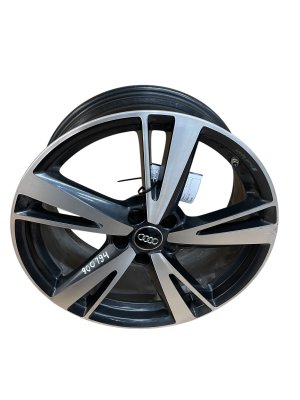
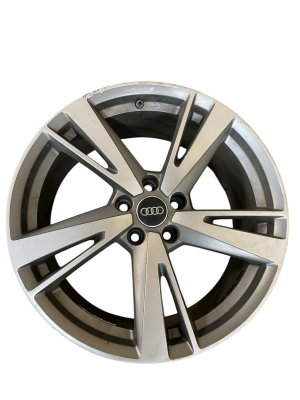
Finish Matching: Audi offers numerous wheel finishes, such as gloss black, matte titanium, or machined faces with painted pockets. These are not identified by a simple paint code. The finish is tied to option packages (like the Black Optics package). To ensure a perfect match, you must visually compare the wheel or find the exact OEM part number. The vehicle's information sticker, located in the spare tire well, contains option codes that can help identify the original package.
Refinishing: A wheel with cosmetic damage like curb rash or clear coat peeling can be professionally refinished. This typically costs $150-$250 per wheel. However, refinishing cannot fix cracks or bends. Be cautious of freshly repainted used wheels, as the paint may hide more serious damage.
Cost Comparison
| Part | Estimated Cost (Single Wheel) |
|---|---|
| New OEM | $800 - $1,350 |
| New Aftermarket | $250 - $900+ |
| Used OEM | $300 - $650 |
| Remanufactured/Refinished OEM | $400 - $700 |
| Shop Labor (Mount & Balance) | $25 - $60 per tire |
| Shop Labor (Wheel Swap) | $75 - $150 per set of four |
Frequently Asked Questions
Can I put 8Y (2022+) wheels on my 8V (2017-2020) RS3?
No, this is not a direct fit. The front 8Y wheel has a much lower offset (ET25) and will stick out too far on an 8V, likely causing fender rubbing and unsafe handling.
What is a 'reverse staggered' setup?
This refers to a vehicle that has wider tires on the front axle than on the rear axle. The 8V RS3 often came this way from the factory (e.g., 255mm front tires, 235mm rear tires) to counteract understeer and improve turn-in.
Why can't I rotate the tires on my RS3?
If your RS3 has a staggered wheel or tire setup (different sizes front and rear), you cannot rotate them in the traditional pattern. This is true for both the 8V reverse-staggered tire setup and the 8Y's staggered wheel size and offset setup.
Where is the wheel size and offset information located?
This information is almost always cast or stamped into the back of the wheel's spokes or on the hub mounting pad. You will see markings like "9Jx19H2 ET25", which indicates a 9-inch width, 19-inch diameter, and a +25mm offset.
Technical Specifications
OEM Part Numbers: 8V0601025EJ 8V0601025EK 8V0601025EL 8V0601025EM 8V0601025EN 8V0601025GD 8V0601025GE 8V0601025GF 8V0601025GG 8V0601025GH 8V0601025GJ 8Y0601025BS 8Y0601025BR 8Y0601025CB 8Y0601025DE 8Y0601025DD
Bolt Pattern: 5x112 mm, Center Bore: 57.1 mm, Lug Bolt: M14x1.5, Torque: 120 Nm (89 lb-ft). Sizes and offsets vary significantly by generation and position (front/rear).
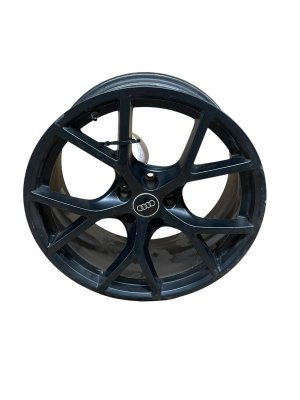
We Have This Part in Stock

The information in this article is provided for general reference and educational purposes only. Vehicle specifications, procedures, and part compatibility can vary by production date, trim level, and region. Always consult your vehicle's factory service manual and verify part numbers before purchasing or performing repairs. Safety-critical components such as airbags, seat belts, and braking systems should be installed by a qualified professional.
- Audi RS3:
- 🛍️ Shop This Part
- Critical: 8V vs. 8Y Generation Differences
- Symptoms of a Damaged Wheel
- Buying a Used OEM Wheel: Inspection Guide
- Known Issues, TSBs, and Recalls
- Technical Specifications
- 2017-2020 Audi RS3 (8V)
- 2022-2025 Audi RS3 (8Y)
- Understanding Wheel Offset
- OEM vs. Aftermarket and Refinishing
- Cost Comparison
- Frequently Asked Questions
- 🎟️ Get 5% Off