

2008-2009 Audi R8 Wheels: A Guide to Staggered Setups, Finishes, and Inspection
This guide details the critical differences between front and rear wheels, how to identify OEM finishes, and what to inspect before buying a used wheel for your 2008-2009 Audi R8.
- The 2008-2009 R8 uses a mandatory staggered setup: 19x8.5 ET42 front and 19x11 ET50 rear wheels are not interchangeable.
- When buying used, the most critical inspection is for cracks or signs of weld repairs, especially on the inner barrel of the wheel.
- Multiple OEM part numbers exist for the same size wheel, denoting different finishes like Polished, Titanium, or Gloss Black. Verify the finish to ensure it matches your set.
- Be aware of the related front frame cracking issue on pre-2010 models; a severe wheel impact could contribute to this much more costly problem.
Key Specifications: Front vs. Rear

The 2008-2009 Audi R8 (Type 42) uses a mandatory staggered wheel configuration. This means the front and rear wheels have different dimensions and are not interchangeable. Installing wheels in the wrong position can cause dangerous handling characteristics and potential damage to the drivetrain or bodywork.
| Specification | Front Wheels | Rear Wheels |
|---|---|---|
| Size | 19-inch x 8.5-inch | 19-inch x 11-inch |
| Offset | +42mm (ET42) | +50mm (ET50) |
| Bolt Pattern | 5x112 | |
| Center Bore | 57.1mm | |
| Common OEM Tire Size | 235/35R19 | 295/30R19 |
Warning: Using a 'square' setup (all four wheels the same size) is not recommended and can interfere with the vehicle's stability control and all-wheel-drive systems. Always verify the part number and dimensions to confirm you are purchasing the correct wheel for the front or rear axle.
OEM Wheel Styles, Finishes, and Part Numbers

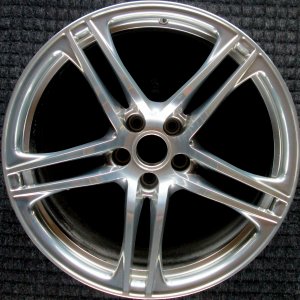
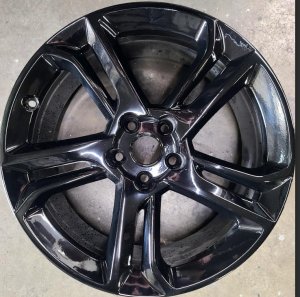
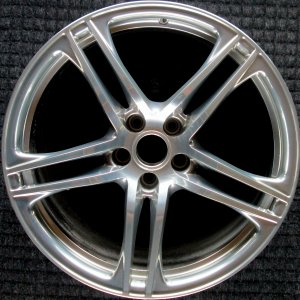
For the 2008-2009 model years, the most common factory wheel was a 5-double-spoke design. However, Audi offered this style in several finishes, leading to different part numbers. A less common but also available option was a 10-Y-spoke design.
- Polished with Silver Vents: A common finish featuring a bright, machined face with painted silver accents inside the spokes.
- Titanium Finish: A darker, metallic gray finish.
- Gloss Black: A full gloss black painted finish.
- Standard Silver: A classic painted silver finish.
Part numbers can be confusing as they are often superseded. The final letters typically denote the finish or a minor revision. Here are some of the known OEM part numbers for the 19-inch wheels:
- Front (19x8.5 ET42): 420601025AC, 420601025B, 420601025AG (Titanium/Diamond Turned), 420601025H (Gloss Black), 420601025AE, 420601025AM (10-Y Spoke).
- Rear (19x11 ET50): 420601025AD, 420601025C.
The part number is typically stamped on the back of one of the spokes.
Symptoms of a Damaged Wheel

A damaged wheel is a serious safety concern. Do not ignore these symptoms.
- Vibration or Shaking: A bent wheel will often cause a noticeable vibration in the steering wheel or through the seat, which worsens with speed.
- Constant Air Loss: If a tire continually loses air without any visible punctures, it could be due to a hairline crack in the wheel, often on the inner barrel.
- Visible Bends or Dents: Any visible deformation, especially on the lip (edge) of the wheel, is a sign of damage.
- Poor Tire Seal: A bent wheel lip can prevent the tire from sealing properly against the rim, leading to slow leaks.
Vehicle-Specific Known Issues, Recalls, and TSBs

Recalls & TSBs
As of mid-2024, there are no specific NHTSA recalls for wheel failures on the 2008-2009 Audi R8. However, there are a few related Technical Service Bulletins (TSBs):
- TSB 40 24 69 (2017148): Addresses a customer complaint of a "chattering/skipping" sensation from the front axle during slow, tight turns (like parking). Audi states this is a normal characteristic of the R8's sport-tuned steering and differential and is not a fault.
- TSB 2077226: Provides diagnostic guidance for a false "loose wheel warning" or tire pressure message, which can sometimes be triggered by issues unrelated to the wheel itself, such as faulty speed sensors.
Major Related Concern: Front Frame Cracking
Owners and potential buyers should be aware of a known issue with the front suspension mounting points on the aluminum frame of R8 models built before mid-2010. Hard impacts from potholes—the same kind that can damage a wheel—can cause stress cracks to form in the frame where the front shock absorber mounts. While not a wheel issue itself, any vehicle that has suffered a significant wheel impact should be inspected in this area by a specialist. A preventative retrofit with reinforcement plates is available.
Buying a Used 2008-2009 Audi R8 Wheel: A Detailed Inspection Guide

Buying a used OEM wheel is an excellent way to save money, but a thorough inspection is crucial to ensure you are getting a safe, straight, and authentic part.
1. Verify Compatibility First
Before you even look at the wheel, confirm it's the right one. Is it for the front (19x8.5 ET42) or rear (19x11 ET50)? Check the part number on the back of the spokes against the lists above. A seller might not know the difference, so you must verify.
2. The Physical Inspection
- Check for Cracks: This is the most important check. Inspect the entire wheel, front and back. Pay extremely close attention to the inner barrel (the "back side" of the wheel), as this is where stress cracks often form and are easily missed.
- Look for Welds: A weld indicates a previous crack repair. While some repairs can be done professionally, a welded wheel is significantly weaker than an original one. On a high-performance car like the R8, a previously cracked and welded wheel is a major red flag. Look for tell-tale signs like uneven surfaces, burn marks on the finish, or a visible bead of metal.
- Inspect for Bends: Lay the wheel on a flat surface and check if the inner and outer lips are level. Look for any dents or flat spots along the edge. Even a minor bend can cause vibrations that are impossible to balance out.
- Examine the Finish: Check for deep curb rash, flaking clear coat, or signs of a cheap repaint (overspray, uneven texture). While cosmetic, this can indicate how the wheel was treated. Refinishing a wheel with a special polished or diamond-cut face can be expensive.
- Check the Lug Holes: The seats for the lug bolts should be clean and free of significant damage or warping. Damaged lug seats can prevent the wheel from being torqued down correctly.
Pro Tip: If possible, ask the seller to spin the wheel on a tire balancer. This is the definitive way to spot a bend that may be invisible to the naked eye. A wobble during the spin is an immediate deal-breaker.
3. OEM Forged vs. Aftermarket Cast
Original Audi R8 wheels are typically high-quality forged aluminum, making them both strong and relatively light. Many cheaper aftermarket "style" wheels are cast aluminum, which is heavier and more brittle. A cast wheel is more likely to crack on impact, whereas a forged wheel is more likely to bend, which is often repairable. For a car with the R8's performance, sticking with a genuine OEM used wheel or a high-quality aftermarket forged wheel is the safest choice.
Cost of Replacement & Refinishing
Prices can vary based on condition, finish, and location. The following is an estimated breakdown:
| Part or Service | Estimated Cost (per wheel) |
|---|---|
| New OEM Wheel | $1,400 - $1,900+ |
| Used OEM Wheel | $300 - $700 |
| Remanufactured OEM Wheel | $450 - $700 |
| New Aftermarket (Cast) | $250 - $500 (Quality and safety can be questionable) |
| New Aftermarket (Forged) | $1,000 - $2,500+ |
| Cosmetic Refinishing (curb rash) | $150 - $250 |
| Structural Repair (straightening) | $125 - $200 |
| Shop Labor (Mount & Balance) | $40 - $75 |
How to Verify Paint Code and Color Match
While wheel finishes are not tied to the vehicle's paint code, you may need this code for other body repairs. The paint code sticker on a 2008-2009 Audi R8 is typically found in the front trunk ('frunk'). You may need to lift the carpet or check the side panels. The sticker will contain a code that is usually two to four characters long and may be a mix of letters and numbers (e.g., LZ7H for Ibis White). This code can also be found in the vehicle's service manual.
For matching wheel finishes, it is best to rely on the part number or a visual comparison in good lighting, as names like "Titanium" or "Polished" can vary slightly between production runs.
Frequently Asked Questions
Can I put a rear R8 wheel on the front?
No. The rear wheel is 2.5 inches wider (11" vs 8.5") and has a different offset. Attempting to fit it on the front will cause it to stick out too far, likely rubbing on the fender and creating unsafe steering and handling dynamics.
Is it safe to repair a cracked R8 wheel?
It is strongly advised not to repair a cracked wheel for a high-performance vehicle like the R8. Welding the aluminum creates a brittle heat-affected zone that is a future failure point. Given the forces involved, replacing the wheel is the only safe option.
Why is my tire pressure light on after replacing a wheel?
This could be due to a few reasons. The Tire Pressure Monitoring System (TPMS) sensor from your old wheel may not have been transferred to the new one, the sensor's battery may be dead, or the system may need to be reset. Ensure a compatible TPMS sensor is installed and functioning correctly.
What is the torque specification for the R8's wheel bolts?
The correct wheel bolt torque for the first-generation Audi R8 is 120 Nm (approximately 89 ft-lbs). Always use a calibrated torque wrench and re-check the torque after driving about 50 miles.
Technical Specifications
OEM Part Numbers: 420601025AC 420601025AD 420601025AG 420601025AL 420601025AM 420601025B 420601025C 420601025H
Front Size: 19x8.5 ET42. Rear Size: 19x11 ET50. Bolt Pattern: 5x112. Center Bore: 57.1mm. Lug Bolt Torque: 120 Nm (89 ft-lbs).
We Have This Part in Stock



The information in this article is provided for general reference and educational purposes only. Vehicle specifications, procedures, and part compatibility can vary by production date, trim level, and region. Always consult your vehicle's factory service manual and verify part numbers before purchasing or performing repairs. Safety-critical components such as airbags, seat belts, and braking systems should be installed by a qualified professional.
- Audi R8:
- 🛍️ Shop This Part
- Key Specifications: Front vs. Rear
- OEM Wheel Styles, Finishes, and Part Numbers
- Symptoms of a Damaged Wheel
- Vehicle-Specific Known Issues, Recalls, and TSBs
- Recalls & TSBs
- Major Related Concern: Front Frame Cracking
- Buying a Used 2008-2009 Audi R8 Wheel: A Detailed Inspection Guide
- 1. Verify Compatibility First
- 2. The Physical Inspection
- 3. OEM Forged vs. Aftermarket Cast
- Cost of Replacement & Refinishing
- How to Verify Paint Code and Color Match
- Frequently Asked Questions
- 🎟️ Get 5% Off