

2012-2018 Audi A6, A7, S6, S7 & RS7 Spare Wheel Guide: Fitment, Warnings & Common Issues
This guide covers the emergency spare wheel for the Audi C7 platform and discusses common problems like bent or cracked standard wheels on these models.
- The primary part number 4G0601027E is a temporary steel spare wheel, not a standard alloy wheel.
- Before buying the spare, verify your trunk has the correct foam inserts and space, as many cars came with only an inflator kit.
- Owners of RS7 models or cars with Carbon Ceramic Brakes must confirm clearance, as this spare likely will not fit over the large brake calipers.
- Standard alloy wheels on these Audis are prone to bending and cracking from potholes; always inspect used wheels for cracks and signs of weld repairs.
The C7 Platform Emergency Spare Wheel: 4G0601027E

Many Audi A6, A7, S6, S7, and RS7 models from 2012-2018 were delivered from the factory with a tire inflator kit instead of a spare wheel to save weight. Part number 4G0601027E is the genuine OEM emergency spare wheel for these vehicles. It is a black steel wheel designed for temporary use only.
Warning: Before purchasing this spare wheel, you must verify that your vehicle's trunk has the necessary space and foam inserts to store it. Many cars without a factory-equipped spare lack the proper trunk floor configuration, and the wheel may not fit correctly without additional parts.
Key Specifications
| Specification | Details |
|---|---|
| OEM Part Number | 4G0601027E (replaces 4G0601027) |
| Material | Steel |
| Size | 20 x 4.5 inches |
| Offset | 22mm (ET22) |
| Recommended Tire Size | 145/60R20 |
| Bolt Pattern | 5x112 mm |
| Center Bore | 66.5 mm |
RS7 & Carbon Ceramic Brake Warning: Owners of high-performance models, particularly the RS7 equipped with optional Carbon Ceramic Brakes (CCB), must exercise extreme caution. The large brake calipers on these systems may not clear the barrel of this compact spare wheel. Attempting to mount this spare on a car with incompatible brakes can cause severe damage to the wheel and the expensive brake components. Always test fit the spare before you have an emergency.
Common Issues with Standard Alloy Wheels (2012-2018)

While the spare wheel is straightforward, the standard alloy wheels on the A6, A7, S6, S7, and RS7 are known for a few common issues. These problems are more frequent on vehicles with larger diameter wheels (19, 20, and 21-inch) and low-profile tires, which offer less cushioning against road hazards.
Bent or Cracked Wheels
The most frequent complaint from owners is bent or cracked wheels after hitting a pothole. The combination of a heavy vehicle and short, stiff tire sidewalls puts the aluminum rim at high risk. A bent wheel is often repairable, but a cracked wheel should always be replaced for safety.
Clear Coat Peeling
Some owners report the protective clear coat on their factory wheels peeling or developing a hazy, white appearance. This is often caused by harsh wheel cleaning chemicals or environmental factors. Once the clear coat is compromised, the aluminum beneath can begin to corrode.
Symptoms of a Bad or Failing Wheel

- Vibrations: A vibration or shimmy felt in the steering wheel, especially at highway speeds, is a classic sign of a bent or out-of-balance wheel. While other issues like worn tires or suspension components can cause vibrations, a bent wheel is a common culprit.
- Difficulty Holding Air: If a tire constantly loses air pressure without any obvious puncture, it could be due to a hairline crack in the wheel or a bend in the bead area where the tire seals.
- Visible Damage: A visual inspection may reveal curb rash, peeling finish, or more serious damage like cracks or flat spots on the inner or outer lip of the wheel.
Buying a Used Wheel: What to Inspect

A used OEM wheel can be a high-quality, cost-effective replacement. However, careful inspection is critical to avoid buying a dangerous or unusable part.
🎬 Watch: A pro's guide to inspecting used wheels for damage.1. Check for Cracks
Thoroughly inspect the entire wheel, front and back. Pay close attention to the area where the spokes meet the barrel and around the lug holes. Hairline cracks can be difficult to see, so clean the wheel and use a bright light. A cracked wheel is unsafe and cannot be safely repaired.
2. Look for Bends
Lay the wheel on a flat, level surface to check for bends. Look for any flat spots or warping on both the inner (barrel side) and outer (face side) lips. The best way to check for a bend is to have it spun on a wheel balancing machine, which will quickly reveal any deviation.
3. Inspect for Previous Repairs
Warning: Never buy a wheel that shows signs of being welded. A welded repair can create a weak spot that may fail catastrophically. Look for tell-tale signs like uneven grinding marks, discoloration, or a visible weld bead on the inside of the barrel.
4. Verify Specifications
Check the back of the wheel for stamped markings. Confirm the part number, size (e.g., 19x8.5), and offset (e.g., ET43). Using a wheel with the wrong offset can cause serious problems.
Understanding Wheel Offset
Offset is the distance from the wheel's mounting surface to its centerline. Using a wheel with the wrong offset can:
- Cause Rubbing: Too little offset (a lower number) pushes the wheel outward, risking contact with the fender. Too much offset (a higher number) pulls the wheel inward, where it can rub against suspension components or brake calipers.
- Affect Handling: Incorrect offset changes the car's suspension geometry, which can negatively impact steering feel and stability.
- Increase Wear: It can put additional stress on wheel bearings and other suspension parts, leading to premature failure.
Verifying Paint and Color Codes for Alloy Wheels
If you are buying a used alloy wheel to match your existing set, verifying the color is important. The steel spare wheel is only available in black. For alloy wheels, Audi places a vehicle information sticker in the trunk, typically in the spare wheel well under the floor carpet. This sticker contains the paint code, which is often a four-digit code containing letters and numbers (e.g., LY9T). This code identifies the exact color of your vehicle's body, and wheel colors often have their own specific finish names (like 'Hyper Silver' or 'Titanium Finish') that may not be on this sticker. When in doubt, visually matching the wheel in person is the best approach.
Known Issues, Recalls & TSBs
- Recalls: There are no major recalls specifically for wheels on these models. However, a significant safety recall was issued for the Passenger Occupant Detection System (PODS) which affects the 2012-2018 A6, A7, S6, S7, and RS7. This system can fail and prevent the passenger airbag from deploying.
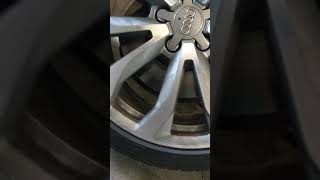
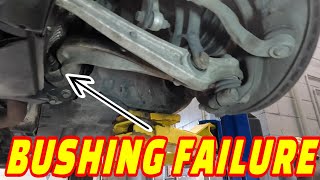
- Technical Service Bulletins (TSBs): Audi has released several TSBs related to vibrations felt through the steering wheel. While some are related to tire and wheel balancing procedures, many point towards issues with front wheel bearings, which can produce a humming or buzzing noise that changes with speed. 🎬 Watch: Hear what a failing C7 wheel bearing sounds like. Another TSB addresses clunking noises from the front suspension, often caused by failing control arm bushings. 🎬 See how a worn bushing causes suspension popping and clunking.
Cost Comparison
| Part/Service | Estimated Cost |
|---|---|
| New OEM Spare Wheel (4G0601027E) | $290 - $430 |
| Used OEM Spare Wheel | $150 - $250 |
| New OEM 19" Alloy Wheel | $350 - $750+ (per wheel) |
| New Aftermarket Alloy Wheel | $200 - $500+ (per wheel) |
| Used OEM Alloy Wheel | $200 - $550 (per wheel, depending on condition and style) |
| Alloy Wheel Refinishing (per wheel) | $150 - $350 (Diamond-cut finishes are more expensive) |
Frequently Asked Questions (FAQ)
Why doesn't my Audi have a spare tire?
To save weight and improve fuel economy, many modern Audis, including the C7 platform models, were equipped with a tire mobility kit (an air compressor and a can of sealant) instead of a physical spare wheel. While this works for small punctures, it is useless for major tire damage, which is why many owners choose to retrofit the OEM spare.
Can I drive long distances on the emergency spare?
No. The compact spare is for temporary, emergency use only. You should not exceed the speed listed on the tire's sidewall (typically 50 mph or 80 km/h) and should only drive the distance needed to get to a tire shop for repair or replacement.
Will this spare wheel fit my RS7 with Carbon Ceramic Brakes?
It is very unlikely. The large calipers of the carbon-ceramic brake system often require a wheel with a larger internal barrel diameter for clearance. This compact spare may not fit. It is critical to test fit the wheel before relying on it in an emergency. Failure to do so could result in damage to your brake caliper or the wheel itself.
Is a used OEM wheel better than a cheap new aftermarket wheel?
Often, yes. A genuine Audi OEM wheel has undergone rigorous testing for strength, durability, and finish quality. Many cheap aftermarket replica wheels may not meet these same standards, making them more susceptible to cracking, bending, or finish degradation. A properly inspected, undamaged used OEM wheel is often a safer and higher quality choice.
Helpful Videos
Technical Specifications
OEM Part Numbers: 4G0-601-027-E 4G0601027E 4G0601027
Spare Wheel Size: 20x4.5, Spare Wheel Offset: 22mm, Platform Bolt Pattern: 5x112mm, Platform Center Bore: 66.5mm
We Have This Part in Stock



The information in this article is provided for general reference and educational purposes only. Vehicle specifications, procedures, and part compatibility can vary by production date, trim level, and region. Always consult your vehicle's factory service manual and verify part numbers before purchasing or performing repairs. Safety-critical components such as airbags, seat belts, and braking systems should be installed by a qualified professional.
- Audi A6:
- Audi S6:
- Audi S7:
- Audi RS7:
- Audi A6 Quattro:
- Audi A6 Allroad:
- Audi A7 Quattro:
- 🎬 Helpful Videos
- 🛍️ Shop This Part
- The C7 Platform Emergency Spare Wheel: 4G0601027E
- Key Specifications
- Common Issues with Standard Alloy Wheels (2012-2018)
- Bent or Cracked Wheels
- Clear Coat Peeling
- Symptoms of a Bad or Failing Wheel
- Buying a Used Wheel: What to Inspect
- 1. Check for Cracks
- 2. Look for Bends
- 3. Inspect for Previous Repairs
- 4. Verify Specifications
- Understanding Wheel Offset
- Verifying Paint and Color Codes for Alloy Wheels
- Known Issues, Recalls & TSBs
- Cost Comparison
- Frequently Asked Questions (FAQ)
- 🎟️ Get 5% Off