

Audi A4, S4, A5, A6 & Allroad Wheel Guide (2005-2025): Center Bore Fitment Explained
This guide covers the critical differences in wheel specifications, especially the 57.1mm vs. 66.6mm center bore, for Audi A4, S4, A5, S5, A6, and Allroad models.
- The most critical compatibility factor is the center bore: 57.1mm for 2005-2008 A4/S4 & 2005-2011 A6, and 66.6mm for most 2009 and newer models.
- Always verify the 10-digit OEM part number stamped on the back of a spoke to ensure you are buying the correct wheel.
- When inspecting a used wheel, prioritize checking for cracks on the inner barrel and any signs of previous weld repairs, as these are major safety concerns.
- A used OEM wheel generally offers superior quality, durability, and fitment compared to a new, low-cost aftermarket replica wheel.
The Most Important Fitment Check: Center Bore

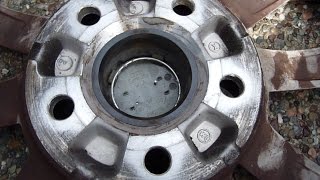
Before buying a replacement wheel for your Audi, the single most important specification to verify is the center bore. Audi used two different center bore sizes on these vehicles, and they are not interchangeable without modification. An incorrect center bore will prevent the wheel from mounting correctly and safely.
Warning: A wheel with a 57.1mm center bore will NOT fit on a vehicle that requires a 66.6mm bore. A wheel with a 66.6mm bore will not be properly centered on a vehicle that requires a 57.1mm bore, leading to dangerous vibrations unless a proper hub-centric adapter ring is used.
| Center Bore | Vehicles | Platform Generation |
|---|---|---|
| 57.1 mm | 2005-2008 Audi A4 2005-2009 Audi S4 2005-2011 Audi A6 | B7 A4/S4, C6 A6 |
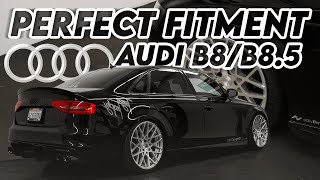
| 66.5 / 66.6 mm | 2009-2019 Audi A4 / A4 Quattro 2010-2016 Audi S4 2008-2017 Audi A5 / S5 2013-2025 Audi A4 allroad 2017-2025 Audi Allroad | B8 & B9 Platforms | 🎬 Watch: Audi B8 wheel fitment guide
Decoding Audi Wheel Specifications

On the back of an OEM Audi wheel, you will find several markings cast into the metal. Understanding these will help you confirm you have the correct part.
- Part Number: Look for a 9 or 10-digit number, often starting with '8K0' or '4F0'. This is the most reliable way to identify the wheel.
- Size: You'll see a marking like '7.5Jx17'. This means the wheel is 7.5 inches wide and 17 inches in diameter.
- Offset: Look for 'ET45' or a similar number. 'ET' stands for Einpresstiefe (German for 'insertion depth'). This 45mm offset indicates how far the wheel's mounting surface is from its centerline. Using a wheel with the wrong offset can cause tire rubbing on the suspension or fenders and may increase stress on wheel bearings.
- Bolt Pattern: All vehicles covered in this guide use a 5x112 bolt pattern. This means 5 lug bolts arranged in a 112mm diameter circle.
Symptoms of a Damaged Wheel

Wheel issues can range from cosmetic flaws to serious safety concerns. Here’s what to look and listen for:
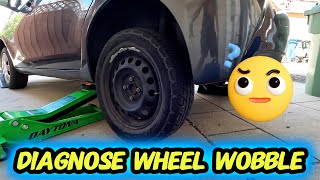
- Vibration or Shaking: A bent wheel will often cause a noticeable vibration in the steering wheel or through the seat, typically at speeds between 35-70 mph. This vibration will be constant and speed-dependent, unlike an unbalanced tire which may only vibrate at a specific speed range.
- Audible Noises: A humming, whirring, or buzzing noise that changes with vehicle speed can sometimes be mistaken for a bad wheel bearing but could be related to how a damaged wheel is interacting with the tire.
- Difficulty Balancing: If a tire shop says your wheel requires an excessive amount of weights to balance, it's a strong indicator that the wheel itself is bent.
- Slow Air Leaks: A crack in the wheel, often on the inner barrel, can cause a slow, persistent loss of tire pressure. This can also happen if a bend in the wheel prevents the tire from sealing properly against the bead.
- Visible Damage: Obvious signs include curb rash (scraping on the outer lip), peeling clear coat, corrosion, and, most seriously, visible bends or cracks.
Known Issues, Recalls, and Service Bulletins

Searches of the National Highway Traffic Safety Administration (NHTSA) database show no widespread recalls for structural failure of the factory wheels on these Audi models. Most issues are related to road hazards.
- Susceptibility to Bending: Like many modern alloy wheels paired with lower-profile tires, these Audi wheels can be prone to bending or cracking from severe pothole impacts.
- Finish Durability: In regions that use road salt during winter, the protective clear coat on the wheels can begin to peel or bubble over time. This allows moisture to reach the aluminum, causing white, powdery corrosion.
- Vibration TSB: Audi has issued general TSBs (like 44 24 80 / 2074846) that address steering wheel vibrations. While the bulletin often points to tire issues like radial force variation or flat spots, a bent wheel can cause identical symptoms and should be considered a primary suspect.
Buying a Used OEM Wheel: Inspection Guide

A used OEM wheel is often a better choice than a cheap aftermarket replica, offering superior alloy quality, durability, and perfect fitment. However, a thorough inspection is crucial.
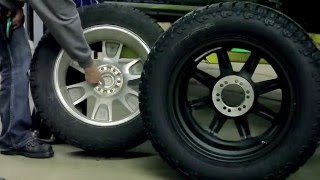
🎬 Watch: 5 things to check when buying used wheelsPro Tip: Always check the back of the wheel for the Audi logo and a stamped part number to verify it's a genuine OEM part.
- Check for Cracks: This is the most important safety check. Carefully inspect the entire wheel, front and back, especially on the inner barrel (the 'back side' of the wheel). Hairline cracks can be hard to see, so use a bright light. A cracked wheel is unsafe and should not be purchased.
- Check for Bends: Lay the wheel on a flat surface, face down. Place a straight edge across the rear lip of the wheel. Rotate the wheel and watch the gap between the straight edge and the rim. Any significant wobble or gap indicates a bend. Repeat this process with the wheel face up.
- Look for Past Repairs: Check for signs of welding on the inner or outer barrel. A weld repair on an alloy wheel can create a weak spot. Also, look for excessive grinding marks or areas that look like they've been filled with body filler, which can hide more serious damage.
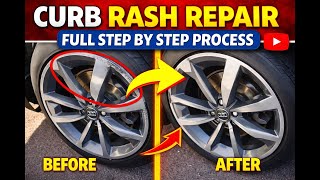
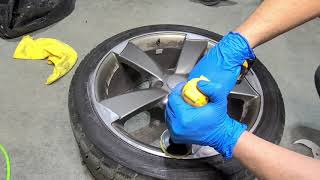
- Assess Cosmetic Condition: Note the severity of any curb rash, scratches, or peeling clear coat. While cosmetic, these flaws can be expensive to fix. Minor curb rash can often be sanded and refinished, but deep gouges cannot.
- Verify the Part Number: Match the part number stamped on the back of a spoke to the known compatible numbers for your vehicle to ensure correct fitment.
Wheel Finishes vs. Paint Codes
Unlike body panels, wheels do not use standard paint codes. They have specific finishes like 'Hyper Silver' or 'Gunmetal'. Matching an existing set of wheels requires visual comparison or knowing the specific Audi option code for that wheel style. If you need to find your vehicle's body paint code for other reference, it's typically located on a sticker in the trunk area, often in the spare tire well.
Cost Comparison
Prices for a single wheel can vary significantly based on the source and condition.
| Item | Estimated Cost (per wheel) | Notes |
|---|---|---|
| New OEM (Dealer) | $500 - $1200+ | Highest cost, but guaranteed new condition and authenticity. |
| New Aftermarket | $150 - $350 | Lower cost, but may have differences in weight, alloy quality, and finish durability. |
| Used OEM | $150 - $400 | Excellent value. Price depends heavily on condition and rarity of the style. |
| Remanufactured/Refinished OEM | $250 - $500 | A used OEM wheel that has been professionally straightened and refinished to look like new. |
| Wheel Repair (Straightening) | $100 - $200 | Cost to repair a minor to moderate bend in your existing wheel. |
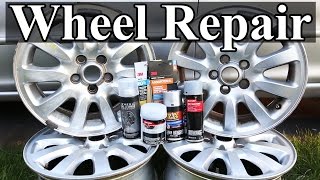
| Wheel Repair (Refinishing) | $150 - $250 | Cost to repair cosmetic damage like curb rash and repaint the wheel. |
| Shop Labor (Mount & Balance) | $25 - $50 | Standard cost to mount a tire onto the wheel and balance the assembly. |
Frequently Asked Questions
Can I use a wheel with a 66.6mm bore on my older Audi that needs a 57.1mm bore?
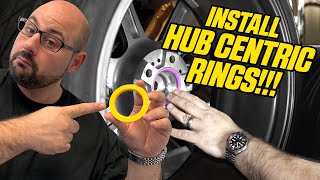
Yes, but it is critical that you use a high-quality hub-centric ring. This is a small ring, usually made of plastic or aluminum, that fits into the wheel's center bore to reduce its diameter to 57.1mm. This ensures the wheel is properly centered on the hub, preventing vibrations. Using the wheel 🎬 See: How to install hub-centric rings without this ring is unsafe.
Is it safe to repair a cracked alloy wheel?
Most experts advise against it. Welding an aluminum alloy wheel can alter the heat treatment of the metal, creating a brittle area near the repair that is prone to future failure. For safety, a cracked alloy wheel should always be replaced.
Do I need to replace my TPMS sensor when I replace a wheel?
Not usually. If your existing Tire Pressure Monitoring System (TPMS) sensor is working, a tire shop can carefully remove it from your old wheel and install it in the new one. However, TPMS sensors have batteries with a finite lifespan (typically 7-10 years), so if your vehicle is older, it may be a good time to replace the sensor as preventative maintenance.
Will a wheel from an S5 fit on my A4?
It depends on the year and specifications. A wheel from a 2013 S5 (B8 platform, 66.6mm bore) would physically fit on a 2013 A4 (B8 platform, 66.6mm bore). However, S-model wheels can sometimes have a lower offset or different width, which might cause rubbing on the fenders. Always compare the full specifications (diameter, width, offset, and center bore) before purchasing.
Helpful Videos


Technical Specifications
OEM Part Numbers: 4F0601025AK 4F0601025AK8Z8 4F0601025R 8E0601025AQ 8E0601025AS 8K0-071-499-B-AX1 8K0071499 8K00714994EE 8K0071499A8Z8 8K0071499BAX1 8K0601025AK 8K0601025B 8K0601025BG 8K0601025BR
Bolt Pattern: 5x112 mm. Center Bore: 57.1 mm (B7/C6 platforms) or 66.6 mm (B8/B9 platforms). Common Sizes: 17x7.5, 18x8, 19x8.5. Common Offsets: ET42 to ET47.
We Have This Part in Stock



The information in this article is provided for general reference and educational purposes only. Vehicle specifications, procedures, and part compatibility can vary by production date, trim level, and region. Always consult your vehicle's factory service manual and verify part numbers before purchasing or performing repairs. Safety-critical components such as airbags, seat belts, and braking systems should be installed by a qualified professional.
- Audi A4:
- Audi S4:
- Audi A5:
- Audi S5:
- Audi A4 allroad:
- Audi A4 Quattro:
- Audi A6:
- Audi Allroad:
- 🎬 Helpful Videos
- 🛍️ Shop This Part
- The Most Important Fitment Check: Center Bore
- Decoding Audi Wheel Specifications
- Symptoms of a Damaged Wheel
- Known Issues, Recalls, and Service Bulletins
- Buying a Used OEM Wheel: Inspection Guide
- Wheel Finishes vs. Paint Codes
- Cost Comparison
- Frequently Asked Questions
- 🎟️ Get 5% Off