

1989-1991 Audi 200 Wheel Guide: Bends, Vibrations, and Finding a Straight Replacement
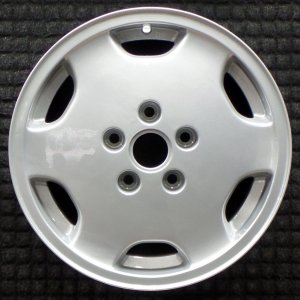
This guide covers the common failure points, critical specifications, and inspection tips for the original 6-slot alloy wheels on the 1989-1991 Audi 200.
- The most critical specification to match is the 5x112mm bolt pattern, 45mm offset, and 57.1mm center bore.
- A cracked wheel is unsafe and must be replaced; welding is not a safe long-term repair.
- Vibration at highway speeds is the number one symptom of a bent wheel that needs inspection.
- A quality, straight used OEM wheel is a better choice than a new, cheap aftermarket wheel due to guaranteed fitment and quality.
Symptoms of a Damaged Wheel
Unlike many electronic parts, a wheel's failure is almost always physical. Damage typically comes from impacts with potholes, curbs, or road debris. The symptoms are often felt more than they are heard.
- Vibration or Shaking: This is the most common sign of a bent wheel. You may feel a vibration through the steering wheel or the entire car, which often becomes more noticeable at highway speeds (50-70 mph). A bent wheel creates an imbalance that cannot be fixed by simply re-balancing the tire.
- Chronic Tire Pressure Loss: If one tire constantly loses air for no obvious reason, the wheel itself might be the culprit. A slight bend in the rim's lip can prevent the tire from sealing properly against the wheel, causing a slow, persistent leak.
- Uneven Tire Wear: A bent wheel can cause the tire to wobble as it rotates, leading to unusual wear patterns like cupping or excessive wear on the inner or outer edges. This can be mistaken for an alignment issue, but if it persists after an alignment, the wheel is a likely suspect.
- Vehicle Pulling to One Side: While often a sign of bad alignment, a significantly bent wheel can also cause the vehicle to pull to the left or right.
- Visible Damage: The most obvious signs are physical flaws. This includes bends or flat spots on the inner or outer lip of the wheel, deep gouges, and, most seriously, cracks. Cracks often form near the spokes or around the lip after a hard impact.
Buying a Used 1989-1991 Audi 200 Wheel
Finding a straight, undamaged used wheel is crucial for safety and performance. Given the age of these vehicles, a used OEM wheel is often the only viable option, as new factory replacements are typically no longer available. Here’s what to inspect before you buy.
How to Inspect a Used Wheel
- Check for Cracks: This is the most important inspection. Carefully examine the entire wheel, front and back, paying close attention to the area where the spokes meet the rim and along the inner and outer lips. A cracked wheel is structurally compromised and cannot be safely repaired; it must be replaced.
- Look for Bends: Place the wheel on a flat surface. Look at it from the side to spot any obvious wobbles or flat spots. A more effective method is to take it to a tire shop and have them spin it on a balancing machine. This will immediately reveal any bends, no matter how small. A minor bend can sometimes be professionally straightened, but it adds cost and is not always successful.
- Inspect for Previous Repairs: Look for signs of welding on the back side of the wheel. Welded cracks are a major red flag, as the heat can weaken the aluminum alloy, creating a future failure point. Also, look for excessive amounts of wheel weights, which may indicate a previous attempt to balance a bent wheel.
- Assess Cosmetic Condition: Check for curb rash (scratches and gouges on the outer lip), peeling clear coat, and corrosion. While cosmetic, these issues can be expensive to fix. Refinishing a single wheel can cost between $125 and $250. Decide if the cosmetic condition is acceptable or if you're willing to pay for refinishing.
Pro Tip: The German nickname for this wheel style is "Kanaldeckel," which translates to "manhole cover." Using this term in online searches may help you find listings from enthusiast forums or European sellers.
OEM vs. Aftermarket
For a classic vehicle like the C3 Audi 200, sticking with an original OEM wheel is highly recommended. OEM wheels were designed to meet Audi's specific standards for weight, strength, and durability. An aftermarket wheel may not have the correct offset or center bore, even if the bolt pattern matches. An incorrect offset can cause the tire to rub on the fender or suspension components and puts premature stress on the wheel bearings. A quality used OEM wheel that has been verified to be straight is a safer and better-fitting choice than a cheap, new aftermarket wheel.
Known Issues, Recalls, and TSBs
There are no specific factory recalls or Technical Service Bulletins (TSBs) from the NHTSA related to the wheels on the 1989-1991 Audi 200. One recall from 1991 (NHTSA Campaign ID: 91V050000) concerned the vehicle's jack, which could collapse during use, but did not involve the wheel itself. Any issues found with these wheels today are typically due to age, road hazards, and environmental exposure rather than a manufacturing defect.
Technical Specifications
| Specification | Value |
|---|---|
| OEM Part Numbers | 447601025K, 447601025KZ7P, 447601025KZ79 |
| Size | 15" x 6" |
| Bolt Pattern | 5x112mm |
| Offset (ET) | 45mm |
| Center Bore | 57.1mm (Hub-centric) |
| Lug Style | Ball Seat Lug Bolt (not lug nut) |
| Lug Bolt Torque | 81 ft-lbs (110 Nm) |
| Design | 6-Slot / 6-Spoke Alloy |
Warning: Ensure any replacement wheel has the correct 57.1mm center bore. Using a wheel with a larger bore (like the 66.6mm bore found on later Audis) without proper hub-centric rings will cause the wheel to be supported only by the lug bolts, leading to severe vibrations and the risk of the bolts shearing off.
Cost of Replacement & Repair
Understanding the costs can help you decide whether to repair a damaged wheel or find a used replacement.
| Item or Service | Estimated Cost |
|---|---|
| New OEM Wheel | No longer available from Audi. |
| New Aftermarket Wheel | $100 - $200 (Fitment may vary) |
| Used / Reconditioned OEM Wheel | $150 - $250 |
| Straighten Minor Bend | $100 - $175 per wheel |
| Cosmetic Refinishing (Curb Rash) | $125 - $200 per wheel |
| Shop Labor (Mount & Balance) | $25 - $50 per wheel |
Frequently Asked Questions (FAQ)
Do I need to paint a used wheel to match?
Not usually. The original wheels came in a standard factory silver finish, identified by part number suffixes like Z7P. Unless the used wheel you buy is heavily corroded or has been repainted, it should match the others reasonably well. If you need to refinish a wheel, a professional wheel repair shop can color-match the factory silver.
What happens if I use a wheel with the wrong offset?
Using a wheel with an offset lower than the stock 45mm will push the wheel outward, risking tire rub on the fender. A higher offset will pull the wheel inward, risking contact with suspension components like the strut or control arms. Both scenarios alter the suspension geometry, which can accelerate wear on wheel bearings and negatively affect handling.
Can a cracked alloy wheel be welded?
While some shops may offer to weld a cracked aluminum wheel, it is strongly discouraged for safety reasons. The heat from welding alters the temper of the alloy, creating a weak point that can fail catastrophically under stress. A cracked wheel should always be replaced.
Where is the paint code for my Audi 200 located?
The vehicle's body paint code is found on a sticker in the spare tire well in the trunk. However, this code is for the car's body color, not the wheels. The wheel color is a separate, standard finish. The most reliable way to identify the correct wheel is by the OEM part number.
Technical Specifications
OEM Part Numbers: 447601025K 447601025KZ79 447601025KZ7P
Size: 15x6, Bolt Pattern: 5x112mm, Offset: 45mm, Center Bore: 57.1mm, Lug Bolt Torque: 81 ft-lbs (110 Nm)
We Have This Part in Stock

The information in this article is provided for general reference and educational purposes only. Vehicle specifications, procedures, and part compatibility can vary by production date, trim level, and region. Always consult your vehicle's factory service manual and verify part numbers before purchasing or performing repairs. Safety-critical components such as airbags, seat belts, and braking systems should be installed by a qualified professional.
- Audi 200: