

2024-2026 Tesla Model 3 Washer Reservoir: The 'Highland' Compatibility Trap
This guide covers the crucial part number differences for the refreshed 'Highland' Model 3 washer reservoir, symptoms of failure, and how to buy a good used one.
- The washer reservoir for the 2024+ 'Highland' Model 3 is different from the 2017-2023 models; they are not interchangeable.
- Verify you are buying the correct part number for the 2024+ model: 1807860-00-E.
- Failure is often caused by cracks from physical damage or from using water that freezes and expands.
- Replacement is a feasible DIY job that involves removing the frunk storage tub for access.
Crucial Compatibility Warning: 2024+ 'Highland' vs. 2017-2023 Models

Warning: This washer fluid reservoir is ONLY for the refreshed Tesla Model 3, known as the 'Highland', which began with the 2024 model year. It will not fit the earlier 2017-2023 Model 3. The reservoirs for the two generations are physically different and use different part numbers.
Before purchasing, verify your vehicle is a 2024 or newer 'Highland' model. The most reliable part number for the 2024+ reservoir is 1807860-00-E. Part numbers beginning with 1096062-xx-x are for the older 2017-2023 generation and are NOT interchangeable.
Symptoms of a Failing Washer Fluid Reservoir

Failures in the washer reservoir system can range from minor annoyances to safety issues. Here are the most common signs that your reservoir or one of its components is failing.
- Visible Fluid Leaks: The most obvious symptom is a puddle of blue, green, or orange fluid under the front of your car, typically near the driver's side wheel. 🎬 Watch this video to see how a reservoir leak is diagnosed. This indicates a crack in the reservoir tank itself.
- Washer Fluid Doesn't Spray: If you activate the washers and hear the pump motor running but no fluid comes out, the reservoir may have a crack and all the fluid has leaked out. If you don't hear the pump at all, the issue is likely the pump itself or an electrical problem.
- Constant Low Fluid Warning: If the 'Windshield Washer Fluid Low' message stays on your touchscreen even after you've filled the reservoir, the fluid level sensor may be faulty or stuck.
- No Low Fluid Warning: Conversely, if you run out of fluid but never received a warning, the level sensor has likely failed in the 'full' position. This can lead to you unexpectedly running out of fluid and can also cause the washer pump to run dry, potentially damaging it.
- Cracks from Freezing: Using plain water or a washer fluid not rated for cold temperatures can cause the liquid to freeze and expand, cracking the plastic reservoir. This is a common cause of failure in colder climates.
Buying a Used 2024+ Model 3 Washer Reservoir: An Inspector's Guide

A used OEM reservoir is an excellent, cost-effective alternative to a new part. Because this part is for a relatively new vehicle, used examples are likely from low-mileage collision vehicles and have plenty of life left. Here’s what to check before you buy.
1. Verify the Part Number
This is the most important step. For a 2024+ 'Highland' Model 3, you need part number 1807860-00-E. Do not purchase a reservoir with part number 1096062-00-H or similar, as it belongs to the previous generation (2017-2023) and will not fit.
2. Inspect for Cracks and Damage
Carefully examine the entire plastic body of the reservoir. Pay close attention to the seams where the two halves of the tank are joined and around the mounting points. Look for hairline cracks, which often start in these high-stress areas. A part that has been dropped or mishandled may have hidden damage.
3. Check the Pump and Sensor Ports
The reservoir has openings for the washer pump and the level sensor. Each opening is sealed by a rubber grommet. Ensure these grommets are present, soft, and free of cracks. A missing or damaged grommet will cause a leak, even if the tank itself is perfect. Also, inspect the plastic around these ports for any signs of stress or cracking.
4. Examine the Filler Neck and Cap
Make sure the filler neck isn't cracked and that the original cap is included. The cap and its retaining collar are a single piece. While a missing cap can be replaced, its presence indicates a more complete and carefully handled part.
Pro Tip: Ask the seller if the part was tested before removal. Reputable recyclers will often test components like the washer pump and level sensor to ensure they are functional before listing the part for sale.
Known Issues, Recalls, and Service Bulletins

As of early 2026, there are no specific recalls or Technical Service Bulletins (TSBs) from Tesla or the NHTSA that directly address the windshield washer reservoir for the 2024-2026 Model 3. While other recalls exist for Tesla vehicles concerning software or other components, the washer reservoir itself has not been the subject of a widespread campaign.
Replacement Overview
Replacing the washer reservoir on a 2024+ Model 3 is a manageable DIY task for someone with basic mechanical skills. The official Tesla service procedure shows the job is done from the top of the frunk, which is easier than on some vehicles that require removing the bumper or wheel well liner.
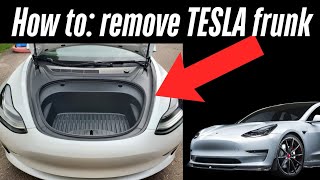
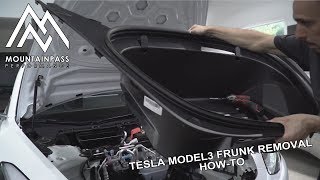
- Open the hood and remove the large underhood storage unit 🎬 See this quick guide on how to remove the frunk tub. (the main frunk tub).
- Evacuate any remaining fluid from the reservoir.
- Disconnect the electrical connectors for the washer pump and the fluid level sensor.
- Disconnect the various washer fluid hoses attached to the reservoir and pump.
- Remove the three bolts holding the reservoir to the vehicle body.
- Lift the reservoir assembly out of the vehicle.
Installation is the reverse of removal. It's recommended to use new rubber grommets for the pump and sensor if transferring them from your old reservoir.
Cost of Replacement (2024+ Model 3)
Prices can vary based on location and availability. The 2024+ 'Highland' model is still new, so aftermarket options may be limited.
| Part Type | Estimated Cost |
|---|---|
| New OEM (Tesla) | $150 - $200 |
| Used OEM (Recycled) | $75 - $125 |
| New Aftermarket | Not widely available yet |
| Shop Labor | $120 - $270 |
Frequently Asked Questions (FAQ)
Will a washer reservoir from a 2023 Model 3 fit my 2024 Model 3?
No. The 2024 'Highland' Model 3 uses a different reservoir (part number 1807860-00-E) than the 2017-2023 models (which use part numbers like 1096062-00-H). They are not interchangeable.
Can I just use water in my washer reservoir?
It is strongly advised not to use only water. In cold climates, water can freeze and expand, cracking the plastic reservoir and damaging the pump. Always use a proper windshield washer fluid rated for freezing temperatures.
How difficult is it to replace the reservoir myself?
For a 2024+ Model 3, the job is moderately difficult (about a 3 out of 5). It requires removing the frunk tub but does not require removing the bumper. It can be done with basic hand tools, but care must be taken with plastic clips 🎬 Watch a detailed walkthrough of the frunk removal process. and electrical connectors.
My washers aren't spraying, but the tank is full. Is the reservoir bad?
Not necessarily. If the tank is full and not leaking, the problem is more likely a failed washer pump, clogged nozzles, or a kinked/disconnected hose. Listen for the hum of the pump when you activate the washers; if you hear nothing, the pump or its electrical circuit is the likely culprit.
Helpful Videos
Technical Specifications
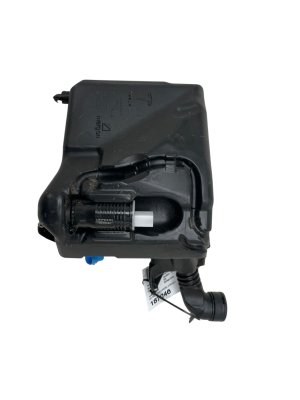
OEM Part Numbers: 1807860-00-E
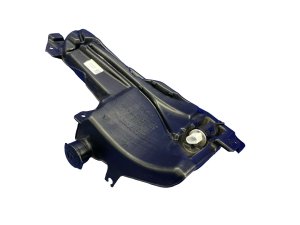
Designed for 2024+ Tesla Model 3 'Highland'. Includes ports for washer pump and fluid level sensor.
We Have This Part in Stock

The information in this article is provided for general reference and educational purposes only. Vehicle specifications, procedures, and part compatibility can vary by production date, trim level, and region. Always consult your vehicle's factory service manual and verify part numbers before purchasing or performing repairs. Safety-critical components such as airbags, seat belts, and braking systems should be installed by a qualified professional.
- Tesla Model 3:
- 🎬 Helpful Videos
- 🛍️ Shop This Part
- Crucial Compatibility Warning: 2024+ 'Highland' vs. 2017-2023 Models
- Symptoms of a Failing Washer Fluid Reservoir
- Buying a Used 2024+ Model 3 Washer Reservoir: An Inspector's Guide
- 1. Verify the Part Number
- 2. Inspect for Cracks and Damage
- 3. Check the Pump and Sensor Ports
- 4. Examine the Filler Neck and Cap
- Known Issues, Recalls, and Service Bulletins
- Replacement Overview
- Cost of Replacement (2024+ Model 3)
- Frequently Asked Questions (FAQ)
- 🎟️ Get 5% Off