

2015-2018 Porsche Cayenne 3.6L VR6: Problems, Identification, and Used Replacement
Identify the naturally aspirated M55.02 engine, understand timing chain and PCV failures, and learn when a used OEM replacement is the smartest fix.
- The most critical failure is the timing chain system, which requires inspection and likely replacement between 80,000 and 120,000 miles to prevent catastrophic engine damage.
- Verify this is the correct engine for your base model Cayenne by checking that the 5th digit of the VIN is 'A'; it is not interchangeable with S, GTS, VW Touareg, or Audi Q7 engines.
- When installing a used replacement engine, it is crucial to perform preventative services like walnut blasting the intake valves and replacing the entire valve cover assembly with its integrated PCV valve.
- Engine replacement is a major "subframe drop" procedure requiring specialized Porsche/VAG tools, making it essential to vet your installer's experience and equipment before starting the job.
- In cases of severe internal oil leaks or timing chain failure, replacing the engine with a lower-mileage used unit is often more economical than attempting a costly engine-out repair.
Is This the Right Engine for Your Cayenne?


This article covers the specific 3.6-liter, naturally-aspirated VR6 engine used in the base model Porsche Cayenne from 2015 to 2018. A naturally-aspirated engine is one that does not use a turbocharger or supercharger to force more air into it. This engine is part of the Volkswagen Group's EA390 family and is known for its unique narrow-angle V-configuration. It was available in the second-generation Cayenne, often referred to as the 958 or 92A.
Check Your VIN
The simplest way to confirm this is the correct engine for your vehicle is by checking the Vehicle Identification Number (VIN). The VIN is a 17-digit code found on a plate at the bottom of the driver's side windshield or on the sticker in the driver's side door jamb. For this specific engine, the 5th digit of your VIN must be 'A'.
Engine & Build Codes
You can also identify the engine by its specific codes. These codes can typically be found on the build specification sticker, which is often located under the carpet in the trunk area, or stamped directly on the engine block itself.
| Code Type | Identifier |
|---|---|
| Primary Engine Code | M55.02 |
| Alternate Codes | MCE.YA, CEYA, MCEYA |
Warning: This Engine Does NOT Fit All Cayennes. This naturally-aspirated 3.6L VR6 engine is only for the base model. It will NOT fit the Cayenne S or Cayenne GTS models from the same years. Those vehicles use a 3.6L twin-turbocharged V6 engine that has different block geometry, mounting points, and computer controls. Additionally, while Volkswagen and Audi use similar 3.6L VR6 engines in vehicles like the Touareg and Q7, they are not a direct swap. Key differences in mounting brackets, oil pans, wiring, and computer calibration prevent them from being an easy replacement.
Common Failure Symptoms
When this engine has a serious internal problem, the symptoms are often hard to ignore. A catastrophic failure can happen very quickly.
- Engine Rattle on Startup: A metallic rattling sound that lasts for a few seconds when starting the engine cold is a classic sign of a failing timing chain tensioner. If the noise continues when warm and at idle, it could signal a more advanced problem.
- Low Oil Pressure Warning: A warning light or a gauge reading zero for oil pressure, even temporarily, can indicate a severe internal issue like a failed oil pump or damage from timing chain debris clogging the oil system.
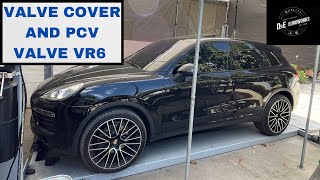
- Misfires and Rough Idle: A worn timing chain can cause the engine's timing to be out of sync, leading to rough running, misfires, and a check engine light. This can also be caused by a failed PCV valve creating a vacuum leak. 🎬 Watch this step-by-step PCV valve replacement guide
- Metal Shavings in Oil: Finding metallic particles in the engine oil during an oil change is a definitive sign of internal engine wear, often related to the timing chain system breaking down.
Diagnostic Flowchart
Known Problems, Recalls, and Service Bulletins

The 3.6L VR6 engine is generally considered reliable, but it has several well-documented issues that commonly appear at higher mileage.
Severe: Timing Chain Stretch and Guide Wear
The most critical issue for this engine is wear in the timing chain system, typically occurring between 80,000 and 120,000 miles. The timing chains can stretch, and the plastic guides can become brittle and break. This causes a rattling noise on startup and can lead to catastrophic engine failure if broken guide pieces fall into the oil pan and clog the oil pump pickup tube, starving the engine of oil. While no specific recall exists for this issue on the 2015-2018 models, it is a widely recognized problem. A Technical Service Bulletin (TSB) #2039995/1 was issued for a similar rattling noise on other Audi/VW engines, recommending the replacement of updated chain tensioners.
Moderate: Intake Valve Carbon Buildup
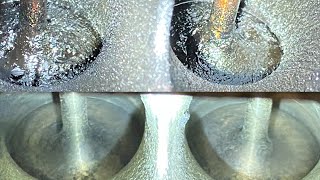
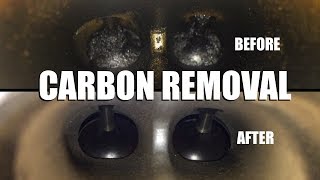
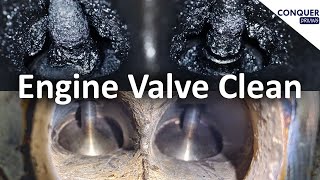
Because this is a direct-injection (DI) engine, fuel is sprayed directly into the combustion chamber instead of over the intake valves. As a result, oil vapor from the crankcase ventilation system can bake onto the back of the hot intake valves, forming hard carbon deposits. Over time, this buildup restricts airflow, causing a gradual loss of power, rough idle, and misfires.
Pro Tip: If the engine is being replaced, it is the perfect time to perform a preventative "walnut blast" cleaning service. This procedure uses crushed walnut shells to safely scrub the carbon deposits off the intake valves without damaging the engine.
Moderate: PCV Valve Failure
The Positive Crankcase Ventilation (PCV) valve, which manages pressure inside the engine, is integrated into the valve cover assembly. The rubber diaphragm inside this valve can tear, creating a significant vacuum leak. Symptoms include a high-pitched whistling noise from the engine, a rough or high idle, and multiple lean running and misfire fault codes. Because the valve is built in, the entire valve cover assembly must be replaced to fix the issue.
Other Common Issues
- Oil Leaks: With age and heat, gaskets for the valve cover and timing chain covers can harden and leak oil.
- Brittle Plastics: Many cooling system components, like the thermostat housing and various hose connectors, are made of plastic. After years of heat cycles, they become extremely brittle and can crack or break during maintenance, leading to coolant leaks.
What Fails at Every Mileage Band
Pro Tip: The mileage bands below describe the typical condition of USED REPLACEMENT engines you might buy. The checklists provided are critical steps to perform WHILE INSTALLING the purchased engine before it goes into your vehicle, not general maintenance for your current broken engine.
Under 60,000 Miles
Engines in this range are generally very reliable. However, carbon buildup on the direct-injection intake valves begins to form early, even if it does not cause noticeable symptoms yet. Some early 2015-2016 models had overly sensitive NOx sensors. Occasional ignition coil failures can cause misfires, and a small number of transfer case issues (shuddering) have been reported at lower mileages.
- ✓Do during install (required): Replace all single-use torque-to-yield (TTY) bolts, especially for the flexplate/flywheel. Replace the rear main seal. Change all fluids, including engine oil (Porsche A40 spec) and coolant (Porsche G12++/G13 spec).
- ✓Do during install (recommended): Perform a preventative walnut shell blast cleaning of the intake valves. Replace spark plugs and ignition coils as a set.
- ✓Cheap insurance while the engine is out: Inspect and consider replacing the water pump and thermostat housing. While more robust than earlier VR6 designs, they are still plastic and much easier to replace now.
60,000 - 100,000 Miles
This is the critical window where major known issues begin to surface. The primary threat is timing chain stretch and guide wear, often starting as an audible chain rattle on cold starts. The integrated PCV valve diaphragm frequently tears in this range, causing vacuum leaks and rough running. Oil leaks from the valve cover gasket and timing chain covers become common. Noticeable symptoms from carbon buildup (rough idle, power loss) typically appear between 60,000 and 80,000 miles. Failures of the plastic water pump, thermostat housing, and High-Pressure Fuel Pump (HPFP) also increase.
- ✓Do during install (required): Perform walnut blast cleaning on intake valves. Replace the entire valve cover assembly, which includes the failure-prone integrated PCV valve. Replace fuel injector seals (Teflon and O-rings). Replace all TTY bolts.
- ✓Do during install (recommended): Replace the timing chains, tensioners, and plastic guides. This is a labor-intensive job that requires transmission removal, making it critical to do while the engine is out. Replace the water pump, thermostat, and related plastic coolant pipes. Replace all gaskets and seals (rear main, intake, exhaust).
- ✓Cheap insurance while the engine is out: Replace spark plugs, ignition coils, and the serpentine belt.
100,000 - 150,000+ Miles
If a high-mileage engine has not had its timing chains replaced, the risk of catastrophic failure is very high. Broken guide material can fall into the oil pan and clog the oil pickup tube. The PCV valve is assumed to have failed or be near failure. Plastic components in the cooling and vacuum systems become extremely brittle and crack easily. Oil leaks from the valve cover, timing covers, and oil filter housing seals are widespread. In-tank fuel pump failures and ignition coil failures are regular occurrences.
- ✓Do during install (required): Complete replacement of timing chains, guides, and tensioners is non-negotiable. Replace the entire valve cover assembly. Perform a thorough walnut blast cleaning. Replace all TTY bolts.
- ✓Do during install (recommended): Full cooling system overhaul (replace the water pump, thermostat, all plastic coolant pipes, and coolant hoses). Full seal and gasket replacement (replace every accessible seal and gasket, including valve cover, intake/exhaust manifolds, oil filter housing, and rear main seal). Replace fuel injector seals. Replace all spark plugs and ignition coils.
- ✓Cheap insurance while the engine is out: Consider replacing the high-pressure fuel pump (HPFP) as a preventative measure.
Real Owner Experiences
The following table highlights real-world issues reported by Porsche Cayenne owners, showing what failed, at what mileage, and the associated costs.
| Source | Mileage | What Happened | Cost |
|---|---|---|---|
| Rennlist | 51,000 | A new owner of a 2017 VR6 noted dirty oil on the front of the valve cover (unclear if leak or spillage). Original battery still good after 5 years. | N/A (Monitoring) |
| Pistonheads | N/A (Affects 2015-2016 models) | Early models were fitted with overly sensitive NOx sensors that could cause issues. | N/A |
| Rennlist | 80,000 | Owner reported a slow oil leak appearing to be from the valve cover gasket or common vacuum pump leak. | Diagnosis required; parts cheap, labor high |
| YouTube - Legit-Street-Cars | High Miles | PCV valve diaphragm failure. Dealer quoted $2,000-$2,500 for full valve cover. Owner did DIY diaphragm fix, but labor took nearly 10 hours due to intake manifold design. | $90 (DIY) to $2,500 (Dealer) |
| YouTube - Tavarish | 151,000 | Owner detailed top issues: PCV valve diaphragm failure (fixed DIY), replacement of all four O2 sensors, and hazing headlights. | Varies (O2 sensors ~$150 each plus labor) |
| Rennlist | 160,000 | A Cayenne VR6 experienced catastrophic engine failure with no prior issues. Owner performed a complete engine swap themselves. | Cost of used engine plus extensive DIY labor |
| Rennlist | Unknown | Owner of a 2016 base Cayenne sought a replacement engine for a cracked block. | Over $8,000 |
| BMWSportTouring Forum | Unknown | Friend of poster was quoted $11,000 by a Porsche dealer to repair an internal seal requiring engine removal (likely timing cover). | $11,000 |
| Rennlist | 112,456 | Diagnosed with stretched timing chain (engine-out job). Specialist shop advised owner to sell the car rather than perform the repair due to high cost. | $1,900 - $2,500 |
| YouTube (Hoovies Garage) | Unknown | Replaced the engine in a V8 model (for labor cost context). | $1,690 (Labor Only) |
Repair or Replace?

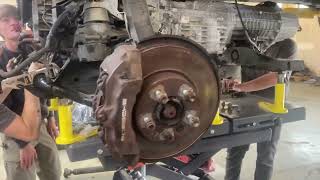
Deciding whether to repair your existing 3.6L VR6 or replace it with a used OEM unit comes down to the severity of the failure and the cost of labor. Because this engine requires a "subframe drop" (removing the engine and transmission from the bottom of the vehicle) for many major repairs, labor costs escalate quickly.
| Part or Service | Estimated Cost (USD) |
|---|---|
| Used OEM Engine | $3,500 - $5,500 |
| Remanufactured OEM Engine | $7,000 - $10,000+ |
| New OEM Engine | $12,000+ |
| Installation Labor | $2,250 - $4,400 (15-30 shop hours) |
When to Repair
| Repair Item | Estimated Cost (USD) | Recommendation |
|---|---|---|
| Intake Valve Carbon Buildup | $600 - $1,200 | This is a standard maintenance item. It makes sense to perform this preventative service on any engine with over 60,000 miles. |
| Integrated PCV Valve Failure | $50 - $500 | Always repair this. It is a common and relatively inexpensive fix. Aftermarket diaphragm repair kits are available for as little as $90, though a full new valve cover assembly is recommended. |
| Timing Chain Stretch | $3,000 - $5,000 | This is an engine-out procedure. It only makes sense to repair if your engine is otherwise healthy, has low-to-moderate mileage, and the rest of the vehicle is in excellent condition. |
When to Replace
Replacement is the smarter choice in cases of catastrophic internal failure (such as a cracked block or bent valves from a broken timing chain). It is also the better financial move when the estimated cost for a single major engine-out repair exceeds 60% to 70% of the total installed cost of a good, lower-mileage used engine. For example, repairing severe oil leaks from the timing covers can result in dealer quotes as high as $11,000. In that scenario, buying a used engine for $3,500 to $5,500 and paying for installation is far more economical.
Questions to Ask Your Installer
Before handing over your vehicle, ensure your mechanic is qualified for this specific job by asking:
- Are you experienced with the 958 Cayenne platform and the "subframe drop" engine removal method?
- Do you have the specific Porsche/VAG timing tools (like Baum Tools B9678KITPLUS or CTA 3760) required for this VR6 engine?
- Do you have a slide-hammer style FSI injector puller (like Schwaben 006159SCH01A) and a Teflon Seal Sizer Tool to safely remove and reseal the direct injectors without breaking them?
- Do you offer walnut blasting service for intake valve cleaning, and what would be the added cost while the engine is out?
- What is your procedure for ECU/immobilizer programming to marry the new engine computer to the vehicle? Do you use a Porsche PIWIS tool or a third-party service?
- Does your quote include replacing all required torque-to-yield (TTY) bolts, such as for the flexplate and engine mounts?
- Does your quote include all necessary seals and gaskets, like the rear main seal, valve cover gasket, and injector seal kits?
Freight & Delivery Reality

Buying a replacement engine is not like ordering a standard car part online. This is a massive piece of industrial equipment. Based on verified shipping data, a complete 3.6L VR6 engine assembly weighs approximately 585 pounds. Before crating, it measures roughly 48 inches long, 40 inches wide, and 42 inches tall.
Because of its size and weight, this engine ships via Less-Than-Truckload (LTL) freight on a wooden pallet. It will arrive on an 18-wheeler, not a standard delivery van. If you are having it delivered to a residential address or a shop without a loading dock, you must request a truck equipped with a liftgate to lower the pallet to the ground safely.
Warning: When the engine arrives, do not sign the delivery receipt immediately. You must inspect the engine while the driver is present. Check for any damage that may have occurred during transit, such as cracked plastic covers, broken sensors, or a crushed oil pan. If you sign the paperwork without noting damage, you lose your ability to file a freight claim later.
Finally, expect a pre-purchase verification interview from reputable suppliers. They will ask you to confirm that the 5th digit of your VIN is 'A' and that your engine code is M55.02, MCE.YA, or CEYA. This industry best practice ensures you do not accidentally order an incompatible engine.
Arrival Inspection: Compression and Leak-Down Testing
When your used engine arrives on a pallet, test its internal health before you spend hours installing it. You will need to attach a starter motor and a 12-volt battery to spin the engine for a compression test.
A compression test measures how much pressure each cylinder builds. Remove all six spark plugs so the engine spins easily. Hook up your compression tester to the first spark plug hole. Spin the engine for five to seven seconds. A healthy 3.6L VR6 engine should show between 145 and 190 psi (pounds per square inch) on your gauge. The most important rule is consistency. The lowest reading must be within 15% of the highest reading.
A leak-down test pumps compressed air into a cylinder to see how much air escapes. This tells you if the piston rings or valves are sealing properly. You must rotate the engine by hand until the cylinder you are testing is at top dead center (TDC). This means the piston is at the very top of its stroke and the valves are closed. A good used engine should have less than 15% air leakage in each cylinder.
Frequently Asked Questions (FAQ)
Can I use a 3.6L engine from a VW Touareg or Audi Q7?
No. While the core engine is similar, the Porsche version has unique oil pans, intake manifolds, wiring harnesses, and accessory mounting brackets that make a direct swap impossible without extensive modifications.
Is the engine in the Cayenne S or GTS the same?
No. For model years 2015-2018, the Cayenne S and GTS use a 3.6L twin-turbocharged V6 engine. It is a completely different design and is not interchangeable with the naturally-aspirated base model engine.
Do I absolutely need to get the engine programmed?
Yes. The vehicle's immobilizer is a security system that prevents theft. It will not allow the engine to run until the replacement engine's computer is properly synchronized with the car. This step is mandatory and requires dealer-level tools.
What is a "walnut blast" and why is it recommended?
A walnut blast is a cleaning method for direct-injection engines. It uses finely crushed walnut shells propelled by compressed air to scrub carbon buildup off the intake valves. Since fuel doesn't wash over these valves, carbon can accumulate and hurt performance. Doing this while the engine is out of the car is a highly recommended preventative service.
What parts are included when I buy a used engine assembly?
A standard used engine assembly typically includes the engine block, cylinder head, all internally lubricated parts, oil pan, valve cover, intake manifold, timing covers, fuel injection system (fuel rail and direct injectors), throttle body, and harmonic balancer. It usually does NOT include the A/C compressor, starter motor, power steering pump, alternator, or exhaust manifolds.
How long does this 3.6L VR6 engine typically last?
With consistent maintenance, the core engine block is robust and can last 150,000 to 200,000 miles. However, its lifespan is heavily dependent on addressing the timing chain service between 80,000 and 120,000 miles. Neglecting the timing chains or ignoring oil leaks will drastically shorten the engine's life.
Helpful Videos
Technical Specifications
Engine Type: 3.6L Naturally-Aspirated VR6; Vehicle Application: 2015-2018 Porsche Cayenne (Base Model); Generation: Second-gen (958 / 92A); Engine Family: Volkswagen Group EA390; Engine Code: M55.02; Alternate Codes: MCE.YA, CEYA, MCEYA; VIN Identifier: 5th digit must be 'A'; Weight (approx): 585 pounds; Dimensions (approx): 48 in L x 40 in W x 42 in H
We Have This Part in Stock


The information in this article is provided for general reference and educational purposes only. Vehicle specifications, procedures, and part compatibility can vary by production date, trim level, and region. Always consult your vehicle's factory service manual and verify part numbers before purchasing or performing repairs. Safety-critical components such as airbags, seat belts, and braking systems should be installed by a qualified professional.
- Porsche Cayenne:
- 🎬 Helpful Videos
- 🛍️ Shop This Part
- Is This the Right Engine for Your Cayenne?
- Check Your VIN
- Engine & Build Codes
- Common Failure Symptoms
- Diagnostic Flowchart
- Known Problems, Recalls, and Service Bulletins
- Severe: Timing Chain Stretch and Guide Wear
- Moderate: Intake Valve Carbon Buildup
- Moderate: PCV Valve Failure
- Other Common Issues
- What Fails at Every Mileage Band
- Under 60,000 Miles
- 60,000 - 100,000 Miles
- 100,000 - 150,000+ Miles
- Real Owner Experiences
- Repair or Replace?
- When to Repair
- When to Replace
- Questions to Ask Your Installer
- Freight & Delivery Reality
- Arrival Inspection: Compression and Leak-Down Testing
- Frequently Asked Questions (FAQ)
- 🎟️ Get 5% Off