

2018-2024 Ram, Jeep, Dodge & Chrysler Park Assist Sensor Failure: Diagnosis & Replacement
A guide to diagnosing and replacing the OEM park assist sensors (6MK25TZZAA, 6YD85TRMAB) in your Durango, Pacifica, Ram 1500/2500/3500, Gladiator, or Wrangler.
- The most common failure symptom is a "Service Park Assist System" or "ParkSense Unavailable" message on the dash.
- You can often diagnose the bad sensor at home by listening for a faint clicking sound; a silent sensor is usually the broken one.
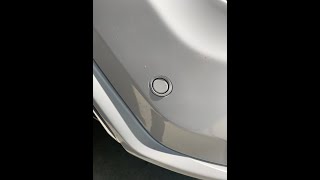
- This part is a Park Assist Sensor (OEM #6MK25TZZAA, 6YD85TRMAB), NOT a video camera.
- A used OEM sensor is a reliable and cost-effective option, often costing less than half the price of a new aftermarket part and a fraction of a new OEM part.
Symptoms of a Failing Park Assist Sensor

When a park assist sensor fails, your vehicle will typically alert you with a clear message on the dashboard. You may also notice the system behaving erratically or not working at all.
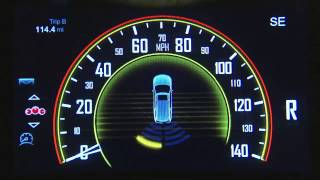
- "Service Park Assist System" or "ParkSense Unavailable" Message: This is the most common symptom. An error message will appear on your instrument cluster, and the system will be disabled.
- Constant Tone in Reverse: A steady, continuous beep when you shift into reverse, instead of the intermittent beeps that change frequency, indicates a system fault.
- False Alerts: The system may beep erratically, detecting obstacles that aren't there. This can be caused by a faulty sensor, dirt on the sensor face, or even heavy rain or snow.
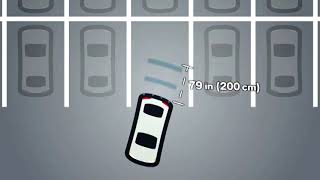
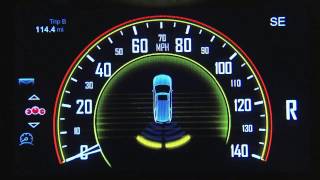
- No Alerts: The system may fail to detect objects at all, providing no audible or visual warnings 🎬 Watch how the ParkSense system should normally function and alert. as you approach an obstacle.
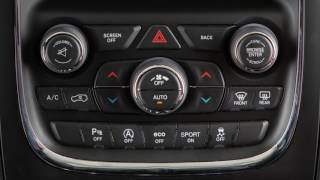
- Disabled System Light: The light on the ParkSense on/off button may illuminate and stay on, indicating the system has been automatically disabled due to a fault.
Pro Tip: On some vehicles like the Chrysler Pacifica, a weak or failing 12-volt battery can cause a wide range of electrical issues, including problems with the Park Assist system. If you're experiencing sensor issues along with other electrical gremlins, have your battery tested before replacing sensors.
Diagnosing the Faulty Sensor

Pinpointing which sensor has failed can often be done at home without expensive tools. Since the sensors are all identical, the goal is to identify the single unit that is malfunctioning.
Step 1: Clean and Visually Inspect
Before any complex diagnosis, thoroughly clean all sensors on the front and rear bumpers with soap and water. Mud, road salt, snow, or even a thick layer of wax can obstruct the sensor and cause false readings or errors. While cleaning, inspect each sensor for physical damage like cracks or being pushed into the bumper.
Step 2: The Listen and Touch Test
This simple trick is surprisingly effective. With the vehicle's ignition on and the parking brake set, put the transmission in Reverse to activate the system.
- Go to each sensor and place your ear very close to it. You should hear a faint, rapid clicking or buzzing sound.
- You can also lightly touch the face of the sensor with your fingertip. A working sensor will produce a palpable vibration or ticking feeling.
- A sensor that is completely silent and has no vibration is almost certainly the one that has failed.
Step 3: Use a Diagnostic Scan Tool
The most accurate method is to use an OBD-II scanner that can read manufacturer-specific Body Diagnostic Trouble Codes (DTCs). A basic code reader may not see these codes. A more advanced scanner can communicate with the Park Assist Module (PAM) and will tell you exactly which sensor has failed (e.g., "B1296-12 - Park Assist Module – Rear Sensor 9 Circuit Short to Battery").
Step 4: Swap Sensors
If you've identified a likely culprit with the listening test but want to be 100% sure before buying a part, you can swap it with a known-good sensor. For example, if you suspect the right-outer sensor is bad, swap it with the left-outer sensor. Clear any codes or cycle the ignition. If the fault moves to the left side, you've confirmed the sensor is bad. If the fault remains on the right side, the problem is in the vehicle's wiring harness or the Park Assist Module.
Known Issues, TSBs, and Recalls

While the sensors themselves are the most common failure point, there are some vehicle-specific issues to be aware of.
- TSB 08-123-24: This Technical Service Bulletin applies to some 2024 models across these vehicle lines. It addresses a software issue where the dash displays a "wipe off the Park Assist Sensors" message even when they are clean, disabling the front sensors. The fix is a software update for the Park Assist Module (PAM) performed by a dealer.
- Ram Wiring Harness: On 2019+ Ram trucks, intermittent "ParkSense Temporarily Unavailable" messages have been traced to a faulty wiring harness or a poor connection at the control module, which is located behind the driver's side trim panel near the door sill.
- Jeep Bumper/Tire Modifications: On Jeep Wranglers and Gladiators, installing an aftermarket steel bumper or significantly larger spare tire can interfere with sensor operation, causing constant alerts or system failure. This is due to the new bumper changing the sensor's angle or the tire being in the sensor's field of view.
Compatibility Warning: The initial prompt for this article incorrectly identified the part as a "Video Camera." The part numbers 6MK25TZZAA and 6YD85TRMAB are for ultrasonic park assist sensors. Always verify the part number and sensor color/finish before purchasing. Fitment can also vary between standard molded bumpers and optional steel bumpers on vehicles like the Jeep Wrangler and Gladiator.
Buying a Used Park Assist Sensor
A used OEM sensor is an excellent, cost-effective alternative to a new dealer part. Because these are simple electronic components with no moving parts, a sensor from a low-mileage, collision-free vehicle is just as reliable as a new one. Aftermarket sensors are cheaper but may have issues with sensitivity, longevity, or matching the factory paint color.
What to Inspect:
- Part Number: Match the OEM part number exactly. While 6MK25TZZAA and 6YD85TRMAB are largely interchangeable, it's best to match what came off your vehicle.
- Physical Condition: Inspect the sensor face for any deep scratches, cracks, or signs that the center diaphragm has been pushed in. Check the plastic housing and connector for any cracks or broken locking tabs.
- Connector Pins: Look inside the connector. The three pins should be straight, clean, and free of any corrosion.
- Source Vehicle: If possible, choose a part from a vehicle that was not involved in a front or rear-end collision to ensure the sensor wasn't damaged by impact.
Replacement Overview (Difficulty: 2/5)

Replacing a park assist sensor is a straightforward DIY job for most owners. The sensors are held in place by plastic clips and have a single electrical connector.
- Disconnect the battery.
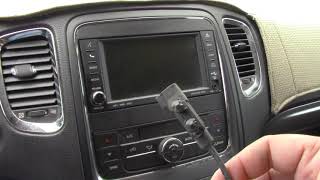
- Gain Access: This is the most variable step. On many of these vehicles, you can access the outer sensors by reaching up behind the bumper cover, sometimes 🎬 Watch this video for a Ram truck sensor replacement walkthrough. after removing a few screws or splash shields. For inner sensors, you may need to remove the entire bumper cover.
- Disconnect and Remove: Squeeze the tab on the electrical connector to unplug it. Then, carefully release the two plastic locking tabs that hold the sensor to its bracket and push the sensor out from the back of the bumper.
- Install the New Sensor: Push the new sensor into the bracket from the outside of the bumper until it clicks firmly into place. Reconnect the electrical harness.
- Test: Reconnect the battery and test the system before fully reassembling the bumper.
Cost Comparison
| Part Source | Estimated Cost (Per Sensor) |
|---|---|
| New OEM (Dealer) | $100 - $145 |
| New Aftermarket | $25 - $50 |
| Used OEM | $20 - $40 |
| Shop Labor | $75 - $250 (depending on bumper removal) |
Frequently Asked Questions
Do I need to have the new sensor programmed?
No. These park assist sensors are plug-and-play and do not require any programming or calibration after installation. However, if your issue was caused by the software glitch mentioned in TSB 08-123-24, the module itself will need to be reprogrammed by a dealer.
Do I have to paint the new sensor?
It depends. These sensors come in a standard black or unpainted finish. If your vehicle has color-matched sensors, you will need to paint the new sensor to match. Use very light coats of paint, as a thick layer can interfere with the sensor's ultrasonic operation.
Can I fix a single broken sensor, or do I have to replace the whole set?
You only need to replace the individual sensor that has failed. The system will work correctly once the faulty unit is replaced with a functioning one.
Why does the park assist system turn off when I connect a trailer?
This is a normal and intentional feature. The system detects the trailer through the wiring harness and automatically disables the rear sensors to prevent them from constantly beeping because of the trailer in front of them.
Helpful Videos

Technical Specifications
OEM Part Numbers: 6MK25TZZAA 6YD85TRMAB 6MK25KBUAA 6MK25KXJAA 6MK25P79AA 6MK25P82AA 6MK25PR4AA 6MK25VCAAA 6MK25WASAA 6MK25WCQAA 6MK25WHCAA 6MK25WS2AA
Ultrasonic sensor with 3-pin male connector.
We Have This Part in Stock



The information in this article is provided for general reference and educational purposes only. Vehicle specifications, procedures, and part compatibility can vary by production date, trim level, and region. Always consult your vehicle's factory service manual and verify part numbers before purchasing or performing repairs. Safety-critical components such as airbags, seat belts, and braking systems should be installed by a qualified professional.
- Dodge Durango:
- Chrysler Pacifica:
- Ram 1500:
- Ram 2500:
- Ram 3500:
- Jeep Gladiator:
- Jeep Wrangler:
- 🎬 Helpful Videos
- 🛍️ Shop This Part
- Symptoms of a Failing Park Assist Sensor
- Diagnosing the Faulty Sensor
- Step 1: Clean and Visually Inspect
- Step 2: The Listen and Touch Test
- Step 3: Use a Diagnostic Scan Tool
- Step 4: Swap Sensors
- Known Issues, TSBs, and Recalls
- Buying a Used Park Assist Sensor
- What to Inspect:
- Replacement Overview (Difficulty: 2/5)
- Cost Comparison
- Frequently Asked Questions
- 🎟️ Get 5% Off