

2004-2011 Toyota Prius Hybrid Battery: Decoding P0A80 and Replacement Guide
This guide covers common failure symptoms, diagnostic codes, and what to look for when buying a used high-voltage battery for your Gen 2 or Gen 3 Prius.
- The most definitive sign of failure is the P0A80 trouble code, usually accompanied by the 'Red Triangle of Death' on the dash.
- Replacement is extremely hazardous due to lethal high voltage and should only be done by trained professionals.
- When buying a used battery, demand a diagnostic report (e.g., from the Dr. Prius app) showing the voltage difference between cell blocks; a healthy pack has a difference under 0.3V.
- A failing battery causes poor fuel economy, sluggish acceleration, and makes the gas engine run constantly.
Symptoms of a Failing Hybrid Battery Pack

A failing Prius hybrid battery rarely dies suddenly. It usually gives several warning signs as its performance degrades. Ignoring these can lead to a no-start situation or damage to other hybrid components.
Warning Lights: The 'Red Triangle of Death'
The most obvious sign of a problem is the master warning light, a red triangle with an exclamation point, often nicknamed the 'Red Triangle of Death'. This light indicates a critical fault has been detected. It is almost always accompanied by a 'CHECK HYBRID SYSTEM' message on the multi-function display and an illuminated Check Engine Light. While this combination can point to several issues, it is most commonly triggered by a failing high-voltage battery.
Pro Tip: The red triangle can also illuminate for non-hybrid issues, most commonly low engine oil pressure that occurs for a moment during braking or turning. Always check your engine oil level first to rule out this simple fix.
Performance and Fuel Economy Issues
- Decreased Fuel Economy: One of the first signs is a noticeable drop in your average MPG. As the battery weakens, it can't assist the gasoline engine as effectively, forcing the engine to run more often and burn more fuel.
- Rapid Battery Gauge Fluctuations: The battery charge level on your dashboard display may swing erratically, dropping from nearly full to empty and then quickly jumping back up. This 'yo-yo' effect shows the battery can no longer hold a stable charge.
- Gas Engine Runs Constantly: You may notice the gasoline engine kicking on more frequently, even at low speeds or when stopped, as it works harder to keep the failing battery charged.
- Reduced Power: Acceleration may feel sluggish, especially when pulling away from a stop or climbing hills, because the electric motor isn't getting enough power from the battery to assist the engine.
Common Diagnostic Trouble Codes (DTCs)
To confirm the battery is the problem, you must read the codes from the car's computer using an OBD2 scanner. The 🎬 Watch: How to quickly diagnose a bad Prius battery definitive code for battery failure is:
- P0A80 - Replace Hybrid Battery Pack: This code is set when the battery's control module detects that one or more of the internal cell blocks are weak or out of balance with the others.
You may also see other related codes, such as P3000 (Battery Control System) or specific codes for individual battery blocks (P3011 through P3028), which pinpoint the failing section of the pack.
Buying a Used 2004-2011 Prius Hybrid Battery

A used OEM battery can be a reliable and cost-effective alternative to an expensive new unit, but careful inspection is critical. Aftermarket options exist, but a quality used or remanufactured OEM pack often provides the best balance of value and reliability.
How to Test a Used Battery Before Purchase
The single most important factor is the balance between the battery's internal cell blocks. A healthy pack will have very similar voltage readings across all blocks. An unbalanced pack is a sign of failure.
- Get a Diagnostic Report: Ask the seller to provide a screenshot or printout from a diagnostic app like Dr. Prius or Hybrid Assistant. These apps connect to the car via a simple Bluetooth OBD2 adapter and can display the voltage of each battery block.
- Check Voltage Difference: In the report, look at the voltages for all the blocks (14 blocks in a Gen 2/3 Prius). A healthy, balanced battery should have a difference of less than 0.3 volts between the highest and lowest block. A larger difference indicates a weak or failing pack.
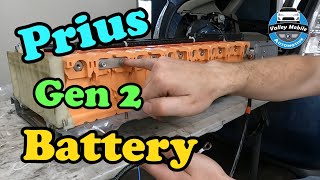
- Inspect for Corrosion: Visually inspect the battery's bus bars—the copper or nickel-plated strips that connect the modules. Look for any signs of white or blue-green corrosion. Corroded bus bars can cause resistance issues and are a sign of moisture intrusion or leaking cells.
- Check the Casing: Inspect the metal case for any significant dents, cracks, or signs of damage that could indicate it was mishandled or involved in a collision.
Pro Tip: A reputable seller of used hybrid batteries will readily provide a diagnostic report showing cell balance. If a seller is unwilling or unable to provide this data, it is a major red flag.
Compatibility and Part Numbers
The hybrid batteries for the second-generation (2004-2009) and third-generation (2010-2011) Prius are different and are not directly interchangeable. You must use the correct battery for your vehicle's generation.
Warning: This is the main high-voltage hybrid battery pack. It is entirely separate from the 12-volt auxiliary battery (located in the trunk or under the hood) which powers the vehicle's electronics and computers.
2010-2011 Model Year Note
For 2011 Toyota Prius models, the original part number changed after October 2010 production. However, the earlier 2010-style battery is functionally compatible with all 2010-2011 models, so you may see parts listed for '2010-2011' or '2010-2015'.
Verified OEM Part Numbers
The following is a list of known OEM part numbers for this high-voltage battery. Always confirm fitment with the seller using your vehicle's VIN.
| Part Number | Vehicle(s) |
|---|---|
| G9280-47010, G9280-47080, G9280-47100, G928047080 | Toyota Prius |
| G9510-47030, G9510-47031, G9510-47060, G9510-47062, G9510-47063, G9510-47064 | Toyota Prius |
| G928047110, G928147100 | Toyota Prius |
| G9280-76010, G9280-76011, G928076011 | Lexus (Often cross-compatible) |
Known Issues, Recalls, and TSBs
There have been no major recalls for premature failure of the 2004-2011 Prius high-voltage battery itself. However, Toyota has issued Technical Service Bulletins (TSBs) for related components.
- TSB T-SB-0003-21: For 2010–2015 Prius models, this TSB addresses a potential malfunction in the inverter assembly. This can trigger a 'Check Hybrid System' light and may be misdiagnosed as a battery problem. The associated codes include P0A94, P324E, P0A1A, and/or P3004.
Replacement Overview and Safety

CRITICAL WARNING: High Voltage Risk. The hybrid battery system operates at over 200 volts, which is lethal. This procedure should only be performed by qualified technicians or individuals with specific training in high-voltage safety. NEVER attempt to open or service the battery pack itself.
The basic steps for a professional replacement involve a strict safety protocol to de-energize the system before the battery is handled.
- Disconnect the 12V Battery: The 12V auxiliary battery is disconnected first to prevent the high-voltage relays from being activated.
- Remove the HV Service Plug: A special high-voltage disconnect plug, typically bright orange, is removed. This physically breaks the circuit inside the battery pack.
- Wait for Discharge: Technicians wait at least 10 minutes to allow the capacitors in the inverter to fully discharge.
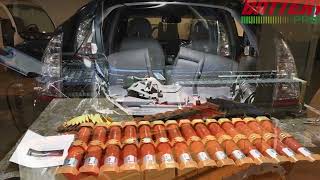
- Remove Trim and Battery: The rear seat, trunk trim, and various covers are removed to access the battery pack. The pack, which weighs around 80 pounds, is then unbolted and removed from the vehicle. 🎬 See this step-by-step battery removal and installation video
- Installation: The new battery is installed, and the process is reversed. No special programming is required after installation.
Cost Comparison
The cost to replace a Prius hybrid battery can vary significantly based on the type of battery you choose.
| Battery Type | Estimated Part Cost |
|---|---|
| New OEM (Dealer) | $2,500 - $4,600 |
| New Aftermarket | $2,000 - $2,600 |
| Remanufactured/Refurbished | $900 - $1,800 |
| Used OEM | $750 - $1,500 |
| Shop Labor | $500 - $1,500 |
Frequently Asked Questions (FAQ)
How long does a 2004-2011 Prius hybrid battery last?
A Toyota Prius hybrid battery typically lasts between 8 to 10 years or 100,000 to 150,000 miles, though many last much longer. Lifespan depends heavily on driving habits, climate, and maintenance.
Can I replace just the bad cells in 🎬 Watch: How to replace individual bad battery cells my battery pack?
Yes, it is technically possible to replace individual modules (often called 'cells') within the battery pack. However, this is a temporary fix. When one module fails, others are usually close behind. Replacing the entire pack with a balanced, tested unit (whether new, used, or remanufactured) is the more reliable long-term solution.
Is it safe to replace a hybrid battery myself?
No, it is not recommended for individuals without proper training and safety equipment. The system contains lethal high voltage. The safety procedures, including using Class 0 insulated gloves and verifying zero voltage with a multimeter, are critical to prevent severe injury or death.
What is the warranty on a replacement hybrid battery?
Warranties vary by supplier. New OEM batteries from Toyota typically have a strong warranty. Aftermarket and remanufactured battery warranties can range from 12 months to 48 months or more, so it is important to compare warranty terms when purchasing.
Helpful Videos





Technical Specifications
OEM Part Numbers: G9280-76010 G9280-76011 G9280-47010 G9280-47080 G9280-47100 G928047080 G928047110 G928076011 G928147100 G9510-47060 G9510-47062 G9510-47063 G9510-47064 G951047030 G951047031
Type: Nickel-Metal Hydride (NiMH) | Nominal Voltage: 201.6V DC | Composition: 28 modules, each containing 6 cells (1.2V each) | Weight: Approx. 80-88 lbs (36-40 kg)
We Have This Part in Stock



The information in this article is provided for general reference and educational purposes only. Vehicle specifications, procedures, and part compatibility can vary by production date, trim level, and region. Always consult your vehicle's factory service manual and verify part numbers before purchasing or performing repairs. Safety-critical components such as airbags, seat belts, and braking systems should be installed by a qualified professional.
- Toyota Prius:
- 🎬 Helpful Videos
- 🛍️ Shop This Part
- Symptoms of a Failing Hybrid Battery Pack
- Warning Lights: The 'Red Triangle of Death'
- Performance and Fuel Economy Issues
- Common Diagnostic Trouble Codes (DTCs)
- Buying a Used 2004-2011 Prius Hybrid Battery
- How to Test a Used Battery Before Purchase
- Compatibility and Part Numbers
- 2010-2011 Model Year Note
- Verified OEM Part Numbers
- Known Issues, Recalls, and TSBs
- Replacement Overview and Safety
- Cost Comparison
- Frequently Asked Questions (FAQ)
- 🎟️ Get 5% Off