

2007-2015 Mazda CX-9 Vapor Canister: Solving EVAP Codes P0455 & P0456
This guide explains common failure symptoms, diagnostic steps, and replacement costs for the vapor canister on the first-generation Mazda CX-9.
- The most common symptom of a problem is a Check Engine Light with codes P0455 or P0456.
- Always check the gas cap first! A loose cap is the most frequent cause of EVAP codes, as noted in Mazda TSB 01-005/19.
- A clogged canister can make refueling difficult, causing the gas pump to click off repeatedly.
- The correct OEM part number is CY01-13-96ZD, which fits all 2007-2015 CX-9 models.
What Does the Vapor Canister Do on a 2007-2015 Mazda CX-9?

The vapor canister is a key component in your CX-9's fight against air pollution. Gasoline naturally evaporates inside the fuel tank, creating vapor pressure. The EVAP system is a sealed network of hoses, valves, and the vapor canister designed to contain these vapors. The canister acts like a sponge for these gasoline fumes, absorbing them into its activated charcoal core. When you're driving, the engine's computer decides the right time to clean out, or 'purge,' this sponge. It opens a purge valve, and the engine's vacuum sucks the fumes out of the canister and into the intake manifold, where they are burned along with fresh fuel. This prevents harmful hydrocarbons from escaping into the atmosphere and will prevent you from failing an emissions test.
Common Symptoms of a Failing Vapor Canister

A failing vapor canister or a leak elsewhere in the EVAP system can trigger several noticeable symptoms. The most common is a Check Engine Light, but other signs can also point to a problem.
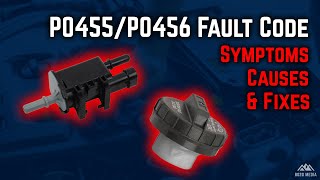
- Check Engine Light with EVAP Codes: This is the most frequent symptom. The system will detect a leak or a clog and store a Diagnostic Trouble Code (DTC). Common codes for the CX-9 include 🎬 Watch this video to understand and fix these EVAP codes. P0455 (EVAP System Leak Detected - Large Leak), P0456 (EVAP System Leak Detected - Very Small Leak), and P0457 (EVAP System Leak Detected - Fuel Cap Loose/Off).
- Difficulty Fueling: If the canister is clogged or the system cannot vent properly, pressure can build up in the fuel tank. This can cause the gas pump nozzle to repeatedly click off while you are trying to fill the tank.
- Fuel Smell: A cracked canister or a leaking hose in the EVAP system can allow raw fuel vapors to escape, leading to a noticeable gasoline smell around the rear of the vehicle, especially after it has been parked.
- Poor Engine Performance: While less common, issues like a rough idle or difficulty starting can occur if a related component, like the purge valve, is stuck open, allowing unmetered fuel vapor into the engine at the wrong time.
Pro Tip: Before suspecting the canister, always check your gas cap first! A loose or worn-out gas cap is the most common cause of EVAP codes. Mazda even issued a Technical Service Bulletin (TSB 01-005/19) for the P0456 code, stating that the most likely cause is the fuel cap not being fully tightened after refueling.
Known Issues, Recalls, and Technical Service Bulletins (TSBs)
There are no active recalls specifically for the vapor canister on the 2007-2015 Mazda CX-9. However, there is one key TSB that owners should be aware of:
- TSB 01-005/19: This bulletin addresses the Check Engine Light with DTC P0456 (EVAP system leak detected - very small leak). It explicitly states that this code is most often caused by the driver not closing the fuel cap completely until it clicks. The bulletin advises technicians to check for actual leaks but notes that a repair for a loose cap is not a warrantable issue.
Buying a Used Vapor Canister for Your Mazda CX-9: What to Look For

Since new aftermarket vapor canisters for the CX-9 are not widely available, a quality used OEM canister is often the best and most economical choice. Here’s what to inspect before you buy:
- Check for Physical Damage: Carefully inspect the entire black plastic housing of the canister. Look for any cracks, splits, or signs of impact. The canister is located under the car and can be damaged by road debris.
- Inspect All Nipples and Ports: The canister has several plastic nipples where rubber hoses connect. These can become brittle with age and break off during removal. Ensure all ports are fully intact, round, and free of cracks. A broken nipple makes the part unusable.
- Verify Part Number: The correct part number for all 2007-2015 CX-9 models is CY01-13-96ZD. This number supersedes older versions like CY01-13-96Z, ZA, ZB, and ZC. While the Ford-branded part 8T43-9D653-AA from a Ford Edge may appear similar due to the shared platform, sticking with the Mazda-branded part guarantees correct fitment and system compatibility.
- Consider Mileage and Condition: A used canister from a lower-mileage, rust-free vehicle is always preferable. While the charcoal inside doesn't typically 'wear out,' the plastic housing and any attached solenoids are subject to age and heat cycles.
- Why Used OEM is a Good Choice: A used genuine Mazda canister was designed to meet the exact specifications of your vehicle's EVAP system. It will fit correctly and communicate properly with the vehicle's computer, avoiding the potential compatibility issues that can arise with aftermarket parts.
Cost of Replacing a 2007-2015 Mazda CX-9 Vapor Canister
The cost can vary significantly based on the parts you choose and who performs the labor. Many owners chasing EVAP codes also replace the more accessible purge or vent valves first.
| Part/Service | Estimated Cost |
|---|---|
| New OEM Vapor Canister (Part Only) | $210 - $310 |
| New Aftermarket Vapor Canister (Part Only) | Not commonly available |
| Used OEM Vapor Canister (Part Only) | $75 - $150 |
| Shop Labor Cost | $135 - $200 |
| Total Professional Replacement (New OEM) | $345 - $510+ |
Step-by-Step Replacement Guide (Overview)

Replacing the vapor canister is a manageable DIY job for someone with basic tools and safety knowledge. The canister is located underneath the vehicle on the driver's side, near the rear suspension and fuel tank.
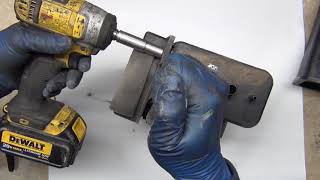
- Safety First: Park on a level surface and engage the parking brake. Safely lift the rear of the vehicle with a jack and secure it on jack stands. 🎬 See this step-by-step walkthrough of the canister replacement process. Never work under a vehicle supported only by a jack.
- Locate the Canister: Find the black plastic box (the vapor canister) mounted near the fuel tank. It will have several hoses and at least one electrical connector attached to it.
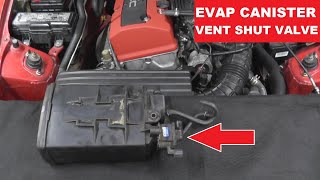
- Disconnect Hoses and Connectors: Carefully disconnect the electrical connector for the vent solenoid, which is often attached to the canister. 🎬 Learn how to test and replace the vent shut valve. Then, disconnect the rubber hoses. These hoses may have spring clamps or quick-disconnect fittings. Be gentle, as old plastic and rubber can be brittle.
- Remove the Canister: The canister is typically held in place by a few bolts or a mounting bracket. Remove the fasteners and lower the canister from the vehicle.
- Install the New Canister: Installation is the reverse of removal. Mount the new canister, reconnect all hoses to their correct ports, and plug in the electrical connector. Ensure all connections are secure.
- Clear Codes and Test: After replacement, use an OBD-II scanner to clear the stored fault codes. Drive the vehicle for several days to allow the EVAP system to run its self-tests and confirm the Check Engine Light does not return.
Frequently Asked Questions (FAQ)
Can I drive my CX-9 with a bad vapor canister?
Yes, in most cases, it is safe to drive with a bad vapor canister, but it's not recommended for long. You will not be able to pass an emissions test, you may experience reduced fuel economy, and you will be releasing harmful pollutants into the atmosphere. The Check Engine Light will also prevent you from knowing if a new, more serious problem arises.
What's the difference between the purge valve and the vapor canister?
They are two separate but related parts of the EVAP system. The vapor canister is the large, black plastic box near the fuel tank that stores fuel vapors. The purge valve (or purge solenoid) is a small valve typically located in the engine bay that controls when those stored vapors are drawn into the engine to be burned. Many times, a faulty purge valve is misdiagnosed as a bad canister.
Why does my gas pump keep shutting off?
This is a classic symptom of a clogged vapor canister or a stuck-closed vent valve. When you pump gas, the incoming fuel displaces air and vapor in the tank. This air/vapor mix is supposed to travel through a vent hose to the canister. If the canister is saturated with fuel or the vent path is blocked, pressure builds up in the tank and filler neck, which trips the sensor in the gas pump nozzle, causing it to shut off.
Do I need to get my car's computer reprogrammed after replacing the vapor canister?
No, a computer reprogram is not necessary. After installing the new canister, you should clear the existing trouble codes with an OBD-II scanner. The vehicle's computer will then run its own diagnostic cycles during normal driving to verify that the leak has been fixed.
Is there a theft concern for this part?
No, unlike catalytic converters, vapor canisters are not targeted for theft. They do not contain precious metals and have no scrap value.
Helpful Videos


Technical Specifications
OEM Part Numbers: CY01-13-96ZD CY01-13-96ZC CY01-13-96ZB CY01-13-96ZA CY01-13-96Z 8T43-9D653-AA
Black plastic housing containing activated charcoal, with multiple hose ports and often includes an integrated or attached vent solenoid.
We Have This Part in Stock




The information in this article is provided for general reference and educational purposes only. Vehicle specifications, procedures, and part compatibility can vary by production date, trim level, and region. Always consult your vehicle's factory service manual and verify part numbers before purchasing or performing repairs. Safety-critical components such as airbags, seat belts, and braking systems should be installed by a qualified professional.
- Mazda CX-9:
- 🎬 Helpful Videos
- 🛍️ Shop This Part
- What Does the Vapor Canister Do on a 2007-2015 Mazda CX-9?
- Common Symptoms of a Failing Vapor Canister
- Known Issues, Recalls, and Technical Service Bulletins (TSBs)
- Buying a Used Vapor Canister for Your Mazda CX-9: What to Look For
- Cost of Replacing a 2007-2015 Mazda CX-9 Vapor Canister
- Step-by-Step Replacement Guide (Overview)
- Frequently Asked Questions (FAQ)
- 🎟️ Get 5% Off