

2010-2013 Mazda 3 Vapor Canister: Solving EVAP Codes and Compatibility Traps
This guide covers the common failure symptoms, critical part variations, and replacement challenges for the vapor canister on the second-generation Mazda 3.
- Compatibility is critical: This part (LF3T-13-970A) ONLY fits 2010-2013 Mazda 3s with Federal emissions and non-SKYACTIV engines. Verify your car's under-hood emissions label before buying.
- Common symptoms include a Check Engine Light (P0442, P0455), difficulty filling the gas tank, and a fuel smell.
- Replacement is a difficult job. The canister is located above the rear subframe, which typically must be lowered for access, making professional installation highly recommended.
- Always check the gas cap first for any EVAP leak codes. A loose or faulty cap is the most common cause and a much cheaper fix than replacing the canister.
Symptoms of a Failing Vapor Canister
When the vapor canister or a related EVAP component on your 2010-2013 Mazda 3 fails, the signs are usually consistent and hard to ignore. While the car remains drivable, these issues will prevent it from passing an emissions inspection.
- Check Engine Light (CEL): This is the most common symptom. The computer will detect a leak or blockage in the EVAP system and store diagnostic trouble codes (DTCs). The most frequent codes are P0442 (Small Leak), P0455 (Gross Leak), and P0456 (Very Small Leak). A faulty gas cap is a very common cause for these codes, so it should always be checked first.
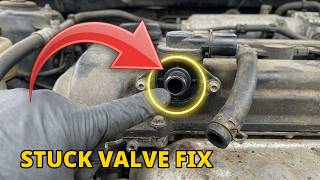
- Difficulty Fueling: A clogged canister or a stuck vent valve prevents air from escaping the fuel tank as you pump gas. This creates back-pressure, causing the gas pump nozzle to repeatedly click off, making it extremely slow and frustrating to fill the tank.
- Strong Fuel Smell: If the canister is cracked or saturated with fuel (often from habitually overfilling the gas tank), it can no longer hold the vapors. This leads to a noticeable gasoline smell around the rear of the vehicle.
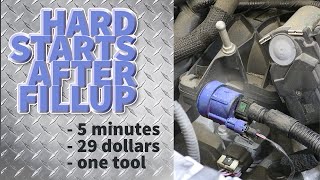
- Hard Starting After Refueling: If the purge valve (located in the engine bay) gets stuck open, it allows fuel vapors to flood the engine when you refuel. This creates a rich fuel mixture that makes the engine difficult to start until the excess vapor is cleared. 🎬 Watch: Why a stuck purge valve causes hard starts
- Poor Engine Performance: While less common, a significant EVAP system leak can sometimes create a vacuum leak, leading to a rough idle or hesitation.
Critical Compatibility Warning: Before ordering this part, you MUST verify your vehicle's specifications. Mazda used different canisters for this generation. This part, OEM number LF3T-13-970A, is ONLY for 2010-2013 Mazda 3 models with Federal emissions and the non-SKYACTIV engine. It will NOT work on California emissions models or the 2012-2013 models equipped with the SKYACTIV engine. These parts are not interchangeable.
How to Check Your Vehicle's Emissions System
To determine if your car has Federal or California emissions, check the Vehicle Emission Control Information (VECI) label under the hood. A Federal emissions vehicle's label will state that it conforms to U.S. EPA regulations. A California emissions vehicle will state that it conforms to both U.S. EPA and California (or CARB) regulations.
Known Issues, TSBs, and Recalls
- No Recalls: There are no active recalls from the NHTSA for the vapor canister on the 2010-2013 Mazda 3.
- TSB for EVAP Leaks: Mazda issued Technical Service Bulletin (TSB) 01-002/18, which provides technicians with a detailed diagnostic procedure for finding the source of EVAP leak codes like P0442, P0455, and P0456. Another TSB, 01-020/10, specifically addresses these codes when caused by a faulty fuel filler cap. This highlights the importance of checking or replacing the gas cap before suspecting more complex components.
Buying a Used Vapor Canister: What to Look For
A used OEM vapor canister can be a reliable and cost-effective solution, especially given the high cost of a new unit. Since these parts are not high-wear items, a good used canister from a low-mileage vehicle is often a smart buy. Here’s what to inspect:
- Verify Part Numbers: Double-check that the part number on the used canister is LF3T-13-970 or LF3T-13-970A. This ensures it's the correct Federal emissions, non-SKYACTIV version.
- Inspect for Physical Damage: Carefully check the plastic housing for any cracks, especially around the mounting tabs and hose ports. A cracked canister is useless, as it will create an immediate EVAP leak.
- Check the Ports: Ensure all hose connection nipples are intact and not broken or brittle. These can be easily damaged during removal from the donor vehicle.
- Look for Fuel Saturation: The canister should be dry and relatively lightweight. If it feels heavy or has signs of liquid fuel leaking from it, it has been contaminated (likely by over-topping the fuel tank) and should be rejected.
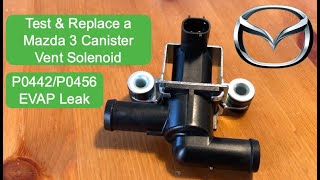
- Associated Valves: Sometimes, the canister is sold with the vent solenoid still attached. Inspect its condition as well, though it's often best to install a new vent solenoid 🎬 See this guide on replacing the canister vent solenoid with a used canister.
Pro Tip: A used OEM canister is often superior to a cheap aftermarket alternative. OEM parts guarantee perfect fitment of hoses and mounting points, which is critical for a sealed emissions system. Aftermarket units can sometimes have slight dimensional differences that lead to persistent, hard-to-diagnose EVAP leak codes.
Replacement Overview and Difficulty
Replacing the vapor canister on a 2010-2013 Mazda 3 is known to be a difficult and labor-intensive job. The canister is located at the rear of the car, tucked above the rear subframe. Access is extremely limited, and in most cases, a mechanic will need to lower the rear subframe to get enough clearance to remove the old canister and install the new one. This is not a simple bolt-off, bolt-on repair and is generally not recommended for a novice DIY mechanic.
Cost Breakdown
The cost of replacement is driven primarily by the high labor time required.
| Part Type | Estimated Cost |
|---|---|
| New OEM (Mazda) | $210 - $300 |
| New Aftermarket | $150 - $280 |
| Used OEM | $40 - $75 |
| Shop Labor | $250 - $400 |
Legal and Compliance Requirements
A functioning EVAP system is a federal requirement. A Check Engine Light triggered by an EVAP code (like P0442, P0455, or P0456) will cause an automatic failure of an emissions inspection in most states. While the canister itself is not subject to CARB-specific regulations like a catalytic converter, the entire system must be sealed and functioning correctly to be compliant. Driving with a known EVAP issue means your vehicle is releasing harmful pollutants into the atmosphere.
Frequently Asked Questions (FAQ)
Can I drive with a bad vapor canister?
Yes, but it's not recommended for an extended period. A bad canister will not leave you stranded or cause immediate engine damage, but you will fail any emissions test. You may also experience annoying symptoms like a strong fuel smell, poor performance, and difficulty refueling.
Why is my car hard to start only after I get gas?
This classic symptom is almost always caused by a faulty EVAP purge valve/solenoid, not the canister itself. The purge valve is stuck open, allowing fuel vapors from the tank to flood the engine during refueling. This creates a fuel mixture that is too rich to ignite easily.
My mechanic says I need a new canister, but the code is for a small leak (P0442). What should I do first?
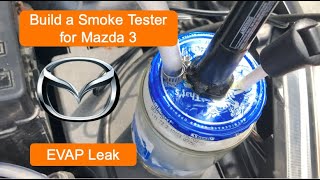
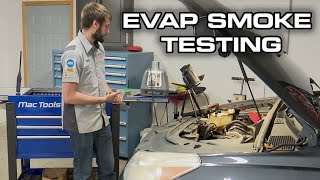
Before replacing the expensive and difficult-to-access canister, always start with the simplest and most common causes. First, tighten the gas cap and clear the code. If it returns, replace the gas cap with a new, genuine OEM Mazda cap, as aftermarket caps are known to cause issues. If the problem persists, have a mechanic perform a smoke test to pinpoint the exact location of the leak. 🎬 Watch: How to perform an EVAP smoke test It could be a simple cracked hose, a bad purge valve, or the vent solenoid before it's confirmed to be the canister itself.
What's the difference between the purge valve and the vent solenoid?
They are two separate but related parts of the EVAP system. The purge valve (or purge solenoid) is in the engine bay and controls the flow of stored vapors *from* the canister *to* the engine. The vent solenoid (or vent valve) is located near the canister at the rear of the car and controls fresh air flowing *into* the canister to help purge the vapors. Both can cause similar EVAP codes but are diagnosed and replaced differently.
Helpful Videos
Technical Specifications
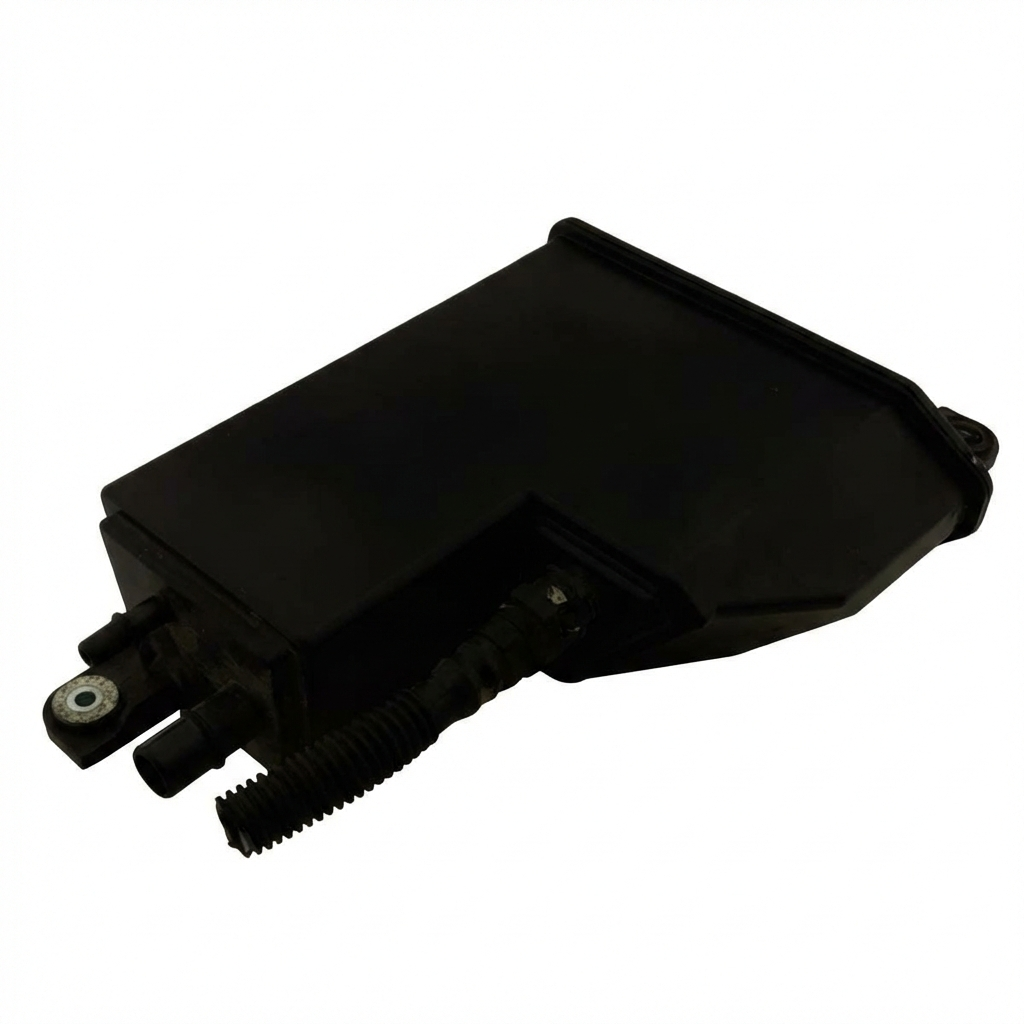
OEM Part Numbers: LF3T-13-970A LF3T-13-970
Fits Federal emissions vehicles without the SKYACTIV engine only.
We Have This Part in Stock



The information in this article is provided for general reference and educational purposes only. Vehicle specifications, procedures, and part compatibility can vary by production date, trim level, and region. Always consult your vehicle's factory service manual and verify part numbers before purchasing or performing repairs. Safety-critical components such as airbags, seat belts, and braking systems should be installed by a qualified professional.
- Mazda 3:
- 🎬 Helpful Videos
- 🛍️ Shop This Part
- Symptoms of a Failing Vapor Canister
- How to Check Your Vehicle's Emissions System
- Known Issues, TSBs, and Recalls
- Buying a Used Vapor Canister: What to Look For
- Replacement Overview and Difficulty
- Cost Breakdown
- Legal and Compliance Requirements
- Frequently Asked Questions (FAQ)
- 🎟️ Get 5% Off