

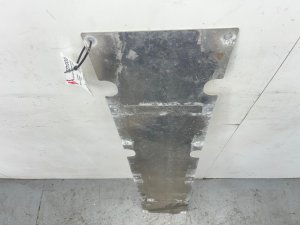
2020-2023 McLaren GT Undercar Shield: Damage, Costs, and Replacement
This guide covers common damage points, replacement costs, and inspection tips for the crucial aerodynamic undercar shield on the 2020-2023 McLaren GT.
- Damage to the undercar shield is common on the McLaren GT due to its low ground clearance; inspect for cracks and scrapes before buying a used part.
- Verify the OEM part number 11A0489CP, as it is shared across several McLaren models, to ensure correct fitment.
- A damaged shield is not just a cosmetic issue; it can negatively affect the car's aerodynamic stability at high speeds.
- New OEM shields are very expensive, making a good-condition used OEM part the best value for this replacement.
Known Issues and Vehicle-Specific Information
The McLaren GT's low ground clearance makes its undercar shields susceptible to damage from everyday obstacles like speed bumps, steep driveways, and road debris. While there are no specific recalls or Technical Service Bulletins (TSBs) from the National Highway Traffic Safety Administration (NHTSA) for the undercar shield itself, damage to this part is a common issue discussed by owners. The most significant concern is physical impact leading to cracks, scrapes, or complete breakage.
Compatibility Warning: The primary OEM part number for the center undercar shield is 11A0489CP. This part is known to fit multiple McLaren models, including the MP4-12C, 570S, and 650S. Always verify the part number on your existing shield before purchasing a replacement to ensure correct fitment.
Recalls for the 2020-2023 McLaren GT
While not related to the undercar shield, owners should be aware of two notable safety recalls for this vehicle:
- Hood Latch Recall (NHTSA Campaign 24V661000): Affecting 1,012 cars, this recall addresses excessive tension in the manual hood release cable that could cause the hood to open unexpectedly while driving. The remedy involves replacing the latch with an updated design.
- Brake Line Recall (NHTSA Campaign REC-006338): A small number of vehicles may have had rear brake pipes incorrectly routed to the ABS/ESP control module, which could affect stability control and braking performance.
Common Symptoms of a Damaged Undercar Shield
A damaged undercar shield can present several obvious symptoms. Ignoring them can lead to further damage to the vehicle.
- Scraping or Dragging Noises: This is the most common symptom, especially when driving over bumps, dips, or uneven roads. It indicates a piece of the shield is loose and making contact with the ground.
- Rattling or Flapping Sounds: At higher speeds, a loose or cracked shield can vibrate or flap in the wind, creating a persistent noise from underneath the car.
- Visible Damage: A quick visual inspection may reveal cracks, missing sections, or the entire panel hanging loosely.
- Reduced Aerodynamic Performance: In a high-performance car like the McLaren GT, a damaged or missing underbody panel can disrupt airflow, potentially leading to reduced stability at high speeds or a decrease in fuel efficiency.
- Engine Overheating: If the shield is designed to channel air toward coolers for the engine or transmission, significant damage could restrict this airflow and lead to higher operating temperatures.
Buying a Used Undercar Shield: What to Inspect
Given the high cost of new OEM parts, a used undercar shield is often the most practical solution. A thorough inspection is critical to ensure you are buying a usable part.
Key Inspection Points:
- Check All Mounting Points: This is the most critical area. Carefully inspect every hole where a bolt or clip attaches. Any cracks, tears, or elongation of these holes can prevent the shield from being securely fastened. A shield with a damaged mounting point is often unusable.
- Look for Cracks and Fractures: Examine the entire surface of the panel, especially along edges and corners, for cracks. While small surface scuffs are normal, deep cracks compromise the structural integrity of the shield.
- Inspect for Previous Repairs: Look for signs of plastic welding, fiberglass patches, or excessive adhesives. Poorly executed repairs may fail, and it's better to find a panel in good original condition.
- Verify Material Integrity: The panel should feel sturdy, not brittle or flaky. Exposure to heat and the elements can degrade the plastic or composite material over time.
- Confirm the Part Number: Locate the stamped OEM part number (e.g., 11A0489CP) on the shield and match it to your original part. This guarantees correct fitment for aerodynamics and mounting points.
Pro Tip: For a part like this on a performance vehicle, a used OEM shield is almost always a better choice than a new aftermarket one (if you can even find one). OEM parts guarantee perfect fitment, which is essential for proper aerodynamics and avoiding installation headaches.
Replacement Cost Comparison
Replacing an undercar shield on a McLaren GT is significantly more expensive than on a standard vehicle. Labor rates for exotic cars are higher, and the part itself is a specialized, low-volume item.
| Part/Service | Estimated Cost | Notes |
|---|---|---|
| New OEM Undercar Shield | $1,000 - $1,500+ | Price from a McLaren dealer. Can vary based on specific panel. |
| New Aftermarket | Not Generally Available | Aftermarket options for this specific part are extremely rare or non-existent. |
| Used OEM Undercar Shield | $300 - $700 | Dependent on condition and availability. A UK-based parts supplier lists the part for £130 (approx. $165), but shipping and availability fluctuate. |
| Shop Labor | $300 - $600 | Estimated 1.5-2 hours of labor at a specialist shop rate of $200-$300/hour. |
Installation Overview
- Difficulty: 2 out of 5. The process is mechanically simple, involving the removal of fasteners.
- Tools Required: Basic metric socket set, screwdrivers, and potentially trim clip removal tools. A vehicle lift is highly recommended for safety and ease of access; using jack stands is possible but difficult due to the car's low height.
- General Steps:
- Safely lift the vehicle.
- Identify and remove all bolts, screws, and clips securing the damaged shield. Keep them organized.
- Carefully lower and remove the old shield.
- Position the new shield, aligning all mounting holes.
- Loosely install all fasteners by hand first to ensure proper alignment, then tighten them securely.
- Lower the vehicle.
Frequently Asked Questions (FAQ)
Is it safe to drive with a damaged or missing undercar shield?
For short distances on clean, paved roads, it is generally possible to drive with minor shield damage. However, if the shield is dragging, it can catch on road imperfections and be torn off, creating a hazard for other drivers. Driving without a shield exposes critical components like the oil pan, belts, and wiring to damage from water and debris.
Can a cracked McLaren GT undercar shield be repaired?
Repairing the composite or plastic material is possible for minor cracks using specialized plastic welding or epoxy kits. However, for a high-performance car, a replacement is recommended to ensure structural integrity and correct aerodynamic function. Repairs to mounting points are often unreliable.
Does a damaged undercar shield affect performance?
Yes. On a car engineered for high speeds like the McLaren GT, the underbody panels are crucial for managing airflow. A missing or damaged shield can increase drag and reduce aerodynamic stability, especially at highway speeds.
Why are new OEM McLaren parts so expensive?
McLaren parts are produced in low volumes using specialized materials and designs. The costs of engineering, tooling, and manufacturing are spread across a much smaller number of vehicles compared to mass-market cars, resulting in a higher price per part.
Technical Specifications
OEM Part Numbers: 11A0489CP
Material: Typically a reinforced polymer or composite material designed for rigidity and light weight.
We Have This Part in Stock

The information in this article is provided for general reference and educational purposes only. Vehicle specifications, procedures, and part compatibility can vary by production date, trim level, and region. Always consult your vehicle's factory service manual and verify part numbers before purchasing or performing repairs. Safety-critical components such as airbags, seat belts, and braking systems should be installed by a qualified professional.
- McLaren GT:
- 🛍️ Shop This Part
- Known Issues and Vehicle-Specific Information
- Recalls for the 2020-2023 McLaren GT
- Common Symptoms of a Damaged Undercar Shield
- Buying a Used Undercar Shield: What to Inspect
- Key Inspection Points:
- Replacement Cost Comparison
- Installation Overview
- Frequently Asked Questions (FAQ)
- 🎟️ Get 5% Off