

2015-2023 Charger & Challenger Undercar Shield: Damage, Noises, and Replacement
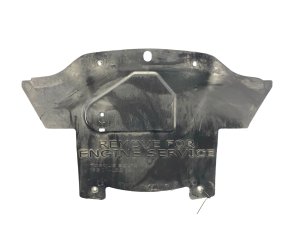
Your definitive guide to diagnosing, replacing, and sourcing a new or used undercar shield for the 2015-2023 Dodge Charger and Dodge Challenger.
- The most common failure is physical damage from impacts or broken fasteners, causing scraping and dragging noises.
- Replacement is a simple DIY job requiring basic hand tools and about an hour of time.
- A used OEM shield is often superior in quality and fit compared to a cheap new aftermarket part.
- Verify the part is correct for your vehicle; RWD, AWD, and Widebody models use different shields.
Symptoms of a Failing Undercar Shield
Because the undercar shield is a large, low-hanging plastic panel, the symptoms of failure are usually obvious and hard to ignore. The most common issues are caused by physical damage or missing fasteners.
- Scraping or Dragging Noises: This is the most common symptom. A scraping sound, especially when going over bumps, dips, or up driveways, indicates the shield is hanging low enough to make contact with the pavement. This is often due to broken or missing mounting bolts or clips.
- Flapping or Buzzing at Highway Speeds: If the shield is loose, airflow at higher speeds can cause it to vibrate or flap violently against the car's underbody. This can sound like a loud buzzing or a repetitive slapping noise.
- Visible Damage: A quick look under the front of your Dodge Charger or Dodge Challenger may reveal the problem. You might see the shield hanging down, a large crack or hole, or a section that has been completely torn away.
Known Issues for the Charger and Challenger
The 2015-2023 Dodge Charger and Challenger are susceptible to undercar shield damage primarily due to their design and how they are driven. There are no specific recalls or Technical Service Bulletins (TSBs) for this part, as failures are almost always caused by external factors.
- Impact Damage: The low ride height of these cars, especially on performance trims, makes the shield vulnerable to impacts from parking curbs, speed bumps, potholes, and road debris.
- Fastener Failure: The shield is held on by a combination of small bolts and plastic push-clips. Over time, these fasteners can corrode, work themselves loose, or break, causing the shield to sag. This is a very common point of failure, sometimes happening after an oil change if a technician fails to properly reinstall all the fasteners.
- Environmental Damage: Driving through deep snow or large puddles of water at speed can put immense force on the shield, potentially ripping it from its mounting points.
Pro Tip: If your shield is dragging, a temporary fix can be made with heavy-duty zip ties to secure it until you can get a proper replacement. Drill small holes on either side of a crack or near a broken mounting point and use zip ties to stitch it together or secure it to the subframe.
Buying a Used Undercar Shield: What to Inspect
A used OEM shield is often a better choice than a cheap, new aftermarket part. The original Mopar shields are made from a more rigid, higher-quality plastic that fits perfectly, whereas some aftermarket options can be flimsy and sag over time. When buying a recycled shield, here’s what to look for:
- Check for Cracks: Inspect the entire surface for cracks, paying close attention to the areas around the mounting holes. A small crack in the middle can be repaired, but cracks at mounting points mean the shield won't attach securely.
- Verify Mounting Holes: Ensure all mounting holes are intact and not torn out or enlarged. This is where the shield is most likely to fail.
- Look for Brittleness and Fluid Saturation: Check for signs of oil or other chemical contamination. Prolonged exposure to fluids can make the plastic brittle and prone to cracking. The plastic should have some flex and not feel dry or fragile.
- Confirm Part Number and Fitment: Not all shields are the same. All-Wheel Drive (AWD) and Widebody models use different shields than standard Rear-Wheel Drive (RWD) models. Verify you are buying the correct shield for your specific vehicle configuration. The primary OEM part number for RWD models is 68214815AA.
Replacement Guide (DIY)
Replacing the undercar shield on a 2015-2023 Charger or Challenger is a straightforward job that most DIYers can handle.
- Difficulty: 1 out of 5
- Time: 30-60 minutes
- Tools Needed: Jack and jack stands, socket set (7mm and 10mm sockets), trim removal tool for plastic clips.
Step-by-Step Process:
- Lift the Vehicle: Safely lift the front of the car using a jack and secure it on jack stands. Chock the rear wheels.
- Remove Fasteners: Using your socket set and trim tool, remove all the bolts and plastic push-clips holding the shield in place. There are typically several 7mm screws along the front edge attaching to the bumper, two 10mm bolts further back, and plastic clips in the wheel wells.
- Remove the Old Shield: Once all fasteners are removed, the shield will drop down and can be slid out from under the car.
- Install the New Shield: Slide the replacement shield into position. It can be helpful to loosely install a few of the center bolts first to hold it in place while you align the other holes.
- Secure Fasteners: Reinstall all bolts and clips. Do not overtighten the bolts, as they are threading into plastic or thin metal clips. Just snug them down firmly.
- Lower the Vehicle: Carefully lower the car off the jack stands.
Cost Comparison
The cost to replace an undercar shield can vary significantly based on the type of part you choose.
| Part Type | Estimated Cost |
|---|---|
| New OEM (Mopar) | $80 - $125 |
| New Aftermarket | $25 - $150 |
| Used OEM (Recycled) | $40 - $75 (estimated) |
| Shop Labor | $100 - $200 |
Frequently Asked Questions (FAQ)
Is the undercar shield really necessary?
Yes. While the car will run without it, the shield protects critical components from damage, helps with engine cooling airflow, and improves aerodynamics. Driving without it exposes your engine, belts, and wiring to water and road debris, which can lead to more expensive repairs down the line.
My shield is dragging. Can I just remove it?
You can remove it as a temporary measure to stop the dragging noise, but it should be replaced as soon as possible. A dragging shield can detach at speed and become a serious road hazard for other drivers.
Does the AWD Charger or Challenger use the same shield?
No, All-Wheel Drive (AWD) models require a different undercar shield than Rear-Wheel Drive (RWD) models to accommodate the front driveshaft and other components. Widebody models may also use a specific shield. It is crucial to purchase the correct part for your vehicle's exact configuration.
Why is a used OEM shield often better than a new cheap aftermarket one?
The original Mopar shields are made from a thicker, more rigid plastic that holds its shape and fits perfectly. Many cheaper aftermarket shields are made from thinner, more flexible material that can sag, warp from heat, and may not align perfectly with all mounting holes, leading to buzzing noises or a shorter lifespan.
Technical Specifications
OEM Part Numbers: 68214815AA (Common for RWD models)
Note: Different part numbers exist for All-Wheel Drive (AWD) and Widebody models. Always verify fitment with the vehicle's VIN.
We Have This Part in Stock

The information in this article is provided for general reference and educational purposes only. Vehicle specifications, procedures, and part compatibility can vary by production date, trim level, and region. Always consult your vehicle's factory service manual and verify part numbers before purchasing or performing repairs. Safety-critical components such as airbags, seat belts, and braking systems should be installed by a qualified professional.
- Dodge Charger:
- Dodge Challenger: