

2009-2013 Porsche 911 Steering Column Module: Failure Symptoms and Replacement Guide
This guide covers the common failures, programming requirements, and replacement costs for the steering column control module in 2009-2013 Porsche 911 (997.2) models.
- This part is a complex computer, not a simple flasher relay. It controls turn signals, wipers, the horn, and communicates with the stability control and anti-theft systems.
- Replacement is NOT plug-and-play. The module MUST be programmed to the car's VIN and options using a dealer-level tool like the Porsche PIWIS tester.
- After installation, the steering angle sensor must be calibrated to ensure the PSM and ABS systems work correctly.
- Failure can cause a wide array of symptoms, from non-working turn signals to a PSM failure light or even a no-start condition.
Symptoms of a Failing Steering Column Module
A failing steering column control module in a 997-generation Porsche 911 can cause a wide range of confusing electrical issues. Because the module controls so many different functions, symptoms can appear unrelated at first.
Common Failure Symptoms:
- Inoperative Controls: The most common sign is the failure of controls mounted on the steering column. This includes turn signals, windshield wipers, high beams, and the horn.
- Cruise Control Malfunction: The cruise control may stop working or behave erratically.
- PSM Failure Warning: A "PSM Failure" message may appear on the instrument cluster. This happens because the main vehicle computer loses communication with the steering angle sensor, which is integrated into the steering column assembly.
- Starting Issues: In some cases, a faulty module can prevent the car from starting. It may fail to recognize the key or operate the electronic steering wheel lock. An OBD-II code 0288 may be stored in the immobilizer memory, indicating a steering lock fault.
- Erratic Stalk Function: A single click of the turn signal or menu stalk might cause the system to register multiple inputs, making it difficult to navigate menus or signal properly.
- Airbag Warning Light: An airbag light can be triggered if communication with the steering column module is lost.
Known Issues, TSBs, and Recalls
As of mid-2026, there are no specific recalls from the National Highway Traffic Safety Administration (NHTSA) for the steering column control module itself on 2009-2013 Porsche 911 models. However, it's a part known to fail, often due to internal electronic issues. Some owners report issues after a battery replacement or jump-start, which can sometimes damage sensitive electronics. Water intrusion from clogged drains can also cause corrosion and electrical problems in related systems.
Important: While there isn't a recall for this specific module, a recall (NHTSA ID 21V-493) was issued for some other Porsche models where the steering column could physically detach. This is a separate issue from the electronic module failure discussed here.
Programming and Calibration Requirements
Yes, a replacement steering column control module must be programmed and coded to the vehicle. This is not a plug-and-play part. Failure to program a new module will result in multiple error messages and non-functional systems.
- Vehicle Handover: A procedure called a "vehicle handover" must be performed using a specialized diagnostic tool like the Porsche PIWIS tester. This allows the new module to be recognized by all other computers in the car.
- Coding: The module must be coded with the specific options your car has, such as a multifunction steering wheel, heated steering wheel, or cruise control.
- Steering Angle Sensor (SAS) Calibration: After installation, the integrated steering angle sensor must be calibrated. This is critical for the PSM (stability control) and ABS systems to function correctly. The calibration tells the system the precise center position of the steering wheel.
Who Can Program the Module?
Programming requires a dealer-level diagnostic tool. While a Porsche dealership is the most straightforward option, some high-end independent shops that specialize in Porsche may have the necessary equipment, such as a Porsche PIWIS tester or an advanced tool from a company like Abrites. A generic OBD-II scanner cannot perform these functions. Some advanced DIY scanners like the Foxwell NT530 may be able to perform some coding functions, but a full vehicle handover and calibration typically requires a more powerful tool.
Buying a Used Turn Signal Module
A used OEM steering column module can be a cost-effective alternative to a new part, but careful verification is essential.
- Verify the Part Number: The most critical step is to match the part number exactly. The primary OEM part number is 99761820100. However, other part numbers may exist depending on the vehicle's specific options (e.g., heated steering wheel, multifunction controls). Always confirm the number on your original module before purchasing a replacement.
- Inspect for Damage: Check for any signs of physical damage, especially to the connectors. Avoid parts that show signs of water damage or corrosion.
- Source and History: Whenever possible, buy from a reputable seller that can provide information about the donor vehicle. A module from a low-mileage, accident-free car is always preferable.
- Programming is Still Required: Remember that even a used module will need to be programmed to your car's VIN and options. It is not plug-and-play. The cost of programming should be factored into the total repair cost.
Pro Tip: Before replacing the entire module, ensure the issue isn't a simpler component. The turn signal and wiper stalks themselves can fail, as can the clock spring. A thorough diagnosis is key.
Cost Comparison
Prices can vary based on supplier and location. The following is an estimate of costs.
| Part Type | Estimated Cost |
|---|---|
| New OEM (Dealer) | $340 - $440 |
| New Aftermarket | Not commonly available |
| Used OEM | $150 - $300 |
| Shop Labor (Replacement & Programming) | $250 - $500 |
Frequently Asked Questions (FAQ)
Do I have to go to a Porsche dealer for replacement?
Not necessarily, but it is often the easiest path. An independent Porsche specialist with a PIWIS or equivalent advanced diagnostic tool can perform the necessary programming and calibration. A general repair shop without this specific equipment will not be able to complete the job.
Can I replace the module myself?
The physical replacement is feasible for an experienced DIY mechanic. It involves removing the steering wheel, airbag, and steering column covers. However, the final, mandatory programming and calibration steps require specialized tools that most DIYers do not own.
What is the difference between the steering column module and the clock spring?
The steering column module is the computer, while the clock spring (also called the steering wheel electronics control unit) is a rotary electrical connector that allows the steering wheel to turn while maintaining a connection for the airbag and wheel-mounted buttons. In many Porsche models, these components are integrated or work very closely together. The steering angle sensor is often part of the clock spring assembly.
Will a bad module cause a "Steering Lock Faulty" message?
Yes, this is a possible symptom. The steering column module communicates with the electronic steering lock (ELV). A failure in the module, the lock's motor, or the communication between them can trigger this warning and prevent the car from starting.
Technical Specifications
OEM Part Numbers: 99761820100
Integrates turn signal, wiper, cruise control, and horn functions. Contains the steering angle sensor and communicates with the vehicle immobilizer and PSM systems via CAN bus.
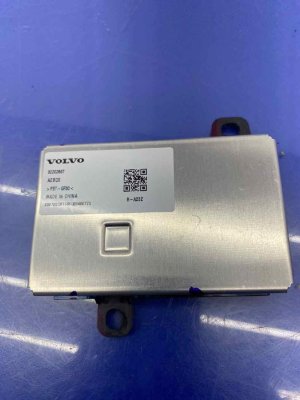
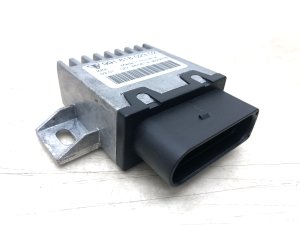
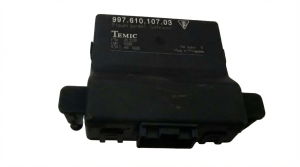
We Have This Part in Stock




The information in this article is provided for general reference and educational purposes only. Vehicle specifications, procedures, and part compatibility can vary by production date, trim level, and region. Always consult your vehicle's factory service manual and verify part numbers before purchasing or performing repairs. Safety-critical components such as airbags, seat belts, and braking systems should be installed by a qualified professional.
- Porsche 911: