

Ford 1.6L EcoBoost Turbo Issues in Escape, Fusion, Fiesta ST & Transit Connect
This guide covers the common failure points, symptoms, and replacement costs for the turbocharger in 2013-2019 Ford vehicles with the 1.6L EcoBoost engine.
- The 1.6L EcoBoost engine was subject to a major recall (17S09 / 17V-209) for overheating, which is a primary cause of turbo damage.
- When replacing the turbocharger, it is mandatory to also replace the oil feed line to prevent immediate failure of the new unit due to oil starvation.
- Common failure symptoms include a significant loss of power, a loud whining noise, and blue/gray smoke from the exhaust.
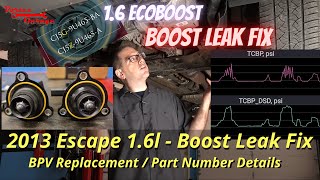
- A P0299 underboost code is a common indicator of a failing turbo, but boost leaks or faulty control solenoids should be checked first.
Symptoms of a Failing Turbocharger

A failing turbo on your Ford Escape, Fusion, Fiesta ST, or Transit Connect will usually provide several warning signs. Ignoring them can lead to more severe engine damage.
- Loss of Power: The most common symptom is a noticeable drop in acceleration. The vehicle may feel sluggish, especially when you expect the turbo to kick in.
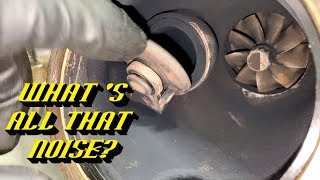
- Whining Noise: A loud, high-pitched whining or siren-like sound from the engine bay that increases with RPM is a classic sign of a failing turbo. This is often caused by the compressor wheel fins contacting the housing or worn bearings.
- Blue or Gray Exhaust Smoke: If the turbo's internal seals fail, engine oil can leak into the exhaust system and burn off, creating visible blue/gray smoke. This is most noticeable during acceleration after a period of idling.
- Check Engine Light (CEL): A failing turbo can trigger several diagnostic trouble codes (DTCs). The most common is P0299 (Turbocharger/Supercharger Underboost Condition), which indicates the turbo is not producing the expected amount of pressure. Other related codes include P0234 (Overboost Condition).
- Rattling Noise: A rattling sound, especially when letting off the throttle, can indicate a problem with the wastegate actuator arm becoming loose, a common issue that can cause a P0299 code. 🎬 Watch: Hear what a cold startup turbo rattle sounds like
Known Issues, Recalls, and Technical Service Bulletins (TSBs)

The 1.6L EcoBoost engine family has been subject to several important service actions that directly or indirectly affect the turbocharger's health and longevity. Engine overheating is the primary enemy of this turbo.
NHTSA Recall 17V-209 (Ford 17S09)
This is the most critical recall affecting these vehicles. It addresses a risk of engine overheating due to a lack of coolant circulation, which can cause the cylinder head to crack. A cracked cylinder head can lead to a pressurized oil leak, creating a significant risk of an under-hood fire, often near the turbocharger. The recall applies to:
- 2014 Ford Escape (built Feb 2013 - Sep 2014)
- 2014-2015 Ford Fiesta ST (built Jan 2013 - May 2014)
- 2013-2014 Ford Fusion (built Feb 2012 - Jun 2014)
- 2013-2015 Ford Transit Connect (built Jun 2013 - Dec 2014)
The remedy involves installing a coolant level sensor system that warns the driver of low coolant before catastrophic overheating occurs. Any overheating event can severely damage the turbocharger by coking (burning) the oil in the feed lines, leading to oil starvation and bearing failure.
Warning: Any vehicle that has experienced an overheating event, even if it was repaired, has a higher risk of premature turbocharger failure. The extreme heat can cook the oil inside the small oil supply lines, blocking flow to the new or existing turbo.
Buying a Used Turbocharger: What to Inspect

A used OEM turbocharger can be a cost-effective solution, but careful inspection is crucial to avoid buying a part that will fail prematurely. Here’s what to check:
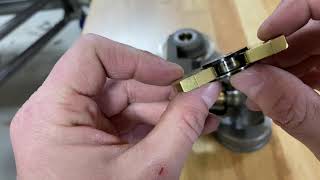
- Shaft Play: This is the most important check. 🎬 Watch: How to check for turbo shaft play Grab the nut on the compressor wheel (the intake side) and try to move it.
- Radial Play (Side-to-Side): A tiny amount of side-to-side play is normal, as the bearings float on a cushion of oil when the engine is running. However, if the wheel can be moved enough to touch or scrape the inside of the housing, the turbo is bad.
- Axial Play (In-and-Out): There should be almost zero in-and-out play. Any noticeable movement along the shaft's axis means the thrust bearing is worn, and the turbo should be rejected.
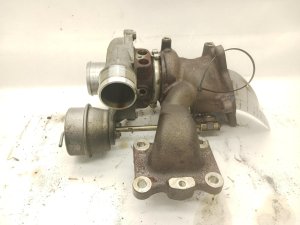
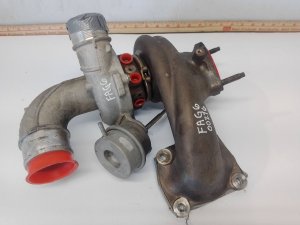
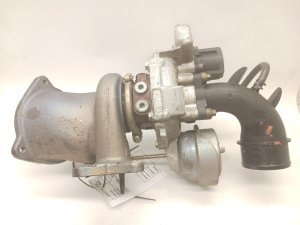
- Wheel Condition: Inspect both the compressor wheel (aluminum, intake side) and the turbine wheel (steel, exhaust side). Look for any bent, chipped, or damaged fins. Damage here indicates the turbo has ingested debris, which may have caused internal imbalances.
- Housing Inspection: Check the cast iron exhaust housing (the part the exhaust manifold bolts to) for any cracks. Cracks are common due to extreme heat cycles and will cause exhaust leaks and boost problems.
- Wastegate Actuator: Ensure the wastegate arm moves freely. If it is seized or excessively loose and rattling, it will not control boost pressure correctly.
- Signs of Oil Leaks: Look for heavy, burnt-on oil residue inside the exhaust housing or a thick film of oil in the compressor housing. This indicates failed seals.
Pro Tip: When replacing this turbocharger, it is absolutely essential to replace the oil feed line and banjo bolts. Old lines are often clogged with carbon deposits (coke) that will starve the new turbo of oil and cause it to fail almost immediately. Many shops will not warranty the repair without replacing these lines.
Cost of Replacement
The cost to replace the turbocharger on a 1.6L EcoBoost can vary significantly based on the parts used and local labor rates. Shop labor for this job is typically estimated between $870 and $1,277.
| Part Type | Estimated Cost | Notes |
|---|---|---|
| New OEM | $900 - $1,500 | Purchased from a Ford dealership. Often requires a core charge. |
| New Aftermarket | $350 - $700 | Wide range of quality. Brands like Dorman and various online sellers offer options. |
| Used OEM | $100 - $300 | Pulled from a recycled vehicle. Price depends on mileage and condition. |
| Remanufactured | $500 - $900 | Original unit rebuilt with new bearings and seals. Often includes a core charge. |
| Shop Labor | $870 - $1,300 | Labor costs can be high due to tight access and the need to drain coolant and oil. |
Frequently Asked Questions (FAQ)
What is the main cause of turbo failure on the 1.6L EcoBoost?
The most common causes are oil starvation or oil contamination. This is often a secondary failure resulting from another issue, such as a clogged oil feed line or an engine overheating event that degrades the oil.
Do I have to replace the oil lines with the turbo?
Yes. It is critical to replace the oil feed line (and often the drain line) when installing a new or used turbo. The old line can be clogged with carbon deposits that restrict oil flow, which will destroy the new turbo's bearings very quickly. Failure to do so will likely void any warranty on the part or labor.
Can I drive my car with a failing turbo?
It is not recommended. While the car may be drivable, you risk catastrophic failure where the turbine wheels can break apart and send metal fragments into your engine or exhaust system, causing much more expensive damage. A severe oil leak from the turbo can also lead to engine failure from oil starvation.
Is a cheap aftermarket turbo a good idea?
While tempting, cheap aftermarket turbos have a mixed reputation. An OEM turbocharger, even a used one, is built to specific standards for durability and performance. If choosing an aftermarket part, select a reputable brand. A quality used OEM part is often a more reliable choice than a new, unbranded aftermarket unit.
My car has a P0299 underboost code. Is it always the turbo?
Not always. While a failing turbo is a common cause, the P0299 code can also be triggered by a boost leak in the piping, a faulty boost control solenoid, or a bad bypass/blow-off valve. It's important to diagnose the entire system for leaks before 🎬 Watch: How to diagnose a Ford P0299 underboost code condemning the turbocharger itself.
Helpful Videos


Technical Specifications
OEM Part Numbers: CJ5G6K682DA CJ5G6K682DB CJ5G6K682DC CJ5Z6K682D CJ5Z6K682K CJ5Z6K682L
Engine Fitment: 1.6L EcoBoost (Turbocharged) only. Turbo Model: BorgWarner KP39.
We Have This Part in Stock



The information in this article is provided for general reference and educational purposes only. Vehicle specifications, procedures, and part compatibility can vary by production date, trim level, and region. Always consult your vehicle's factory service manual and verify part numbers before purchasing or performing repairs. Safety-critical components such as airbags, seat belts, and braking systems should be installed by a qualified professional.
- Ford Escape:
- Ford Fusion:
- Ford Fiesta:
- Ford Transit Connect: