

GM 1.4L Turbocharger Failures in Cruze, Sonic, Trax & Encore: A Buyer's Guide
This guide covers the common turbocharger issues, symptoms, and costs for 2011-2020 GM vehicles equipped with the 1.4L LUV engine.
- Many turbo failures are caused by a separate, faulty PCV system in the valve cover or intake manifold; this must be fixed to prevent repeat failure.
- The most common symptom of a bad turbo is a P0299 underboost code, accompanied by significant power loss and a whining noise.
- GM issued a special coverage extension (N232395330) for turbo failures on some 2017-2018 Trax, Sonic, and Encore models to 10 years/120,000 miles.
- When replacing the turbo, it is critical to also replace the oil feed/return lines and pre-lube the new unit with fresh oil before starting the engine.
Identifying Your Engine

Compatibility Warning: This guide and the associated turbocharger part numbers apply specifically to vehicles with the 1.4L LUV engine. You can typically identify this engine by checking the 8th digit of your Vehicle Identification Number (VIN). If the 8th digit is a 'B', you have the LUV engine. This turbocharger does NOT fit the later 1.4L LE2 engine, which has a different design.
Common Symptoms of Turbocharger Failure

A failing turbo on your Cruze, Sonic, Trax, or Encore will usually provide several warning signs. Ignoring them can lead to more significant engine damage. Here are the most common symptoms:
🎬 Watch: A visual guide to identifying bad turbo symptoms- Loss of Power: The most immediate symptom is a noticeable drop in acceleration and overall power. The car may feel sluggish, especially when trying to get on the highway. This is often caused by the turbo not producing the required amount of boost.
- Check Engine Light: A failing turbo will almost always trigger a Check Engine Light. The most common trouble code is P0299 (Turbocharger Underboost Condition). You may also see codes like P0234 (Overboost), P0171 (System Too Lean), or P1101.
- Whining or Siren-Like Noise: A high-pitched whining or siren sound from the engine bay that increases with engine RPM is a classic sign of a failing turbo. This is often caused by worn bearings, allowing the turbine wheels to contact the housing.
- Excessive Exhaust Smoke: If the turbo's internal seals fail, engine oil can leak into the exhaust system. This results in visible blue or grayish smoke coming from the tailpipe, especially during acceleration.
- Increased Oil Consumption: A direct result of leaking seals is a sudden increase in engine oil consumption. You may find yourself needing to add oil between regular changes.
- Audible Rattling: A rattling noise, especially when starting the car, can indicate a problem with the turbo's wastegate actuator arm.
Known Issues, TSBs, and Special Coverage

The turbocharger on the 1.4L LUV engine is known for several common issues, some of which are covered by General Motors under special programs.
The Critical PCV System Flaw
Many turbo failures on these engines are not caused by the turbo itself, but by a failure in the Positive Crankcase Ventilation (PCV) system. A diaphragm in the valve cover or a check valve in the intake manifold can fail. When this happens, the crankcase becomes over-pressurized, forcing oil past the turbocharger's seals, leading to oil consumption, smoke, and eventual turbo bearing failure. It is critical to inspect and repair the PCV system when replacing the turbo; otherwise, the new turbo will likely fail quickly.
- Special Coverage N192206210: GM issued a special coverage for some 2015-2016 Chevrolet Cruze and 2015 Chevrolet Sonic models for a cracked PCV diaphragm in the camshaft cover, which can cause a P0171 code and rough idle. This coverage lasts for 10 years or 120,000 miles.
Turbocharger Special Coverage (N232395330)
In February 2024, GM issued a special coverage program for turbocharger failure on certain 2017-2018 Buick Encore, Chevrolet Sonic, and Chevrolet Trax vehicles. This program covers turbo failure for 10 years or 120,000 miles from the original service date. If your vehicle falls within this range and experiences a failed turbo, a GM dealer should perform the repair. If you previously paid for this repair, you may be eligible for reimbursement.
Other Technical Service Bulletins (TSBs)
- PIP5495B: This bulletin addresses P0299 (Underboost) and P0234 (Overboost) codes. It provides diagnostic steps for technicians to check for a disconnected wastegate arm, seized linkage, or a non-rotating turbine wheel before replacing the turbo.
- Cold Weather Issues: Another TSB notes that in extremely cold temperatures (below 0°F/-18°C), ice can accumulate in the charge air cooler (CAC), causing hesitation, power loss, and setting a P0299 code. The fix involves allowing the vehicle to thaw and potentially installing updated components.
Pro Tip: Before condemning the turbo for a P0299 code, always perform a boost leak test. A leak in the charge pipes, intercooler, or intake manifold can cause underboost symptoms without the turbo being at fault.
Buying a Used Turbocharger: What to Inspect

A used OEM turbocharger can be a cost-effective solution, but careful inspection is key. Avoid cheap, new aftermarket units, as their quality and longevity can be highly questionable. A reliable used OEM Garrett unit is often a better choice.
- Check for Shaft Play: This is the most important check. Grasp the nut on the compressor wheel (the intake side) and try to move it.
- Radial Play (Side-to-Side): A very small amount of side-to-side play is normal. However, if the wheel can be moved enough to touch the sides of the housing, the bearings are worn out.
- Axial Play (In-and-Out): There should be almost zero in-and-out play. Any noticeable movement along the shaft's axis indicates a critical failure.
- Inspect the Wheels: Look at both the compressor (aluminum) and turbine (darker metal) wheels. The fins should be straight, evenly spaced, and free of chips, cracks, or signs of impact from foreign objects.
- Look for Oil Residue: Heavy, wet oil inside the intake or exhaust housing is a red flag for failed seals. A light coating can be normal, but pooling oil is not.
- Check the Wastegate Actuator: Ensure the wastegate arm is connected and moves freely. It should not be seized or disconnected.
- Examine Housings for Cracks: Carefully inspect the cast iron exhaust manifold/turbine housing for cracks, especially around the wastegate port.
Replacement Overview & Difficulty
Replacing the turbocharger on the 1.4L engine is an involved job but is feasible for an experienced DIY mechanic.
- Difficulty Rating: 4 out of 5
- Estimated Time: 4-6 hours
- Key Steps: The turbo is integrated with the exhaust manifold. Replacement requires draining the engine coolant, removing heat shields, disconnecting the catalytic converter, and accessing numerous oil and coolant lines. Access can be tight. 🎬 Watch: Step-by-step 1.4L turbo replacement walkthrough
- Crucial Post-Installation Steps:
- Replace Related Parts: It is highly recommended to replace the oil feed and return lines and all associated gaskets when installing a new or used turbo. Heat can cause the oil in the feed line to coke up, starving the new turbo of oil.
- Pre-Oil the Turbo: Before starting the engine, you must prime the new turbo by adding fresh engine oil directly into the oil feed port to ensure the bearings are lubricated on initial startup.
- Change Engine Oil & Filter: Always start with fresh oil and a new filter to prevent any contaminants from the old turbo from damaging the new one.
Cost of Replacement
The cost to replace the turbocharger can vary significantly between doing it yourself and having a shop perform the work.
| Part/Service | Estimated Cost |
|---|---|
| New OEM (GM Genuine) | $520 - $990 |
| New Aftermarket | $300 - $550 |
| Used OEM | $150 - $350 |
| Remanufactured | $400 - $600 |
| Shop Labor | $560 - $830 |
| Total Professional Job (New OEM) | $1,200 - $1,970+ |
Frequently Asked Questions
Can I drive my car with a failing turbo?
It is not recommended. While the car may be drivable, a failing turbo can send metal fragments into your engine or catalytic converter, causing catastrophic damage. Leaking oil can also be a fire hazard. It's best to have it repaired as soon as possible.
Why did my replacement turbo fail so quickly?
The most common reason for repeat turbo failure on these 1.4L engines is not addressing the root cause, which is often a faulty PCV system. If the failed PCV valve cover or intake manifold check valve isn't replaced, it will destroy the new turbo's seals in a short amount of time. Another cause is failing to replace and prime the oil feed line.
Do I just have to replace the turbo for a P0299 code?
Not necessarily. A P0299 code means the engine is not making the expected amount of boost. While a bad turbo is a common cause, the code can also be triggered by a boost leak anywhere between the turbo and the engine, a faulty PCV system, or a clogged catalytic converter. Proper diagnosis is essential before replacing parts.
Is the turbocharger the same for the Chevy Cruze, Sonic, Trax, and Buick Encore?
Yes, for the model years listed with the 1.4L LUV engine (VIN 'B'), they all use the same turbocharger assembly, which includes the integrated exhaust manifold. Always verify part numbers, but they are generally interchangeable across these platforms.
Helpful Videos
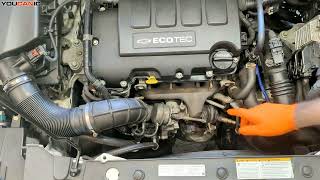


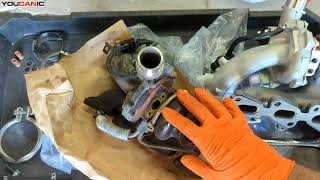
Technical Specifications
OEM Part Numbers: 25201063 55565353 25198550 25199832 781504-0001 781504-0002
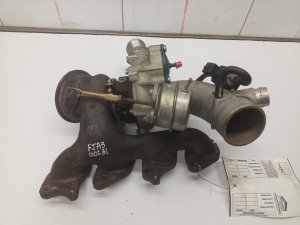
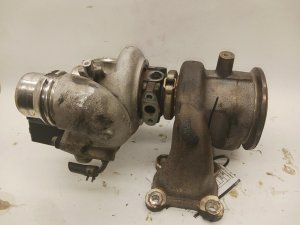
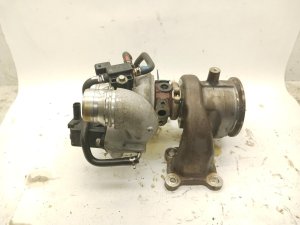
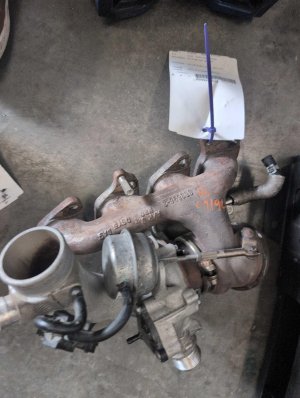
Engine Fitment: 1.4L LUV (VIN 8th Digit 'B'). The turbocharger is integrated with the exhaust manifold assembly.
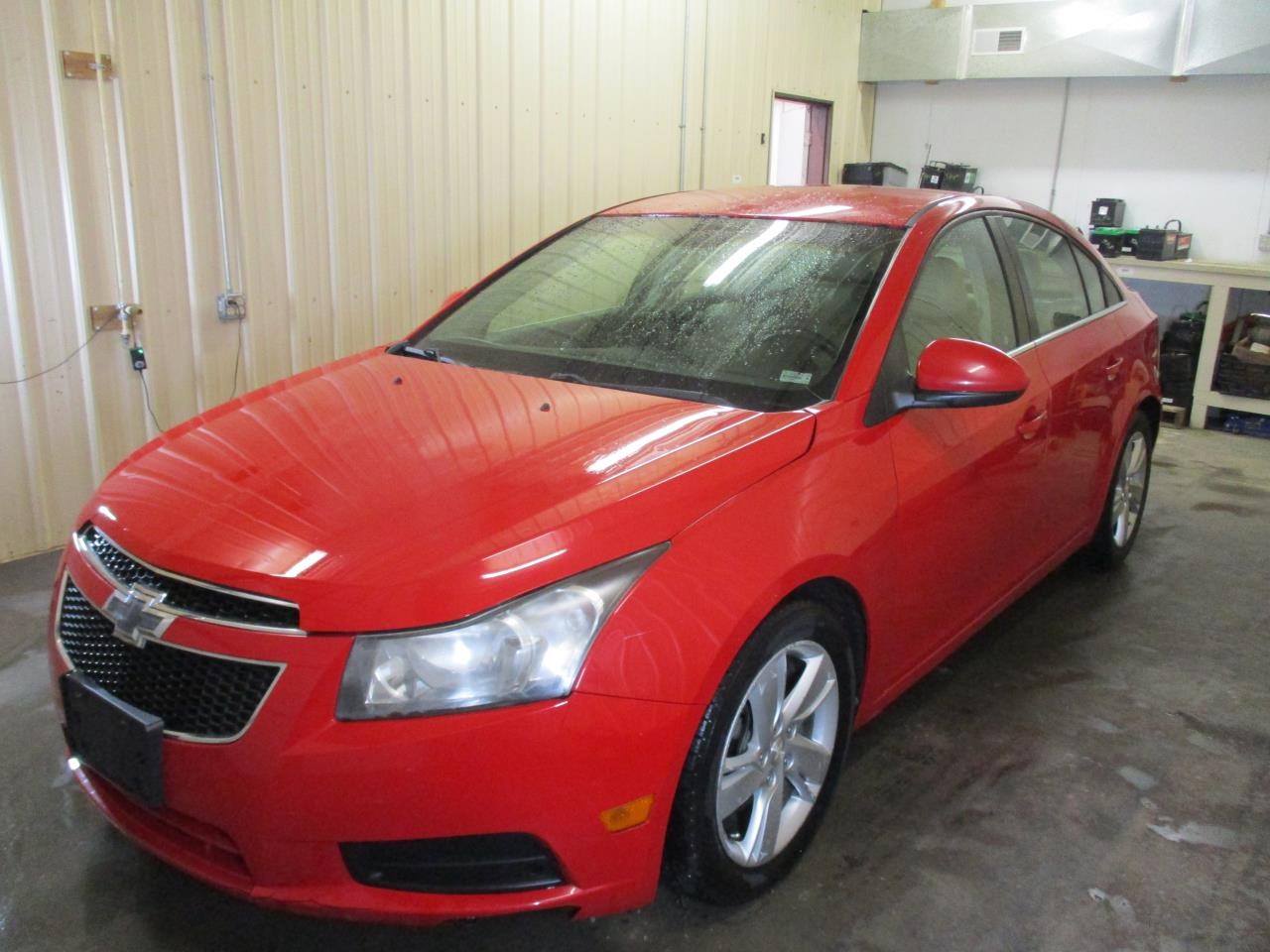
We Have This Part in Stock

The information in this article is provided for general reference and educational purposes only. Vehicle specifications, procedures, and part compatibility can vary by production date, trim level, and region. Always consult your vehicle's factory service manual and verify part numbers before purchasing or performing repairs. Safety-critical components such as airbags, seat belts, and braking systems should be installed by a qualified professional.
- Chevrolet Trax:
- Buick Encore:
- Chevrolet Cruze:
- Chevrolet Cruze Limited:
- Chevrolet Sonic:
- 🎬 Helpful Videos
- 🛍️ Shop This Part
- Identifying Your Engine
- Common Symptoms of Turbocharger Failure
- Known Issues, TSBs, and Special Coverage
- The Critical PCV System Flaw
- Turbocharger Special Coverage (N232395330)
- Other Technical Service Bulletins (TSBs)
- Buying a Used Turbocharger: What to Inspect
- Replacement Overview & Difficulty
- Cost of Replacement
- Frequently Asked Questions
- 🎟️ Get 5% Off