

2020-2025 Encore GX, Trailblazer, Envista & Trax Turbo Failure: A Guide to the 1.2L vs. 1.3L Engines
A critical guide to identifying the correct turbocharger for your GM 1.2L or 1.3L engine, diagnosing failure, and avoiding costly compatibility mistakes.
- The 1.2L and 1.3L engines use different, non-interchangeable turbochargers. You must verify your engine size before buying.
- The 1.2L engine used in 2024+ models is the subject of a class-action lawsuit for potential catastrophic internal failures.
- When buying a used turbo, the most critical inspection is checking for in-and-out (axial) shaft play. Any movement is unacceptable.
- Always replace the turbo oil feed and return lines with a new turbo to prevent oil starvation and immediate failure of the replacement part.
Critical: 1.2L and 1.3L Turbochargers Are NOT Interchangeable

Warning: The single most important factor when replacing the turbocharger on a 2020-2025 Buick Encore GX, 2021-2025 Chevrolet Trailblazer, 2024-2025 Buick Envista, or 2024-2025 Chevrolet Trax is identifying the correct engine. These vehicles were equipped with two different three-cylinder engines, a 1.2L and a 1.3L. The turbochargers for these two engines are different and cannot be swapped. Installing the wrong turbo will result in improper fitment, poor performance, and potential engine damage.
Before purchasing a replacement, you must verify which engine your vehicle has. The 2024-2025 Chevrolet Trax and Buick Envista were exclusively equipped with the 1.2L engine. The Encore GX and Trailblazer offered both, depending on the trim level and drivetrain.
| Vehicle | Engine Option | Typical Drivetrain |
|---|---|---|
| Buick Encore GX | 1.2L Turbo | FWD (Front-Wheel Drive) |
| Buick Encore GX | 1.3L Turbo | AWD (All-Wheel Drive) / Optional on FWD |
| Chevrolet Trailblazer | 1.2L Turbo | FWD (Front-Wheel Drive) |
| Chevrolet Trailblazer | 1.3L Turbo | AWD (All-Wheel Drive) / Optional on FWD |
| Buick Envista | 1.2L Turbo | FWD Only |
| Chevrolet Trax | 1.2L Turbo | FWD Only |
Symptoms of a Failing Turbocharger

A failing turbo will usually provide several distinct warning signs. Ignoring them can lead to more severe engine damage.
- Loss of Power: The most common symptom is a noticeable drop in acceleration. The vehicle may feel sluggish, especially when trying to merge or climb hills.
- "Reduced Engine Power" Message: Many owners report that a failing turbo triggers a "Reduced Engine Power" warning on the dashboard, which limits throttle response to prevent further damage.
- Whining or Siren-Like Noise: A high-pitched whining or whistling sound from the engine bay that increases with engine RPM is a classic sign of a failing turbo. This is often caused by worn bearings or damaged compressor/turbine wheels.
- Excessive Exhaust Smoke: If the turbo's internal seals fail, oil can leak into the exhaust system. This burns off as distinct blue or grayish smoke, especially during acceleration.
- Check Engine Light: The vehicle's computer monitors turbocharger performance. If it detects underboost (not enough pressure) or overboost conditions, it will trigger the check engine light.
- Increased Oil Consumption: A turbo that is leaking oil internally will cause the engine to consume oil at a faster rate than normal, requiring you to top it off more frequently.
Known Issues and Problems

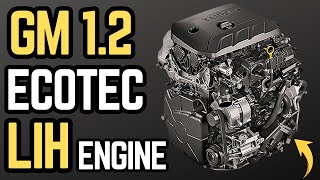
Warning: 1.2L Engine Lawsuit: As of early 2026, a class-action lawsuit has been filed against General Motors concerning alleged defects in the 1.2L turbocharged three-cylinder engine used in the 2024 and newer Trax, Encore GX, Envista, and Trailblazer. The lawsuit claims these engines are prone to premature and catastrophic failure, including broken connecting rods, which can pierce the engine block, cause a sudden loss of power, and create a fire risk. Symptoms reported by owners leading up to failure include loud knocking or banging sounds from the engine.
🎬 Learn more about the 1.2L Ecotec engine's known reliability issues.While this lawsuit focuses on the entire engine, a major engine failure will almost certainly contaminate the turbocharger with metal debris, requiring its replacement along with the engine.
Buying a Used Turbocharger: What to Inspect

A quality used OEM turbocharger can be a reliable and cost-effective replacement. However, a thorough inspection is crucial before buying. Never purchase a used turbo without inspecting it in person or getting clear, high-resolution photos of these specific areas.
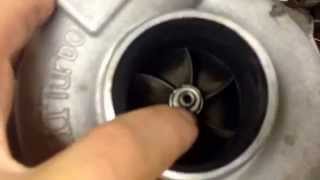
- Check for Shaft Play: This is the most important test. Grab the nut on the end of the compressor wheel (the intake side) and try to move the shaft.
- Side-to-Side (Radial) Play: A very small amount of side-to-side wiggle is normal. However, if the wheel can be moved enough to touch or scrape the inside of the housing, the bearings are worn out.
- In-and-Out (Axial) Play: There should be almost zero in-and-out movement. Any noticeable axial play indicates a failed thrust bearing, and the turbo should be rejected immediately. 🎬 See a hands-on demonstration of how to inspect a used turbo.
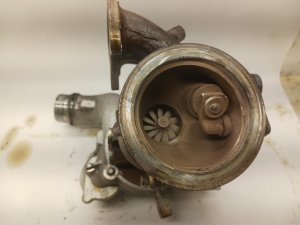
- Inspect the Compressor and Turbine Wheels: Use a flashlight to look at the blades on both the shiny aluminum compressor wheel (intake) and the dark cast iron turbine wheel (exhaust). Look for any signs of chipped, bent, or broken blades. Damage here indicates the turbo has ingested foreign debris or that a bearing failure caused the wheels to hit the housing.
- Check the Housings for Damage: Inspect the inside of both the compressor and turbine housings. Look for any scrape marks or scoring on the inner walls. Run your finger along the inside; if you feel a groove, it means the wheels have been making contact. Also, check the cast iron turbine (exhaust) housing for cracks, especially around the wastegate port where heat is most intense.
- Look for Oil Residue: A light coating of oil vapor in the compressor housing can be normal. However, pooled or dripping oil from either the intake or exhaust side is a sign of failed internal seals.
- Shake the Unit: The entire assembly should feel solid. If you shake the turbocharger and hear rattling, it's a sign of internal damage.
Pro Tip: Always replace the turbocharger oil feed and return lines when installing a replacement turbo. The old lines can be clogged with carbon deposits or contaminated with debris from the previous failure. Starving the new turbo of oil for even a few seconds can cause immediate and irreversible damage.
Replacement Cost and Difficulty
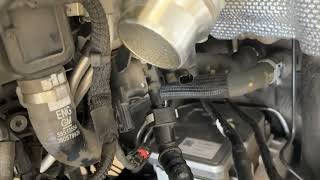
Replacing the turbocharger on these vehicles is a moderately difficult job due to the tight packaging in the engine bay. It requires removing multiple heat shields, fluid lines, and intake/exhaust plumbing.
- Installation Difficulty: 4 out of 5 (Difficult)
- DIY Feasible: Not recommended for beginners. This job is best left to experienced DIYers or a professional technician.
- Estimated Time: 5-7 hours
| Part/Service | Estimated Cost |
|---|---|
| New OEM Turbocharger | $450 - $650 |
| New Aftermarket Turbocharger | $350 - $600 |
| Used OEM Turbocharger | $225 - $450 |
| Shop Labor Cost | $750 - $1,200 |
| Total Professional Replacement | $1,300 - $1,800+ |
OEM Part Numbers
Part numbers can be superseded over time. Always verify fitment with the seller using your vehicle's VIN. The following are known OEM part numbers for these turbochargers.
| Engine | Known GM Part Numbers |
|---|---|
| 1.2L Turbo | 55513088, 55514781, 55515879, 55515934, 25204082 |
| 1.3L Turbo | 12700584, 12704391, 12706368, 12709430, 25204527, 25205781, 25207819 |
Frequently Asked Questions (FAQ)
How can I tell if I have the 1.2L or 1.3L engine?
The easiest way is to check the emissions label under the hood, which will state the engine displacement. You can also use a VIN decoder online or ask a dealership parts department to check for you. Generally, if your Encore GX or Trailblazer is All-Wheel Drive (AWD), it has the 1.3L engine.
What causes the turbocharger to fail?
The most common cause of turbo failure is oil starvation or oil contamination. This can be due to not changing the engine oil on time, using the wrong type of oil, low oil levels, or clogged oil lines. Other causes include overheating and ingestion of foreign objects (like a piece of a broken air filter).
Can I install a bigger, more powerful turbo?
Upgrading the turbocharger is not a simple bolt-on process. It would require custom fabrication for plumbing, a larger fuel pump, bigger fuel injectors, and a custom engine computer tune to work correctly. For these economy-focused vehicles, it is not a common or cost-effective modification.
Do I need to get the computer reprogrammed after replacing the turbo?
If you are replacing the failed turbo with a direct-replacement OEM unit (new or used), no special programming is required. The engine's computer will adapt to the new part. However, all existing diagnostic trouble codes should be cleared after the repair is complete.
Helpful Videos

Technical Specifications
OEM Part Numbers: 1.2L Engine: 55513088, 55514781, 55515879, 55515934, 25204082 1.3L Engine: 12700584, 12704391, 12706368, 12709430, 25204527, 25205781, 25207819
Engine Compatibility: 1.2L LIH I3 or 1.3L L3T I3. Induction Type: Exhaust-driven turbocharger with electronically controlled wastegate.
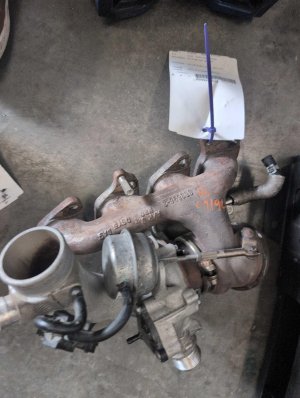
We Have This Part in Stock
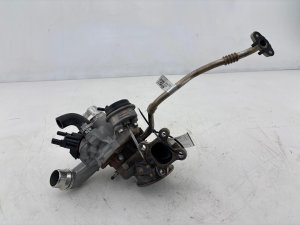
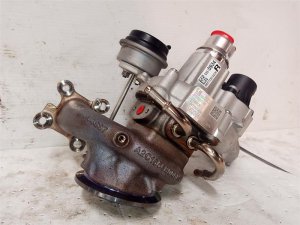
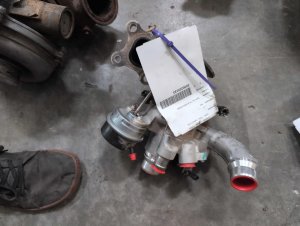
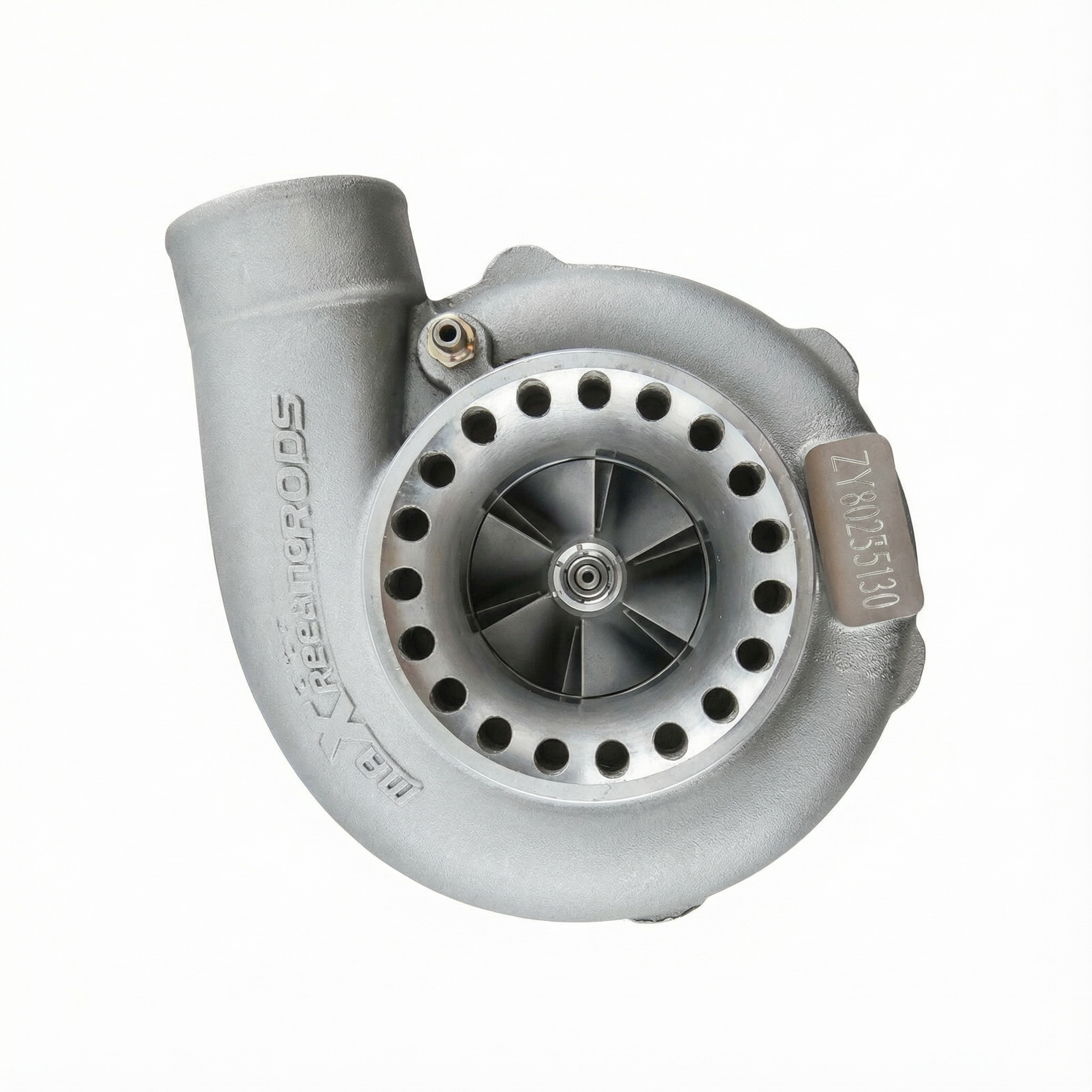

The information in this article is provided for general reference and educational purposes only. Vehicle specifications, procedures, and part compatibility can vary by production date, trim level, and region. Always consult your vehicle's factory service manual and verify part numbers before purchasing or performing repairs. Safety-critical components such as airbags, seat belts, and braking systems should be installed by a qualified professional.
- Buick Encore GX:
- Chevrolet Trailblazer:
- Buick Envista:
- Chevrolet Trax: