

2016-2020 Bentley Bentayga Trunk Scuff Plate: Damage, Options, and Replacement Guide
A detailed guide to inspecting, replacing, and understanding the different types of trunk scuff plates on the first-generation Bentley Bentayga.
- Failure of this part is almost always cosmetic damage from use; it does not affect vehicle operation.
- When buying a used scuff plate, the most critical inspection point is the underside to check for broken mounting clips, which are not sold separately.
- Replacement is a simple DIY job, but requires plastic trim tools and care to avoid damaging expensive surrounding parts.
- New OEM scuff plates are very expensive, making a quality used OEM part an excellent value for restoring the vehicle's appearance.
Symptoms of a Failing Trunk Trim Scuff Plate
Failure of this part is almost always related to physical damage or, in the case of illuminated versions, electrical issues. Because it is located in a high-traffic area for cargo, wear and tear is common.
Cosmetic Damage
The most common symptom is visible damage from use. This can range from minor surface scratches to more severe issues.
- Scratches and Scuffs: Light scratches in the metal or plastic finish from items being dragged across the surface.
- Deep Gouges or Dents: Caused by heavy or sharp objects hitting the plate during loading. These can be deep enough to catch a fingernail on.
- Cracks: Heavy impacts can cause the plastic base of the scuff plate to crack, especially near the edges or mounting points.
- Peeling or Discoloration: On versions with special finishes, the protective clear coat or finish may begin to peel or fade over time due to UV exposure or harsh cleaning chemicals.
Electrical Failure (Illuminated Plates)
Bentaygas equipped with the optional illuminated scuff plate can experience electrical failures.
- Flickering Light: The illumination may flicker when the trunk is opened or when the wiring is disturbed, indicating a loose connection.
- Dim or Partial Illumination: Some of the LEDs within the plate may fail, causing parts of the "Bentley" script to be unlit.
- Completely Dead: The plate may fail to light up at all, which could be due to a failed internal circuit, a damaged wire, or a bad connection at the plug.
Known Issues, TSBs, and Recalls
As of mid-2024, there are no specific recalls or Technical Service Bulletins (TSBs) issued by Bentley or the National Highway Traffic Safety Administration (NHTSA) for the trunk trim scuff plate on the 2016-2020 Bentayga. Any issues with this part are typically considered cosmetic wear and tear.
Buying a Used Trunk Trim Scuff Plate: What to Check
Due to the high cost of new OEM Bentley parts, a used scuff plate is an excellent value. However, a thorough inspection is critical to ensure you receive a quality part. Used parts often have minor scuffs, which may be acceptable given the significant cost savings.
Pro Tip: The most important area to inspect is not the top surface, but the underside. The condition of the mounting clips determines whether the part will install securely.
- Inspect All Mounting Clips: Flip the scuff plate over. Carefully check every single plastic clip and tab. These are essential for a tight, rattle-free fit. If multiple clips are broken, the plate may not sit flush or could pop up over time.
- Check for Hidden Cracks: Look for hairline cracks in the plastic structure, especially around the corners and clip locations. What looks like a small flaw on top could be part of a larger crack underneath.
- Evaluate Surface Damage: Assess the scratches on the top surface. Are they light surface scuffs that can be polished or buffed out, or are they deep gouges that have gone through the finish?
- Verify Wiring (Illuminated Version): If buying an illuminated plate, inspect the wiring harness and connector plug. Look for any cut wires, damaged insulation, or corrosion on the electrical pins.
- Confirm the Part Number: Whenever possible, match the OEM part number to your original part. A common part number for the rear trunk sill plate is 36A864483.
| Part Type | Estimated Cost |
|---|---|
| New OEM | $600 - $1,500+ (Varies by standard vs. illuminated or carbon fiber options) |
| New Aftermarket | Generally not available as a direct replacement. Stick-on bumper protectors are available for $50-$150. |
| Used OEM | $100 - $250 (Depending on condition) |
| Shop Labor | $75 - $125 |
Replacement Guide
Replacing the trunk scuff plate is a straightforward task, but it requires patience and the right tools to avoid damaging the expensive trim or the vehicle's paint.
- Installation Difficulty: 2 out of 5
- Estimated Time: 0.5 Hours
- Tools Required: Plastic trim removal tool set, painter's tape.
Warning: Never use a metal screwdriver or pry bar to remove the scuff plate. You will almost certainly scratch the surrounding paint or damage the plastic trim piece.
- Protect Surrounding Surfaces: Apply painter's tape to the painted bumper edge and any adjacent plastic trim to prevent accidental scratches.
- Pry Up the Old Plate: Start at one corner. Work a plastic trim removal tool under the edge of the scuff plate and gently pry upwards. You will hear the metal spring clips release. Work your way along the length of the plate, releasing one clip at a time.
- Disconnect Wiring (If Applicable): If you have an illuminated plate, do not pull it completely away. Lift it just enough to access the electrical connector, then carefully press the release tab and unplug it.
- Clean the Surface: With the old plate removed, thoroughly clean the underlying bodywork to ensure the new plate sits perfectly flat.
- Install the New Plate: If you have an illuminated version, connect the electrical plug first and confirm it lights up. Align the new scuff plate, ensuring all the clips line up with their corresponding holes in the body. Starting from the center and working your way out, apply firm, even pressure with the palm of your hand to snap each clip into place. You should hear a distinct click as each one engages.
Frequently Asked Questions (FAQ)
Can I upgrade from a standard scuff plate to an illuminated one?
Yes, this is likely possible, but it is not a simple plug-and-play swap. The vehicle may not have the necessary wiring harness present. A technician would need to run a power and ground wire to the new plate, potentially tapping into the trunk lighting circuit. The illuminated OEM part is also significantly more expensive.
What is the difference between a trunk scuff plate and a bumper protector?
The trunk scuff plate is the factory-installed trim piece that sits on the loading lip inside the trunk area. A bumper protector is typically a flexible, aftermarket accessory made of rubber or vinyl that unfolds from the trunk floor to drape over the painted bumper, offering temporary protection during loading and unloading.
Can I repair a scratched scuff plate?
It depends on the severity. Very light surface scratches on a metal plate can sometimes be improved with a quality metal polish. However, deep gouges that have penetrated the finish cannot be easily repaired. For plastic plates, scratches are generally permanent. Replacement is the only way to restore a perfect finish.
Are the mounting clips sold separately?
Typically, no. The mounting clips are considered an integral part of the scuff plate assembly. If the clips on a used part are broken, you cannot usually buy new clips to fix it. This is why inspecting the underside of a used plate is so important before purchase.
Technical Specifications
OEM Part Numbers: 36A864483 36A864483D
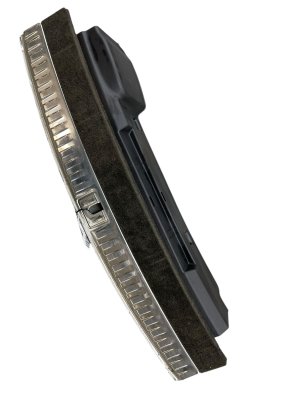
Material: Typically a combination of high-impact plastic and a metal (aluminum or stainless steel) or carbon fiber surface. Held in place by a series of metal spring clips.
We Have This Part in Stock

The information in this article is provided for general reference and educational purposes only. Vehicle specifications, procedures, and part compatibility can vary by production date, trim level, and region. Always consult your vehicle's factory service manual and verify part numbers before purchasing or performing repairs. Safety-critical components such as airbags, seat belts, and braking systems should be installed by a qualified professional.
- Bentley Bentayga: