

2003-2009 Range Rover L322 Upper Tailgate: A Guide to Rust, Latches, and Compatibility
This definitive guide covers the most common failure points for the L322 upper tailgate, including pervasive rust, electrical faults, and critical compatibility differences between model years.
- Rust is the number one killer of these tailgates. Inspect the bottom lip and handle area meticulously before buying a used one.
- The 2003-2005 (BMW electronics) and 2006-2009 (Jaguar electronics) tailgates are NOT interchangeable due to different wiring and components.
- Electrical failures are common and usually caused by broken wires in the flexible harness between the tailgate and the body.
- When buying used, prioritize a rust-free panel over color or included accessories. A clean shell is the most valuable part.
Key Differences: 2003-2005 vs. 2006-2009 Models
Warning: The most critical factor when purchasing a replacement upper tailgate is the model year of your Range Rover. The L322 generation underwent a significant facelift for the 2006 model year.
- 2003-2005 Models: These vehicles use BMW-derived electronics and wiring systems. They do not have a factory rearview camera integrated into the tailgate.
- 2006-2009 Models: These vehicles use Jaguar/Ford-era electronics, including a MOST fiber optic network for the infotainment system. A rearview camera mounted near the release handle was a common option.
While the physical shells are very similar, the wiring harnesses, connectors, and integrated components like the camera are different. Swapping a tailgate from a 2006+ model onto a 2003-2005 vehicle (or vice-versa) is not a direct plug-and-play process and would require extensive and complex electrical modification. Always confirm the part is from the correct year range before purchasing.
Common Failure Points and Symptoms
The upper tailgate on the L322 Range Rover is notorious for several common issues, ranging from cosmetic to functionally critical.
1. Severe Rust Corrosion
By far the most common and destructive problem is rust. The upper tailgate is made of steel, unlike the aluminum hood and front fenders, making it highly susceptible to corrosion, especially on vehicles used in winter climates with road salt. The rust typically starts from the inside and bubbles out through the paint.
Common Rust Locations:
- Lower Lip: The bottom edge of the tailgate, where it meets the lower tailgate's weather seal, is the most frequent rust area. Water and debris get trapped in this channel, and clogged drain holes prevent it from escaping.
- Release Handle/Number Plate Area: Moisture can collect behind the plastic trim piece that houses the release handle and license plate lights, causing rust to form around these components.
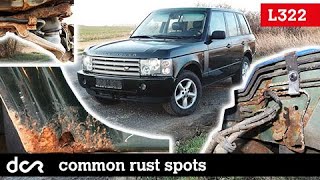
- Window Seal: The seal around the rear glass can degrade, allowing water to seep into the tailgate's internal structure and cause rust from within. 🎬 Watch a video highlighting common L322 exterior rust spots
2. Electrical Failures (Latch, Wiper, Camera)
A variety of electrical problems can plague the upper tailgate, often stemming from one of two root causes.
- Symptoms: Upper tailgate will not open with the release button, rear wiper is inoperative, rear defroster doesn't work, or the rearview camera (if equipped) fails or shows a flickering image.
- Cause 1: Damaged Wiring Harness. The wires that run from the vehicle's body into the tailgate are housed in a flexible rubber boot. Over years of opening and closing the hatch, these wires can fatigue and break. This is a very common cause for a complete loss of function in all tailgate electronics.
- Cause 2: Failed Latch Actuator/Switch. The electronic actuator that unlatches the tailgate can fail, as can the rubberized release button itself. Sometimes the mechanism just gets clogged with dirt and grime and needs a thorough cleaning.
3. Failed Gas Struts
The gas-charged struts that hold the upper tailgate open lose their pressure over time. This is a normal wear-and-tear item.
- Symptom: The upper tailgate will not stay open on its own, or it closes with very little force. This can be a safety hazard.
- Solution: Replacing the gas struts is an easy and inexpensive DIY job that typically takes less than 30 minutes with basic tools.
Pro Tip: If your lower tailgate doesn't seem to latch securely on both sides, it can prevent the upper tailgate from sealing correctly. This is often caused by dirt and grime in the lower latch mechanisms located at each end of the lower tailgate. Cleaning and lubricating these mechanisms can often solve the problem.
Buying a Used Trunk Lid or Tailgate
Due to the high cost of a new OEM tailgate, a used, recycled part is the most common and cost-effective solution. However, careful inspection is essential to avoid buying a part with the same problems you're trying to fix.
Inspection Checklist:
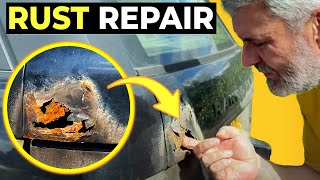
- RUST IS THE ENEMY: This is the most important check. Demand clear, well-lit photos of the bottom lip of the tailgate, both inside and out. Ask the seller to pull back the rubber seal if possible. Any sign of bubbling paint, flaking, or visible corrosion is a major red flag. A little surface rust can be repaired, but deep corrosion means the panel is failing from the inside out. 🎬 See how to repair tailgate rust on an L322 Range Rover
- Confirm the Correct Year Range: Double-check if the donor vehicle is a 2003-2005 or a 2006-2009 model. An incorrect year will lead to incompatible wiring.
- Check for Camera: If your Range Rover is a 2006-2009 model, verify if the used tailgate has a rearview camera if your vehicle requires one (or doesn't, if your vehicle is not equipped with one).
- Inspect for Dents and Damage: Check for any dents, deep scratches, or signs of body filler (wavy texture, mismatched paint). Repairing a dented tailgate adds cost and complexity.
- Ask About Included Components: A complete assembly with glass, wiper motor, latch, and intact wiring harness is ideal. A bare shell is less valuable and requires you to transfer all your existing components, which is labor-intensive. Be aware that many used tailgates from UK sellers may have the wiring loom cut.
Why Used OEM is a Good Choice
For a large body panel like a tailgate, a used Original Equipment Manufacturer (OEM) part is almost always superior to a new aftermarket one. OEM parts are guaranteed to fit correctly, with proper body lines and gaps. Aftermarket body panels often suffer from poor fitment, requiring extra labor to align, and may use lower-grade steel and corrosion protection, making them prone to premature rusting.
Cost of Replacement
The cost to replace a Range Rover L322 upper tailgate can vary significantly based on the source of the part and labor rates.
| Part/Service | Estimated Cost | Notes |
|---|---|---|
| New OEM Shell | $1,100 - $2,000+ | Often sold unpainted and as a bare shell. May be difficult to source for older models. |
| New Aftermarket | Not Widely Available | Aftermarket options for this specific panel are rare. Most available parts are OEM or used. |
| Used OEM | $300 - $800 | Price is highly dependent on condition (especially rust), color, and whether it's a complete assembly. |
| Shop Labor (Replacement) | $250 - $500 | Includes swapping the panel. Transferring glass, wiring, and all components from the old tailgate will be at the higher end or cost extra. Labor rates typically range from $100-$200/hour. |
| Shop Labor (Painting) | $400 - $700 | Cost to paint a new or used panel to match your vehicle's color. |
Replacement Overview
- Difficulty: 3 out of 5. The job is mechanically straightforward but the part is heavy and awkward. Alignment can be tricky.
- DIY Feasible: Yes, for an experienced DIYer. Having a second person is highly recommended for lifting the tailgate off and on.
- Estimated Time: 2-4 hours.
The basic steps involve supporting the open tailgate, removing the interior trim panels, disconnecting the wiring harness and washer fluid tube, removing the upper spoiler, disconnecting the gas struts, and finally unbolting the two hinges at the roof. Installation is the reverse, paying close attention to aligning the panel for even gaps before fully tightening the hinge bolts.
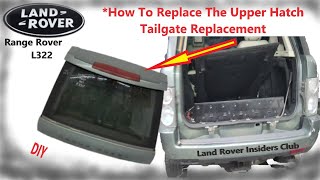
🎬 Watch this step-by-step tutorial on replacing the rear upper hatchRecalls and Technical Service Bulletins (TSBs)
As of this writing, there are no specific NHTSA recalls or widespread TSBs for rust, latch failure, or wiring issues on the 2003-2009 Range Rover L322 upper tailgate in the North American market. Most issues are considered wear-and-tear or maintenance-related. There were unrelated recalls for door latches and Takata airbags on this generation of Range Rover.
Frequently Asked Questions (FAQ)
Can I use a 2007 tailgate on my 2004 Range Rover?
No, this is not a direct swap. The 2003-2005 and 2006-2009 models use different wiring harnesses and electronic systems. While it might be physically possible to mount it, none of the electronics (latch, wiper, defroster, camera) will be plug-and-play.
How can I open the upper tailgate if the electronic release has failed?
There is typically an emergency manual release. You will need to access the inside of the tailgate by climbing into the cargo area. Remove the central plastic trim piece on the interior of the upper tailgate to access the latch mechanism. You should find a small lever or slot on the latch that can be moved with a screwdriver to manually release the lock.
Is it better to repair my rusty tailgate or replace it?
If the rust is limited to small surface spots, it can be professionally repaired by grinding to bare metal, treating, filling, and repainting. However, because these tailgates often rust from the inside out, by the time you see bubbles, the metal underneath is often severely compromised. In most cases, replacing the panel with a clean, rust-free used tailgate is a more durable and often more cost-effective long-term solution.
How can I prevent my replacement tailgate from rusting?
Prevention is key. Before installing the replacement tailgate, take the time to apply a rust-inhibiting cavity wax or oil-based spray to the inside of the panel, especially along the bottom seam. Ensure the drain holes at the bottom are clear and remain clear. Regularly washing the area where the upper and lower tailgates meet, especially during winter, will help prevent salt and debris from accumulating.
Helpful Videos
Technical Specifications
OEM Part Numbers: BHA760010 CQB000092 CQB500062 CQG500011 DFD000055LML DFD500140LML
Material: Steel. Design: Upper half of a two-piece, horizontally-split tailgate assembly.

The information in this article is provided for general reference and educational purposes only. Vehicle specifications, procedures, and part compatibility can vary by production date, trim level, and region. Always consult your vehicle's factory service manual and verify part numbers before purchasing or performing repairs. Safety-critical components such as airbags, seat belts, and braking systems should be installed by a qualified professional.
- Land Rover Range Rover:
- 🎬 Helpful Videos
- Key Differences: 2003-2005 vs. 2006-2009 Models
- Common Failure Points and Symptoms
- 1. Severe Rust Corrosion
- 2. Electrical Failures (Latch, Wiper, Camera)
- 3. Failed Gas Struts
- Buying a Used Trunk Lid or Tailgate
- Inspection Checklist:
- Why Used OEM is a Good Choice
- Cost of Replacement
- Replacement Overview
- Recalls and Technical Service Bulletins (TSBs)
- Frequently Asked Questions (FAQ)
- 🎟️ Get 5% Off