

2010-2024 Toyota 4Runner Shifter Problems: From Stuck in Park to Loose Levers
Your complete guide to diagnosing, replacing, and buying a used transmission shift lever assembly for the 5th generation Toyota 4Runner.
- The most common failure is being stuck in Park, which is often a simple fix like a blown 'STOP' fuse or a bad brake light switch.
- The entire shift lever assembly (33550-35820) is interchangeable across all 2010-2024 4Runner models, but the shift knob style varies by trim level.
- Replacement is a straightforward DIY job that requires removing the center console trim and can be done in about an hour.
- A used OEM assembly is a reliable and cost-effective option, as new OEM units are expensive and complete aftermarket assemblies are not readily available.
Symptoms of a Failing 2010-2024 4Runner Shift Lever


While the 5th generation 4Runner's shift lever assembly is generally robust, certain issues can arise from wear, accidental damage (like spilled drinks), or electrical faults. Here are the most common symptoms to watch for.
1. Shifter is Stuck in Park
This is the most common failure mode. You start the vehicle, press the brake pedal, but the shifter refuses to move out of Park. The cause is almost always related to the shift lock system. This system requires a signal from the brake light switch to energize a solenoid that releases the shifter. If the brake light switch fails, a fuse blows, or the solenoid itself malfunctions, the shifter will remain locked. In many cases, a blown 'STOP' fuse is the culprit, 🎬 See how to diagnose brake switch and fuse issues which also causes your brake lights to stop working.
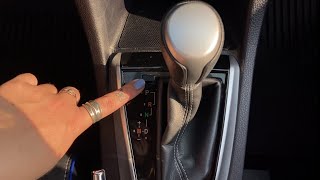
Pro Tip: If you're stranded, you can use the manual shift lock override. Look for a small, removable plastic tab next to the shifter. Pry it off with a small screwdriver or your key, then press down into the opening to manually release the lock, 🎬 Watch: How to use the manual shift lock override allowing you to shift into Neutral to move the vehicle.
2. Loose or Wobbly Shifter
If the shifter feels excessively loose, sloppy, or rattles while driving, the internal bushings are likely worn out. Over time, the plastic and rubber components that cushion the lever's movement can degrade or break. This is especially common in older, high-mileage vehicles. While it doesn't typically prevent the vehicle from shifting, it can make it difficult to feel which gear you are in and can be a sign of impending failure of the linkage connection.
3. Difficulty Shifting or Stiff Lever Action
A shifter that is hard to move can be caused by a few issues. Spilled liquids like soda can gum up the internal mechanism, making it sticky and difficult to operate. In other cases, the shift cable itself or the linkage on the transmission may be corroded or binding, requiring lubrication. This can feel like you have to force the lever between gears.
4. Gear Indicator Doesn't Match Actual Gear
You might move the shifter to 'D' (Drive), but the indicator on the dash still shows 'N' (Neutral), or it may not light up at all. This points to a problem with the shifter's position sensor or a stretched/misadjusted shifter cable. This is a serious safety issue, as the vehicle may not be in the gear you think it is, leading to unexpected movement.
Known Issues, Recalls, and Technical Service Bulletins (TSBs)

For the 2010-2024 model years, the Toyota 4Runner has not had any major recalls or widespread TSBs specifically for the automatic transmission shift lever assembly itself. Most issues reported by owners are related to wear and tear or isolated electrical faults like a blown fuse or failed brake light switch, which are not unique to the shifter. There have been recalls for Takata airbags which affected some 4Runner models in this year range, but these are unrelated to the transmission or shifter components.
Compatibility Note: The main shifter assembly, part number 33550-35820, fits all 2010-2024 Toyota 4Runner models. However, the style of the shift knob itself varies significantly between trim levels like SR5, Limited, and the TRD models. For example, TRD models often feature a unique leather-wrapped or specially badged knob. When purchasing a used assembly, be aware that it will come with the knob from the donor vehicle, which may not match your original trim.
Buying a Used 2010-2024 4Runner Shift Lever
A recycled OEM shift lever assembly is an excellent, cost-effective alternative to a brand-new unit. Since aftermarket options are virtually non-existent for the complete assembly, a used OEM part is often the best choice. Here’s what to inspect:
- Check for Looseness: Hold the base firmly and move the lever through its range. It should move smoothly with distinct detents for each gear. Avoid any unit that feels excessively wobbly or loose, as this indicates worn internal bushings.
- Inspect the Shift Knob: Check the condition of the shift knob. Look for heavy wear, cracks, or damage to the leather or plastic. While you can swap your old knob onto the new assembly, the condition of the included knob is a good indicator of the part's overall wear.
- Examine the Base and Connectors: Inspect the plastic base for any cracks or broken mounting tabs. Check the electrical connectors to ensure they are intact, with no bent or corroded pins.
- Verify the Shift Lock Override: Ensure the small plastic cover for the shift lock override is present and not broken.
- Ask About the Donor Vehicle: If possible, find out the mileage of the vehicle the part came from. Lower mileage is always better, but these units are durable, and even a part from a 100,000-mile vehicle is often a safe bet if it passes physical inspection.
Cost Comparison
Prices can vary based on your location and the supplier. The following is an estimated breakdown of costs:
| Part/Service | Estimated Cost |
|---|---|
| New OEM Assembly (Part #33550-35820) | $630 - $935 |
| New Aftermarket Assembly | Not commonly available |
| Used OEM Assembly | $150 - $400 |
| Shop Labor for Replacement | $125 - $250 |
Replacement Guide (Difficulty: 2/5)

Replacing the shift lever assembly is a straightforward job that most DIY mechanics can complete in about an hour with basic hand tools. The general process involves removing the center console trim to gain access to the shifter.
- Safety First: Disconnect the negative battery terminal. Chock the wheels and engage the parking brake.
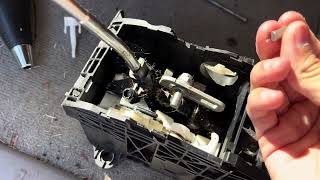
- Remove Console Trim: Carefully pry up the plastic trim pieces around the shifter and center console. These are typically held in by clips. 🎬 Watch: Step-by-step guide to removing console trim and knobs
- Access the Shifter: Once the trim is removed, you will see the shifter assembly bolted to the transmission tunnel.
- Disconnect Cable and Connectors: Disconnect the electrical connectors attached to the shifter base. Then, disconnect the end of the shifter cable from the lever arm.
- Unbolt the Assembly: Remove the four bolts that secure the shifter assembly to the vehicle's floor.
- Install the New Unit: Installation is the reverse of removal. Bolt the new assembly in place, reconnect the shifter cable and electrical connectors, and then reinstall the center console trim.
Frequently Asked Questions (FAQ)
Why is my 4Runner stuck in Park but my brake lights don't work?
This is a classic sign of a blown 'STOP' fuse. The shift lock mechanism requires a signal from the brake light switch to function. If the fuse for the brake lights is blown, the switch cannot send the signal, and the shifter will remain locked. Replacing the fuse usually solves both problems.
Can I just replace the shift knob?
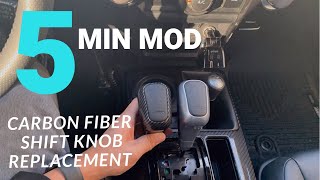
Yes. The shift knob itself simply unscrews counter-clockwise. Many owners replace the standard knob with TRD versions or custom aftermarket knobs for better ergonomics or aesthetics. This does not require replacing the entire shifter assembly.
Is the shift lever assembly the same for all 2010-2024 4Runners?
The core mechanical and electrical assembly (part number 33550-35820) is the same across all trim levels for this generation. The only significant difference is the cosmetic appearance of the shift knob that comes attached to it.
Do I need to program a new shift lever assembly?
No. The shift lever assembly is a mechanical and simple electronic part. It does not require any programming or calibration after installation. It is a plug-and-play component.
Helpful Videos



Technical Specifications
OEM Part Numbers: 33550-35820
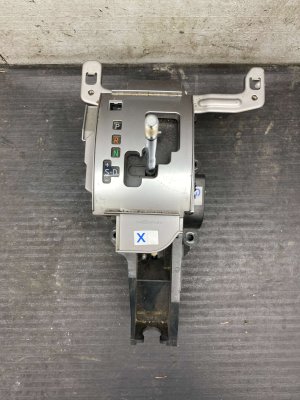
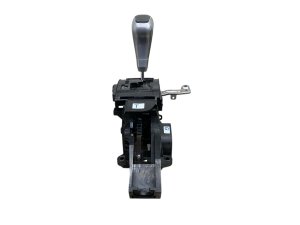
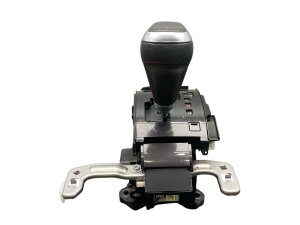
Fits all 2010-2024 Toyota 4Runner models. Includes shift lever, base, shift lock solenoid, and position indicator electronics. Does not include the shift cable.
We Have This Part in Stock



The information in this article is provided for general reference and educational purposes only. Vehicle specifications, procedures, and part compatibility can vary by production date, trim level, and region. Always consult your vehicle's factory service manual and verify part numbers before purchasing or performing repairs. Safety-critical components such as airbags, seat belts, and braking systems should be installed by a qualified professional.
- Toyota 4Runner:
- 🎬 Helpful Videos
- 🛍️ Shop This Part
- Symptoms of a Failing 2010-2024 4Runner Shift Lever
- 1. Shifter is Stuck in Park
- 2. Loose or Wobbly Shifter
- 3. Difficulty Shifting or Stiff Lever Action
- 4. Gear Indicator Doesn't Match Actual Gear
- Known Issues, Recalls, and Technical Service Bulletins (TSBs)
- Buying a Used 2010-2024 4Runner Shift Lever
- Cost Comparison
- Replacement Guide (Difficulty: 2/5)
- Frequently Asked Questions (FAQ)
- 🎟️ Get 5% Off