

1997 Nissan 240SX Transmission Control Module: Solving Shifting Problems
A complete guide to diagnosing, replacing, and understanding the automatic transmission control module (TCM) in your 1997 Nissan 240SX.
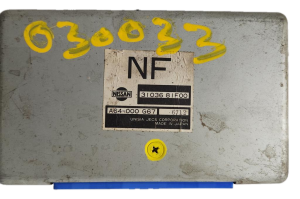
- The correct part number for the 1997 240SX automatic is 31036-81F00; this part is discontinued new from Nissan.
- It is uncertain if a replacement TCM requires programming. Be prepared for the possibility of needing a dealer or specialist to sync the module.
- Common failure symptoms include harsh shifting, getting stuck in gear (limp mode), and a Check Engine Light with transmission-specific codes.
- Before replacing the TCM, always check transmission fluid, wiring, and connectors, as these can cause similar symptoms.
Symptoms of a Failing 1997 240SX TCM
When the Transmission Control Module begins to fail, it can cause a range of frustrating and sometimes alarming issues. Because the TCM is responsible for all shifting logic, its failure often mimics mechanical transmission problems. Watch for these common signs:
- Erratic or Harsh Shifting: One of the most common symptoms is unpredictable gear changes. The transmission might slam into gear, shift at the wrong RPM, or feel jerky and unsmooth.
- Stuck in One Gear (Limp Mode): The vehicle may get stuck in a single gear, usually 2nd or 3rd. This is a protective "limp mode" designed to prevent further damage and allow you to drive to a safe location, but acceleration will be severely limited.
- Delayed Engagement: When shifting from Park to Drive or Reverse, there may be a noticeable delay of a few seconds before the transmission engages and the car begins to move.
- Failure to Shift: The transmission may refuse to upshift or downshift, leaving the engine revving too high or bogging down at low speeds.
- Check Engine Light: A failing TCM will often trigger the Check Engine Light on your dashboard. Scanning for codes is the first step in any diagnosis.
- Poor Fuel Economy: If the TCM is not shifting efficiently, the engine may run at higher-than-necessary RPMs, leading to a noticeable decrease in gas mileage.
Common OBD-II Trouble Codes
While a generic P0700 code indicates a general transmission fault, the 1995-1998 240SX can provide more specific codes related to the automatic transmission system. These codes can be read from the ECU and point towards the specific circuit that is failing, which may be the TCM itself or a related sensor or solenoid. Key codes include:
- 84: A/T Diagnostic Communication Line
- 111: Inhibitor Switch (Neutral Safety Switch)
- 112: Vehicle Speed Sensor A/T
- 113, 114, 115, 116: A/T 1st, 2nd, 3rd, and 4th Gear Signals
- 118, 121: Shift Solenoid A or B
- 123: Overrun Clutch Solenoid Valve
- 124: Torque Converter Clutch Solenoid Valve
- 125: Line Pressure Solenoid Valve
- 128: A/T Fluid Temperature Sensor
- P1605: A/T Diagnostic Communication Line
- P1705: Throttle Position Sensor Circuit A/T
Pro Tip: Before condemning the TCM, always check the transmission fluid level and condition. Low or burnt fluid can cause many of the same symptoms. Also, inspect the wiring harness and connectors for any signs of corrosion or damage, as electrical issues are common.
Known Issues, TSBs, and Recalls
As of mid-2024, there are no specific recalls or Technical Service Bulletins (TSBs) issued by Nissan or the NHTSA for the Transmission Shift Control Module on the 1997 Nissan 240SX. Any issues you encounter are likely due to the age of the electronic components rather than a specific manufacturing defect that prompted a recall campaign.
Buying a Used Transmission Shift Control Module
Since new OEM modules are discontinued, a quality used OEM unit is the most practical solution. Here’s what to look for when buying a replacement.
1. Verify the Part Number
This is the most critical step. For a 1997 Nissan 240SX with an automatic transmission, the correct OEM part number is 31036-81F00. Using a module from a different year or model will not work. Double-check the number on your original module before ordering a replacement.
2. Physical Inspection
When you receive the used module, inspect it carefully before installation. Look for:
- Corrosion: Check the connector pins for any green or white crusty buildup. Corrosion is a major cause of electronic failure.
- Water Damage: Look for any signs of water intrusion on the case or circuit board. The module is located in the passenger footwell, an area that can be susceptible to leaks.
- Case Integrity: Ensure the case hasn't been pried open or physically damaged.
3. The Programming Question
Warning: It is unclear if a replacement TCM for a 1997 240SX requires programming. Some vendors of similar-era Nissan modules state they are plug-and-play, while others suggest a dealer visit may be necessary. Unlike modern cars, which always require programming, vehicles from this era sometimes do and sometimes don't. Be prepared for the possibility that the car may not shift correctly until the module is synchronized to your vehicle by a Nissan dealership or a specialist with a CONSULT diagnostic tool.
Replacement Overview
Replacing the TCM is feasible for a DIY mechanic with basic tools.
- Location: The TCM is located in the passenger-side footwell, mounted high up behind the kick panel.
- Procedure:
- Disconnect the negative battery terminal.
- Remove the passenger-side plastic kick panel and possibly the glove box to gain access.
- Locate the module (a small metal box with wiring connectors).
- Carefully unplug the electrical connectors. Be gentle, as the plastic tabs can be brittle after many years.
- Unbolt the module from its mounting bracket.
- Install the new module and reconnect everything in the reverse order.
Cost Breakdown
Pricing can vary, but here are typical cost ranges to expect:
| Part Type | Estimated Cost | Notes |
|---|---|---|
| New OEM | N/A | This part has been discontinued by Nissan and is no longer available new. |
| New Aftermarket | N/A | No direct aftermarket replacements are commonly available for this specific part. |
| Used OEM | $75 - $150 | The most common and affordable option. Prices vary based on condition and seller. |
| Remanufactured | $250 - $400 | Less common, but offers a professionally tested and repaired unit. May come with a warranty. |
| Shop Labor | $125 - $250 | Most shops will charge for 1-2 hours of labor for the diagnosis and replacement. |
Frequently Asked Questions (FAQ)
Does the 1997 240SX TCM need to be programmed?
There is conflicting information. While many electronic modules from this era are plug-and-play, some vendors suggest that dealer programming with a Nissan CONSULT tool might be required to sync the module to the car. You should be prepared for this possibility when installing a used unit.
Where is the TCM located on a 1997 240SX?
The Transmission Control Module is located behind the kick panel in the front passenger footwell, high up under the dashboard.
Can a bad TCM prevent the car from starting?
It's possible, but not common. If the TCM fails in a way that it cannot correctly read the signal from the inhibitor switch (neutral safety switch), it may not send the correct signal to the ECU to allow the engine to crank.
Is it safe to drive with a failing TCM?
It is not recommended. The vehicle may enter a "limp mode" with limited speed, or it could shift erratically and unpredictably, creating a safety hazard in traffic. It's best to get the vehicle diagnosed and repaired promptly.
Technical Specifications
OEM Part Numbers: 31036-81F00 3103681F00
Fits 1997 Nissan 240SX models with an automatic transmission only.
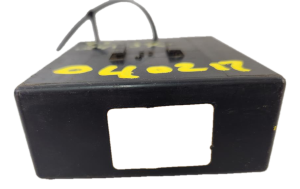
We Have This Part in Stock

The information in this article is provided for general reference and educational purposes only. Vehicle specifications, procedures, and part compatibility can vary by production date, trim level, and region. Always consult your vehicle's factory service manual and verify part numbers before purchasing or performing repairs. Safety-critical components such as airbags, seat belts, and braking systems should be installed by a qualified professional.
- Nissan 240SX:
- 🛍️ Shop This Part
- Symptoms of a Failing 1997 240SX TCM
- Common OBD-II Trouble Codes
- Known Issues, TSBs, and Recalls
- Buying a Used Transmission Shift Control Module
- 1. Verify the Part Number
- 2. Physical Inspection
- 3. The Programming Question
- Replacement Overview
- Cost Breakdown
- Frequently Asked Questions (FAQ)
- 🎟️ Get 5% Off