

2020-2022 Subaru Ascent Transmission Control: Recalls, Programming, and Valve Body Failures
This guide covers the critical software recalls, common failure symptoms, and mandatory programming steps for the Transmission Control Module and related components in the 2020-2022 Subaru Ascent.
- Many transmission problems like shuddering are software-related and can be fixed with a TCM reprogram by a dealer, not a full hardware replacement.
- A critical safety recall (NHTSA 21V-955) affects 2019-2020 models; improper TCM software can lead to total transmission failure and power loss.
- The TCM (brain) is separate from the valve body (solenoids). Solenoid fault codes (P2762, P2764) typically require replacing the entire internal valve body assembly.
- Any replacement of the TCM or valve body requires mandatory programming or a re-learn procedure from a dealer or properly equipped specialist. It is not a plug-and-play part.
Understanding the Ascent's Transmission Control System: TCM vs. Valve Body

When diagnosing transmission issues on a 2020-2022 Subaru Ascent, it's crucial to understand the difference between the external Transmission Control Module (TCM) and the internal valve body. The TCM is a small computer, often located in the driver's side footwell area near the brake pedal. The part numbers listed in vehicle catalogs (30919AH14C, 30919AH14D, etc.) refer to this external module. However, most mechanical and electrical failures that trigger warning lights and fault codes originate from the valve body, which is a complex assembly of solenoids and passages inside the transmission pan. For this reason, many significant repairs involve replacing the entire valve body, not just the external TCM. The most critical issues for this vehicle, however, often start with the TCM's software, which can be corrected with a dealer-performed update.
Known Issues, Recalls, and Technical Service Bulletins (TSBs)

Many drivability problems with the Ascent CVT are not caused by a failed part, but by the software that controls it. Before considering any expensive hardware replacement, always check with a Subaru dealer to see if your vehicle's VIN has any open recalls or TSBs.
NHTSA Recall 21V-955 (Subaru Campaign WRK-21): CVT Chain Slip
🎬 Watch this overview of the Ascent CVT recall fixWarning: This is a critical safety recall for all 2019-2020 Subaru Ascent models. An improper program in the TCM can allow the CVT's drive chain to slip under pressure. This can cause the chain guide to fracture, and if operation continues, the chain itself can break, leading to a complete and sudden loss of power while driving.
- The Fix: Dealers will reprogram the TCM with updated software. They will also scan the module's history for chain slip events and may perform a visual inspection of the chain guide with a videoscope. If evidence of chain slip or damage is found, the entire transmission assembly is replaced at no cost to the owner.
- Warranty Extension: For vehicles that receive the WRK-21 software update but do not require a transmission replacement, Subaru has extended the warranty on the CVT assembly to 10 years or 100,000 miles from the original service date. This extension covers a one-time replacement if the transmission later fails due to the chain slip condition.
TSB 16-140-23: Judder During Low-Speed Acceleration
This TSB addresses a judder or vibration felt when accelerating from slow speeds. The cause is related to the TCM's control over the torque converter lock-up. The fix is a TCM software update (reprogramming) with improved logic. This applies to 2019-2022 Ascent models.
TSB 16-136-22R: Vibration or Judder on Turns
If you experience a vibration or shudder specifically while turning under acceleration, this TSB points to an issue with the multi-plate transfer (MPT) clutch. The repair involves replacing the clutch assembly within the transmission.
Symptoms of a Failing Transmission Control Module or Valve Body

Symptoms can range from minor annoyances to critical failures. Given the software issues, many of these symptoms may be fixed with a simple reprogram.
- Shuddering, Hesitation, or Jerking: The most common complaint. This can happen during low-speed acceleration, on inclines, or when turning. This is often a software issue that can be fixed by the TSB reprogram.
- Warning Lights: The Check Engine light, flashing 'AT OIL TEMP' light, and deactivation of systems like VDC or Hill Assist are common indicators of a transmission fault.
- Sudden Loss of Power: The most dangerous symptom, related to the WRK-21 recall, where the CVT drive chain fails completely.
- Incorrect Gear Ratio Codes: A generic scanner may show a P0700 (Transmission Control System Malfunction), while a more advanced scanner may reveal specific solenoid or circuit codes.
- Common Fault Codes:
- P2762, P2763, P2764: 🎬 Watch: How to diagnose Subaru transmission solenoid codes These codes point to a fault in the Torque Converter Clutch Pressure Control Solenoid circuit. This failure is very common on Subaru CVTs and typically requires the replacement of the valve body assembly.
- P0700: A general code indicating the TCM has detected a fault. You will need a better scanner to read the specific code stored in the TCM.
Buying a Used 2020-2022 Ascent TCM or Valve Body
Critical: Due to mandatory programming requirements, simply swapping a used TCM or valve body is not a plug-and-play repair. Failure to program the module will result in improper function or the vehicle not moving at all.
Buying the External TCM (Controller)
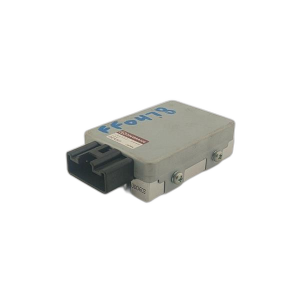
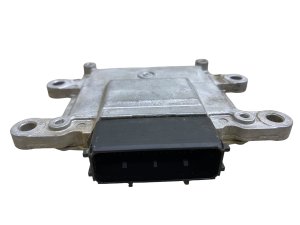
The external TCM (part numbers like 30919AH14K) is relatively inexpensive. If you are certain it has failed due to water intrusion or electrical damage, a used unit can be an option. However, it will absolutely require programming by a dealer or a specialized independent shop to match your vehicle's VIN and software configuration.
Buying the Internal Valve Body
🎬 See a complete step-by-step TR580 valve body replacementThis is a much riskier purchase. A used valve body may come from a vehicle that had the same underlying issues. Given the high cost of labor to install it, the savings may not be worth the risk of premature failure. If you do purchase a used valve body, ensure it comes with a strong warranty. It will still require a 're-learn' procedure after installation.
- Verify Part Numbers: The provided OEM part numbers (30919AH14C, D, E, H, K) show a history of supersession. Always try to source the latest available part number, as it may contain hardware or logic revisions.
- Physical Inspection: When buying used, carefully inspect all electrical connectors for bent or corroded pins. Check the housing for any cracks or signs of damage.
- Check Recall Status: Before buying any parts, run the vehicle's VIN through the NHTSA recall database to ensure the critical WRK-21 recall has been completed.
Programming and Calibration After Installation

Replacement of either the TCM or the valve body is not complete until the unit is electronically synced to the vehicle.
- TCM Reprogramming (Flashing): This is the process of loading new factory software onto the module. This is required to fix issues outlined in TSBs or when installing a new or used TCM. This procedure typically requires a Subaru dealer's Select Monitor tool or a high-end independent shop with a J2534 pass-through device and a subscription to Subaru's technical information system.
- Re-Learn Procedure: After a valve body replacement, a re-learn (also called calibration or adaptation) must be performed. This procedure allows the TCM to learn the specific hydraulic and electrical characteristics of the new solenoids. Some professional-grade aftermarket scan tools can perform this function, but dealer equipment is the most reliable method.
Cost Breakdown for Ascent Transmission Repairs
Repair costs vary widely depending on whether the issue is software, a component, or the entire transmission.
| Part / Service | Estimated Cost | Notes |
|---|---|---|
| TCM Reprogramming (TSB fix) | $150 - $300 | Labor cost at a dealer or specialist to flash new software. Often covered free under recalls or warranty. |
| New OEM External TCM | $135 - $200 (Part Only) | Part number 30919AH14K. Does not include programming. |
| New OEM Valve Body Assembly | $700 - $1,000 (Part Only) | Part number is different from the external TCM (e.g., 31706AA163). |
| Used OEM Valve Body Assembly | $250 - $500 (Part Only) | Risky purchase. Price varies by source and condition. |
| Shop Labor (Valve Body Replacement) | $500 - $900 | Typically 3-5 hours of labor, plus cost of new CVT fluid. |
| Total Valve Body Replacement (Dealer) | $1,400 - $2,800+ | Includes OEM part, fluid, and labor/programming. Forum reports vary. |
| Total Transmission Replacement (Dealer) | $9,000 - $11,000+ | Required if the CVT has suffered catastrophic mechanical failure. |
Frequently Asked Questions
Can I just swap in a used TCM without programming it?
No. The vehicle will likely not operate correctly, and may not even move. The TCM must be programmed to your vehicle's specific VIN and configuration.
My Ascent is shuddering. Do I need a new transmission?
Not necessarily. Shuddering is a very common symptom that is often fixed by a simple TCM software update performed by a Subaru dealer, as outlined in TSB 16-140-23. Always explore software fixes and recalls before assuming a major hardware failure.
Is the TCM inside or outside the transmission?
The main 'brain' or TCM is a separate module located inside the cabin, typically in the driver's footwell. However, the valve body, which contains the critical control solenoids, is located inside the transmission itself and must be accessed by removing the transmission pan.
Can an independent mechanic replace and program my TCM/valve body?
Possibly, but you must verify they have the correct equipment. For a valve body re-learn, a high-end scan tool may work. For a full TCM reprogram (software flash), the shop needs a J2534 pass-through device and a paid subscription to Subaru's software, which is less common. A Subaru dealership is the most reliable choice for programming.
Helpful Videos


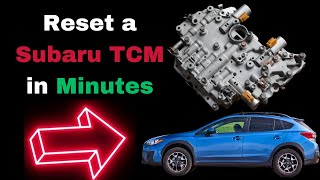
Technical Specifications
OEM Part Numbers: 30919AH14C 30919AH14D 30919AH14E 30919AH14H 30919AH14K 30919AH14A 30919AH14B 30919AH14F 30919AH14G 30919AH14J
The listed part numbers are for the external Transmission Control Module (TCM). The internal valve body assembly, which contains the control solenoids, is a separate part number (e.g., 31706AA163 for 2019+ models).
We Have This Part in Stock





The information in this article is provided for general reference and educational purposes only. Vehicle specifications, procedures, and part compatibility can vary by production date, trim level, and region. Always consult your vehicle's factory service manual and verify part numbers before purchasing or performing repairs. Safety-critical components such as airbags, seat belts, and braking systems should be installed by a qualified professional.
- Subaru Ascent:
- 🎬 Helpful Videos
- 🛍️ Shop This Part
- Understanding the Ascent's Transmission Control System: TCM vs. Valve Body
- Known Issues, Recalls, and Technical Service Bulletins (TSBs)
- NHTSA Recall 21V-955 (Subaru Campaign WRK-21): CVT Chain Slip
- TSB 16-140-23: Judder During Low-Speed Acceleration
- TSB 16-136-22R: Vibration or Judder on Turns
- Symptoms of a Failing Transmission Control Module or Valve Body
- Buying a Used 2020-2022 Ascent TCM or Valve Body
- Buying the External TCM (Controller)
- Buying the Internal Valve Body
- Programming and Calibration After Installation
- Cost Breakdown for Ascent Transmission Repairs
- Frequently Asked Questions
- 🎟️ Get 5% Off