

2012-2014 Hyundai Genesis TCM: Solving Harsh Shifting and Programming Headaches
This guide covers the common failure symptoms, programming requirements, and critical compatibility details for the 2012-2014 Hyundai Genesis 3.8L Sedan Transmission Control Module.
- This TCM is NOT plug-and-play. It is VIN-locked and requires mandatory programming by a Hyundai dealer or a specialist shop with Hyundai GDS software.
- Compatibility is extremely specific: this module only fits 2012-2014 Genesis Sedans with the 3.8L GDI V6 engine. It will not work in a Genesis Coupe or V8 models.
- The most common failure symptoms are harsh, jerky shifts and delayed gear engagement. However, these can also be caused by faulty solenoids, so proper diagnosis is key.
- Buying a used TCM can offer huge savings ($50 vs. $1900+ new), but you must factor in the cost of professional programming for it to function.
Symptoms of a Failing Transmission Control Module

A faulty TCM in the 2012-2014 Genesis Sedan often reveals itself through poor transmission performance. Owners frequently report issues that can be intermittent at first but tend to worsen over time. Being able to recognize these signs can help you distinguish a module failure from a more serious mechanical problem within the transmission itself.
- Harsh or Jerky Shifting: The most common complaint is a sudden, violent shift between gears, especially during gentle acceleration. This can feel like a clunk or being "kicked from behind."
- Delayed Gear Engagement: When shifting from Park into Drive or Reverse, you may notice a significant pause before the gear engages and the car begins to move.
- Gear Slipping: The transmission may unexpectedly slip out of gear while driving, causing the engine to rev up without any increase in speed. This can be a serious safety concern, especially when trying to accelerate into traffic.
- Stuck in Gear (Limp Mode): The TCM may put the vehicle into a self-preservation or "limp" mode, where it gets stuck in a single gear (often 2nd or 3rd) to prevent further damage. This results in poor acceleration and an inability to use the full range of gears.
- Check Engine Light: A failing TCM will often trigger the Check Engine Light or a dedicated transmission warning light on the dashboard.
Common Diagnostic Trouble Codes (DTCs)
When the TCM detects a problem, it stores fault codes that can be read with an OBD-II scanner. While a generic code reader can point you in the right direction, a professional-grade tool is often needed for a precise diagnosis. Common codes associated with TCM and transmission sensor failures include:
- P0700 (Transmission Control System Malfunction): This is a general code indicating the TCM has detected a fault and has requested the Check Engine Light to be turned on.
- P0705, P0706 (Transmission Range Sensor Circuit): These codes point to a problem with the sensor that tells the TCM which gear you have selected (P, R, N, D).
- P0711, P0712, P0713 (Transmission Fluid Temperature Sensor): A Hyundai-specific TSB notes that these codes on a 2012 Genesis Sedan point to a failure of the internal "E-Module," not the entire transmission.
- P0715, P0720 (Input/Output Speed Sensor Circuit): These codes indicate a problem with the sensors that measure the transmission's rotational speeds, which are critical for determining shift points.
- P0730-P0734 (Incorrect Gear Ratio): These codes are set when the TCM detects a mismatch between the expected gear ratio and the actual gear ratio, often a symptom of slipping.
Known Issues, Recalls, and Technical Service Bulletins (TSBs)

While there are no active recalls specifically for the 2012-2014 Genesis Sedan TCM, Hyundai has released several TSBs related to the 8-speed automatic transmission that are crucial for diagnosis.
- TSB 19-AT-014H: This is the most relevant document for owners experiencing shifting problems. It outlines a diagnostic procedure for "Harsh and/or Delayed Shift" conditions. The TSB instructs technicians to check for codes, verify the transmission fluid level, and use Hyundai's GDS diagnostic tool to analyze shift times. Notably, one diagnostic step involves swapping the TCM with a known-good unit, directly acknowledging the module as a potential cause of the problem.
- TSB 14-AT-002: This bulletin details a required TCM software update for 2012-2013 Genesis Sedans after a new or remanufactured transmission has been installed. This confirms that the TCM's software is specifically calibrated to the hardware and that updates are sometimes necessary for proper function.
- TSB 21-AT-018H: This document addresses harsh upshifts by replacing specific shift solenoids inside the transmission. This is important for owners to know, as it shows that not all shifting issues are caused by the TCM; faulty solenoids can produce similar symptoms.
Warning: A major recall (NHTSA ID: 23V-651000) was issued for many Hyundai models, including the 2011-2015 Genesis Coupe, for a fire risk related to the ABS module. This does not affect the Genesis Sedan's TCM but is an important safety notice for owners of the Coupe model.
Buying a Used 2012-2014 Genesis TCM: What You MUST Know

Purchasing a used TCM can save you a significant amount of money, but it comes with critical risks if you don't follow the correct steps. A new OEM module can be extremely expensive, making a quality used part an attractive option.
1. Match the Part Number Exactly
The most important step is to match the OEM part number on your original module to the used unit you are buying. The known part numbers for the 2012-2014 Genesis 3.8L Sedan are:
- 95440-4F220
- 95440-4F221
- 95440-4F222
These numbers may also appear without the hyphen (e.g., 954404F220). Do not install a module with a different part number, even if it looks identical.
2. The Programming Problem: VIN Locking
Critical Warning: This is NOT a plug-and-play part. The TCM is programmed to the specific Vehicle Identification Number (VIN) of the car it came from. Installing a used module without reprogramming it will result in it not functioning correctly, or at all. The vehicle's anti-theft system may also prevent the car from starting.
A used TCM must be reprogrammed to your vehicle's VIN. This procedure requires specialized equipment and software, typically only available at a Hyundai dealership or a well-equipped independent shop that has invested in Hyundai-specific tools like the GDS. Some remote programming services also exist that can work with your local mechanic to perform the flash. Before buying a used module, confirm that you have a local shop capable of performing the reprogramming. Otherwise, you will have to go to a dealer.
3. Vehicle Compatibility: 3.8L GDI Sedan Only
This module is specific to the 2012-2014 Genesis Sedan (model code BH) equipped with the 3.8L GDI engine and 8-speed automatic transmission. It is not compatible with the Genesis Coupe (model code BK) or the models with the 4.6L or 5.0L V8 engines, which use different transmissions and control modules.
4. Physical Inspection
When you receive the used module, inspect it carefully before installation. Look for:
- No Corrosion: Check the pins in the electrical connectors for any signs of green or white corrosion.
- Intact Connectors: Ensure the plastic connectors and locking tabs are not cracked or broken.
- No Water Damage: Look for any water lines or mineral deposits on the case, which would indicate it has been exposed to moisture.
Cost to Replace a 2012-2014 Genesis TCM
The cost can vary dramatically based on the source of the part and the labor involved. The biggest variable is the programming, which is a mandatory step.
| Item | Estimated Cost | Notes |
|---|---|---|
| New OEM Part | $1,900 - $2,000+ | Purchased from a Hyundai dealership. |
| Used OEM Part | $50 - $150 | From a recycled vehicle. Requires programming. |
| Remanufactured Part | $150 - $300 | Your original module is sent out for repair. |
| Shop Labor & Programming | $250 - $600 | Includes physical installation and the crucial VIN programming. Dealer labor rates will be higher. |
| Total (with Used Part) | $300 - $750 | This represents the most common scenario for a cost-effective repair. |
Frequently Asked Questions (FAQ)
Does a used Genesis TCM have to be programmed?
Yes, absolutely. The TCM is VIN-locked to the original vehicle. It must be reprogrammed to your car's VIN by a Hyundai dealer or a specialized shop with the correct diagnostic tools. It will not work correctly without this step.
Can I use a TCM from a Genesis Coupe in my Sedan?
No. The Genesis Coupe and Sedan are different vehicles with different part numbers, software, and potentially different hardware, even if the engine is the same displacement. You must use a TCM from a 2012-2014 Genesis 3.8L Sedan.
What's the difference between a bad TCM and a bad shift solenoid?
They can have very similar symptoms, like harsh shifting. A bad solenoid often causes issues with a specific gear change (e.g., the 2-3 upshift), while a bad TCM can cause more random and widespread problems. A proper diagnosis with a scan tool that can read transmission data is the best way to tell the difference. TSB 19-AT-014H provides a diagnostic path for this.
Will a bad TCM prevent my car from starting?
It's possible. The TCM is part of the vehicle's computer network, which includes the engine control module and anti-theft system. If the TCM has a major internal short or fails to communicate, it can sometimes prevent the engine from starting.
Technical Specifications
OEM Part Numbers: 95440-4F220 95440-4F221 95440-4F222 954404F220 954404F221 954404F222
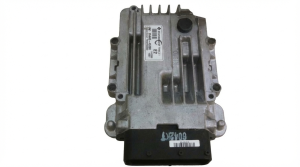
Controls the A8LR1 8-speed automatic transmission. Specific to the Genesis Sedan (BH) platform with the 3.8L Lambda GDI V6 engine.
We Have This Part in Stock



The information in this article is provided for general reference and educational purposes only. Vehicle specifications, procedures, and part compatibility can vary by production date, trim level, and region. Always consult your vehicle's factory service manual and verify part numbers before purchasing or performing repairs. Safety-critical components such as airbags, seat belts, and braking systems should be installed by a qualified professional.
- Hyundai Genesis:
- 🛍️ Shop This Part
- Symptoms of a Failing Transmission Control Module
- Common Diagnostic Trouble Codes (DTCs)
- Known Issues, Recalls, and Technical Service Bulletins (TSBs)
- Buying a Used 2012-2014 Genesis TCM: What You MUST Know
- 1. Match the Part Number Exactly
- 2. The Programming Problem: VIN Locking
- 3. Vehicle Compatibility: 3.8L GDI Sedan Only
- 4. Physical Inspection
- Cost to Replace a 2012-2014 Genesis TCM
- Frequently Asked Questions (FAQ)
- 🎟️ Get 5% Off