

2005 STS & 2004-2005 XLR Transmission Module: Solving Shifting Issues with VIN Programming
This guide explains why erratic shifting in your 2005 Cadillac STS or 2004-2005 Cadillac XLR often points to the Transmission Control Module and why VIN programming is the most critical part of the repair.
- This TCM must be programmed to your vehicle's VIN to function; a non-programmed module will cause a no-start or limp mode condition.
- The most cost-effective solution is often buying a used or remanufactured TCM that is pre-programmed to your VIN before shipping.
- Common failure symptoms include harsh/erratic shifting, getting stuck in one gear, and a Check Engine Light with codes like U0101 or P0700.
- The TCM is an external module located in the engine bay, making the physical swap easy for a DIYer if the part is pre-programmed.
Symptoms of a Failing Transmission Control Module

When the TCM in a 2005 Cadillac STS or 2004-2005 Cadillac XLR begins to fail, the symptoms are often distinct and can be mistaken for a major mechanical transmission problem. An electronic fault in the TCM is very different from an internal transmission failure, which often involves burnt fluid or metal shavings in the pan. Look for these common signs of TCM failure:
- Erratic and Unpredictable Shifting: This is the most common symptom. The transmission may shift at the wrong time, hunt for gears at a steady speed, or shift randomly for no apparent reason.
- Harsh or Delayed Shifts: You may feel a significant bang, clunk, or jolt when the transmission shifts gears. It can also feel like there's a long pause before the next gear engages.
- Stuck in One Gear (Limp Mode): The transmission may default to a single gear (often 2nd or 3rd) to protect itself from further damage. The car will feel very sluggish when starting from a stop.
- Check Engine Light or Transmission Warning: A failing TCM will almost always trigger a warning light on the dashboard.
- Failure to Shift Up or Down: The transmission might refuse to upshift as you accelerate or fail to downshift when you slow down or try to pass.
- Poor Fuel Economy: Inefficient shifting forces the engine to work harder or run at higher RPMs than necessary, leading to a noticeable drop in gas mileage.
Common Diagnostic Trouble Codes (DTCs)
A professional scan tool that can read transmission-specific codes is necessary for proper diagnosis. Generic OBD-II readers may only show a P0700 code, which is a general signal that the TCM has stored a fault. Key codes pointing to TCM failure include:
- U0101: Lost Communication with TCM. This is a very strong indicator that the TCM has failed or has a power/ground issue.
- P0700: Transmission Control System Malfunction. This is a generic code telling you to look for more specific codes stored within the TCM itself.
- P0613: TCM Processor. This code points to an internal hardware failure within the module.
- P0715-P0717: Input/Turbine Speed Sensor Circuit Malfunction. While this can be a sensor issue, if wiring is good, it may indicate a fault in the TCM's input circuit.
- Multiple Solenoid Codes (P0750-P0770): If several shift solenoid codes appear at once, it's more likely that the TCM's driver circuits have failed than all the solenoids failing simultaneously.
Warning: These vehicles use an external TCM located in the engine bay. Some later model Cadillacs use an internal Transmission Electro-Hydraulic Control Module (TEHCM), which is a much more complex and expensive repair requiring removal of the transmission oil pan. Ensure you are diagnosing the correct part for your vehicle.
The Critical Step: VIN Programming

For the 2005 STS and 2004-2005 XLR, you cannot simply swap a Transmission Control Module. The TCM is part of the vehicle's computer network (CAN bus) and is tied to the Engine Control Module (ECM), Body Control Module (BCM), and anti-theft system. A replacement module, whether it is new or used, must be programmed with your car's specific 17-digit Vehicle Identification Number (VIN) to function.
If you install a non-programmed module, one of two things will happen:
- The vehicle will not start.
- The transmission will be locked in limp mode, making the car barely drivable.
You have two main options for programming:
- Dealer or Independent Shop: A GM dealership or a well-equipped independent shop can program a new or used module to your vehicle using a J2534 pass-thru device and a subscription to GM's Service Programming System (SPS). This service is typically billed as 1-2 hours of labor.
- Pre-Programmed Module: Many online sellers of used and remanufactured modules offer a pre-programming service. You provide your VIN when you order, and the module arrives ready to install with no further programming needed. This is often the most cost-effective and convenient option, especially for DIY installation.
Buying a Used Transmission Control Module
A used TCM can be an excellent value, but there are important rules to follow. Because programming is required, a used module from a salvage yard is essentially a 'core' or blank slate. It still holds the VIN from the donor vehicle and will not work in your car until it is reprogrammed.
When buying a used TCM, follow these guidelines:
- Prioritize Pre-Programmed Units: The best option is to buy a used or refurbished module that is sold as 'plug-and-play,' already programmed to your VIN. This eliminates the need for a separate, costly trip to the dealer.
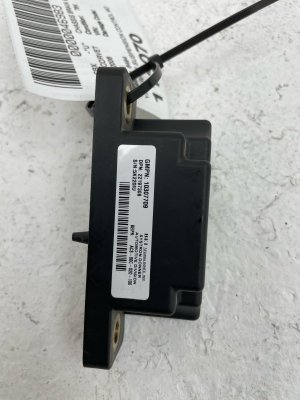
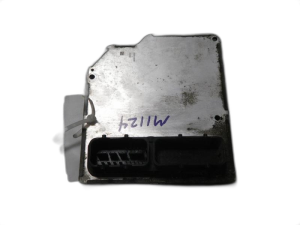
- Match the Hardware Number: While software is key, you should still match the main hardware part number (e.g., 24229789) to ensure physical compatibility.
- Verify Engine Application: The 2005 STS was available with a 3.6L V6 or a 4.6L V8. While they may share the same TCM hardware, they use different software. Ensure the programming you get is correct for your specific engine. The 2004-2005 XLR only came with the 4.6L V8.
- Inspect Connectors: Check the pins in the electrical connectors for any signs of corrosion, bending, or damage. Water intrusion is a common cause of electronic module failure.
- Why Used OEM is a Good Choice: For an electronic part like a TCM, a recycled OEM unit that has been tested and reprogrammed with the latest software updates is often more reliable than a new, unproven aftermarket part.
Replacement Location and Procedure

On the 2005 Cadillac STS and 2004-2005 Cadillac XLR, the TCM is an external module, making the physical replacement straightforward. It is located in the engine bay, typically near the passenger side strut tower. The process generally involves:
- Disconnecting the negative battery terminal.
- Locating the TCM in the engine compartment.
- Unlocking and disconnecting the large wiring harness connectors.
- Unbolting the module from its mounting bracket.
- Installing the new module and reconnecting everything.
Pro Tip: The difficulty of this job is not the physical labor, which takes less than an hour, but the electronic programming. If you are a DIY mechanic, ordering a pre-programmed module is the most efficient path to a successful repair.
Cost of Replacing the TCM
The total cost varies significantly based on the source of the part and labor for programming. Here are typical cost ranges:
| Replacement Method | Parts Cost | Labor/Programming Cost | Total Estimated Cost |
|---|---|---|---|
| New OEM at Dealer | $750 - $1,100 | $200 - $400 | $950 - $1,500+ |
| Pre-Programmed Used/Reman (DIY Install) | $150 - $400 | $0 | $150 - $400 |
| Pre-Programmed Used/Reman (Shop Install) | $150 - $400 | $100 - $200 | $250 - $600 |
| Salvage Yard Part + Shop Programming | $75 - $150 | $150 - $300 | $225 - $450 |
Note: Prices are estimates and can vary based on location, part availability, and shop labor rates.
Known Recalls and Service Bulletins
As of mid-2024, there are no specific safety recalls or widespread Technical Service Bulletins (TSBs) from General Motors for TCM failure on the 2005 Cadillac STS or 2004-2005 Cadillac XLR. However, these vehicles were subject to other important recalls.
- 2005 Cadillac STS Recalls: Notable recalls include issues with a rear axle pinion seal leak (NHTSA 07V-589), a rear suspension toe link that could separate (NHTSA 06V-125), and an ECM programming error that could cause an engine stall (NHTSA 05V-111).
- 2004-2005 Cadillac XLR Recalls: Recalls were issued for faulty daytime running light sockets (NHTSA 06V-125), potential rear brake line contact with the exhaust (NHTSA 04V-525), and lower control arm ball stud issues (NHTSA 04V-359).
It is always a good practice to check for any open recalls on your specific vehicle using its VIN on the NHTSA website.
Frequently Asked Questions (FAQ)
Can I drive my Cadillac with a bad TCM?
It is not recommended. If the transmission is in 'limp mode,' you can likely drive a short distance at low speed to get to a repair shop. However, continued driving with harsh shifting, unpredictable behavior, or slipping can cause permanent mechanical damage to the transmission.
Do I have to go to the dealer to get a new TCM programmed?
No. While a GM dealer can always perform the programming, many independent auto repair shops with the right tools (like a GM MDI or J2534 device) can also do it. The easiest option is often to buy a remanufactured TCM that is pre-programmed to your car's VIN, which requires no additional programming after installation.
Will disconnecting the battery reset a bad TCM?
Disconnecting the battery may temporarily clear a 'soft' code or glitch, but it will not fix a hardware failure or a persistent software corruption within the TCM. If the symptoms return immediately after reconnecting the battery and driving, the module itself is likely faulty.
Is the TCM for the 3.6L V6 and 4.6L V8 STS the same?
They may use the same physical hardware module, but they require different software programming. The shift points, engine communication, and other parameters are specific to each engine. You must ensure the replacement module is programmed for the correct engine in your vehicle.
Technical Specifications
OEM Part Numbers: 24222734 24229694 24229789 24232175 24232176 24232779 24240283
Controls the GM 5L50-E 5-speed automatic transmission. Communicates via the vehicle's CAN bus network. Requires vehicle-specific VIN programming.
We Have This Part in Stock



The information in this article is provided for general reference and educational purposes only. Vehicle specifications, procedures, and part compatibility can vary by production date, trim level, and region. Always consult your vehicle's factory service manual and verify part numbers before purchasing or performing repairs. Safety-critical components such as airbags, seat belts, and braking systems should be installed by a qualified professional.
- Cadillac STS:
- Cadillac XLR:
- 🛍️ Shop This Part
- Symptoms of a Failing Transmission Control Module
- Common Diagnostic Trouble Codes (DTCs)
- The Critical Step: VIN Programming
- Buying a Used Transmission Control Module
- Replacement Location and Procedure
- Cost of Replacing the TCM
- Known Recalls and Service Bulletins
- Frequently Asked Questions (FAQ)
- 🎟️ Get 5% Off