

2017-2019 Kia Soul 2.0L A6MF1 Transmission: Problems, Identification, and Used Replacement
Identifying the A6MF1 6-speed automatic, understanding common failures, and knowing when to swap in a used OEM replacement assembly.
- A replacement transmission MUST have its unique oil pressure data from a QR code programmed into the vehicle's TCM using a dealer-level scan tool to prevent immediate shift problems and premature failure.
- Verify the transmission is OEM part number 45000-2F755 for a 2.0L Soul with 17-inch wheels and VIN digit '5', as other similar-looking units are incompatible.
- During installation, always replace the front pump seal and axle seals, fully flush the transmission cooler, and ensure the torque converter is seated with three distinct clicks to avoid destroying the oil pump.
- Use only genuine Hyundai/Kia SP-IV fluid and perform a complete fluid exchange every 30,000 to 60,000 miles to maximize the transmission's lifespan.
Part Identification: Confirming the Correct Transmission

The 2017-2019 Kia Soul with the 2.0L "Nu" GDi engine uses a specific 6-speed automatic transaxle from the Hyundai/Kia A6 family, model A6MF1. A transaxle is a single unit that combines the transmission and differential for a front-wheel-drive vehicle. Getting the exact correct version is critical, as other seemingly similar units will not work.
Use these points to confirm you have the right vehicle and are sourcing the correct part:
- Vehicle: 2017-2019 Kia Soul with the 2.0L Gasoline Direct Injection (GDi) engine.
- VIN Check: The 8th digit of your Vehicle Identification Number (VIN) must be '5'. [10]
- Wheel Size: The vehicle must have factory 17-inch wheels with P215/55R17 tires. Transmissions from models with 16-inch or 18-inch wheels have different gear ratios and will not interchange.
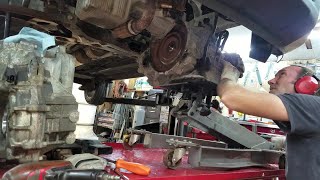
- Part Number: The original equipment manufacturer (OEM) part number is 45000-2F755 (sometimes listed as 450002F755). [21] This is often found on a white barcode sticker on top of the transmission case, under the air filter housing. 🎬 See this step-by-step Kia Soul transmission replacement walkthrough
- Case Identification: Look for an etched code starting with "EA" or "FA" on the transmission's metal case, usually near where it bolts to the engine.
Warning: This transmission (A6MF1) will NOT interchange with units from the 1.6L base Soul (A6GF1), the 1.6L Turbo Soul (D7UF1 dual-clutch), or A6MF1 units from other Hyundai/Kia models like the Elantra or Forte. Differences in the bellhousing (the cone-shaped area that connects to the engine), internal gear ratios, wiring, and mounting points make them incompatible.
Common Failure Symptoms

When this transmission begins to fail, you may experience one or more of the following symptoms:
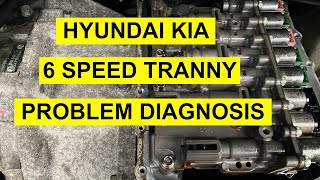
- Harsh or delayed shifting between gears. [28] 🎬 Watch: Diagnosing hard shifting issues on a Kia Soul
- Slipping, where the engine RPMs increase but the vehicle doesn't accelerate properly. [28]
- A shudder or vibration, especially during light acceleration or at highway speeds. [35]
- The vehicle will not move when put into Drive or Reverse.
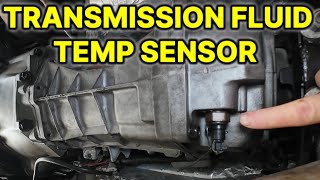
- A lit Check Engine Light. Common trouble codes include P0741 (Torque Converter Clutch), P0711, P0712, or P0713 (Transmission Fluid Temperature Sensor). [2, 35] 🎬 Watch: How to test and replace the temperature sensor
Diagnostic Flowchart
Known Issues, Bulletins, and Recalls

While there are no widespread recalls specifically for this transmission assembly as of mid-2026, several known issues and Technical Service Bulletins (TSBs) exist. A TSB is a document from the manufacturer that provides repair information to dealership technicians for common problems.
TSB: Oil Pressure Calibration Data (20-AT-020H / TRA067)
Applies to: 2017-2019 models.
This is the most critical issue when replacing the transmission. Each transmission has unique fluid pressure characteristics stored in a barcode/QR code on the case. If a used or remanufactured transmission is installed, this data MUST be written to the Transmission Control Module (TCM)—the transmission's computer—using a dealer-level scan tool. [27] Skipping this step will cause poor shift quality and can lead to premature failure. [27]
Internal Wiring Harness and Sensor Failures (TSB TRA 051)
Applies to: All A6MF1 models.
The internal ribbon-style wiring harness is a known weak point. [23, 28] It can fail over time, causing a variety of issues. A failure of the integrated Transmission Fluid Temperature Sensor is common, triggering diagnostic trouble codes (DTCs) P0711, P0712, or P0713. A failure in the torque converter clutch solenoid circuit can cause code P0741. [2, 6] The fix involves replacing the entire internal plastic ribbon harness, which can be done without removing the transmission from the vehicle by removing the oil pan. [2]
Mechanical Failure: Underdrive Clutch Hub Bolts
Applies to: A6 transmission family.
Technicians have reported finding the bolts that secure the underdrive clutch hub can back out over time. [23] This can cause the clutch to drag, leading to slipping, burnt clutches, and issues with 3rd and 4th gear. [23] This is an internal mechanical failure that requires significant disassembly to repair. Low-mileage units are less prone to this, but internal bolts should be verified if possible.
Replacement Cost Estimates
The cost to replace a transmission varies by location and the type of part used. The following estimates are for the part and associated labor. Shop labor is estimated at 5.5 to 8.0 hours.
| Part / Service | Estimated Cost (USD) |
|---|---|
| New (OEM) | $4,500 - $6,997 (MSRP up to $10,320) [43] |
| Remanufactured (OEM) | $823.69 - $4,200 [29] |
| Used (OEM) | $235 - $2,600 (Part only typically $235 - $811) [1] |
| Installation Labor | $750 - $1,200 |
What Fails at Every Mileage Band
Pro Tip: The mileage bands below describe used replacement units of that mileage. The checklists are things to do WHILE INSTALLING the purchased engine, not maintenance for your current engine.
Under 60,000 Miles
Even low-mileage units can experience sudden complete transmission failure with little to no warning. Valve body bore wear can lead to shift quality complaints early on. You may also see failures of the internal wiring harness (causing solenoid, speed sensor, or temperature sensor error codes) or leaking from the front pump seal due to a design flaw where a pump bolt obstructs a drain passage.
- ✓Do during install (required): Replace front pump/torque converter input shaft seal (OEM 46131-3B600 or National 710615).
- ✓Do during install (required): Replace both axle seals.
- ✓Do during install (required): Perform a complete transmission cooler flush and fluid exchange with genuine Hyundai/Kia SP-IV fluid.
- ✓Do during install (recommended): Consider replacing the internal wiring harness/ribbon harness if the used unit has DTCs for temperature or solenoid circuits (P0711-P0713, P0741).
60,000 - 100,000 Miles
In this range, slipping, flaring between shifts, harsh engagement, and shuddering become more common, often linked to fluid degradation or valve body wear. There is an increased likelihood of internal wiring harness and solenoid failures, particularly the transmission fluid temperature sensor.
- ✓Do during install (required): Perform a complete transmission fluid exchange with Hyundai/Kia SP-IV fluid. Do not just drain and fill.
- ✓Do during install (required): Replace the front pump seal and axle seals.
- ✓Do during install (required): Flush the transmission cooler and lines thoroughly to remove contaminants.
- ✓Do during install (recommended): Strongly consider replacing the internal wiring harness with the updated part as a preventative measure, as failures are common in this mileage range.
100,000 - 150,000+ Miles
High-mileage units are at risk of complete transmission failure due to accumulated wear and tear, especially if fluid service has been neglected. Mechanical failure of internal hard parts like clutch packs and bearings is common, along with significant valve body wear causing persistent and severe shift quality issues.
- ✓Do during install (required): Assume the unit requires all new seals (front pump, axles, dipstick tube).
- ✓Do during install (required): Mandatory complete fluid exchange with SP-IV fluid and flush of the cooler.
- ✓Do during install (recommended): Have the valve body inspected for bore wear before installation or source a unit from a vehicle with documented regular fluid changes.
- ✓Cheap insurance while the engine is out: Replace the internal wiring harness if it has not been updated.
Real Owner Experiences
| Source | Mileage | What Happened | Cost |
|---|---|---|---|
| 58,000 | A 2017 Soul owner reported a complete transmission failure with minimal warning; the car started having trouble shifting gears the day before it failed entirely. Initially quoted for a new transmission at the dealership. After discovering the 10-year/100k-mile powertrain warranty was under the co-signing parent's name, the warranty covered the replacement. | $0 (Warranty) / Dealer quoted $8,000 + labor | |
| 52,000 | Owner of a 2018 Soul experienced abrupt braking when decelerating below 20 mph. After extensive diagnostics, the dealer determined the transmission was failing and needed replacement. | Covered under an extended warranty after paying a deductible. | |
| Car Talk Community | Approx. 40,000-50,000 | A 2018 Soul owner reported chattering at low speeds and occasional failure to engage when accelerating. | Not specified; owner was advised to check fluid levels and consider a fluid change or solenoid replacement. |
| General Owner Forums | 60,000-100,000 | Owners report that shift quality degrades noticeably in this range if the fluid has not been changed. Symptoms include rough/delayed shifting and noises. | A fluid and filter service can sometimes improve the condition for under $200, but internal wear may be permanent. |
| CarBuzz | Around 100,000 | While primarily discussing engine issues, the article notes that transmission failures can also occur around this mileage on second-generation Souls. | Replacement costs can range from $1,800 to over $3,500. |
| 200,000 | A user with a 2013 Soul (same transmission family) reported that the transmission was starting to shift hard at 200k miles before they sold the vehicle. | N/A (vehicle sold) | |
| Reddit Comment | Unknown | Went to an independent shop for a new transmission replacement on a 2017 Sportage (similar powertrain). | $2,500 (Dealer quoted $9,000) |
| RepairPal | Unknown | Faced a transmission failure requiring replacement. | $3,500 |
Repair or Replace?
Deciding whether to repair your existing transmission or replace it entirely depends on the specific failure mode and the overall condition of the unit.
When Repair Makes Sense
| Failure Type | Typical Repair Cost (USD) | Notes |
|---|---|---|
| Internal Solenoid/Harness Failure (DTC P0741) | $500 - $1,500 | Makes sense if failure is isolated. Includes part ($50-$300) and significant labor ($400-$1200). |
| Fluid Temperature Sensor Failure (DTC P0711/P0712/P0713) | $250 - $600 | Viable if sensor is the sole issue. Part is $30-$115; labor involves dropping the pan. |
| Transmission Control Module (TCM) Replacement | $500 - $1,200 | Sensible if TCM is confirmed faulty. Includes module ($300-$900) and mandatory programming ($150-$400). |
When Replacement is Smarter
Replacement is the smarter option when there are signs of catastrophic internal mechanical failure, such as loud grinding or clunking noises, the presence of significant metal debris in the transmission fluid, or multiple simultaneous trouble codes pointing to both electrical and mechanical faults. If the cost of diagnosing and repairing multiple internal issues approaches or exceeds the price of a low-mileage used unit (which typically run $235 - $811 for the part itself), replacement becomes much more economical.
Expected Service Life & Maintenance
With proper maintenance, the Kia Soul's A6MF1 transmission can last between 150,000 and 200,000 miles, with some reports indicating lifespans up to 250,000 miles are achievable. However, service life is significantly shortened if fluid maintenance is neglected. The single most critical maintenance item is performing a transmission fluid service every 30,000 to 60,000 miles. A complete fluid exchange using only genuine Hyundai/Kia SP-IV fluid is mandatory to ensure all old, contaminated fluid is removed from the torque converter and cooler.
Freight and Delivery Reality

If you are ordering a used replacement transmission online, it will not arrive in a standard cardboard box via regular mail. Verified shipping data shows this assembly weighs approximately 204 lbs and measures roughly 32" x 32" x 24" before crating. Because of this size and weight, it ships as Less-Than-Truckload (LTL) freight on a wooden pallet.
You must ensure your delivery location can accommodate a freight truck. If delivering to a residential address or a shop without a loading dock, you will need to request liftgate service. Always inspect the transmission thoroughly while it is still on the pallet before signing the delivery receipt. Industry best practice also dictates having a pre-purchase verification interview with the seller to confirm the exact part number, mileage, and warranty terms before the unit ever ships.
Key Installation and Programming Steps

Installing a used transmission is an advanced job with a DIY difficulty rating of Advanced/Expert. Special tools required include an engine support bar, a transmission jack, and an OEM-compatible bi-directional scan tool. If you are having a professional shop perform the work, ensure they are aware of these critical steps.
Mandatory Programming
Warning: The replacement transmission cannot simply be installed and driven. It requires mandatory programming to function correctly. A Kia GDS/KDS or equivalent professional scan tool is required to input the oil pressure data from the QR code on the replacement unit into your vehicle's TCM. [27] The technician must also perform an Oil Pressure Characteristics Input & TCM Adaptive Relearn to make the computer relearn shift points. [40]
Pro Tip: Before the transmission is installed, take a clear, high-resolution photo of the barcode/QR code sticker on top of the case. Once installed, it will be completely blocked by the battery tray and air cleaner, and this photo will be the only source for the required calibration data.
Critical Installation Gotchas
- Torque Converter Seating: The torque converter (which is included with a used unit per ARA/URG standards) must be carefully spun and pushed onto the transmission's input shaft until it clicks and drops into place three distinct times. It should be recessed 11-12mm. If it is not fully seated, it will be crushed when the engine and transmission are bolted together, destroying the new transmission's oil pump.
- Dowel Pins: Ensure the two alignment dowel pins are present and clean on the engine block. These pins are crucial for centering the transmission perfectly. Misalignment will cause vibrations, seal leaks, and eventual failure.
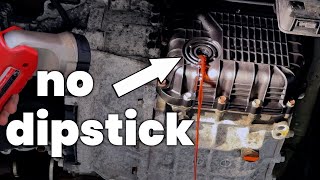
- Fluid Level Check: The fluid level must be checked precisely. The vehicle must be level, the engine idling, and the transmission fluid temperature between 122-140°F (50-60°C). [19] The level is correct when fluid drips slowly from the front overflow plug on the plastic valve body cover. [19]
Required Parts and Fluids
Always use new consumables when installing a replacement transmission. Reusing old fluids or seals will lead to problems.
- Transmission Fluid: Use only genuine Hyundai/Kia ATF SP-IV fluid. [15, 18] Do not use universal or multi-vehicle ATF.
- Seals: Replace the front pump/torque converter seal (OEM 46131-3B600 or National 710615) and both axle seals.
- Sealant: High-temperature RTV silicone sealant (Ultra Gray) is needed for the transmission pan.
- Cooler Flush: A professional-grade transmission cooler-line flush is required to remove any metal debris from the previous transmission's failure.
Questions to Ask Your Installer
- Have you confirmed this is the correct part number (45000-2F755) for my 2.0L Soul with 17-inch wheels?
- Do you have a Kia GDS/KDS or equivalent scan tool to perform the mandatory QR code calibration and adaptive relearn?
- Will you be installing a new torque converter, or does this used unit include its matched torque converter?
- Will you be flushing the transmission cooler and lines completely before installing the replacement unit?
- Can you show me the high-resolution photo of the QR code sticker on the replacement unit before you install it?
- How will you verify the torque converter is fully seated (three clicks) before bolting the transmission to the engine?
- What brand of SP-IV compatible fluid will you be using to fill the transmission?
Frequently Asked Questions (FAQ)
Do I have to replace the torque converter?
Yes. A quality used transmission assembly includes a matching, tested torque converter. Your old torque converter is full of contaminated fluid and debris from the failed transmission. Using it will immediately damage the replacement unit and void your warranty.
What happens if I skip the computer programming?
The transmission will shift harshly, unpredictably, and may feel like it's slipping. The TCM is using the calibration data from the old, failed unit, which does not match the hydraulic properties of the replacement. This will cause rapid wear and lead to another failure.
Can I use a transmission from a Soul with a 1.6L engine?
No. The transmission for the 1.6L engine is a different model (A6GF1) and is not compatible. The bellhousing, torque converter, and internal components are all different and will not bolt up or function with the 2.0L engine.
What is the expected lifespan of the A6MF1 transmission?
With proper maintenance, including fluid changes every 30,000 to 60,000 miles using genuine SP-IV fluid, the transmission can last between 150,000 and 200,000 miles. Neglecting fluid changes will significantly shorten its life.
Does a used transmission come with the Transmission Control Module (TCM)?
No. Per standard auto recycling guidelines, external sensors, the external wiring harness, and the TCM are not included with the transmission assembly. You must reuse your existing TCM and program the new transmission's QR code data into it.
Helpful Videos


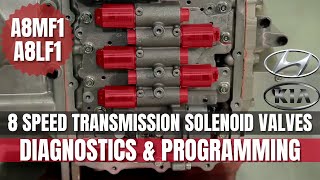
Technical Specifications
OEM Part Numbers: 45000-2F755 450002F755
Model: A6MF1; Type: 6-speed automatic transaxle; Vehicle Application: 2017-2019 Kia Soul; Engine Application: 2.0L "Nu" GDi; Required VIN (8th digit): 5; Required Wheel Size: 17-inch (P215/55R17 tires); Case Identification Code: Starts with "EA" or "FA"; Required Fluid: Hyundai/Kia ATF SP-IV; Weight: Approx. 204 lbs; Shipping Dimensions: Approx. 32" x 32" x 24"
We Have This Part in Stock


The information in this article is provided for general reference and educational purposes only. Vehicle specifications, procedures, and part compatibility can vary by production date, trim level, and region. Always consult your vehicle's factory service manual and verify part numbers before purchasing or performing repairs. Safety-critical components such as airbags, seat belts, and braking systems should be installed by a qualified professional.
- Kia Soul:
- 🎬 Helpful Videos
- 🛍️ Shop This Part
- Part Identification: Confirming the Correct Transmission
- Common Failure Symptoms
- Diagnostic Flowchart
- Known Issues, Bulletins, and Recalls
- TSB: Oil Pressure Calibration Data (20-AT-020H / TRA067)
- Internal Wiring Harness and Sensor Failures (TSB TRA 051)
- Mechanical Failure: Underdrive Clutch Hub Bolts
- Replacement Cost Estimates
- What Fails at Every Mileage Band
- Under 60,000 Miles
- 60,000 - 100,000 Miles
- 100,000 - 150,000+ Miles
- Real Owner Experiences
- Repair or Replace?
- When Repair Makes Sense
- When Replacement is Smarter
- Expected Service Life & Maintenance
- Freight and Delivery Reality
- Key Installation and Programming Steps
- Mandatory Programming
- Critical Installation Gotchas
- Required Parts and Fluids
- Questions to Ask Your Installer
- Frequently Asked Questions (FAQ)
- 🎟️ Get 5% Off