

2017-2020 Buick Envision 2.5L AWD Transmission: Problems, Identification, and Used Replacement
Learn how to identify the correct 6T50 AWD transaxle, diagnose common wave plate and TEHCM failures, and successfully install a used replacement unit.
- Any replacement transmission requires mandatory TEHCM programming to your vehicle's VIN and a 'Service Fast Learn' procedure to function correctly.
- You must thoroughly flush the transmission cooler and lines before installing a replacement unit to prevent debris from the old transmission causing immediate failure.
- Ensure the torque converter is fully seated (three distinct 'clicks' or drops) before bolting the transmission to the engine to avoid destroying the new fluid pump.
- Verify you are buying the correct part by checking for VIN character 'A', RPO codes MHG/MHJ and FJM, and confirming the vehicle is AWD, as other units are not compatible.
Identifying the Correct 2.5L AWD Transmission

The 2017-2020 Buick Envision with the 2.5L engine and All-Wheel Drive (AWD) uses a specific Hydra-Matic 6-speed automatic transaxle, known as the GM 6T50. To ensure you are buying the correct replacement, you must verify several key identifiers on your vehicle, as parts from other models will not fit.
| Identifier | Specification | Notes |
|---|---|---|
| VIN (8th Character) | 'A' | Confirms the vehicle has the 2.5L LCV engine. |
| RPO Code (Transmission) | MHG or MHJ | Found on the "Service Parts Identification" sticker, usually in the glove box. |
| RPO Code (Final Drive) | FJM | Corresponds to a 3.50 final drive ratio. |
| Drivetrain | All-Wheel Drive | Physically verify by looking for the rear driveshaft and differential. |
Transmission ID Tag Location
The most precise identifier is the barcode label on the transmission case itself. This tag is typically on the right side of the housing, near the top. For this specific unit, the model code on the tag should read 7HCW and the original GM part number is 24280907 (or its replacements, 19434037 and 24290329).
Warning: This transmission is NOT interchangeable with other units. It will not fit Front-Wheel Drive (FWD) Envision models or those with the 2.0L Turbo engine. Do not use a transmission from a Chevrolet Equinox or GMC Terrain; their bellhousing bolt patterns, case designs, internal gear ratios, and electronic calibrations differ.
Common Failure Symptoms

When the 6T50 transmission begins to fail, it can exhibit several distinct symptoms. If you experience any of the following, it may be time for a replacement.
- Loss of Gears: A sudden and complete loss of 3rd, 5th, and Reverse gears is a classic sign of internal failure, often related to a broken 3-5-Reverse wave plate.
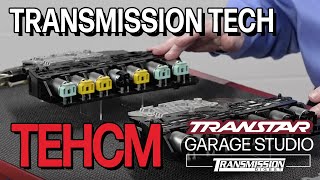
- Erratic or Harsh Shifting: The transmission may slam into gear, hesitate, or shift at the wrong times. This often points to problems with the internal solenoids or the control module (TEHCM). 🎬 Watch: What you need to know about TEHCM replacements
- Shudder or Vibration: A shaking or shuddering feeling, sometimes described as driving over rumble strips, during light acceleration at steady speeds is a common complaint. This is often caused by a failing torque converter clutch or contaminated fluid.
- No Movement: The engine may run, but the vehicle won't move in any gear range. This can be caused by a failed fluid pump or catastrophic internal damage.
- Overheating: A trouble code such as P0218 indicates the transmission fluid is over temperature, which can quickly lead to internal damage. This is often caused by incorrect fluid levels.
Diagnostic Flowchart
Known Problems, Bulletins, and Recalls

The 6T50 transmission family has several well-documented issues. While no transmission-specific safety recalls have been issued for the 2017-2020 Envision, owners should be aware of the following technical service bulletins (TSBs) and common problems.
3-5-Reverse Wave Plate Failure
A weak point in early-to-mid generation 6-speed automatics is the wave plate inside the 3-5-Reverse clutch drum. This thin, spring-like plate can fracture or its snap ring can pop out, sending metal debris throughout the transmission and causing an immediate loss of the corresponding gears. This is a severe failure that requires a complete rebuild or replacement.
Torque Converter Clutch (TCC) Shudder
Many owners report a shudder or vibration at low to medium speeds. This is often traced to the transmission fluid becoming contaminated with moisture or degrading, which affects the performance of the torque converter clutch. GM has issued bulletins for similar transmissions, like 16-NA-175 and PIP6087, with the primary remedy being to perform a complete fluid exchange with fresh DEXRON-VI fluid and, in some cases, update the Transmission Control Module (TCM) software.
TEHCM and Solenoid Failure
The Transmission Electro-Hydraulic Control Module (TEHCM) is the transmission's computer, and it is located inside the oil pan. This unit, along with its integrated solenoids, can fail from wear or contamination from internal debris. This leads to a wide range of shifting problems and requires replacing the entire TEHCM assembly, which must then be programmed to the vehicle.
Damaged Transmission Fluid Pump
According to GM Preliminary Information bulletin PI0324F, some units may experience a failure of the fluid pump, even at low mileage. This causes a loss of hydraulic pressure, resulting in harsh shifts, no-start conditions, or a complete inability to move. This requires transmission removal to replace the pump.
Final Drive Gear Set Bolt Failure
Specifically on AWD configurations, the bolts securing the final drive components can shear under heavy load. This leads to catastrophic failure of the final drive gear set and bearings, requiring a full replacement of the transaxle.
Replacement Cost Estimates
The cost to replace a 2017-2020 Envision 2.5L AWD transmission varies based on the type of replacement unit you choose. The estimates below do not include taxes or shop supply fees.
| Part Type | Estimated Cost (USD) | Notes |
|---|---|---|
| New / Remanufactured OEM | $2,900 - $9,000+ | Purchased from a GM dealer. Often includes a significant core charge ($1,000 - $1,500) until the old unit is returned. |
| Remanufactured Aftermarket | $2,500 - $4,500 | Rebuilt by a third-party company, often with updates to address known failure points. |
| Used OEM | $750 - $1,500 | A direct pull from a wrecked vehicle. Price depends heavily on mileage and warranty. |
| Installation Labor | $1,200 - $2,000+ | Represents an estimated 8 to 12 hours of shop time. This does not include programming. |
Installation and Programming: Critical Steps

Proper installation is essential for the longevity of a replacement transmission. This is an expert-level job requiring special tools like an engine support fixture, a subframe/cradle jack, and a heavy-duty transmission jack. Several common mistakes can cause immediate failure of the new unit.
Required Programming (TEHCM)
The internal control module (TEHCM) is the brain of the transmission. A used transmission includes its original TEHCM, but it will not work in your vehicle until it is electronically programmed.
Pro Tip: The TEHCM must be flashed with your vehicle’s specific VIN and the latest GM calibration files using GM's Service Programming System (SPS2) and a J2534 pass-through tool (like a GM MDI, Tech 2, or GDS2). After programming, a "Service Fast Learn" procedure is required to calibrate the clutch fill volumes. Without these steps, the vehicle may start but will remain in a neutral/fail-safe state and will not shift correctly.
Key Installation Gotchas
Warning: Torque Converter Seating. The torque converter must be fully seated onto the input shaft and pump splines. You should feel it drop into place three distinct times as you push and rotate it. If it is not fully seated, bolting the transmission to the engine will crack the new fluid pump gear, destroying the unit.
Warning: Fluid Cooler Flush. The transmission cooler and lines MUST be thoroughly flushed with a professional-grade solvent before connecting them to the replacement unit. Failure to do so will send metal shavings from the old, failed transmission directly into the new one, causing immediate damage and voiding your warranty.
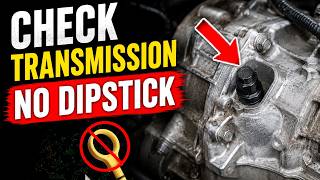
- Temperature-Sensitive Fluid Level Check: This transmission has no dipstick. The fluid level must be checked via a plug on the side of the case while the engine is idling and the fluid is strictly between 86°F and 122°F (30°C to 50°C). Checking it when cold or with the engine off will cause several quarts to pour out, resulting in a severely underfilled transmission.
- Dowel Pins: Ensure alignment dowel pins between the engine block and transmission bellhousing are present and in good condition to prevent flexplate and pump damage.
- Electrical Connectors: Ensure that the electrical connectors for the auxiliary electric fluid pressure system (Start-Stop functionality) are completely clean, dry, and securely plugged in during installation.
What Fails at Every Mileage Band
Pro Tip: The mileage bands below describe used replacement units of that mileage. The checklists are things to do WHILE INSTALLING the purchased unit, not maintenance for your current transmission.
Under 60,000 Miles
Transmissions in this range are generally healthy, but early failures can still occur, primarily due to fluid degradation or electronic faults.
- Known Failures: Torque Converter Clutch (TCC) shudder due to fluid properties, TEHCM/solenoid malfunctions causing harsh shifts, premature 3-5-Reverse wave plate failure, and fluid leaks from axle seals or the pan gasket.
- ✓Do during install (required): Perform a full transmission fluid exchange with new DEXRON-VI fluid (approx. 9 to 10 quarts). Ensure the mandatory TEHCM VIN-programming and Service Fast Learn are performed. Thoroughly flush the transmission cooler and lines.
- ✓Do during install (recommended): Replace external seals such as axle output seals and the torque converter/front pump fluid seal.
- ✓Cheap insurance while the engine is out: Inspect the included torque converter and replace it if the donor fluid shows any signs of contamination.
60,000 - 100,000 Miles
This is the critical wear window where known weak points begin to fail, especially if the original fluid was never changed.
- Known Failures: The risk of 3-5-Reverse wave plate fracture increases significantly. Solenoids inside the TEHCM wear out or clog. The torque converter lock-up clutch can wear out completely, contaminating the fluid. Valve body wear causes pressure losses and slipping.
- ✓Do during install (required): All required items from the Under 60k band.
- ✓Do during install (recommended): Replace the transmission filter and pan gasket (note: the internal pump filter is non-serviceable without splitting the case, but external pan seals should be replaced). Inspect and replace transmission mounts if they show signs of wear or cracking.
- ✓Cheap insurance while the engine is out: Strongly consider replacing the included used torque converter with a new or remanufactured unit as a preventative measure, as it is a primary failure point in this mileage range.
100,000 - 150,000+ Miles
Units in this range are approaching the end of their expected service life. Wear is extensive across all internal components.
- Known Failures: Catastrophic internal failures (wave plate, clutch packs, pump) are highly likely. Complete TEHCM failure due to heat and contaminated fluid is common. General wear leads to slipping in multiple gears. Final drive and bearing failures occur on AWD models.
- ✓Do during install (required): All required items from previous bands. Given the high mileage, installing a new torque converter is non-negotiable for reliability.
- ✓Do during install (recommended): The buyer should have a strong expectation that other wear items (clutches, seals) may have limited life remaining. A lower-mileage unit is strongly recommended over a high-mileage one.
- ✓Cheap insurance while the engine is out: Have a transmission shop inspect the valve body and solenoids before installation.
Real Owner Experiences
| Source | Mileage | What Happened | Cost |
|---|---|---|---|
| GM-Trucks.com Forum | 58,000 | A user reported a complete transmission failure at 58k miles, which was replaced under warranty. The issue was attributed to heat. | Warranty |
| CarComplaints.com | 14,660 | An owner of a 2021 model (with a similar transmission family) reported a 'Service Transmission Soon' message from day one, leading to the discovery of a nicked O-ring seal after the valve bodies were replaced. | Warranty |
| GM Authority / TSB Reference | 25,000 | A 2024 Envision owner reported sluggish acceleration and jolting/downshifting when slowing down. A dealer pointed to GM Service Bulletin PIP6087, which addresses shuddering at low speeds. | Diagnostic/Warranty |
| GM-Trucks.com Forum | 95,000 | Owner's newly purchased 2014 Silverado (similar 6-speed family) lost its transmission within the first week. Local shops reported that failures between 80k-100k miles due to pump or torque converter issues are common. | Not specified, likely full replacement/rebuild. |
| NHTSA Complaint | 96,700 | A 2017 GMC Sierra driver reported a sudden loss of motive power and disengaged gears, attributed to metal shavings from the torque converter requiring a full transmission replacement. | Full replacement |
| Traverse Forum | 76,000 | An owner reported a heavy 'thunk' when shifting from 2nd to 3rd gear, which was diagnosed as a failing 3-5-R wave plate. | Warranty Repair |
| Traverse Forum | 117,000 | Owner experienced wave plate failure. An independent shop quoted $1,650-$1,850 for a rebuild, while a dealership quoted up to $3,600. | $1,650 - $3,600 |
| GM-Trucks.com Forum | 130,000 | A user's trusted transmission builder stated that many 6L80 (similar family) transmissions fail around 100k miles due to pump failures. | N/A (preventative research) |
| GM-Trucks.com Forum | 194,000 | Transmission failed due to the torque converter friction ring wearing to bare metal, which contaminated the pump and solenoids. The owner attributed the long life to frequent partial fluid drains every other oil change. | Rebuild/Replacement |
Repair or Replace?
Deciding whether to repair your existing transmission or replace it entirely depends on the specific failure mode.
| Failure Mode | Typical Repair Cost (USD) | When This Repair Makes Sense |
|---|---|---|
| TEHCM / Solenoid Failure | $450 - $1,200 | Makes sense if diagnosed correctly. It is significantly cheaper than a rebuild or replacement and addresses electronic faults without requiring full transmission removal. |
| Shudder / Torque Converter Clutch | $1,400 - $2,300 | Viable if the issue is confirmed to be the converter and the rest of the transmission is healthy (no widespread metal debris in the fluid). |
| 3-5-Reverse Wave Plate Failure | $2,800 - $5,200+ | Requires a full rebuild. Makes sense with a trusted shop, but the cost can approach or exceed that of a quality remanufactured unit. |
When Replacement is Smarter: Replacing the unit with a used ($750 - $1,500) or remanufactured ($2,500 - $4,500) assembly is the better option when there is catastrophic internal damage, such as a final drive gear set failure, which makes a rebuild prohibitively expensive due to the cost of hard parts. It is also smarter if multiple internal components have failed, or if you prioritize a longer-term, nationwide warranty often provided by remanufacturers.
Freight and Delivery Reality

If you are ordering a used replacement transmission online, be prepared for how it will arrive. This assembly weighs approximately 192 lbs and measures roughly 35" x 30" x 25" before crating. Because of its size and weight, it ships as LTL (Less Than Truckload) freight on a wooden pallet—it will NOT arrive via standard parcel services like UPS Ground or FedEx Home Delivery.
You must specify a commercial delivery address with a loading dock or forklift, or request a liftgate service for residential delivery. Always perform a pre-purchase verification interview with the seller to confirm the exact VIN and mileage of the donor vehicle. When the freight carrier arrives, inspect the transmission carefully for any shipping damage (such as cracked bellhousings or broken sensors) before signing the delivery receipt.
Frequently Asked Questions
Can I reuse my old transmission computer (TEHCM) to avoid programming?
No. The old TEHCM is full of contaminated fluid and metal debris from the original failed transmission. Swapping it into the replacement unit will circulate that debris and destroy the new transmission's solenoids and valve body. You must use the TEHCM included with the replacement unit and have it programmed to your VIN.
What other parts should I replace during the installation?
At a minimum, you should plan on using new GM DEXRON-VI Full Synthetic Automatic Transmission Fluid (approx. 9 to 10 quarts), a new torque converter/front pump fluid seal, and new axle output seals. You must also use a professional-grade transmission cooler and line flush solvent.
What questions should I ask my installer before they begin?
Ask if they have the GM-specific scan tools (like GDS2) required to program the new TEHCM and perform the Service Fast Learn procedure. Ask how they verify the torque converter is fully seated (the 3-click method), how they flush the cooler lines, and how they perform the temperature-sensitive fluid level check (86°F-122°F).
What is the expected service life of the 6T50 transmission?
With regular maintenance, the service life can reach 150,000 to 200,000 miles. However, many transmission shops report common failures occurring between 80,000 and 120,000 miles, particularly if fluid services are neglected or the vehicle is driven aggressively.
What maintenance changes the outcome for this transmission?
The single most critical factor for longevity is regular transmission fluid changes. Experts recommend a fluid and filter change every 30,000 to 50,000 miles to prevent premature wear, shudder, and overheating. Neglecting fluid service is a primary contributor to failure.
Helpful Videos


Technical Specifications
OEM Part Numbers: 24280907 19434037 24290329
Model Name: GM 6T50 Hydra-Matic; Type: 6-speed automatic transaxle; Drivetrain: All-Wheel Drive (AWD); Engine Compatibility: 2.5L LCV (VIN 8th char 'A'); RPO Codes: MHG or MHJ; Final Drive Ratio: 3.50; Final Drive RPO Code: FJM; Transmission ID Code: 7HCW; Weight: ~192 lbs; Fluid Type: DEXRON-VI; Fluid Capacity (Exchange): ~9 to 10 quarts
We Have This Part in Stock


The information in this article is provided for general reference and educational purposes only. Vehicle specifications, procedures, and part compatibility can vary by production date, trim level, and region. Always consult your vehicle's factory service manual and verify part numbers before purchasing or performing repairs. Safety-critical components such as airbags, seat belts, and braking systems should be installed by a qualified professional.
- General Motors ENVISION:
- 🎬 Helpful Videos
- 🛍️ Shop This Part
- Identifying the Correct 2.5L AWD Transmission
- Transmission ID Tag Location
- Common Failure Symptoms
- Diagnostic Flowchart
- Known Problems, Bulletins, and Recalls
- 3-5-Reverse Wave Plate Failure
- Torque Converter Clutch (TCC) Shudder
- TEHCM and Solenoid Failure
- Damaged Transmission Fluid Pump
- Final Drive Gear Set Bolt Failure
- Replacement Cost Estimates
- Installation and Programming: Critical Steps
- Required Programming (TEHCM)
- Key Installation Gotchas
- What Fails at Every Mileage Band
- Under 60,000 Miles
- 60,000 - 100,000 Miles
- 100,000 - 150,000+ Miles
- Real Owner Experiences
- Repair or Replace?
- Freight and Delivery Reality
- Frequently Asked Questions
- 🎟️ Get 5% Off