

2013-2016 Dodge Dart 2.4L 6F24 Transmission: Problems, Identification, and Used Replacement
Identify the Hyundai Powertech 6F24, understand what kills it, and learn when to replace it with a used OEM unit.
- You must verify your Dart has the 2.4L engine (8th VIN digit 'B') and the transmission ID is 68197729, as other Dart and Jeep transmissions are not compatible.
- A mandatory TCM 'Quick Learn' procedure using a dealer-level scan tool is required after installation to prevent immediate shift problems and clutch damage.
- Before replacement, check for the critical shifter cable bushing recall (NHTSA 19V-293) and have a dealer perform TSB software updates, which can fix many shifting issues.
- Use only Mopar SP-IV M or a fully compatible equivalent fluid; using incorrect fluid like ATF+4 will cause severe damage.
- Installation is an expert-level job requiring subframe removal and special tools to check the fluid level at a specific temperature (122°F-140°F).
Identifying the Correct 6F24 Transmission for Your Dodge Dart
The 2013–2016 Dodge Dart was offered with three different engines, and each could be paired with a different automatic transmission. Ordering the correct used transmission is critical, as they do not interchange. This article focuses only on the automatic transmission for the 2.4L "Tigershark" engine.
To confirm your vehicle uses this specific transmission, check the following:
| Verification Method | Specification |
|---|---|
| Engine Size | Your Dart must have the 2.4L Tigershark MultiAir II engine. |
| VIN Check | The 8th digit of your Vehicle Identification Number (VIN) must be a 'B'. |
| Transmission ID Code | The tag on the transmission case should be marked with the identifier 68197729. It may have a two-letter suffix like EA or FA (e.g., 68197729FA). |
Pro Tip: The transmission ID tag is often a barcode sticker located on the top of the transmission case, near where the starter motor or shifter bracket is mounted. It may also be etched directly into the metal case.
Warning: This transmission will NOT fit Darts with other engines. The 2.0L engine uses a different version of the 6F24 (ID 68197728), and the 1.4L Turbo engine uses a completely different dual-clutch transmission (C635 DDCT). Additionally, transmissions from a Jeep Compass or Patriot, while also part of the 6F24 family, have different wiring, software, and case mounting points (including PTO outputs) and will not work in a Dart.
Common Failure Symptoms
When the Hyundai Powertech 6F24 transmission begins to fail, you may experience a range of symptoms. Some issues can be resolved with software updates, while others indicate a mechanical failure requiring replacement.
- Harsh or erratic shifting
- Shuddering or vibration during acceleration
- Delayed engagement when shifting into Drive or Reverse
- The shifter moves but the car stays in the same gear
- Grinding noises or getting stuck in neutral
- A lit Check Engine light with transmission-related fault codes (gear ratio errors)
Diagnostic Flowchart

Known Issues, Recalls, and Technical Service Bulletins (TSBs)
Several factory communications address known problems with this transmission. Before replacing the unit, ensure these have been addressed, as some symptoms can be fixed without a full replacement.
Severe: Shifter Cable Bushing Recall (NHTSA 19V-293 & 2025 Recall A0C)
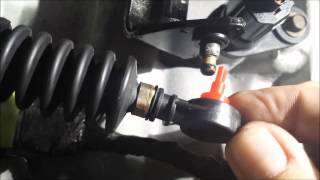
A critical safety recall (Recall V34 / NHTSA 19V-293) was issued for all 2013-2016 Dodge Darts with automatic transmissions, followed by a newer 2025 Recall A0C. The plastic bushing on the transmission-end of the shifter cable can degrade and fail, causing the cable to detach. This creates a dangerous situation where the driver can move the gear selector into Park, but the transmission may remain in another gear, leading to a potential rollaway. The remedy is to replace the bushing with a more durable part, which is done free of charge at a dealership. During any transmission service, it is critical to inspect this bushing and confirm the recall has been performed.
Moderate: Harsh Shifting and Drivability (TSB 21-042-15, 21-024-16, 21-069-15)
Owners of 2013-2016 Darts have reported poor shift quality, shuddering, and delayed shifts. Chrysler released software updates to fix these drivability complaints. TSB 21-069-15 applies to 2012-2013 models, while TSB 21-042-15 and TSB 21-024-16 cover 2014-2016 models. The fix involves reprogramming the Transmission Control Module (TCM) with updated factory software. If you are experiencing these symptoms, a trip to the dealer for a software flash may solve the problem without needing a new transmission.
Moderate: PCM & TCM Updates (TSB 18-023-16)
This bulletin notes that whenever the Powertrain Control Module (PCM) is updated, the TCM must also be updated to the latest available software to ensure proper communication and shift quality across all 2013-2016 models.
Moderate: Solenoid and Valve Body Wear
Like many modern automatic transmissions, the solenoids (small electronic plungers that control fluid flow) and the valve body they mount to can wear out over time. This can cause fluid pressure loss, leading to gear ratio error codes, slipping, and harsh shifting. If software updates do not resolve shifting issues, the valve body and solenoids may be at fault.
Replacement Cost Estimates
The cost to replace a Dodge Dart transmission varies by the type of part used. A used unit is often the most cost-effective option for an out-of-warranty vehicle.
| Part Type | Estimated Cost (Parts Only) | Notes |
|---|---|---|
| New (OEM) | $3,600 - $4,000+ | Typically ordered from a dealership. May be a new or remanufactured unit from Mopar. |
| Remanufactured | $3,100 - $3,600 | Rebuilt by a third-party company with new wear items. Often comes with a warranty. |
| Used (OEM) | $550 - $1,300 | A direct pull from a donor vehicle. Price varies greatly with mileage and condition. |
Labor Costs
Professional installation is a significant part of the total cost. Transmission replacement is a labor-intensive job, typically requiring between 6.0 and 12.0 hours. Depending on local shop rates, you can expect labor costs to range from $900 to $2,000.
Installation and Programming: Critical Steps

Installing this transmission correctly is vital for its long-term function. Several steps are mandatory and cannot be skipped. This is an "Expert" level DIY job.
Required Tools
- Engine Support Bar / Hoist
- Transmission Jack
- Service Dipstick Tool (Mopar #10323A or CTA 1017)
- OBD2 Scan Tool with Live Data
- E-Torx socket set (up to E20)
- 36mm axle nut socket
Required Consumables
- Mopar SP-IV M (or fully compatible SP-IV spec fluid, e.g., Valvoline MaxLife Multi-Vehicle ATF)
- Torque Converter Seal (Mopar #68192831AA)
- Left CV Axle Output Seal (Mopar #68192835AA)
- Right CV Axle Output Seal (Mopar #68192836AA)
- Valve Body Pan Gasket (Mopar #68192621AA)
- Aerosol Transmission Cooler Line Flush
Programming is Mandatory
The external Transmission Control Module (TCM) must be calibrated to the replacement transmission. This process, called a "Quick Learn" or adaptive relearn, requires a dealer-level scan tool. Skipping this step will cause severe shift problems and can quickly burn out the clutches in the new unit. At the same time, the technician should flash the TCM with the latest software to address the issues covered by factory TSBs.
Warning: Use only the correct fluid. This transmission requires Mopar SP-IV M or a fully compatible equivalent fluid. Using standard ATF+4 or other incorrect fluid types will cause damage.
Installation Gotchas
- Torque Converter Seating: The torque converter must be fully seated into the transmission's internal oil pump. You should feel three distinct "clicks" or steps as it engages. Failure to seat it properly will destroy the pump when the transmission is bolted to the engine.
- No Dipstick / Temperature-Sensitive Leveling: This transmission does not have a traditional dipstick. The fluid level must be checked using a special service tool (Mopar #10323A) while the transmission fluid is strictly between 122°F and 140°F (50°C to 60°C). Checking it cold or hot will result in an incorrect level.
- Subframe Removal: Accessing the transmission requires lowering the entire front subframe/cradle, which also supports the engine. An engine support bar must be used from above to hold the engine in place during the procedure.
- Alignment Dowels: Ensure engine-to-transmission alignment dowel pins are in place on the engine block and not damaged or stuck in the old transmission.
What Fails at Every Mileage Band
Pro Tip: These mileage bands describe used replacement units of that mileage. The checklists are things to do WHILE INSTALLING the purchased engine, not maintenance for your current engine.
Under 60K Miles
Even at lower mileages, the 6F24 can experience software glitches causing harsh or erratic shifting, often addressed by TSBs requiring a TCM software update. The transmission shifter cable bushing is a major failure point (NHTSA 19V-293), which can detach and prevent shifting or cause a rollaway risk. In some 2013-2015 models, failure of the TCM itself could cause the transmission to unexpectedly shift into neutral. Premature failure of engine and transmission mounts is also common, leading to excessive vibration at idle and clunking noises.
- ✓Do during install (required): Perform all software updates (TSBs) for the TCM and PCM to address known shift quality issues.
- ✓Do during install (required): Replace all three axle seals (torque converter, left, and right CV axle) to prevent leaks.
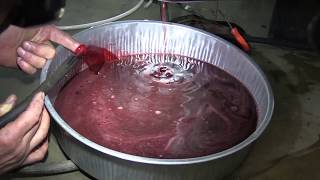
- ✓Do during install (recommended): Perform a transmission fluid and filter service. One owner noted the fluid was extremely dark with metal on the magnet at only 60k miles.
- ✓Cheap insurance while the engine is out: Inspect and consider replacing the upper engine and transmission mounts, as they are a known failure point.
60K - 100K Miles
In this band, there is a continued risk of shifter cable bushing failure; a second recall was issued as the initial fix was found to be insufficient. Solenoid and valve body issues become more prominent, leading to harsh shifting, slipping, and gear ratio error codes. Torque converter lock-up clutch failure can occur, especially with aggressive driving, leading to fluid contamination and overheating. General transmission failure is also reported, with some owners requiring complete replacement.
- ✓Do during install (required): All items from the 'Under 60K' band apply.
- ✓Do during install (recommended): Perform a complete transmission fluid flush, not just a drain and fill, as significant fluid breakdown is reported.
- ✓Cheap insurance while the engine is out: If shift quality was poor on the core transmission, consider having the valve body and solenoids on the replacement unit inspected or tested before installation. Solenoid replacement can cost between $400 and $1,500.
100K - 150K+ Miles
The overall service life of a Dodge Dart vehicle is estimated to be between 150,000 and 250,000 miles with proper maintenance. However, the 6F24 automatic transmission is frequently cited as a problem area that can lead to costly repairs or total failure before reaching this mileage. At this stage, there is an increased likelihood of complete internal failure requiring a full replacement or rebuild. Wear-related failures of internal hard parts, such as clutches and the torque converter, are common. Persistent issues from lower mileage bands, like solenoid failure and mount degradation, become highly probable.
- ✓Do during install (required): All items from the lower mileage bands apply.
- ✓Do during install (recommended): Carefully inspect the flexplate for cracks and the transmission cooler lines for corrosion or damage, replacing as needed.
- ✓Cheap insurance while the engine is out: Given the mileage, replacing the entire solenoid pack as 'cheap insurance' while the transmission is out is a wise investment to prevent near-future shifting problems.
Real Owner Experiences
| Source | Mileage | What Happened | Cost |
|---|---|---|---|
| VinDecoderz.com | 40,000 | Owner reported that from day one the car had shifting issues. The car revved up on its own, had trouble downshifting, and stalled in cold temperatures. By 67,000 miles, it needed a full transmission replacement. | N/A |
| Reddit r/dodgedart | 60,000 | An owner of a 2016 Dart GT with a 2.4L engine stated the engine and transmission both required replacement by 60,000 miles due to poor factory quality. | N/A |
| Reddit r/dodgedart | 50,000 | A user reported needing a new clutch at 50,000 miles. | N/A |
| Reddit r/dodgedart | 80,000 | Owner of a 2016 SXT experienced a shifter cable bushing failure while driving. | N/A |
| ConsumerAffairs | 60,000 | A Dodge Journey owner (related vehicle family) reported that the motor and transmission mounts were 'shot' at 60k miles, quoted at $1,700 to repair. | $1,700 |
| Reddit r/dodgedart | 130,000 | An owner is considering replacing their transmission at 130k miles after having already invested heavily in other repairs like suspension, brakes, and starter. | Estimated $3,000-$4,000 for replacement. |
| Reddit r/dodgedart | 209,000 | An owner who bought their Dart at 150k miles reported having to replace 'tons of stuff' after 170k to keep it running, though the transmission itself was not specified as the main failure. | N/A |
| Reddit r/dodgedart | Not Stated (2013 model) | Considering purchasing a vehicle that needs a replacement. | $2,900 (quoted: $2,200 for a used transmission plus $700 for labor) |
| Reddit r/dodgedart | Not Stated (2013 model) | Dealer diagnosed a bad shifter-side bushing, which is not covered by the transmission-side bushing recall. | $1,000 (quoted) |
Repair or Replace?

Deciding whether to repair your existing 6F24 transmission or replace it entirely depends on the specific failure mode.
When Repair Makes Sense
- Transmission Shift Cable Bushing: Always repair this. The recall remedy (NHTSA 19V-293) should be performed by a dealer for $0. If the recall was already done or the failure is on the shifter side, a simple DIY bushing kit costs $12 - $30, or professional replacement of the entire cable runs $411 - $502. This is far cheaper than a transmission replacement.
- Harsh/Erratic Shifting: If the vehicle exhibits poor shift quality, shuddering, or delayed shifts, a software update is the first and most cost-effective step. A dealer typically charges $100 - $250 to reprogram the TCM. This should be attempted before considering any major mechanical repairs.
- Solenoid / Valve Body Failure: When specific gear ratio error codes are present and can be diagnosed as a solenoid issue, a solenoid pack replacement costs $400 - $1,500. This is an internal repair but is significantly less expensive than a full unit replacement if the rest of the transmission's mechanical parts are in good condition.
When Replacement is Smarter
It is smarter to replace the unit when internal mechanical failure (e.g., burnt clutches, broken gears, oil pump failure) has occurred, leading to metal contamination throughout the unit. In these cases, the cost and complexity of a full rebuild often exceed the cost of a lower-mileage used or remanufactured replacement. It is also smarter to replace the unit if multiple issues are present (e.g., solenoid failure combined with high mileage and known shift quality problems) and a reliable, warrantied used unit is available.
Questions to Ask Your Installer
- Have you confirmed the part ID on my old transmission is 68197729 and the 8th digit of my VIN is 'B'?
- Will you be checking if the shifter cable bushing recall (NHTSA 19V-293) has been performed and that the bushing is in good condition?
- Do you have the tools and software (like wiTECH) to perform the mandatory TCM 'Quick Learn' procedure after installation?
- Are you planning to flash the TCM and PCM to the latest available software to address any known TSBs for shift quality?
- How will you verify the torque converter is fully seated (the 'three clicks') before bolting the transmission to the engine?
- Do you have the special service dipstick (like Mopar #10323A) and a way to monitor transmission fluid temperature to set the fluid level correctly?
- What brand of SP-IV M compatible fluid will you be using?
- Does your quote include replacing the axle seals and torque converter seal?
Freight and Delivery Reality

If you are ordering a used 6F24 transmission online, it is important to understand how it will arrive. This assembly weighs approximately 229 lbs and measures roughly 36" x 24" x 24" before crating. Because of its size and weight, it ships as LTL (Less-Than-Truckload) freight on a wooden pallet—it will NOT arrive via standard parcel services like UPS Ground or FedEx Home Delivery.
Freight delivery requires a delivery address that can accommodate a large truck. If you are having it delivered to a residential address or a shop without a loading dock or forklift, you must request a truck with a liftgate. Always inspect the transmission thoroughly while it is still on the pallet before signing the delivery receipt. Look for any damage to the case, sensors, or oil pan that may have occurred during transit. A pre-purchase verification interview with the seller is an industry best practice to ensure you are getting the exact 68197729 unit for your 2.4L Dart.
Driveline and Engine Pairing Cautions
When buying a used 6F24 transmission, you must match the exact driveline and engine setup. The 6F24 transmission family is used in several different vehicles, but the outer metal cases are not the same.
2WD vs. 4WD Variant Differences
The Dodge Dart is strictly a Front-Wheel Drive (FWD or 2WD) car. However, the 6F24 transmission is also used in Jeep vehicles that offer Four-Wheel Drive (4WD). You cannot use a 4WD transmission in your FWD Dart.
- FWD Cases: The passenger side of the transmission case is sealed. It only has an opening for the front CV axle (the shaft that connects to and turns the front wheel).
- 4WD Cases: The case has a large, machined opening and extra bolt holes. This allows a Power Take-Off (PTO) unit or transfer case to attach and send power to the rear wheels.
Bellhousing and Engine Constraints
The bellhousing is the wide, bell-shaped front section of the transmission that bolts directly to the engine block. In the 6F24 family, the bellhousing is cast as one solid piece with the rest of the transmission case. You cannot unbolt it and swap it with another bellhousing.
Because of this, the transmission must perfectly match your engine's bolt pattern:
- 2.4L Tigershark: Has a specific bolt pattern. You must buy a transmission removed from a 2.4L engine.
- 2.0L Tigershark: Uses a different version of the 6F24. The starter motor mount and the engine bolt holes are in different spots. A 2.0L transmission will not bolt onto a 2.4L engine.
Frequently Asked Questions (FAQ)
Will a transmission from a Jeep Compass or Patriot fit my Dart?
No. While some Jeep models use the same 6F24 transmission family, their case castings, mounting bosses, wiring, and internal software are different and are not compatible with the Dodge Dart.
Do I need to program the replacement transmission?
Yes. A "Quick Learn" adaptive relearn procedure is mandatory. This requires a compatible, high-level scan tool to calibrate the vehicle's computer to the solenoids in the replacement unit. Failure to do this will cause immediate and severe shifting problems.
What fluid does the 6F24 transmission use?
It requires a specific fluid: Mopar SP-IV M Automatic Transmission Fluid or a fully compatible aftermarket equivalent that meets the SP-IV M specification. Regular transmission fluid changes are critical to the longevity of the 6F24. Experts recommend a fluid and filter service every 60,000 miles, or as early as 30,000-50,000 miles for aggressive driving conditions.
Can I check the fluid level myself?
It is difficult without the right tools. The transmission has no dipstick and the level must be checked at a very specific temperature (122°F-140°F) using a special service dipstick tool (Mopar #10323A). Over- or under-filling can cause serious damage.
What is included with a used transmission assembly?
A standard used assembly typically includes the transmission case, all internally lubricated parts, the differential assembly, the front/side valve body oil pan, the torque converter, and the valve body with internal solenoids. It generally does NOT include external sensors, input/output speed sensors, the transmission range sensor, the external wiring harness, the Transmission Control Module (TCM), the shifter, shifter linkage/cables, the flexplate/flywheel, or transmission cooler lines.
Helpful Videos
Technical Specifications
OEM Part Numbers: 68197729 68192831AA 68192835AA 68192836AA 68192621AA
Name: Hyundai Powertech 6F24; Application: 2013-2016 Dodge Dart w/ 2.4L Tigershark Engine; Required Fluid: Mopar SP-IV M; Weight: Approx. 229 lbs; Control: External Transmission Control Module (TCM); VIN Identifier: 8th Digit must be 'B'
We Have This Part in Stock


The information in this article is provided for general reference and educational purposes only. Vehicle specifications, procedures, and part compatibility can vary by production date, trim level, and region. Always consult your vehicle's factory service manual and verify part numbers before purchasing or performing repairs. Safety-critical components such as airbags, seat belts, and braking systems should be installed by a qualified professional.
- Dodge Dart:
- 🎬 Helpful Videos
- 🛍️ Shop This Part
- Identifying the Correct 6F24 Transmission for Your Dodge Dart
- Common Failure Symptoms
- Diagnostic Flowchart
- Known Issues, Recalls, and Technical Service Bulletins (TSBs)
- Severe: Shifter Cable Bushing Recall (NHTSA 19V-293 & 2025 Recall A0C)
- Moderate: Harsh Shifting and Drivability (TSB 21-042-15, 21-024-16, 21-069-15)
- Moderate: PCM & TCM Updates (TSB 18-023-16)
- Moderate: Solenoid and Valve Body Wear
- Replacement Cost Estimates
- Labor Costs
- Installation and Programming: Critical Steps
- Required Tools
- Required Consumables
- Programming is Mandatory
- Installation Gotchas
- What Fails at Every Mileage Band
- Under 60K Miles
- 60K - 100K Miles
- 100K - 150K+ Miles
- Real Owner Experiences
- Repair or Replace?
- When Repair Makes Sense
- When Replacement is Smarter
- Questions to Ask Your Installer
- Freight and Delivery Reality
- Driveline and Engine Pairing Cautions
- 2WD vs. 4WD Variant Differences
- Bellhousing and Engine Constraints
- Frequently Asked Questions (FAQ)
- 🎟️ Get 5% Off