

2018-2020 Chevrolet Sonic 1.4L Transmission: Problems, Identification, and Used Replacement
A complete breakdown of the 6T35 and 6T40 6-speed automatic transaxles, common failures like torque converter shudder, and how to successfully source and install a used OEM replacement.
- You must verify and match your vehicle's RPO code (MH8 for 6T40 or MNU for 6T35) when purchasing a replacement unit to ensure compatibility.
- Programming the replacement transmission's control module (TEHCM) to your vehicle's VIN is mandatory; skipping this step will result in a no-start condition.
- A high-pressure flush of the transmission cooler and lines is a non-negotiable step during installation to prevent debris from the old unit from destroying the replacement.
- Due to the high failure rate of the torque converter, it is strongly recommended to install a new or remanufactured torque converter with any used transmission, especially those over 60,000 miles.
Vehicle Fitment and Part Identification

This article covers the six-speed automatic transmission found in the 2018-2020 Chevrolet Sonic equipped with the 1.4L turbocharged engine. This front-wheel-drive (FWD) transaxle is part of the GM Hydra-Matic family. A transaxle combines the transmission and differential into a single unit for a FWD vehicle.
Correctly identifying this specific transmission is critical before purchasing a used unit. There are two potential variants, and using the wrong one can lead to significant issues.
| Identification Method | Details |
|---|---|
| Engine Code | Your Sonic's Vehicle Identification Number (VIN) is the first checkpoint. The 8th digit must be 'B', which signifies the 1.4L LUV turbo engine. |
| RPO Codes | The most accurate way to identify your transmission is by the Regular Production Option (RPO) code. For 2018 and newer GM vehicles, this is on a QR code label located on the driver's side door jamb. For earlier models, it's on a sticker, often in the glove box. You are looking for either MH8 (the 6T40 model) or MNU (the 6T35 model). While very similar, these units have internal differences; always match your vehicle's original RPO code when buying a replacement. |
| Visual ID | A barcode sticker or metal plate on the top or right side of the transmission case has a 4-character broadcast code that can be used for professional identification. |
Warning: Do not use a transmission from a Chevrolet Cruze, Trax, or Buick Encore. While they may use similar 6T35/6T40 transmissions, they have different bellhousing patterns (how the engine and transmission bolt together), gear ratios, and computer calibrations that make them incompatible.
Common Failure Symptoms

If your transmission is beginning to fail, you may experience one or more of the following symptoms:
- Shuddering or Vibration: A common complaint is a vibration that feels like driving over rumble strips, especially at steady speeds. This is often a sign of a failing Torque Converter Clutch (TCC). The torque converter is a fluid coupling that connects the engine to the transmission.
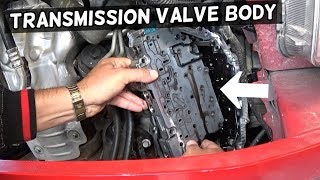
- Harsh or Delayed Shifting: You might notice the transmission hesitating, slamming into gear, or flaring (engine RPMs rise between shifts). This can point to internal hydraulic pressure loss, often from a worn valve body. 🎬 See this step-by-step 6T40 valve body replacement guide
- Loss of Gears: In severe cases, the vehicle may fail to move in Drive or Reverse, indicating a major internal failure.
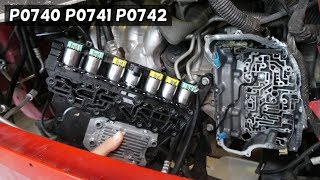
- Check Engine Light: Fault codes related to the TCC (like P0741) or gear ratio 🎬 Watch: Diagnosing P0741 torque converter clutch codes errors can signal an internal transmission problem.
Diagnostic Flowchart
Known Issues, Recalls, and Technical Service Bulletins (TSBs)

There are no open recalls for this specific transmission assembly as of mid-2026. However, several known issues and TSBs exist.
TSB 18-NA-035 / 20-NA-015: Cold Weather Shift Issues
- Symptom: The transmission may not shift into the highest overdrive gears in very cold weather.
- Affected Years: 2018-2020
- Cause & Remedy: This is often normal behavior. The vehicle's computer intentionally keeps the engine at a higher RPM to prevent moisture from freezing in the turbocharger's charge air cooler. In some cases, a dealer can perform a software update, but no parts replacement is typically needed for this condition.
Torque Converter Clutch (TCC) Shudder
- Symptom: A vibration or shudder during light acceleration or when holding a steady speed.
- Affected Years: All 6T35/6T40 models, including 2018-2020.
- Cause & Remedy: This can be caused by worn-out clutch lining inside the torque converter or contaminated transmission fluid. Sometimes, a complete fluid flush with DEXRON-VI fluid can resolve minor cases, but often the torque converter itself requires replacement. A used transmission assembly typically includes the torque converter.
Pressure Regulator Valve Bore Wear
- Symptom: Severe shift problems, including slipping, harsh engagements, and eventual loss of gears.
- Affected Years: Primarily affects 6T40 models but can occur in the 6T35.
- Cause & Remedy: The valve body, which directs hydraulic fluid, can develop wear in the pressure regulator bore. This causes a loss of fluid pressure needed to apply the clutches. The fix requires repairing the valve body or replacing it entirely.
What Fails at Every Mileage Band
Pro Tip: The mileage bands below describe used replacement units of that mileage. The checklists provided are things to do WHILE INSTALLING the purchased unit, not maintenance for your current transmission.
Under 60,000 Miles
Even low-mileage units can show early signs of wear. Known failures in this band include hesitant or rough shifting (sometimes fixed with software updates), early torque converter clutch (TCC) shudder, and shift solenoid faults. Mechanics frequently report that the transmission fluid is completely dark and broken down well before the factory 45,000-mile severe service interval.
- ✓Do during install (required): Flush the transmission cooler and lines, program the TEHCM to the vehicle's VIN, and perform the 'Service Fast Learn' procedure.
- ✓Do during install (recommended): Perform a drain and fill of the transmission fluid with DEXRON-VI, as even low-mileage units can have contaminated fluid.
- ✓Cheap insurance while the engine is out: Replace external axle seals (left and right) and the torque converter hub/front pump seal.
60,000 - 100,000 Miles
This is the critical window where failures become more frequent. You will see an increased prevalence of torque converter shudder and valve body wear leading to pressure loss, shift flares, and slipping. Pressure control solenoid performance codes (like P2723) often appear due to internal component failure, such as a cracked clutch apply piston. Turbine shaft fractures are also a known concern for this transmission family.
- ✓Do during install (required): Flush cooler and lines, program TEHCM, perform 'Service Fast Learn', and ensure the replacement unit has had any applicable TCM software updates installed.
- ✓Do during install (recommended): Consider replacing the torque converter with a new or remanufactured unit, even if the used transmission includes one. TCC shudder is a very common failure, and installing a new one is the best preventative measure.
- ✓Cheap insurance while the engine is out: Replace all external seals (axle seals, converter hub seal).
100,000 - 150,000 Miles
Complete transmission failure becomes much more common in this band, often stemming from previously ignored issues like TCC shudder or valve body wear. Wear-related internal failures, such as broken wave plates leading to a loss of reverse and forward gears, are frequent. Axle seal leaks caused by worn internal bushings also appear.
- ✓Do during install (required): Flush cooler and lines, program TEHCM, and perform 'Service Fast Learn'.
- ✓Do during install (recommended): At this mileage, installing a used transmission without also replacing the torque converter is a significant risk. A new torque converter is strongly advised.
- ✓Cheap insurance while the engine is out: Replace all external seals.
Over 150,000 Miles
The expected service life of the 6T35/6T40 transmission is typically between 150,000 and 200,000 miles. Units in this band are at or near the end of their expected service life. Failures are expected and can be comprehensive, involving multiple internal components.
- ✓Do during install (required): A thorough cooler flush is absolutely non-negotiable to prevent old debris from destroying the replacement unit.
- ✓Do during install (recommended): Installing a used transmission with over 150,000 miles is generally not advisable unless it's a very temporary fix. The labor cost will likely exceed the value of the part.
- ✓Cheap insurance while the engine is out: A new torque converter and all new external seals are non-negotiable if proceeding.
Real Owner Experiences
The lifespan of this transmission is highly dependent on maintenance. Regular fluid changes every 30,000 miles with DEXRON-VI are the best defense against premature failure.
| Source | Mileage | What Happened | Cost |
|---|---|---|---|
| badvehicle.com | ~30,000 | Owner noticed the car working harder than usual when speeding up or slowing down, a sign of hesitant shifting. The vehicle's computer was not engaging the shift properly. | Minor repairs ~$100, major requires new transmission. |
| YouTube Mechanic's Report | 37,000 | A mechanic drained the original transmission fluid from a Chevy Cruze with a 6T-family transmission and found it was completely black and burnt, despite the manual's 45,000-mile service interval. | N/A |
| CarComplaints.com | 62,000 | Mechanic recommended replacement after transmission locked up. | Quoted $3,000 |
| CarComplaints.com | 72,000 | Owner was quoted for a rebuild after the 3-5 wave plate disintegrated. | Quoted $3,327 |
| badvehicle.com | ~70,000 | A recall was issued for 2014 models for a turbine shaft fracture that could cause the car to stop running if it breaks in gears 3-6. | N/A |
| gm-trucks.com forum | 95,000 | Complete transmission failure. Transmission shops indicated that failures of the pump or torque converter are common around 80,000-100,000 miles. | N/A |
| gm-trucks.com forum | 130,000 | A transmission builder noted that these transmissions often fail around 100k miles due to pump failures. | N/A |
| Reddit r/ChevySonic | 128,000+ | Owners report various repairs, but many are still running on the original transmission. One user with 207k miles noted many cooling system fixes. | N/A |
| Reddit r/ChevySonic | 180,000 / 207,000 | Multiple owners report reaching high mileage on the original transmission, but often with other significant repairs along the way (cooling system, engine mounts). | N/A |
| Sonic Owners Forum | N/A | A forum member shared general cost estimates for a professional replacement. | Paid $2,900 - $3,200 |
Repair or Replace?

Deciding whether to repair your current transmission or replace it with a used or remanufactured unit comes down to the specific failure and the overall cost.
When Repair Makes Sense
- Cold Weather Shift Issues: If the transmission delays overdrive in the cold, this is often normal (TSB 18-NA-035). A TCM software calibration update by a dealer is a low-cost first step ($150 - $300).
- Torque Converter Clutch (TCC) Shudder: If shudder or vibration is the only symptom and there are no diagnostic trouble codes for gear ratio errors, replacing just the torque converter makes sense. A remanufactured torque converter costs between $250 and $400, plus 3-5 hours of labor (Total: $500 - $900).
- Harsh Shifting / Delayed Engagement: If symptoms like harsh 1-2 shifts, flares between gears, or delayed engagement from Park are the primary issues, a valve body replacement is significantly cheaper than a full transmission rebuild ($800 - $1,500) and often resolves these specific hydraulic pressure loss issues.
When Replacement is Smarter
Replacement is the recommended path when there is catastrophic internal damage, such as a loud bang followed by a complete loss of movement, or when metal debris is found in the transmission fluid. In these cases, multiple hard parts (gears, clutches, fluid pump) are likely damaged, making a rebuild more expensive and less reliable than swapping in a tested, low-mileage used unit.
Replacement Cost Estimates
Replacing the transmission is a major repair. Labor involves removing the front subframe and takes an estimated 6.0 to 8.0 hours. Costs below are aggregated estimates and will vary by location and supplier.
| Part Type | Estimated Part Cost (USD) | Notes |
|---|---|---|
| Used OEM | $850 - $1,600 | From a recycled vehicle. Price varies with mileage and warranty. |
| Remanufactured OEM | $2,500 - $3,500 | Rebuilt to factory specs. Often includes a long-term warranty and a significant core charge. |
| New OEM | Not generally available | Replacement is typically with used or remanufactured units. |
| Shop Labor | $750 - $1,500 | Includes installation, fluid fill, and required computer programming. |
Pro Tip: A used transmission assembly is often the most cost-effective solution for this vehicle. Ensure it comes with a warranty and from a reputable supplier.
Questions to Ask Your Installer
Before handing over your vehicle, conduct a pre-purchase verification interview with your mechanic:
Pro Tip: The single most important step to ensure the longevity of a replacement transmission is flushing the cooler and lines. Debris from the old, failed unit will be trapped in the cooler and will immediately circulate through and destroy the replacement transmission if not flushed.
- Have you confirmed the RPO code (MH8 or MNU) matches my vehicle?
- Will you be performing a high-pressure flush of the transmission cooler and lines? (This is mandatory).
- How do you ensure the torque converter is properly seated with 'three clicks' (recessed at least 1 inch / 25mm) to avoid pump damage?
- Do you have the GM-specific scan tool (MDI 2 or equivalent) and SPS2 subscription to program the replacement TEHCM/TCM to my car's VIN?
- Will you perform the 'Service Fast Learn Adapts' procedure immediately after installation and before test driving?
- Does your quote include new axle seals and a new torque converter hub seal?
- What brand and type of fluid will you be using? (Must be DEXRON-VI).
- How will you verify the correct fluid level without a dipstick? (Requires a temperature-specific level-set plug procedure).
Freight and Delivery Reality

If you are ordering a used transmission online, understand that it will not arrive in a standard cardboard box via regular mail. Verified shipping data shows this assembly weighs approximately 181 lbs and measures roughly 36" x 18" x 24" before crating. It ships as LTL (Less Than Truckload) freight strapped to a wooden pallet.
Because of its size and weight, delivery requires a truck with a liftgate if it is going to a residential address. Delivery to a commercial auto shop with a forklift or loading dock is highly preferred and often cheaper. Always inspect the transmission thoroughly before signing the delivery receipt. Look for any cracks in the aluminum case, broken electrical connectors, or a crushed transmission oil pan that may have occurred during transit.
Warning: Do not sign the delivery receipt until you have thoroughly inspected the transmission for shipping damage. Once you sign, you are accepting the part as-is, and filing a freight claim later becomes nearly impossible.
Frequently Asked Questions (FAQ)
Do I have to program a replacement transmission?
Warning: Yes, programming is absolutely mandatory. The control module (TEHCM) is located inside the transmission and is programmed to the original vehicle's VIN. It must be reprogrammed to your car's VIN using a GM-specific scan tool. Failure to do this will result in a no-start condition or severe operational problems.
An alternative is to carefully swap the original TEHCM into the replacement transmission, but this still requires a 'Service Fast Learn' procedure to be performed by a shop.
What is included with a used transmission assembly?
Per standard auto recycling guidelines, a used assembly includes the transmission case, all internally lubricated parts, the valve body, the transmission oil pan/side cover, the tail/extension housing, the internal TEHCM control module, and the torque converter. It does not typically include external parts like sensors, external wiring harnesses, shifter linkages or cables, the flexplate, or the transmission cooler and lines.
What is a TEHCM?
TEHCM stands for Transmission Electro-Hydraulic Control Module. It is the transmission's 'brain' and is a single component that combines the Transmission Control Module (TCM) computer and the electronic solenoids that control shifting. It is located inside the side pan of the transmission.
Can I just change the fluid to fix a shudder?
Sometimes, but it is not a guaranteed fix. If the shudder is caused by degraded fluid, a complete fluid exchange with fresh DEXRON-VI may help. However, if the torque converter's internal clutch is already damaged, the shudder will likely return, and the converter will need to be replaced.
How do I check the transmission fluid level?
There is no traditional dipstick on this transmission. You must check the fluid level via the level-set plug located on the side of the transmission case. This must be done with the engine running and the transmission fluid temperature strictly between 185°F and 203°F (85°C to 95°C).
What special tools are needed for installation?
Replacing this transmission is an advanced job that requires an Engine Support Bar/Fixture (because the front subframe must be removed), a Torque Converter Holding Tool (J-46409 or equivalent), a Bidirectional Scan Tool / GM MDI 2 for programming, and a heavy-duty Transmission Jack.
What are common buyer mistakes when replacing this unit?
The most common mistakes include ordering the wrong generation (confusing the 6T40 with the 6T35), skipping the mandatory transmission cooler line flush, improperly seating the torque converter (which will crack the front fluid pump upon engine mating), reusing the old torque converter hub seal, failing to program the TCM/TEHCM to the new VIN, and using incorrect fluid types instead of DEXRON-VI.
Helpful Videos

Technical Specifications
Type: Six-speed automatic transaxle; Drivetrain: Front-wheel-drive (FWD); Family: GM Hydra-Matic; RPO Codes: MH8 (6T40), MNU (6T35); Engine Application: 1.4L LUV Turbo (VIN 8th digit 'B'); Fluid Type: DEXRON-VI; Weight (approx): 181 lbs; Dimensions (approx): 36" x 18" x 24"
We Have This Part in Stock


The information in this article is provided for general reference and educational purposes only. Vehicle specifications, procedures, and part compatibility can vary by production date, trim level, and region. Always consult your vehicle's factory service manual and verify part numbers before purchasing or performing repairs. Safety-critical components such as airbags, seat belts, and braking systems should be installed by a qualified professional.
- Chevrolet Sonic:
- 🎬 Helpful Videos
- 🛍️ Shop This Part
- Vehicle Fitment and Part Identification
- Common Failure Symptoms
- Diagnostic Flowchart
- Known Issues, Recalls, and Technical Service Bulletins (TSBs)
- TSB 18-NA-035 / 20-NA-015: Cold Weather Shift Issues
- Torque Converter Clutch (TCC) Shudder
- Pressure Regulator Valve Bore Wear
- What Fails at Every Mileage Band
- Under 60,000 Miles
- 60,000 - 100,000 Miles
- 100,000 - 150,000 Miles
- Over 150,000 Miles
- Real Owner Experiences
- Repair or Replace?
- When Repair Makes Sense
- When Replacement is Smarter
- Replacement Cost Estimates
- Questions to Ask Your Installer
- Freight and Delivery Reality
- Frequently Asked Questions (FAQ)
- 🎟️ Get 5% Off