

2011 Cadillac CTS 6L45/6L50 AWD: Problems, Identification, and Used Replacement
Identify the correct 6-speed AWD transmission for your 2011 CTS, understand common TEHCM and torque converter failures, and learn when to replace it with a used OEM unit.
- You must verify you are purchasing the correct AWD transmission by matching RPO codes (MX7/MYA) and transmission ID tags (A1A, 1A1A, etc.), as the RWD version is physically incompatible.
- After installation, a replacement transmission's internal computer (TEHCM) must be professionally programmed to your vehicle's VIN, followed by a 'Service Fast Learn' procedure to prevent immediate clutch failure.
- Always install a new or inspected torque converter and thoroughly flush the transmission cooler and lines when replacing the unit to prevent contamination and premature failure.
- Be aware of common issues like torque converter shudder and TEHCM failure, which can lead to harsh shifting, limp mode, or a no-start condition, even at lower mileages.
Identifying the Correct 2011 CTS AWD Transmission

The 2011 Cadillac CTS with All-Wheel Drive (AWD) uses a specific variant of the GM 6L45 or 6L50 six-speed automatic transmission. This unit was designed for longitudinal (rear-wheel-drive-based) platforms and is fundamentally different from the version used in Rear-Wheel Drive (RWD) models.
How to Confirm Fitment on Your Vehicle
Before purchasing a used transmission, you must verify it is the correct one for your specific vehicle. Mismatched parts can lead to installation failure, electronic incompatibility, or a no-start condition. Here is how to check:
| Method | Location | Details to Verify |
|---|---|---|
| SPID Sticker | Trunk spare tire well or glove box | Look for RPO code MX7 or MYA. |
| VIN Check | Dashboard (driver's side) | Confirm 8th digit is 'Y' (3.0L) or '3' (3.6L). |
| Transmission ID Tag | Passenger side pan rail of transmission case | Match code A1A, 1A1A, 0A1A, or 0ASA. May also show part number 24252370. |
What Will Not Fit
Warning: A transmission from a Rear-Wheel Drive (RWD) Cadillac CTS will not work in an AWD model. The RWD version has a different output shaft and tailhousing designed to connect directly to a driveshaft, while the AWD version has a specific AWD extension/tail housing adapter designed to mate with a transfer case. These differences make them physically incompatible. Engine pairings also dictate bellhousing and calibration differences.
Common Failure Symptoms

A failing 6L50 transmission can exhibit several distinct symptoms. If you experience any of the following, it is a strong indicator that the transmission may need service or replacement:
- Harsh or Delayed Shifting: The vehicle may slam into gear when shifting from Park to Drive or Reverse, or there may be a noticeable lag.
- Slipping Gears: The engine RPMs may flare up between shifts without a corresponding increase in vehicle speed.
- Torque Converter Shudder: A vibration or "rumble strip" feeling at steady speeds, especially under light acceleration.
- No Forward or Reverse Engagement: The transmission may fail to engage a gear, particularly a loss of forward motion after shifting from Park or Reverse.
- Warning Lights and Messages: A Check Engine Light, "Service Engine Soon" message, or "Reduced Engine Power" warning can be triggered by transmission faults.
- No Crank / No Start: Because the transmission's computer (TEHCM) is part of the vehicle's communication network, a critical internal failure can prevent the engine from starting. 🎬 Watch: Common Cadillac transmission problems and their root causes
Diagnostic Flowchart
Known Issues, Recalls, and Technical Service Bulletins (TSBs)

Several documented issues affect this transmission family. Always check with a dealer to see if any recalls are open on your specific vehicle.
| Issue / Document | Severity | Details & Fix |
|---|---|---|
| NHTSA Recall #14V315000 Shift Cable Detachment |
Severe | Issue: The shift cable may detach, preventing gear selection and creating a rollaway risk. Affects 2013-2014 primarily, but check all models. Fix: Ensure the shift cable is fully seated and the retaining clip is secure during installation. |
| NHTSA Recall #14V341000 Rear Propeller Shaft CV Joint Leak |
Severe | Issue: On 2011 AWD models, a leaking CV joint can cause vibrations that may trigger an unintended roof rail airbag deployment. Fix: Dealers replace the entire rear propeller shaft assembly. |
| TSB #PIC4740E No Crank, Hard Shifting, Loss of Communication |
Severe | Issue: Caused by poor pin connections at the main wiring harness connector on the transmission. Fix: Inspect and clean the vehicle-side harness connector pins before plugging it in. |
| TSB #PI1344 Slipping from Launch or Stuck in 4th Gear |
Moderate | Issue: Often due to a sticking Clutch Select Solenoid Valve 2 within the lower valve body. Fix: Address the sticking solenoid valve. |
| TSB #PIP4554J Driveline Clunk on Acceleration/Deceleration |
Minor | Issue: A noticeable clunking noise from the driveline. Fix: Check and correct the torque on the propeller shaft flange nut at the transmission output shaft. |
| Community Reported Torque Converter Lockup Shudder |
Moderate | Issue: Vibration during light acceleration caused by contaminated or degraded fluid. Fix: Perform a complete fluid flush with DEXRON-VI fluid or replace the torque converter. |
| Community Reported Check Ball Wear and No Forward Condition |
Severe | Issue: Vehicle will not move forward (Reverse works) due to a worn plastic #1 check ball in the valve body. Fix: Replace the worn plastic #1 check ball. |
What Fails at Every Mileage Band
Pro Tip: The mileage bands below describe what typically fails on used replacement units of that mileage. The checklists provided are critical steps you must take while installing the purchased transmission to ensure it survives.
Under 60,000 Miles
Even at lower mileages, the 6L50 can experience issues, primarily related to fluid degradation and early electronic component wear.
- Torque converter shudder is a primary complaint, often described as driving over rumble strips. This can be caused by the original transmission fluid formulation or early wear of the torque converter clutch.
- Harsh or delayed shifting, particularly when cold, can be an early sign of issues with the internal Transmission Electro-Hydraulic Control Module (TEHCM) or valve body.
- In rare, low-mileage cases, complete failure to move has been reported, sometimes linked to corrosion and stripping of the splines on the transmission output shaft and transfer case input shaft on AWD models.
Installation Checklist:
| Task | Requirement |
|---|---|
| Replace the torque converter. | Required |
| Perform a complete transmission fluid flush with new DEXRON-VI fluid. | Required |
| Replace the transmission filter, pan gasket, and all external seals. | Required |
| Flush the transmission cooler and lines thoroughly. | Recommended |
| Inspect and clean the vehicle's main electrical harness connector. | Recommended |
| Replace the engine rear main seal. | Cheap Insurance |
60,000 - 100,000 Miles
This is the most common failure window for major components if the transmission fluid has not been regularly serviced.
- Torque converter failure becomes more common in this range, presenting as shudder, RPM fluctuations at steady speeds, slipping, and overheating.
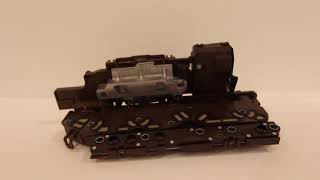
- Failures of the internal TEHCM (TCM) due to heat cycles and contamination become more prevalent, leading to a wide range of symptoms including harsh shifts, getting stuck in one gear (limp mode), and loss of communication codes (U-codes).
- Valve body wear, including issues with plastic check balls and solenoid performance, can cause shifting problems and loss of gears.
- Transmission fluid leaks from worn seals or gaskets are more likely to appear.
Installation Checklist:
| Task | Requirement |
|---|---|
| Perform all items from the Under 60k band. | Required |
| Consider replacing the internal TEHCM/TCM. | Recommended |
| Inspect and potentially replace the valve body separator plate and check balls. | Recommended |
| Thoroughly inspect all transmission cooling lines for leaks or damage. | Recommended |
| Replace the engine rear main seal and inspect the engine flexplate for cracks. | Cheap Insurance |
100,000 - 150,000+ Miles
Transmissions in this range are nearing the end of their expected service life without a major overhaul.
- The probability of significant internal wear increases substantially. This includes worn clutch plates, failing solenoids, and valve body wear.
- Complete failure of the torque converter or TEHCM is highly likely if they are original. At this mileage, these are considered wear items.
- Mechanical failures like worn internal bearings or gears become a possibility, often indicated by whining or clunking noises.
Installation Checklist:
| Task | Requirement |
|---|---|
| Perform all items from the previous bands. | Required |
| Consider a remanufactured unit over a high-mileage used unit. | Recommended |
| Replace the engine rear main seal, flexplate, and all accessible driveline seals. | Cheap Insurance |
Real Owner Experiences
The following table highlights real-world failures reported by owners of vehicles equipped with the 6L45/6L50 transmission family.
| Source | Mileage | What Happened | Cost |
|---|---|---|---|
| Edmunds Forums | 27,350 | Owner of a 2011 CTS4 reported a loud bang followed by a complete loss of movement. The engine would run, but the vehicle would not engage in gear. The issue was identified as stripped splines between the transmission output shaft and the transfer case. | Not specified, but noted that Cadillac has an updated shaft design to prevent the water intrusion that causes the failure. |
| GM-Trucks.com Forum | 58,000 | A user with a related 6-speed transmission experienced a total failure that was replaced under warranty. The issue was attributed to excessive heat. | Covered by warranty. |
| Edmunds Forums | 43,000 | An owner of a 2005 CTS reported hard downshifting at low speeds and a shuddering sensation around 45 mph at 1,500-1,900 RPM. | Not specified. |
| Edmunds Forums | 65,000 | A 2003 CTS owner experienced hesitation when shifting from reverse to drive, which escalated to a complete failure to engage reverse. | Not specified, dealer could not replicate the issue initially. |
| GM-Trucks.com Forum | 95,000 | A user with a related GM 6-speed transmission reported a complete failure just after purchase. Local shops indicated that failures between 80k-100k miles due to the pump or torque converter are common. | Not specified. |
| Edmunds Forums | 97,000 | A 2005 CTS owner reported that a ruptured radiator cooler line caused coolant and transmission fluid to mix, destroying the transmission. | Radiator replaced and system flushed, but transmission performance was still poor afterward. |
| Reddit r/Cadillac | 180,000 | Owner of a 2011 CTS 3.6L reported no major issues but noted the importance of proper maintenance. Acknowledged that transfer case and front differential replacements were needed due to incorrect tire sizes being used on the AWD system. | Not specified. |
| GM-Trucks.com Forum | 194,000 | Owner of a truck with a related 6L90 transmission felt a resonance in the steering wheel, which was an early symptom of impending transmission failure. | Not specified. |
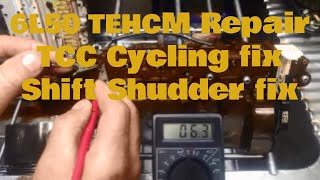
| YouTube | ~106,000 (170,000 km) | A Holden with a 6L50 transmission exhibited a 3-4 shift shudder and pulsing from the torque converter clutch. The cause was found to be fine metallic debris contaminating the pressure switches on the TEHCM. | DIY repair shown, involving cleaning/servicing the TEHCM. |
| Not Stated | Owner of a Cadillac STS (similar transmission family) needed a new transmission. | ~$3,000 |
Repair or Replace?
When facing a transmission failure, you must decide whether to repair the existing unit, install a used replacement, or opt for a remanufactured transmission. Here is a breakdown of the economics and when each option makes sense.
Typical Replacement Costs
| Part or Service | Estimated Cost (USD) |
|---|---|
| Used OEM Unit (including shipping) | $790 - $1,450 |
| Remanufactured Unit | $2,500 - $4,200 |
| New OEM Unit | $5,000 - $6,500+ (Generally only available as GM Remanufactured) |
| Installation Labor | $800 - $1,650 |
When Repair Makes Sense
| Repair Scenario | Estimated Cost | When It Makes Sense |
|---|---|---|
| Torque Converter Lockup Shudder | $600 - $1,100 | When shudder is the only symptom and fluid is clean. Involves replacing the converter and flushing the system. |
| TEHCM (TCM) Failure | $650 - $1,500 | When codes point specifically to the TEHCM and there are no signs of mechanical failure. |
| Valve Body / Solenoid Issues | $800 - $2,000 | If failure is isolated to a specific solenoid or valve body without widespread clutch damage. |
When Replacement is Smarter
Replacement is the better option when the transmission has multiple symptoms, such as slipping, shudder, and harsh shifts simultaneously, or if metal debris is found in the transmission pan. A local rebuild often reuses the original valve body, solenoids, and TEHCM, which are common failure points. A remanufactured unit is typically built in a controlled environment with systematic replacement of known wear items and updated parts, offering a longer-term, more reliable solution, especially if you plan to keep the vehicle.
Questions to Ask Your Installer
- Is a full rebuild or replacement truly necessary, or can a less costly repair be performed? Can you show me the damaged parts?
- If quoting a rebuild, are you performing it in-house or sending it out? What are the certifications (e.g., ASE) and experience level of your transmission rebuilders?
- For a rebuild, which specific internal parts are being replaced (e.g., clutches, seals, steels) and which are being reused (e.g., valve body, solenoids, TEHCM)?
- Does the quote include a new or remanufactured torque converter? (A flushed or reused converter is a major red flag).
- Will you be checking for and applying all relevant Technical Service Bulletins (TSBs) for this transmission during the repair?
- What is the warranty on the parts and labor, what are its terms (duration/mileage), and is it a local or nationwide warranty?
Freight and Delivery Reality

Purchasing a used transmission online means dealing with heavy freight shipping. This is not a standard parcel delivery.
- Size and Weight: The 6L50 AWD transmission assembly weighs approximately 187 lbs and measures roughly 36" x 24" x 18" before crating.
- LTL Freight: It will ship via Less-Than-Truckload (LTL) freight on a wooden pallet.
- Delivery Requirements: You must have a commercial loading dock or request a liftgate service for delivery to a residential address or a standard auto shop.
- Inspect Before Signing: Always inspect the transmission for physical damage (like cracked bellhousings or broken sensors) before signing the delivery receipt. Once you sign, you accept the condition of the freight.
- Pre-Purchase Verification: A reputable seller will conduct a pre-purchase verification interview to confirm your VIN, engine size, and AWD configuration before shipping. This is an industry best practice to prevent costly return shipping for mismatched parts.
Installation and Programming: Critical Steps

Professional Installation Recommended
Replacing this transmission is a complex job rated for advanced or expert-level technicians. It typically requires 5.5 to 8.0 hours of shop labor and specialized equipment, including a heavy-duty transmission jack, an engine support fixture, a torque angle gauge, a J2534 pass-thru programming device or GM-compatible scan tool (Tech 2 / MDI with GDS2), and a fluid fill adapter DT 47784.
Warning: The internal Transmission Electro-Hydraulic Control Module (TEHCM) is VIN-locked. After installation, the unit must be programmed with the vehicle's VIN using GM SPS2 software. Failure to program the TEHCM will result in a no-start condition or the vehicle being stuck in a limp mode.
Mandatory Post-Installation Procedures
Immediately after VIN programming, a Service Fast Learn (also called an adaptive relearn) must be performed with a scan tool. This procedure allows the TEHCM to learn the specific clutch tolerances of the replacement unit. Driving the vehicle without performing this learn procedure can cause harsh shifting and rapid clutch failure.
Pro Tip: There is no dipstick for checking the transmission fluid. The level must be checked via a standpipe plug on the bottom/side of the pan while the vehicle is level, the engine is running in Park, and the transmission fluid is between 86°F and 122°F (30°C to 50°C). The AWD front driveshaft can block access to the fluid fill plug, making this process difficult.
Required Consumables at Install
- DEXRON-VI Automatic Transmission Fluid
- Transmission Filter & Pan Gasket (e.g., ACDelco 24236933 / 24225800)
- Torque Converter Seal (Front Pump Seal)
- Axle / Driveshaft Seals
- Transmission Cooler Line Flush Agent
Common Installation Mistakes to Avoid
- Ordering a RWD transmission for an AWD vehicle: Always verify the RPO codes and transmission ID tags.
- Reusing the Old Torque Converter: Always install the new or inspected torque converter that comes with the replacement transmission. Reusing the old one will introduce metal shavings and contaminated fluid into the new unit, causing immediate damage.
- Skipping the TCM programming: This causes the vehicle to not start or remain in limp mode.
- Driving immediately without resetting adaptations: Skipping the Service Fast Learn will destroy the clutches.
- Skipping the transmission cooler line flush: Debris from the old transmission will ruin the replacement.
- Forcing the Torque Converter: The torque converter must be rotated and pushed until it fully engages with three distinct clicks. Forcing the bellhousing bolts without full seating will destroy the front pump.
- Ignoring AWD Spline Lubrication: You must clean and apply high-pressure water-resistant spline grease to the output shaft splines to prevent corrosion and stripping.
- Misaligned Dowel Pins: Ensure the alignment dowel pins on the engine block are clean and properly positioned to prevent input shaft misalignment.
Frequently Asked Questions (FAQ)
Do I have to replace the torque converter?
Yes. A used transmission should always be installed with a new or thoroughly inspected replacement torque converter. The old converter contains contaminated fluid and wear metals from the previous failure, which will destroy the replacement transmission.
Can I use a transmission from a RWD Cadillac CTS?
No. The transmission for a RWD model is not physically or electronically compatible with an AWD vehicle due to differences in the output shaft, tailhousing, and internal programming.
What happens if I don't program the transmission?
The vehicle will likely not start, or if it does, it will be in a "limp mode" with limited gear availability and harsh shifting. The internal computer (TEHCM) is VIN-locked and must be flashed with your car's VIN to communicate with the rest of the vehicle's modules.
What fluid does the 2011 CTS AWD transmission use?
This transmission requires DEXRON-VI automatic transmission fluid. Using any other type of fluid can cause poor performance and internal damage.
How do I check the transmission fluid level?
There is no dipstick under the hood. The fluid level must be checked from underneath the vehicle using a standpipe plug on the transmission pan. The vehicle must be level, running in Park, and the fluid temperature must be between 86°F and 122°F.
What is included with a used transmission assembly?
A standard used assembly typically includes the transmission case, internally lubricated parts, AWD extension/tail housing adapter, transmission oil pan, torque converter, and the internal TEHCM/TCM and solenoids. It does not include the transfer case, external wiring harnesses, shifter assembly, or external cooler lines.
Helpful Videos

Technical Specifications
OEM Part Numbers: 24252370
Type: 6-Speed Automatic; Models: GM 6L45 / 6L50; Drivetrain: All-Wheel Drive (AWD); Platform: Longitudinal (RWD-based); Weight: ~187 lbs; Dimensions: ~36" x 24" x 18"; Fluid Type: DEXRON-VI; RPO Codes: MX7, MYA; ID Tags: A1A, 1A1A, 0A1A, 0ASA; Engine Pairing (3.0L): VIN Digit 'Y'; Engine Pairing (3.6L): VIN Digit '3'
We Have This Part in Stock


The information in this article is provided for general reference and educational purposes only. Vehicle specifications, procedures, and part compatibility can vary by production date, trim level, and region. Always consult your vehicle's factory service manual and verify part numbers before purchasing or performing repairs. Safety-critical components such as airbags, seat belts, and braking systems should be installed by a qualified professional.
- Cadillac CTS:
- 🎬 Helpful Videos
- 🛍️ Shop This Part
- Identifying the Correct 2011 CTS AWD Transmission
- How to Confirm Fitment on Your Vehicle
- What Will Not Fit
- Common Failure Symptoms
- Diagnostic Flowchart
- Known Issues, Recalls, and Technical Service Bulletins (TSBs)
- What Fails at Every Mileage Band
- Under 60,000 Miles
- 60,000 - 100,000 Miles
- 100,000 - 150,000+ Miles
- Real Owner Experiences
- Repair or Replace?
- Typical Replacement Costs
- When Repair Makes Sense
- When Replacement is Smarter
- Questions to Ask Your Installer
- Freight and Delivery Reality
- Installation and Programming: Critical Steps
- Professional Installation Recommended
- Mandatory Post-Installation Procedures
- Required Consumables at Install
- Common Installation Mistakes to Avoid
- Frequently Asked Questions (FAQ)
- 🎟️ Get 5% Off